


How to lose weight in Singapore – The Ultimate Weight Loss Guide
Losing weight in Singapore can be really challenging, learn 5 practical tips that can help you lose weight successfully.

EXERCISES FOR THE ELDERLY: A GUIDE TO STAYING ACTIVE AND HEALTHY FOR SENIORS
Discover the power of exercise for seniors! Learn how to stay active, independent, and healthy with our comprehensive guide.

STAYING FIT AS YOU AGE: UNLOCKING YOUR BEST SELF AFTER 40
Discover how to stay strong, healthy, and energized for 40-year-olds and above with the best workouts, recovery tips, and expert fitness advice.
How to lose weight in Singapore – The Ultimate Weight Loss Guide
Losing weight in Singapore can be really challenging, learn 5 practical tips that can help you lose weight successfully.
EXERCISES FOR THE ELDERLY: A GUIDE TO STAYING ACTIVE AND HEALTHY FOR SENIORS
Discover the power of exercise for seniors! Learn how to stay active, independent, and healthy with our comprehensive guide.
STAYING FIT AS YOU AGE: UNLOCKING YOUR BEST SELF AFTER 40
Discover how to stay strong, healthy, and energized for 40-year-olds and above with the best workouts, recovery tips, and expert fitness advice.
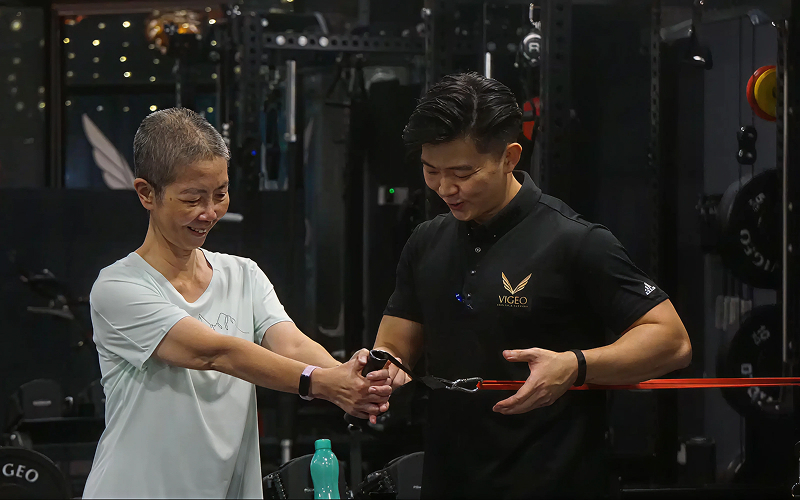
When to Start Strength Training For Older Adults
Wondering when to start strength training as you get older? This guide explains how older adults can begin building strength safely, what to consider before starting and how a personal trainer can support a routine that suits your current fitness level, mobility and health needs.
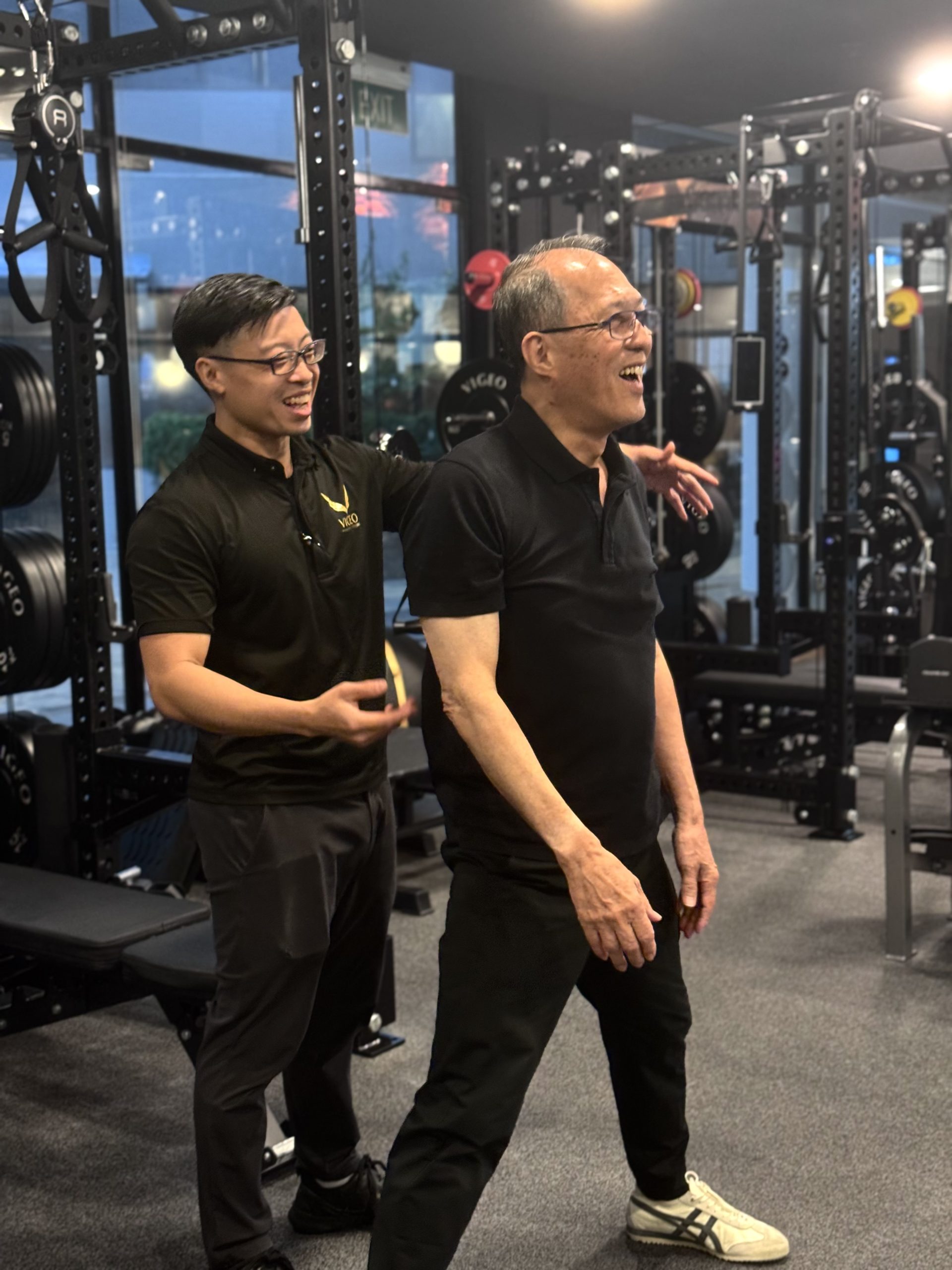
What We Recommend Looking for in a Personal Trainer for Senior Citizens
Choosing a personal trainer for senior citizens involves more than checking credentials or gym experience. At Vigeo, we recommend looking at how a trainer assesses movement, adapts exercises, manages progression, and works around balance, mobility, health conditions, and confidence. This article explains the practical qualities that can help older adults train more safely, build functional strength, and stay active over time.
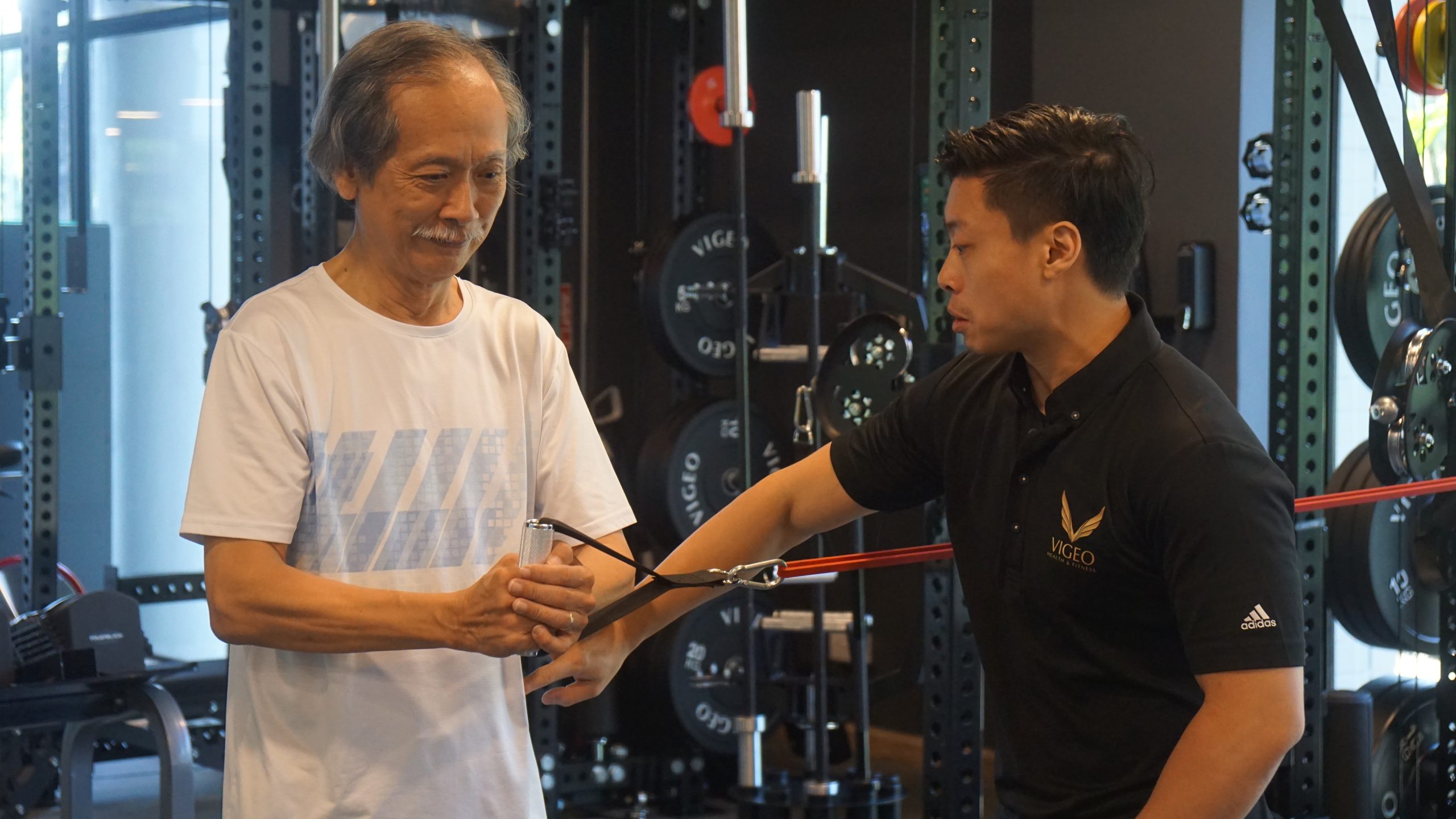
Hormone Imbalance in Older Men: Common Changes and Concerns
Hormonal changes are a normal part of aging, but shifts in testosterone and other hormones may affect energy levels, muscle mass, body composition, sleep, mood, and overall physical function in older men. This guide explains common signs and concerns to be aware of, when it may be appropriate to speak with a healthcare professional, and how regular movement can support healthy aging. At Vigeo, personalized fitness training for older adults focuses on safe strength, mobility, balance, and functional exercise programs tailored to each individual’s needs and fitness level.
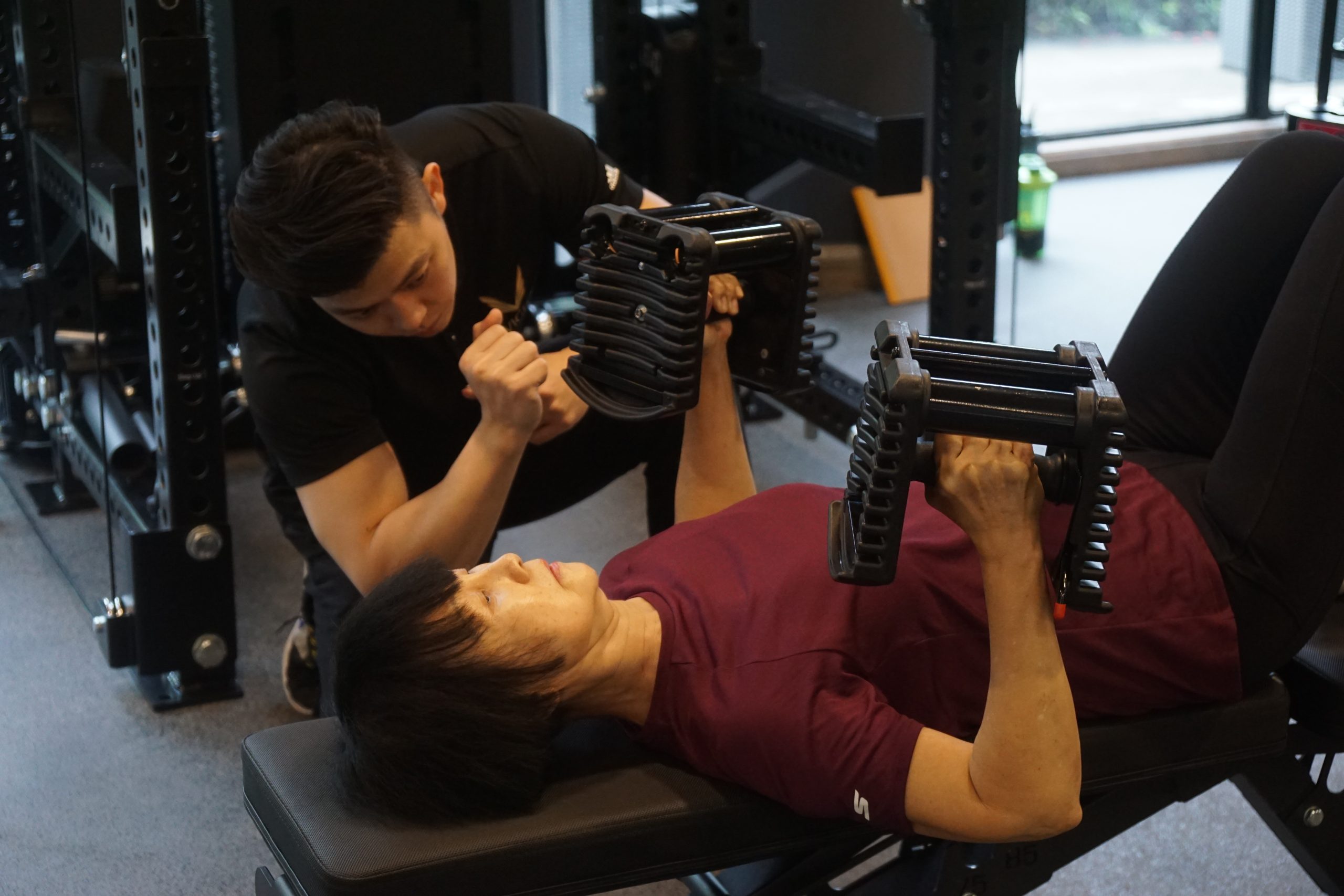
Balancing Medication and Physical Activity: What You Need to Know
Balancing medication and physical activity is an important part of chronic health management, especially for older adults or those managing long-term conditions. This article explains how medication may affect exercise, what warning signs to watch for and how a personal trainer can support safer, more consistent movement.
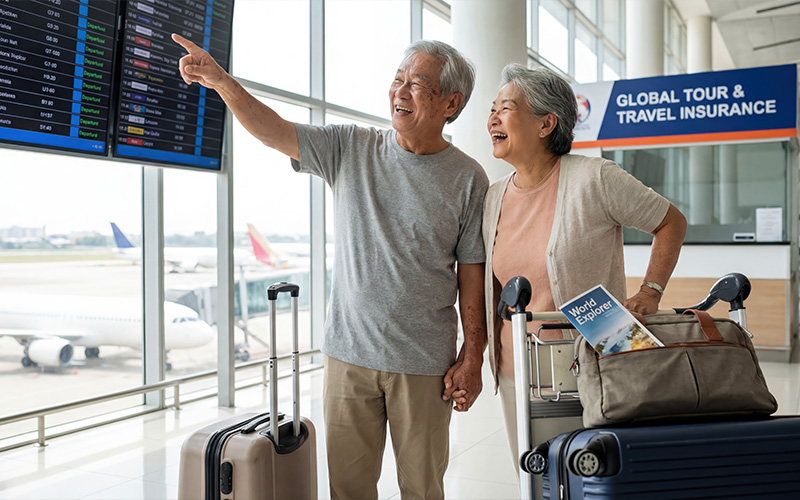
Staying Independent as You Age: Why the Body Changes and What You Can Do About It
Senior independence is closely linked to physical function, mobility, and overall health. In this article, learn why aging affects the body, how these changes influence daily life, and what can be done to stay strong and capable. From improving balance to safely building strength, discover practical approaches to support long-term independence and well-being.
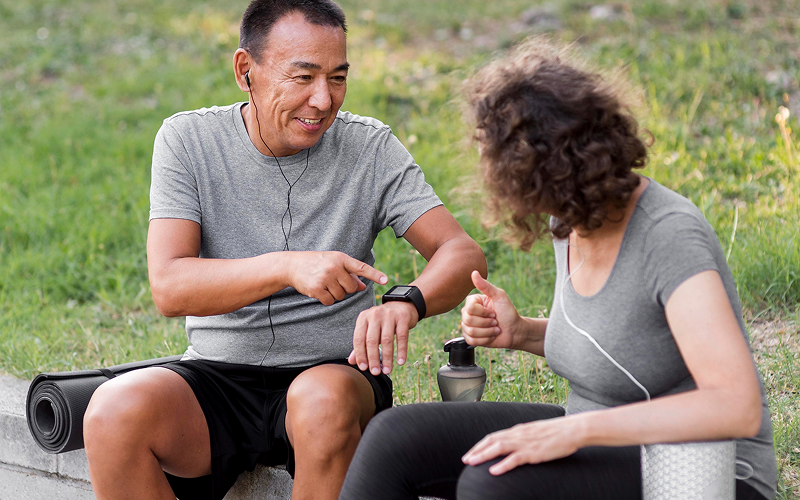
Managing Blood Glucose Levels: The Role of Exercise, Nutrition, and Daily Habits
Managing blood glucose levels requires more than medication alone. This guide explains how exercise, balanced nutrition, and everyday habits work together to support glucose level for diabetes, improve insulin sensitivity, and reduce fluctuations throughout the day. Learn practical, sustainable strategies that fit daily routines and help support long-term metabolic health and overall well-being.
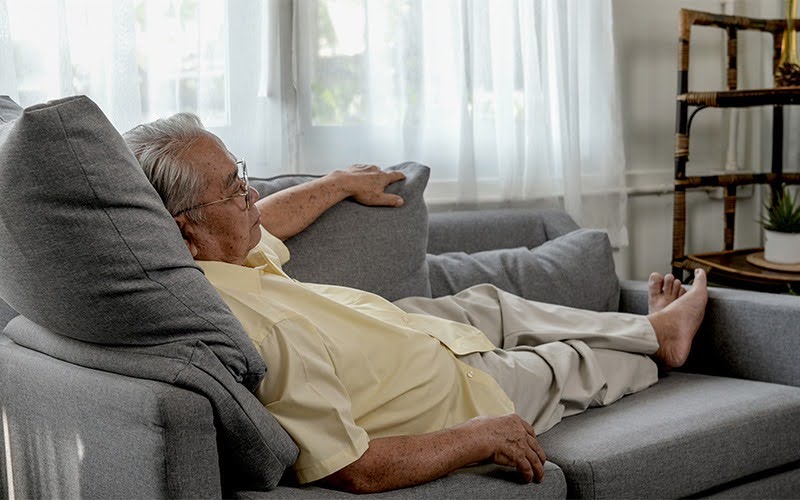
The Silent Threat: How a Sedentary Lifestyle Quietly Undermines Your Long-Term Health
A sedentary lifestyle often develops quietly, shaped by desk work, screen time, and reduced daily movement. Over time, prolonged inactivity can influence metabolic health, circulation, muscle strength, and overall physical resilience. This article examines the broader, long-term health implications of a sedentary lifestyle, explains why these risks accumulate gradually, and highlights how regular movement supports healthier ageing, mobility, and long-term wellbeing.
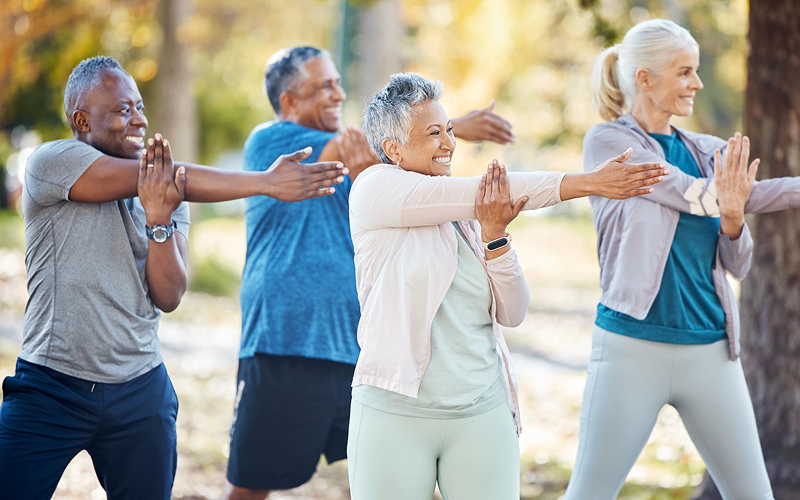
The Role of Exercise in Helping the Body Manage Cancer Risks
Exercise plays an important role in supporting overall health and helping the body manage cancer risk over time. From regulating inflammation and hormones to improving immune and metabolic function, regular physical activity influences several biological processes linked to cancer risk. This article explores how different types of exercise contribute to long-term risk management, and why consistency and lifestyle habits matter when taking a preventive, whole-body approach to health.

Menopause Transition: How Exercise Supports Strength and Health
The menopause transition brings hormonal changes that affect strength, balance, energy levels, and overall physical health. This article explores how regular exercise supports muscle maintenance, bone density, stability, and long-term wellbeing during this stage of life. By understanding the role of movement in the menopause transition, women can adopt practical, sustainable exercise strategies that support healthy aging, physical confidence, and daily function.

Beyond Stretching: How Seniors Can Move Easier with Strength and Balance
Stretching alone is not enough to support mobility as we age. This article explores how strength and balance training help seniors move with greater ease, confidence, and control. Learn why muscle strength, coordination, and stability are essential for everyday activities, fall prevention, and maintaining independence. Discover practical, age-appropriate strategies that go beyond flexibility to support safer, more comfortable movement in later life.

Combining Cardio, Strength, and Flexibility to Prevent Osteoporosis
Osteoporosis prevention goes beyond diet and supplements. This article explains how combining weight-bearing movement, resistance training, flexibility and stability training can support bone density improvement, balance, and long-term mobility. Learn which weight-bearing movement and resistance training approaches are most effective, who is most at risk for bone loss, and how consistent, well-structured movement can help slow progression and support independence as you age.

Health Span vs. Life Span: How Exercise Keeps You Active and Alive
Living longer does not always mean living better. This article explores the difference between life span and health span, and why exercise plays a critical role in keeping adults active, mobile, and independent as they age. Learn how strength training, cardiovascular fitness, mobility work, and functional movement support long-term health, reduce age-related decline, and improve quality of life in later years. The article also addresses common misconceptions about aging and exercise, compares how different demographics respond to physical activity, and explains how structured support can help align longevity with everyday vitality.
