Key Takeaways
A hormone imbalance can affect energy, strength, body composition, mood, sleep, and physical function, but these symptoms can also have other causes.
Low testosterone cannot be diagnosed from symptoms alone. Medical assessment and consistently low blood test results are needed.
Exercise for low testosterone does not replace medical care, but regular activity can help older men maintain strength, mobility, cardiovascular fitness, and everyday function.
Resistance training for seniors can help preserve muscle strength and physical capacity as men age.
Supporting a healthy body composition for seniors involves more than exercise alone. Nutrition, daily activity, sleep, medical conditions, and medication can also influence muscle mass and body fat.
Working with a personal trainer can provide more structure when exercise selection, resistance, pacing, and progression need to match the individual.
Hormonal changes can occur gradually as men age. They may coincide with changes in energy, muscle mass, body composition, sleep, mood, sexual health, or exercise recovery.
However, these changes don’t automatically mean a hormone imbalance. Fatigue, reduced strength, or weight gain may also relate to poor sleep, medication, nutrition, stress, inactivity, chronic health conditions, or normal age-related muscle-mass changes.
“Hormone imbalance” is a broad description, not a specific diagnosis. In older men, testosterone deficiency is one possible concern, but tiredness, weight changes or reduced strength can have many other explanations.
This article focuses mainly on testosterone, ageing and exercise. A gradual change in testosterone with age is not the same as diagnosed testosterone deficiency, and not every older man needs hormone treatment.
For older men, exercise has a different role. It cannot correct every hormonal problem, but it can help address some of the physical changes that may occur alongside aging by maintaining strength, fitness, mobility, and the capacity needed for daily life.
Working with a fitness trainer for seniors can provide more structure when exercise selection, resistance, pacing, and progression need to reflect the individual.
How Hormonal Changes Can Affect Strength and Physical Function
Testosterone supports muscle maintenance, bone health, sexual function, and body composition. Levels tend to decline gradually across adulthood, although the pattern differs between individuals.
Men do not usually experience the abrupt hormonal transition implied by the term “male menopause”. Testosterone changes tend to be more gradual and vary between individuals.
Diagnosing testosterone deficiency requires relevant symptoms or signs together with consistently low testosterone levels. Doctors generally confirm this with blood samples taken on two separate mornings, usually while fasting. They also consider factors such as illness, medication and other health conditions that may affect the results.
One low reading, tiredness or difficulty building muscle is not enough to establish the diagnosis.
This distinction matters because symptoms can overlap with many other conditions. Persistent tiredness, reduced exercise tolerance, lower strength, or changes in body composition should therefore not simply be attributed to hormones.
From a physical-function perspective, reduced muscle mass or strength can make familiar activities demand a larger proportion of someone’s available capacity. Carrying groceries, lifting household items, getting up from the floor, or keeping up during a full day out may begin to feel more demanding.
Exercise can still improve trainable qualities such as strength, endurance, and mobility, even if hormonal changes are the main reason those abilities have declined.
Persistent changes in energy, sexual function, mood, or unexplained physical performance should still be discussed with a healthcare professional.
Does Exercise Increase Testosterone?
Some workouts can produce a temporary rise in testosterone, but a short lived increase after exercise is not the same as a lasting improvement in resting levels or successful treatment of testosterone deficiency.
Exercise should therefore not be sold as a guaranteed way to “balance hormones”. Its value includes improving strength, fitness and physical function, whether or not a blood test shows a meaningful rise in testosterone.
Lower testosterone also does not mean training is pointless. Research in older men with low or low normal testosterone has shown that strength training can improve muscle function. The response varies, and exercise should complement any medical care that is needed.
Choose a programme for the physical improvements it can develop, rather than promises of a particular hormonal response.
The Role of Exercise for Low Testosterone and Healthy Aging
View exercise for low testosterone as supportive rather than corrective. Medical assessment remains important when testosterone deficiency is suspected, but regular exercise can help older men preserve physical qualities that matter for healthy aging.
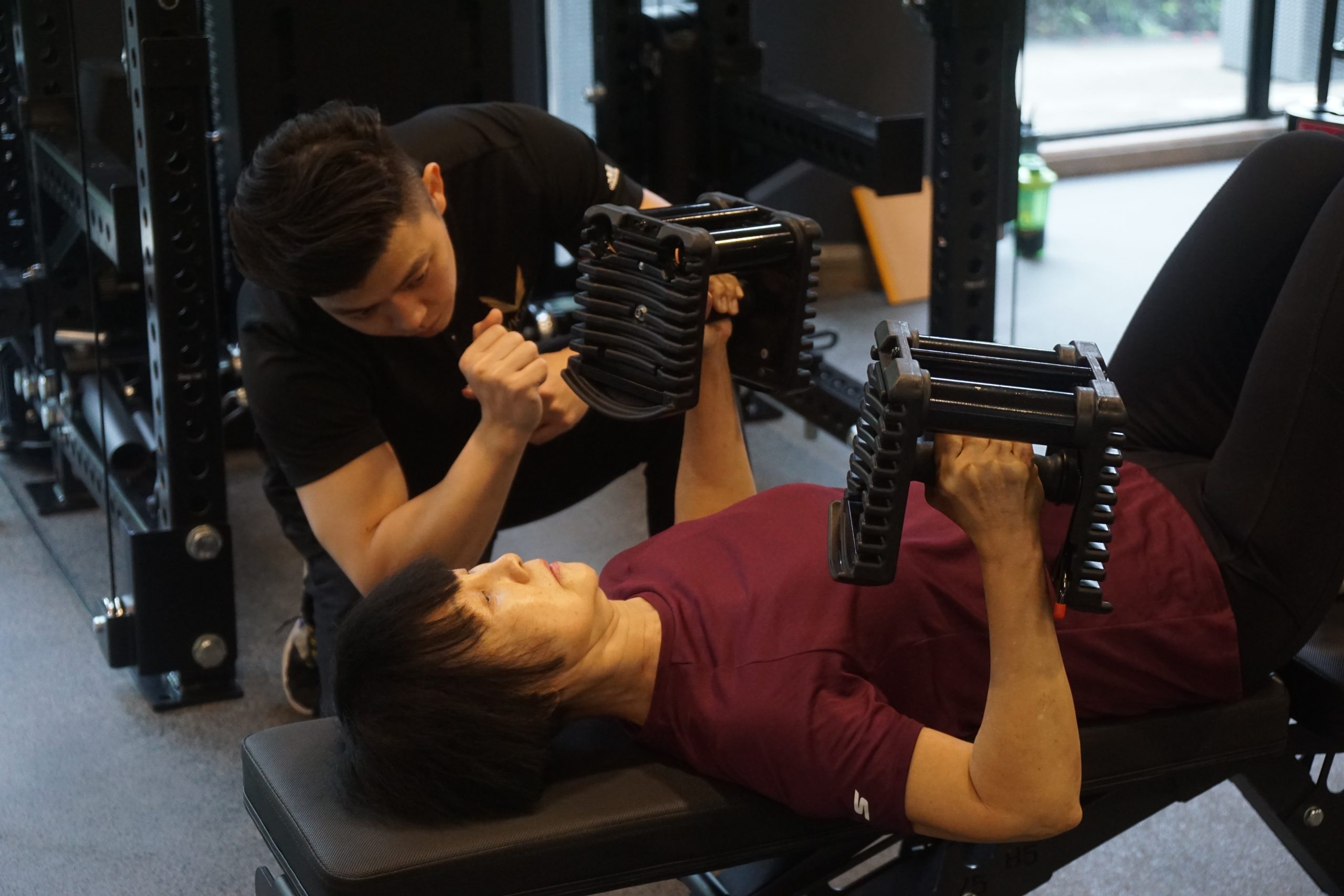
Resistance training for seniors is particularly relevant because age-related muscle loss can reduce the reserve available for everyday tasks. Well-structured resistance training can build the force-producing capacity needed for lifting, carrying, climbing, and other activities.
A senior exercise program does not need to start with demanding loads, especially if someone is new to strength training or returning after a long break. However, it should become appropriately challenging as their ability improves.
Aerobic activity also has a role. Walking, cycling, swimming, or other suitable cardiovascular exercise can support endurance and make sustained activity require less relative effort.
Balance and mobility work may be included where they address a relevant need. They serve a different purpose from strength training: balance work supports the ability to maintain or recover stability, while mobility work helps someone access the movement range required for exercise and daily tasks.
These forms of training complement rather than replace one another.
Building Strength and Supporting Body Composition
Men concerned about lower testosterone often notice changes in muscle mass, strength, or body fat and assume hormones are the sole explanation. Hormonal changes may contribute, but activity level, nutrition, illness, medication, sleep, and other lifestyle factors can also influence body composition.
Body weight alone cannot tell you whether a change involves muscle, fat or both. A man may remain the same weight while losing muscle and gaining fat. Equally, becoming lighter does not necessarily mean becoming stronger or healthier.
Useful measures of progress can include strength, waist measurements, everyday physical function and, where appropriate, body composition estimates. These measures help track training outcomes; they cannot diagnose a hormone problem.
Maintaining muscle is particularly valuable because it supports strength and physical function. Resistance training directly stimulates muscle maintenance and development, while regular daily movement and aerobic activity support overall activity levels and cardiovascular health.
Nutrition supports the training process. Include protein-rich foods such as fish, eggs, dairy, poultry, tofu, or beans across meals, along with enough overall food to support health and activity.
The appropriate approach differs between someone managing excess body fat and someone losing weight unintentionally or struggling with appetite. A doctor or dietitian can help where medical conditions, dietary restrictions or unexplained weight changes are involved.
For an older man who is returning to exercise, the aim should not be to copy a younger person’s routine or chase rapid body-composition change. A useful starting point reflects current strength, training history, health considerations, and the activities the person wants to remain capable of doing.
When Should You Speak With a Doctor?
Arrange a medical review if you notice persistent changes in sexual desire or erections, unexplained loss of strength, ongoing fatigue or low mood. These symptoms can have several causes and should not automatically be attributed to ageing or testosterone.
A doctor can review your symptoms, sleep, medication and medical history, then decide whether hormone testing or other investigations are appropriate.
Testosterone treatment is not automatically needed because a man is older or feels tired. Where deficiency is confirmed, treatment decisions should consider the cause, symptoms, potential benefits and risks.
How Vigeo Approaches Exercise for Older Men
At Vigeo, the starting point reflects the student’s current ability, training history, health considerations, and what they want to remain capable of doing.
When someone is concerned that hormones are affecting their progress, the exercise assessment focuses on the physical changes they have noticed and what they can currently do. Training history, consistency, recovery, nutrition and relevant medical guidance all help inform the programme.
Progress can be tracked through performance in familiar exercises, everyday function and recovery between sessions. If progress stalls, it is useful to review the training and recovery pattern rather than immediately attributing the problem to testosterone.
Improving strength does not prove that testosterone has increased. Similarly, a difficult workout does not establish that hormones are the cause. Hormone assessment remains a medical responsibility.
Exercise can support strength, physical function, and healthy aging, but it does not replace medical assessment when symptoms may be related to testosterone deficiency or another health condition.
If changes in energy, strength, or body composition affect how active you feel, contact us to arrange a consultation and discuss an appropriate starting point for your training.