

Key Takeaways:
- Life span and health span are not the same. Living longer does not automatically mean living well.
- Exercise is one of the most effective ways to extend health span by preserving mobility, strength, and independence.
- Longevity and exercise are closely linked, but benefits depend on consistency rather than intensity.
- Functional fitness for ageing adults supports daily movement, balance, and confidence across different age groups.
- Structured guidance helps align exercise with changing physical needs, supporting quality of life in old age over time.
Why Living Longer Is Not the Same as Living Better
Most people think longevity is simply about living longer. Medical advances, improved nutrition, and better healthcare have significantly increased average life expectancy.
Yet many adults spend the later decades of life managing fatigue, pain, limited mobility, or chronic conditions. This disconnect is where the concept of life span and health span becomes critical.
This is where the difference between life span and health span becomes critical.
Life span refers to the total number of years a person lives.
Health span reflects how many of those years are spent in relatively good physical and mental health.
Exercise plays a central role in bringing these two closer together, helping individuals remain active, capable, and independent rather than merely extending survival.
The Growing Gap Between Life Span and Health Span
While life expectancy has increased globally, the number of years lived without disability has not risen at the same rate.
This creates a widening gap: longer life, but prolonged decline and eroding independence.
This gap explains a common frustration among older adults. Many outlive previous generations yet experience prolonged periods of reduced mobility or dependence. Exercise directly addresses this imbalance by preserving physical capacity and resilience across decades, not just reducing early mortality.
Common Misconceptions About Exercise and Aging
1. “It’s too late to start.”
The body can still adapt at 60, 70, and beyond. Muscles respond to resistance training. Balance and stamina can improve with structured progression.
2. “Workouts must be intense to matter.”
Exercise does not need to be exhausting to be effective. Moderate, consistent activity such as walking, resistance training, balance work, and mobility exercises all support the health span and produce measurable improvements over time.
3. “I am too frail to lift weights.”
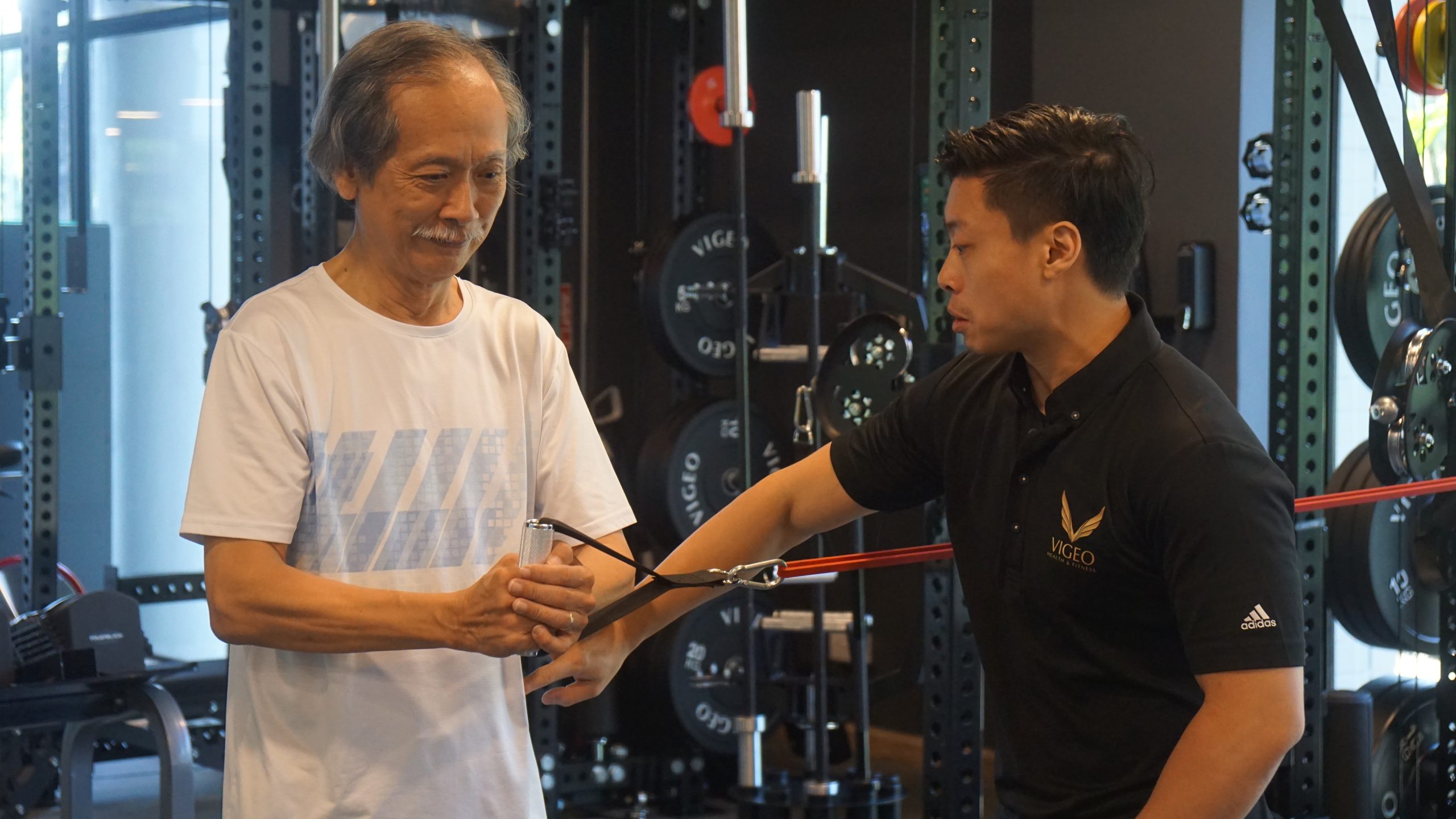
Strength training is scalable. Resistance can start with body weight, light bands, or supported movements. Frailty is often the very reason to train, not avoid training.
4. “Cardio is enough. I don’t need strength training.”
Walking supports heart health, but it does not adequately preserve muscle mass. Without strength training, muscle loss accelerates, increasing fatigue and fall risk.
Older adults who begin exercising later still benefit, although progress may be gradual. Research shows improvements in balance, strength, and cardiovascular capacity even in people over 70. This challenges the belief that it is ever “too late” to improve health span.
Aging does not eliminate the body’s ability to adapt. What often limits progress is not age, but outdated beliefs about what is possible.
Longevity and Exercise Across Different Demographics
- 40s and 50s: This is the prevention window. Strength training helps maintain muscle mass, protect joints, and slow metabolic decline before significant loss occurs. Adults who remain active during midlife are more likely to experience fewer mobility limitations later compared to those who become sedentary earlier.
- 60s: Balance and coordination become increasingly important. Lower body and core strength reduce fall risk, support walking efficiency, and preserve independence in daily tasks.
- 70s and beyond: The priority shifts to maintaining functional reserve. Even modest strength improvements can enhance mobility, confidence, and the ability to live independently.
- Women in midlife: Hormonal changes accelerate bone and muscle loss. Resistance training becomes essential for preserving bone density, metabolic health, and long term function. Women may maintain flexibility but are at higher risk for osteoporosis and sarcopenia without structured strength work.
- Men with aging: Men may retain strength slightly longer but can lose it rapidly without consistent training. Joint mobility restrictions are also common, especially in the hips and shoulders, which can affect movement quality over time.
Across demographics, one principle remains consistent:
Maintaining strength through midlife significantly influences independence and resilience in later decades.
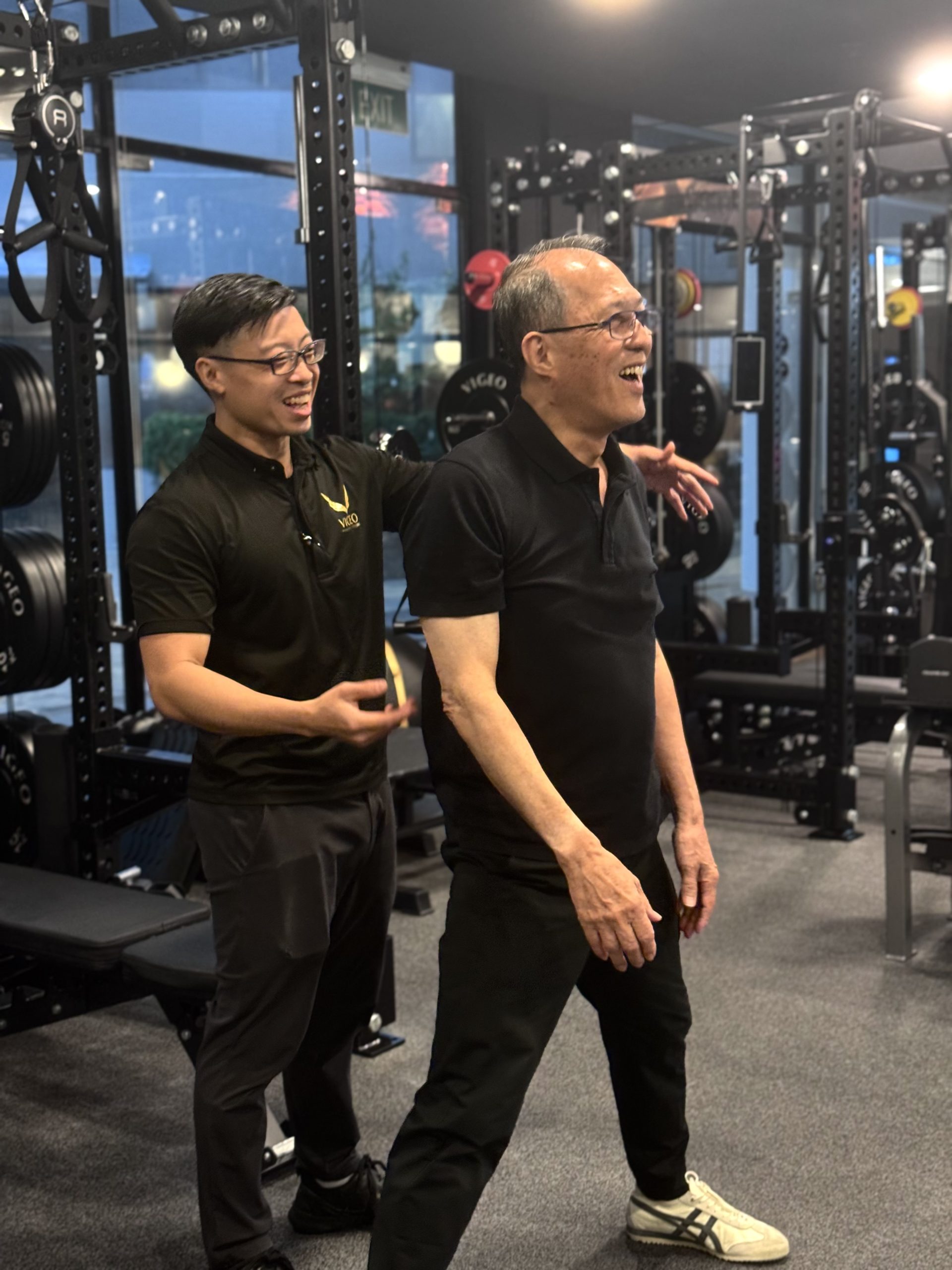
A personal trainer for 50 years and above focuses on safe, structured exercise that supports long-term mobility, strength, and confidence and helps people improve both their lifespan and healthspan e.
Strength Training and Functional Fitness for Aging Adults
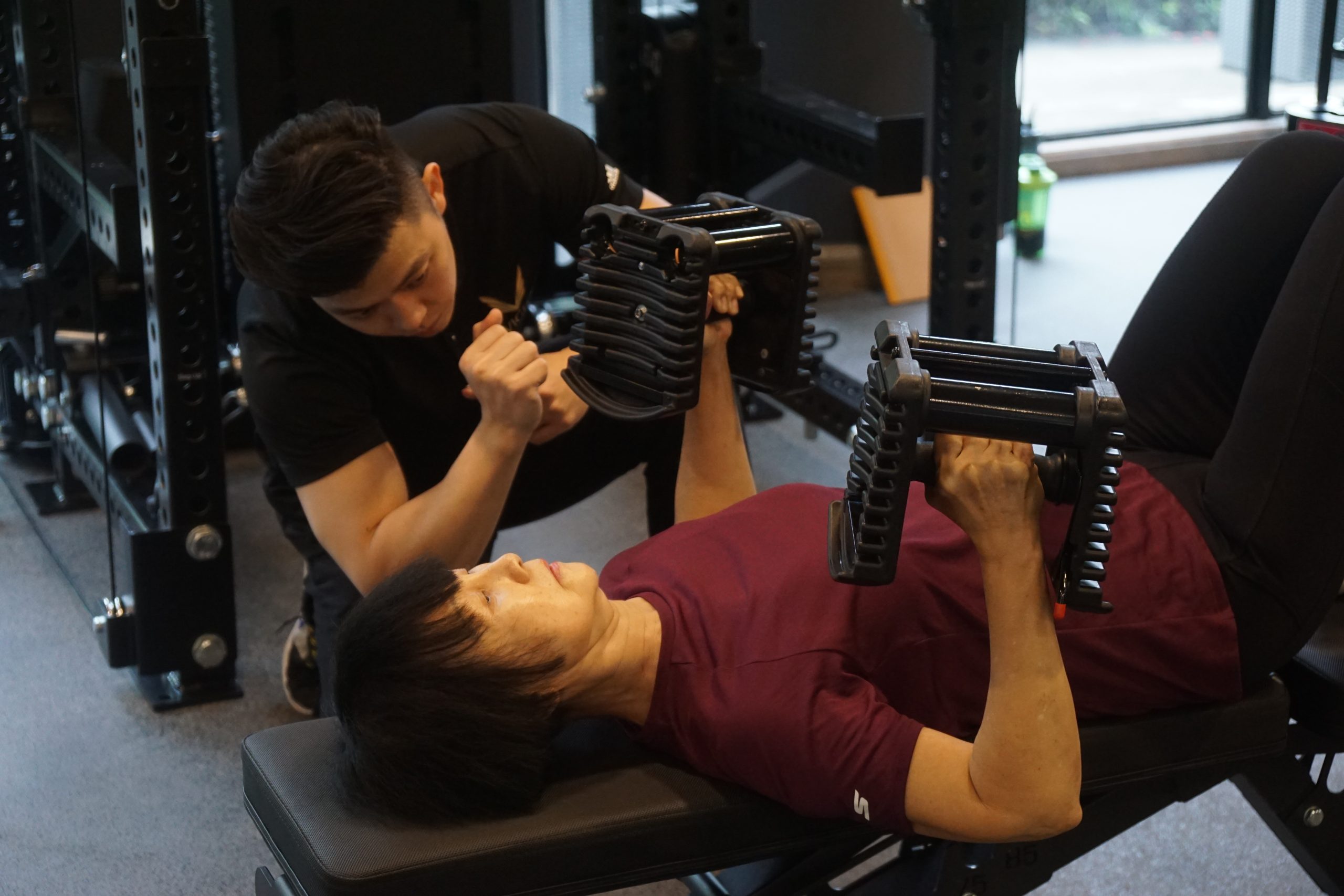
Strength training is a cornerstone of functional fitness for ageing adults.
Age-related muscle loss affects posture, joint stability, and balance, increasing fall risk and reducing independence. Resistance exercises help preserve muscle mass, support bone health, and protect joints.
Functional movements such as squatting, hinging, pushing, pulling, and controlled stepping directly mirror daily activities like climbing stairs, standing from a chair, or carrying groceries.
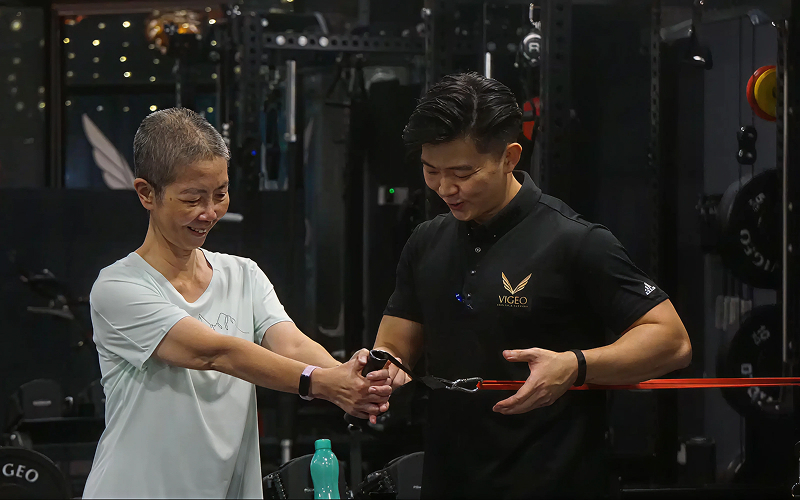
Working with a senior fitness personal trainer helps tailor training to individual abilities, especially for those managing joint discomfort or prior injuries.
Cardiovascular Exercise and Daily Energy
Cardiovascular training supports heart health, circulation, and endurance.
Activities such as brisk walking or cycling improve oxygen delivery and energy efficiency. These changes directly influence the quality of life in old age by reducing fatigue during routine activities.
A common frustration among older adults is feeling breathless during simple tasks. Regular aerobic exercise allows the body to perform the same actions with less effort, supporting confidence and sustained independence.
Mobility, Balance, and Long-Term Independence
Mobility and balance training preserve joint range of motion and coordination.
Falls remain a leading cause of injury-related decline, making balance work essential for health span. Stretching and controlled movement improve confidence in walking, turning, and navigating uneven surfaces.
Some assume flexibility alone is sufficient. The counterpoint is that flexibility without strength and balance offers limited protection. Integrated training supports safer movement over time.
Mental Health, Cognition, and Movement
Exercise supports more than physical health.
It also supports mental well-being and cognitive health alongside physical benefits. Regular activity helps regulate mood, manage stress, and support memory. These effects are critical to health span, as mental clarity influences independence and social engagement.
Many adults report that exercise restores a sense of agency over aging. This psychological benefit reinforces long-term consistency.
Practical Support for Staying Active Over Time
Effective exercise programs recognize that life span and health span are shaped by individual needs, preferences, and life stages. What works in early adulthood often requires adjustment later, as bodies respond differently to training, recovery takes longer, and priorities shift toward maintaining function rather than chasing performance.
Individuals thrive in community-based environments such as a gym for the elderly in Singapore, where there are structured classes and shared routines that provide motivation and social engagement. Others prefer a more tailored approach, especially when managing joint concerns, previous injuries, or fluctuating energy levels.
Working with a personal trainer that specializes in the elderly allows exercise programs to adapt thoughtfully to changing bodies, schedules, and long-term goals.
This personalized support helps ensure that exercise continues to serve both life span and health span, reducing the risk of overtraining while supporting consistency. When movement feels achievable and relevant, it becomes easier to stay active over time and preserve independence well into later years.
Aligning Life Span and Health Span Through Exercise
Life span and health span do not have to diverge.
Aging is inevitable. Prolonged frailty is not.
Exercise remains one of the most reliable tools for preserving independence, mobility, and confidence across the years. While no approach eliminates aging, consistent and well-guided movement helps ensure that added years remain active, capable, and meaningful.
Working with experienced professionals makes this process safer and more effective. A structured program designed around your current abilities, health history, and long-term goals can support strength, balance, and endurance without unnecessary strain or guesswork.
If you are looking to improve daily movement, maintain independence, or simply feel more confident staying active as you age, contact us to speak with our team. We will help you explore a personalized approach to exercise that supports both your life span and your health span, at a pace that feels sustainable and right for you.