

Key Takeaways:
- The menopause transition affects muscle strength, bone density, recovery, and energy levels, making exercise more supportive than performance-driven.
- Strength training plays a key role in preserving muscle mass, posture, and joint stability during midlife.
- Mobility and flexibility during menopause help reduce stiffness and support confident daily movement.
- Moderate, well-paced exercise supports stress regulation, sleep quality, and emotional balance.
- A consistent, adaptable exercise routine supports long-term health and independence through and beyond menopause.
Understanding the Menopause Transition
Menopause brings about hormonal changes that can affect how the body feels, moves, and recovers.
Oestrogen is a key hormone that helps regulate muscle strength, bone density, joint health, energy levels, and mood. During the menopause transition, oestrogen levels gradually decline. This becomes one of the main contributors to many of the physical and emotional changes women experience.
Declining oestrogen influences muscle mass, bone density, joint comfort, sleep, mood, and stress tolerance. Many women going through menopause might also experience subtle fatigue or discomfort without realising it.
Despite this, exercise should remain essential during this phase, albeit with a shift of role. Instead of focusing on performance or rapid physical change, the goal of any physical training would become to preserve strength, stability, mobility, and long-term health. To simplify, the purpose of training would be maintenance instead of growth.
Note: Exercise can be a valuable way to support strength and well-being during the menopause transition, though individual needs and experiences differ. If you have existing health concerns, ongoing symptoms, or are unsure where to begin, it may be helpful to speak with a medical professional before making changes to your exercise routine.
Key Physical Changes During Menopause
Changes in Muscle Mass and Strength
During the transition, declining oestrogen negatively impacts the body’s ability to maintain muscle tissue. Without regular resistance work, muscle loss may occur earlier in adulthood. This often shows up as reduced strength during daily activities such as climbing stairs, lifting objects, or maintaining an upright posture.
One of the biggest signs you may notice is that tasks that once felt easy now may require more effort. Fatigue also sets in significantly sooner during any physical activity.
Many women assume this loss is an unavoidable rite of passage due to aging. In reality, strength training may actually be highly effective at preserving and rebuilding muscle during menopause. This applies only when done consistently and at appropriate intensity.
Changes in Bone Density and Load Tolerance
Bone density may decline more rapidly during menopause due to hormonal changes that affect bone turnover. This does not usually cause immediate pain, which is why it often goes unnoticed in the early stages.
There may be no obvious symptoms at first, but long-term effects can include increased fracture risk, particularly in the hips, spine, and wrists.
Some believe that only supplements matter for bone health. Weight-bearing and resistance-based exercise play a direct role in signalling bones to maintain strength and structure.
Slower Recovery and Increased Sensitivity to Stress
Recovery time after intense exercise often lengthens during the menopause transition. The nervous system may also become more sensitive to physical and emotional stress.
Muscle soreness may last longer, and high-intensity sessions may feel more draining than usual. Sleep disruption can also affect how quickly the body recovers.
Pushing harder is often seen as a solution. In practice, reducing intensity slightly and prioritising recovery usually leads to better long-term results.
Joint Stiffness and Reduced Movement Confidence
Hormonal changes can influence connective tissues, leading to stiffness in areas such as the hips, knees, shoulders, and spine. Reduced movement can then compound this stiffness over time.
You may feel less fluid when moving, especially after sitting for long periods or first thing in the morning.
Stiffness is often mistaken for a sign to avoid movement. In fact, regular mobility work and controlled strength exercises usually improve joint comfort rather than worsen it.
These changes do not mean exercise should stop during the menopause transition. They signal the need for adjustment, with greater emphasis on strength, mobility, recovery, and sustainable effort. When exercise supports the body’s changing needs, it becomes a powerful tool for maintaining long-term health and confidence.
How Exercise Supports Health During the Menopause Transition
Muscle and Strength Support
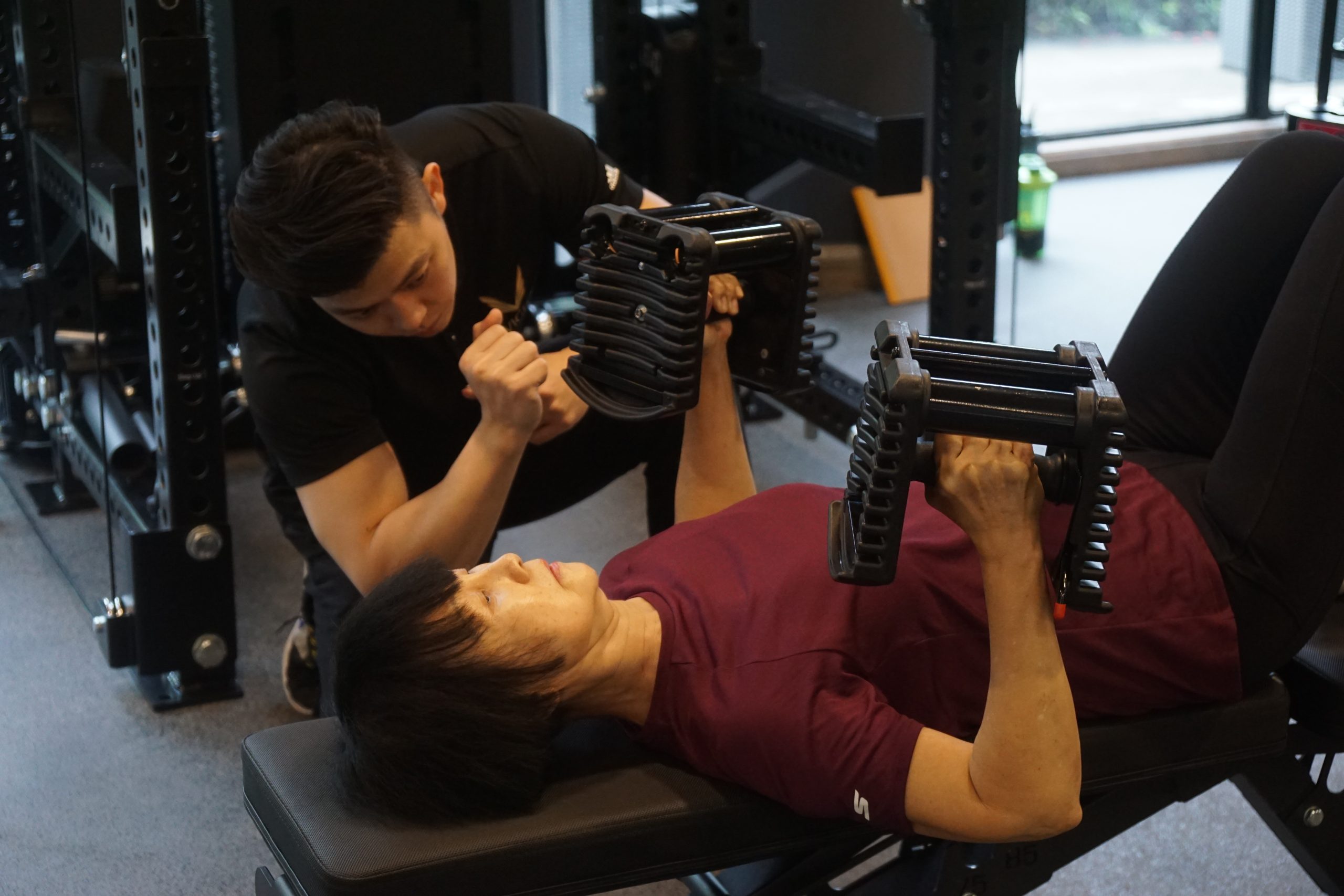
Strength training for menopausal women helps slow age-related muscle loss and supports everyday function.
Sample Practical exercises that you can do on your own:
- Squats or chair squats: 2–3 sets of 8–12 reps
Builds leg strength and supports getting up from chairs or toilets. - Wall push-ups or incline push-ups: 2–3 sets of 8–10 reps
Strengthens the upper body while protecting the shoulders. - Dumbbell rows or resistance band rows: 2–3 sets of 10–12 reps
Supports posture and upper-back strength. - Glute bridges: 2–3 sets of 10–12 reps
Strengthens the hips and lower back support muscles.
Rest for 60–90 seconds between sets. Choose a resistance that feels challenging by the last few repetitions while still allowing good form.
This is a starting point, not a complete program. Menopause affects every woman differently, and a well-designed training plan accounts for far more than a general list of exercises can. When the goal is training that is both safe and appropriately progressive, working with a personal trainer for the elderly can make a meaningful difference.
Bone Health and Osteoporosis Support
As oestrogen declines, bone loss may accelerate. Weight-bearing and resistance exercises during menopause help stimulate bone tissue.
Effective bone-supporting movements are typically exercises that are weight bearing such as:
- Sit to stand from a chair — 3 sets of 8 to 10 reps
A simple but effective movement that loads the hips and legs while building functional strength. - Step-ups onto a low platform or step — 2 to 3 sets of 8 reps per leg
Trains single-leg strength and applies controlled impact through the hip and femur. - Farmer’s carry — 3 rounds of 30 to 45 seconds
Walking while holding dumbbells or kettlebells
Loads the whole skeleton, challenges grip, and builds stability through the spine and hips.
These are starting points. For them to remain effective, the load needs to be appropriate to your current fitness level. If the prescribed sets and reps feel easy, increase the weight or volume. Bone responds to challenge, not comfort.
A qualified coach can help ensure your program is progressive, safe, and calibrated to where you actually are.
Stress Regulation and Recovery Balance
Exercise during menopause supports stress regulation when intensity is well managed. Overly intense sessions without recovery can increase fatigue and disrupt sleep.
Actionable guidance:
- Limit high-intensity sessions to 1–2 times per week.
- Use moderate-paced walking, cycling, or swimming for 20–30 minutes on other days.
- Include at least one full rest or gentle recovery day weekly.
A simple rule is to finish most sessions feeling energised rather than depleted.
Sleep and Mood Support
Regular movement helps regulate mood and supports more consistent sleep. But timing and intensity matter as much as the exercise itself.
Helpful strategies:
- Strength training and higher-intensity cardio are better scheduled earlier in the day. Vigorous exercise close to bedtime can elevate cortisol and core temperature, making it harder to wind down.
- In the evening, calmer movement works better. Light stretching or a slow walk helps the nervous system shift into recovery mode rather than staying in a stimulated state.
- Consistency matters more than volume here. A short session done regularly will do more for mood and sleep quality than long, exhausting workouts done sporadically. Even 15 to 20 minutes of daily movement can produce a noticeable difference over time.
Even 15–20 minutes of daily movement can make a noticeable difference over time.
Mobility and Joint Comfort
Oestrogen plays a role in joint lubrication and connective tissue health. As levels decline, stiffness in the hips, spine, and shoulders becomes more common. Consistent mobility work helps maintain the range of motion and keeps daily movement feeling smoother.
Simple mobility routine (daily or post-workout):
- Hip flexor stretch — 2 rounds of 20 to 30 seconds per side
Counteracts the tightening that comes from prolonged sitting and supports hip extension in walking and standing. - Thoracic spine rotations — 6 to 8 reps per side, seated or on the floor
Maintains rotational mobility in the mid-back, which tends to stiffen with age and poor posture. - Shoulder rolls and arm circles — 10 to 12 slow reps
Keeps the shoulder girdle mobile and reduces upper body tension. - Calf and ankle mobility stretch: 20 seconds per side
If stiffness, balance concerns, or previous injuries are present, working with a fitness trainer for menopause ensures each movement is performed with the right alignment, appropriate range, and proper progression rather than just going through the motions.
A Balanced Weekly Exercise Structure
Consistency matters more than intensity during the menopause transition. A sustainable weekly routine is one you can maintain across months and years, not one that leaves you depleted after every session.
Example weekly structure:
- 2–3 days: Strength training (30–45 minutes)
- 2–3 days: Moderate cardio such as brisk walking (20–30 minutes)
- Daily: Light movement or mobility work (10–15 minutes)
These are starting parameters, not rigid rules. Adjust load, reps, and duration based on how your body is responding. Energy levels and recovery capacity fluctuate during this period, and training should flex with that rather than fight it.
The goal is a routine that accumulates over time. A well-structured program, guided by a coach who understands this stage of life, makes it significantly easier to stay consistent, progress appropriately, and avoid the common mistake of doing too much too soon.
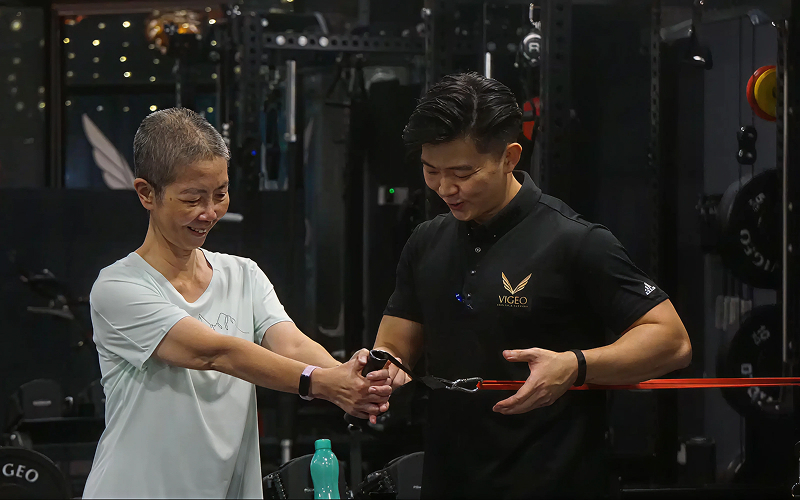
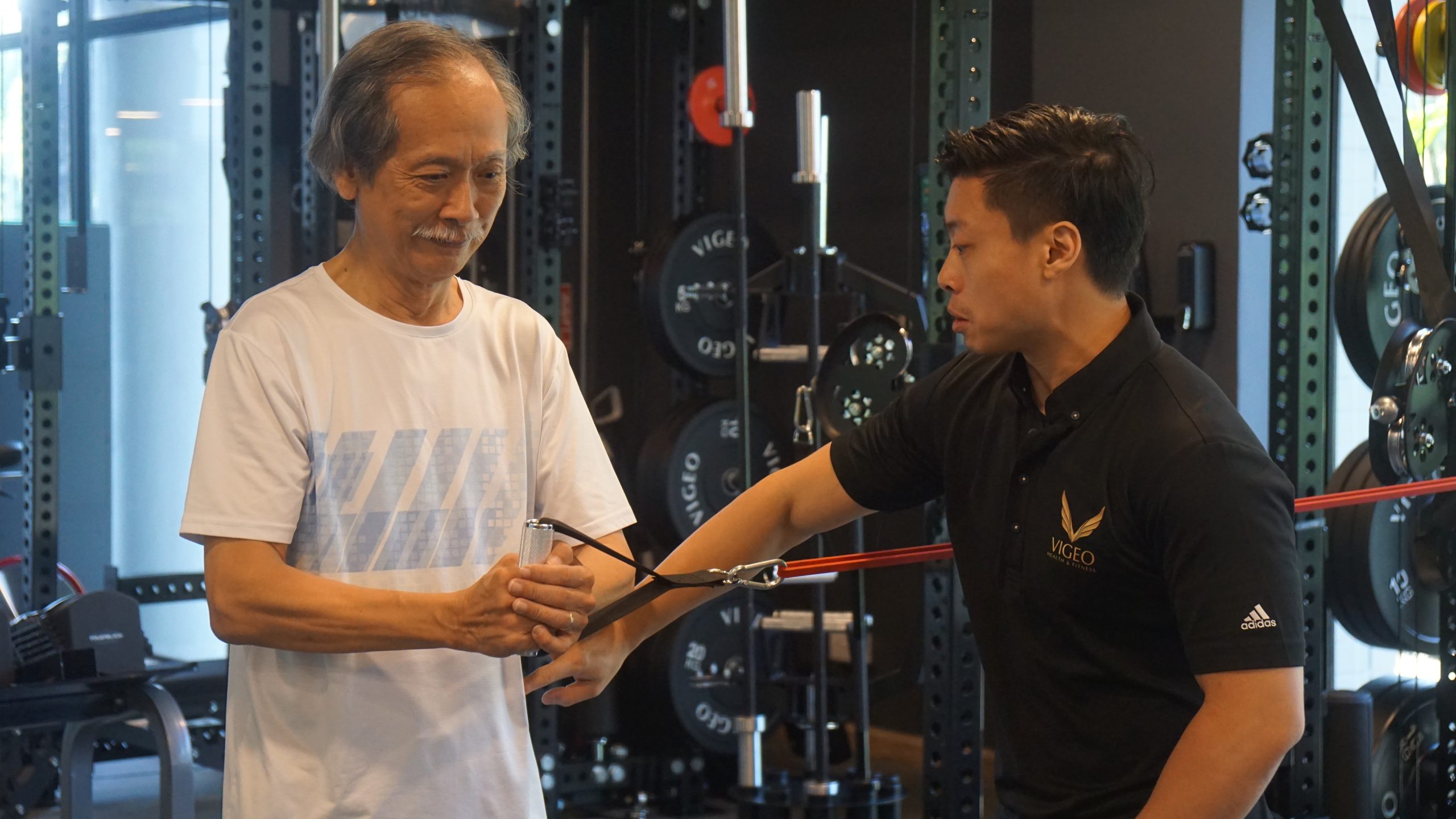
Some women find that they benefit from structured facilities with a menopause personal trainer, where controlled strength and balance work are carried out with equipment support.
Supporting Strength and Health Long Term
It is important to remember that this is a period of adjustment. With the right exercise and approach, women can continue to build on their well-being well into midlife and even beyond. Clear exercise selection, appropriate repetitions, and manageable weekly routines make it easier to stay consistent without overwhelming the body.
At Vigeo Health & Fitness, we focus on personalised exercise guidance that respects the realities of the menopause transition. Our programmes are designed to suit your comfort levels. We help you build strength safely to maintain long-term independence. Contact us to create a personalised exercise plan that supports your changing energy levels, recovery needs, and long-term health goals. Our team provides structured, practical guidance designed to help you move with confidence, stay independent, and feel supported at every stage of the menopause transition.