

Reaching your 40s is a significant milestone, a testament to experience and growth. However, reaching this age also comes with certain physical changes. At this stage, fitness becomes your foundation for sustaining energy, mobility, and resilience—the things that allow you to keep up with the demands of your career, show up for your family, and still have something left for yourself.
With that, you might ask if doing workouts becomes harder as we get older. The truth is that it’s absolutely never too late to make fitness a priority. It might feel different, but it’s achievable and incredibly rewarding, especially when done with a personal trainer.
Why fitness in your 40s is essential
While workouts in your 20s might have focused on aesthetics or peak performance, fitness after 40 centers on feeling strong, staying healthy, and maintaining functional ability.
Turning 40 isn’t “over the hill” but is a new beginning. Prioritizing fitness after 40 and knowing how you should change your workout routine are some of the best investments you can make for your long-term health, energy, and vitality. It preserves your youth, slows aging, and ensures strength for career and family demands.
1. Preserving muscle mass and boosting metabolism
After the age of 40, a natural decline in muscle mass, known as sarcopenia, happens. Aside from physical changes, it also slows your metabolism and reduces strength, making it more challenging to maintain a healthy weight or stay active without fatigue or discomfort.
Muscle is metabolically active, meaning it burns calories even at rest. So, as muscle mass decreases, your metabolism slows, which affects how your body uses energy. On the other hand, the decline in strength can make everyday activities feel more strenuous and increase your risk of injury.
Adding strength and resistance exercises to your routine can help maintain and even increase muscle mass. In turn, this supports better metabolism, increases your overall strength needed for daily tasks, improves your posture and joint stability, and makes staying active and enjoying a full and independent life easier and safer.
2. Maintaining bone health
A natural part of aging is the decline in bone density, which can increase the risk of fractures and conditions like osteoporosis, especially for women after menopause. While calcium intake is important, relying on diet and nutrition alone isn’t enough to maintain strong bones.
What really makes a difference is movement, specifically through weight-bearing and resistance exercises. These forms of training place healthy stress on your bones, stimulating them to grow denser and stronger over time. This significantly lowers your chances of experiencing debilitating fractures in areas such as the hips and spine and also helps you maintain good posture, balance, and a sense of physical security.
3. Supporting cardiovascular health
Heart health is vital at any age, and keeping it strong becomes even more essential after 40. As we grow older, the risks of high blood pressure, elevated cholesterol, and heart disease increase due to blood vessel tightening, hormonal shifts, and lifestyle factors.
Cardiovascular disease is one of the leading preventable causes of illness and death worldwide. Fortunately, your heart is highly receptive to positive lifestyle changes, with exercise being a powerful tool. Being proactive about your heart health isn’t just about potentially adding years to your life; it’s about making those years more vibrant and active, ensuring your heart can support everything you want to do.
Incorporating both aerobic exercise, like brisk walking, cycling, or swimming, and resistance training into your routine helps strengthen your heart muscle, lower blood pressure, improve circulation, and reduce LDL or bad cholesterol levels. Moreover, it increases HDL or good cholesterol and makes your body more efficient at using oxygen, boosting your stamina for everything from a busy workday to playing with your kids.
4. Reducing stress and improving mental health
As the demands of life in your 40s stack up, mental stress can become a persistent presence. This is why prioritizing fitness during this stage is a must, as it’s also an impactful way to support your mental and emotional well-being.
Regular physical activity triggers the release of your body’s natural “feel-good” chemicals called endorphins. This mood booster helps reduce stress and feelings of anxiety. It also improves cognitive function and gives you a sense of accomplishment, clarity, and control over your day. Even 30 minutes of movement can shift your mental state, helping you reset and refocus.
5. Improving mobility and flexibility
As we age, it’s common to experience a decline in how well our joints move and flexibility or the range and elasticity of muscles and connective tissue. This often shows up as stiffness, reduced range of motion, or even discomfort when performing everyday actions like bending down, reaching for something, or getting up from the floor.
The good news is that a well-rounded fitness program incorporating specific mobility drills, dynamic stretches, and controlled strength training can be incredibly effective in preserving your joint function and restoring a more fluid way of moving. These exercises and smart strength training can also prevent tightness and reduce the risk of injury.
Ultimately, focusing on the quality of your movement helps ensure you can continue to bend, twist, reach, and walk with comfort and ease. Moreover, it contributes to your greater independence and a more pain-free life as you age.
6. Increased energy levels and better sleep
Feeling consistently low on energy, even after a full night’s sleep, is a frequent experience for those over 40. When you factor in career demands, family responsibilities, and natural hormonal shifts, it’s easy to feel drained and sluggish throughout the day. This chronic fatigue can impact not only your productivity but also your drive to exercise, eat well, and stay mentally engaged. On top of that, sleep quality often diminishes with age, creating a frustrating cycle of low energy, poor recovery, and increased irritability.
Regular exercise offers a powerful two-fold benefit that is particularly valuable as we age. Firstly, it acts as a potent weapon against fatigue. This happens because movement increases oxygen flow within the body, boosting circulation and enhancing mitochondrial function, leaving you feeling more alert, energetic, vibrant, and significantly less sluggish as the day goes on.
Secondly, consistent physical activity helps regulate your body’s natural sleep-wake cycle or circadian rhythm, often leading to deeper, more restful, and more restorative sleep. With better rest and more consistent energy, you can perform better at work, enjoy quality time with your family, and feel more in control of your day.
7. Enhanced longevity
An inactive lifestyle increases the risk of developing serious chronic health issues such as heart disease, type 2 diabetes, osteoporosis, and cognitive decline. These conditions can directly affect your ability to travel, stay independent, and enjoy time with your loved ones as the years go by.
Making regular exercise a part of your life is a powerful investment in a longer and healthier future. Numerous studies have demonstrated that physically active individuals tend to enjoy a greater lifespan, often with a significantly reduced risk of developing chronic illnesses. But more importantly, it improves your ability to function, move, and engage fully in life.
How to adapt your exercises for adults aged 40 and older?

Once you hit your 40s and beyond, your body’s needs and how it responds to workouts change.
What worked in your 20s may not be ideal in your 40s. Your body now benefits more from a thoughtful, sustainable approach rather than the “no pain, no gain” mindset. In other words, your approach to fitness and workout routine should undergo some thoughtful adjustments to accommodate your body’s evolving needs, ensure maximum results, and prevent injury.
Here are some of the best workouts for 40-year-olds to help you stay fit as you age.
1. Prioritize strength training: Your best friend after 40
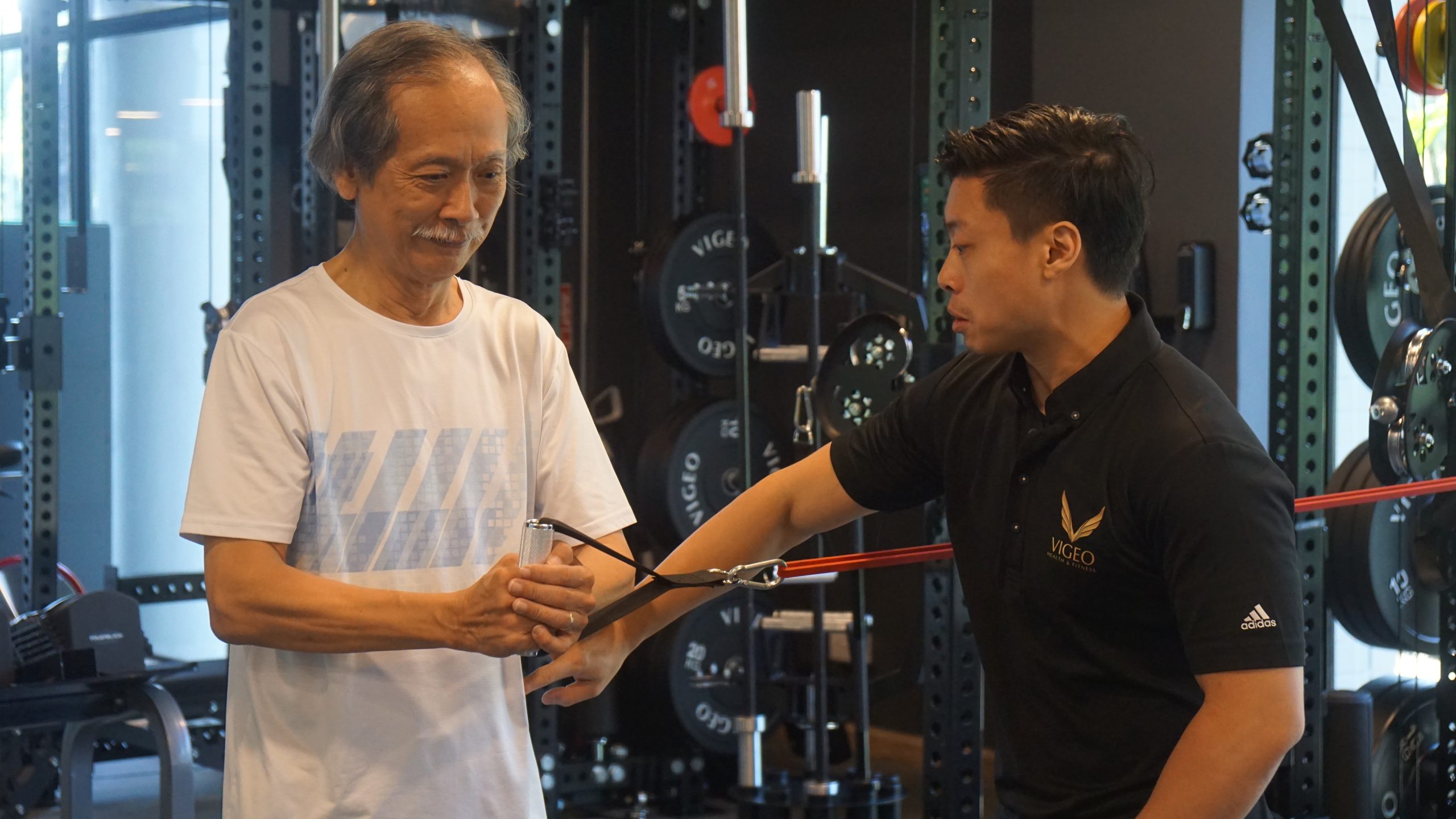
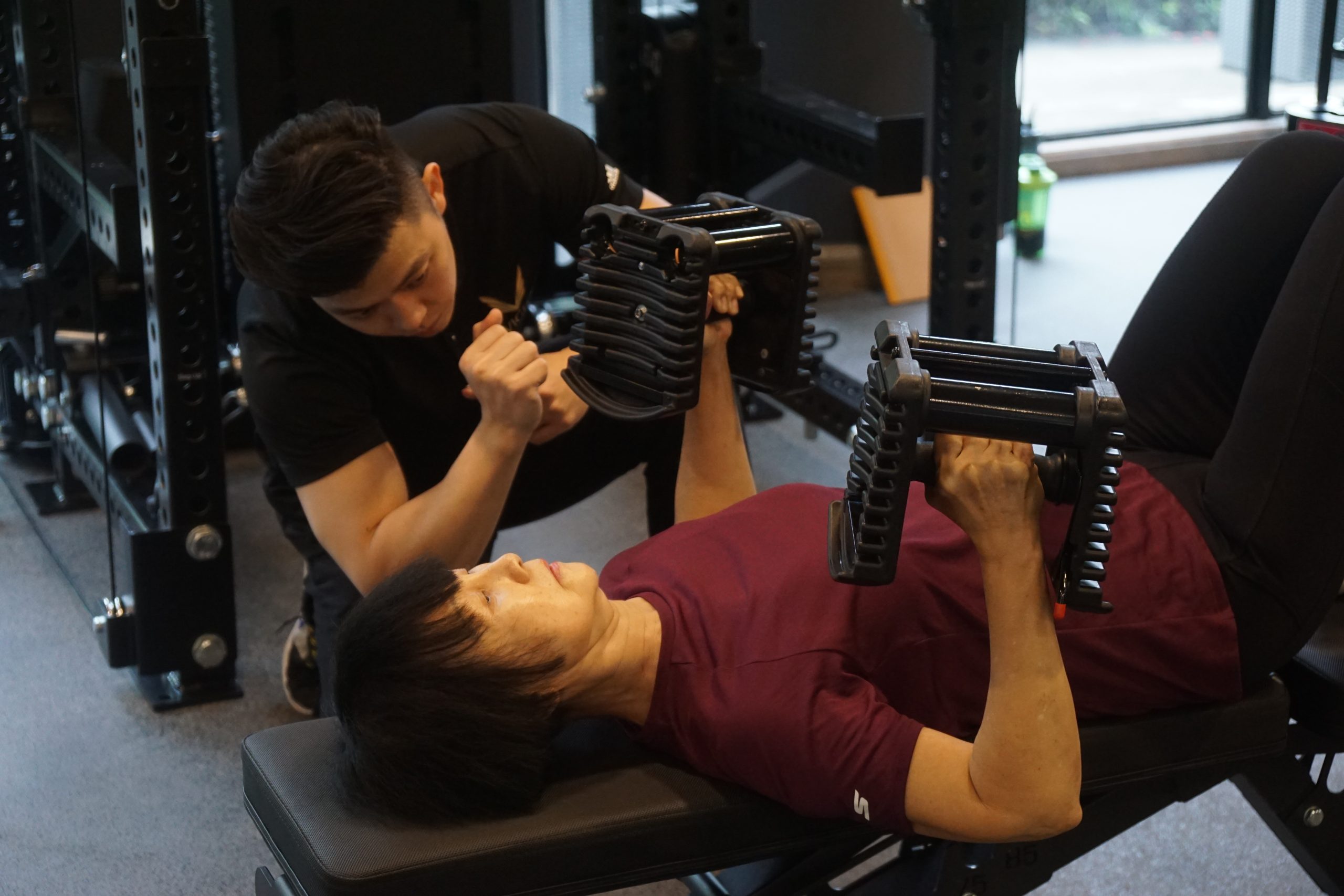
If there is one type of exercise people over 40 must embrace, it’s strength or resistance training. Lifting weights or using resistance bands, machines, and body weight are the most effective ways to counteract age-related muscle loss and boost your metabolism. As for how many sessions to do this, it’s recommended to aim for at least two to three dedicated strength training sessions each week.
Preserving and building muscle means staying capable for daily life and also boosting your resting calorie burn, which aids in managing your weight. What’s more, strength training is key to fortifying your bones. Since bone density can decline after 40, especially for post-menopausal women, lifting weights acts as a vital measure to keep them dense and strong, protecting against future fractures.
2. Incorporate cardiovascular exercise
While strength training is key for muscles and bones, cardiovascular exercise is equally important for maintaining overall health, especially after 40. Consistent aerobic activity supports a strong heart and lungs, improves circulation, helps regulate blood pressure, and aids in managing cholesterol and blood sugar. It also contributes to maintaining a healthy weight and boosting stamina for more energy throughout your day.
It’s recommended to commit to a minimum of 150-300 minutes of moderate-intensity physical activity each week. This can include activities you already enjoy, such as brisk walking, cycling, swimming, or jogging.
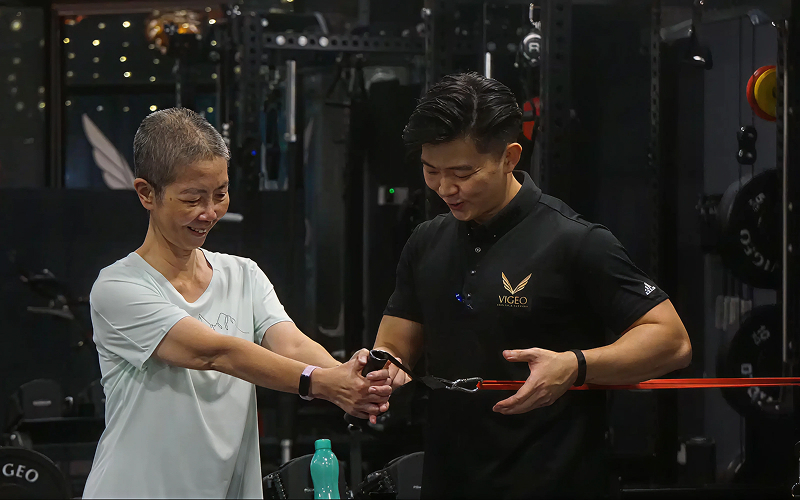
At Vigeo, we guide our clients to incorporate cardiovascular exercise that complements their strength work, fits their lifestyle, and protects their joints. Our goal is to help make routines that make cardio sustainable, joint-friendly, and effective for improving both fitness and long-term health.
3. Embrace functional movements
Functional strength is the key to independence as you age, so focus on exercises that directly improve your ability to perform day-to-day activities with ease and efficiency. With that, it’s recommended to go for exercises that target your core since a strong core protects your back during daily chores, and is vital for maintaining balance, promoting good posture, and ensuring stability.
Some workouts that focus on functional movements that you can incorporate into your routine are:
- Squats can also strengthen your legs for climbing stairs and picking things up.
- Rows and presses can help build your upper body for lifting groceries or kids.
4. Listen to your body and avoid overtraining
Always pay close attention to your body’s signals and avoid pushing yourself too hard. If you feel sharp pain, are excessively fatigued, or have difficulty sleeping, adjust your plan, scale back your intensity, and allow ample time for recovery.
To train better and safer, use the concept of auto-regulation or adapting your training intensity to how you feel or your performance. Some days you might have great energy and go harder; others, you scale back. And that’s perfectly fine. Consistency beats intensity when it comes to long-term success.
5. Make recovery a priority
A common mistake for those over 40 is training like their younger selves, and not accommodating their body’s need to recuperate. It’s important to note that rest and recovery are also important in your 40s, alongside your fitness goals and working out.
Rest, quality sleep, proper hydration, and nutrient-rich nutrition are all essential pillars of effective recovery. Ensure you’re getting sufficient sleep to allow your muscles to repair and your body to rejuvenate. Also, fuel your body with nutrient-dense foods, including proteins and healthy fats, and stay adequately hydrated to support muscle repair and energy production.
6. Incorporate flexibility and mobility workouts
Stretching is often overlooked but is crucial for keeping your body limber and pain-free. That’s why incorporating regular stretching exercises or engaging in mobility-focused routines can increase your flexibility and make everyday activities feel easier and more comfortable. The more mobile and flexible you remain, the more active and engaged you can continue to be as you enjoy the years ahead. Even dedicating just 5 to 10 minutes each day to focused stretching can yield significant improvements in your range of motion and overall comfort.
7. Be consistent
Consistency is truly the cornerstone of achieving long-term fitness results. As such, create a realistic and sustainable exercise schedule that fits into your lifestyle. Set yourself up to keep training week after week, year after year. The goal is not a 30-day transformation, but lifelong fitness.
So, start with small, manageable steps and gradually build up your activity levels. It’s far better to go a bit slower, incorporate rest, and remain injury-free, than to be a “weekend warrior” who goes all-out and ends up sidelined for months with a torn tendon.
But remember that each body is different. Understanding how long before your body adapts is important, but you can also generally expect little changes starting one week within your routine. For a more enjoyable and supportive workout experience, consider visiting personal training gyms. You’ll have the chance to connect with others who share your goals, making training more fun, keeping you motivated, and providing a sense of camaraderie.
Start today: Your future self will thank you

It’s clear that embracing fitness after 40 is an impactful investment in your long-term well-being. With the right approach, you can adapt, stay strong, and feel more in control of your health than ever before, even if your body changes with age.
The goal isn’t perfection, but it’s consistency. Over time, even the smallest steps create meaningful change. So wherever you’re starting from, know this: you’re not too late, you’re not too far behind, and you’re more capable than you think. The best version of you might just be the one you’re building now.
Don’t wait for the perfect moment or for tomorrow to arrive. At Vigeo, our personal trainers for weight loss and overall fitness are ready to guide you on what level of exercise is recommended for your age and how consistency can help build a healthier, stronger you. So here’s to starting strong, staying consistent, and defying the limits of age. The best is yet to come, and we’re here to help you every step of the way.
Take the first step today and speak to our trainers. Your future self will thank you for the investment you make in your health and well-being today.