

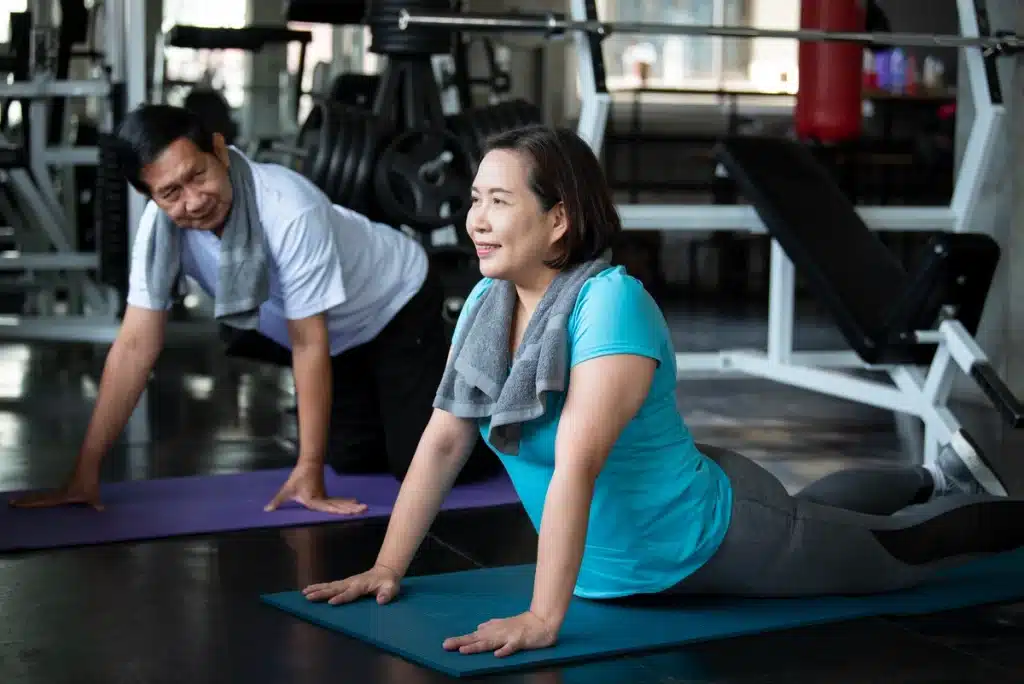
If you’re over 50 and starting to feel your joints, energy, or balance changing, you’re not alone. Many older adults want to stay active but aren’t sure how to train safely without getting hurt or overdoing it.
This is where the right personal trainer for seniors makes all the difference. A good coach doesn’t just prescribe workouts, they rebuild your confidence, strength, and independence. At Vigeo, we’ve seen how the right approach can help clients in their 50s, 60s, and beyond feel stronger and more capable than they have in years.
Why older adults benefit from professional guidance
Staying active is one of the most recommended ways to preserve health and independence. Yet many older adults hesitate because of old injuries, fear of falling, or not knowing what’s safe.
A qualified personal trainer for older adults bridges that gap. They understand the aging body, how to move it safely, strengthen it effectively, and support long-term vitality. More importantly, they teach you to trust your body again.
Physical benefits of exercise
Exercise done right changes everything, from how you move and feel to how you live.
- Improved strength and health: Exercise can help boost muscle strength, enhance tone, and increase flexibility, relieve arthritic pain, support sensible weight loss, and improve bone mineral density and heart health.
- Disease prevention: Regular physical activity supports a stronger immune system and is crucial for preventing chronic conditions such as diabetes, stroke, and certain cancers.
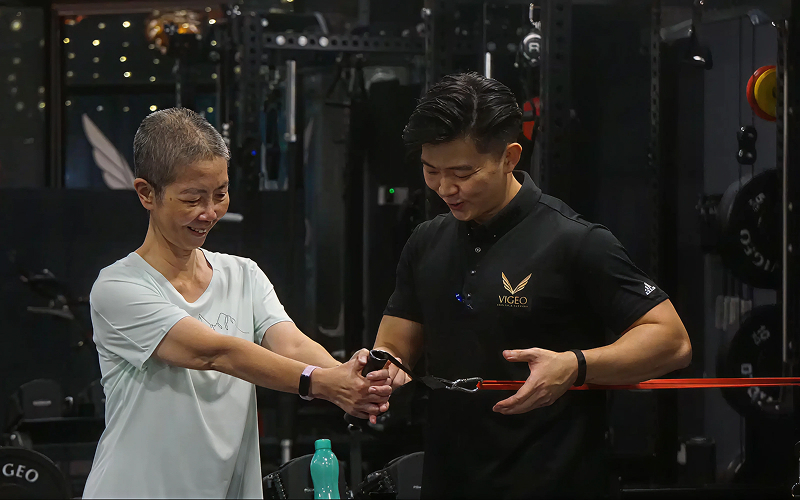
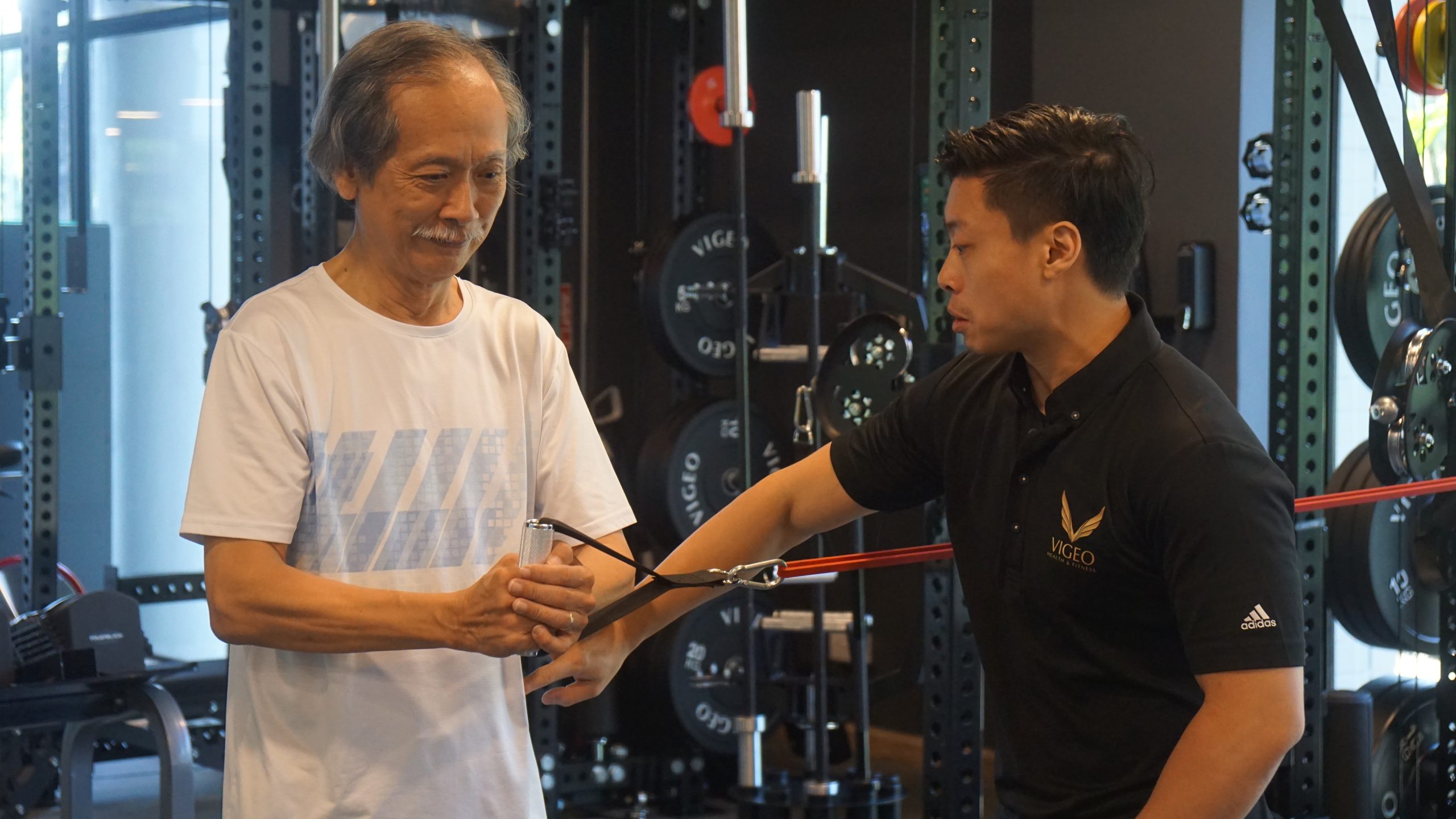
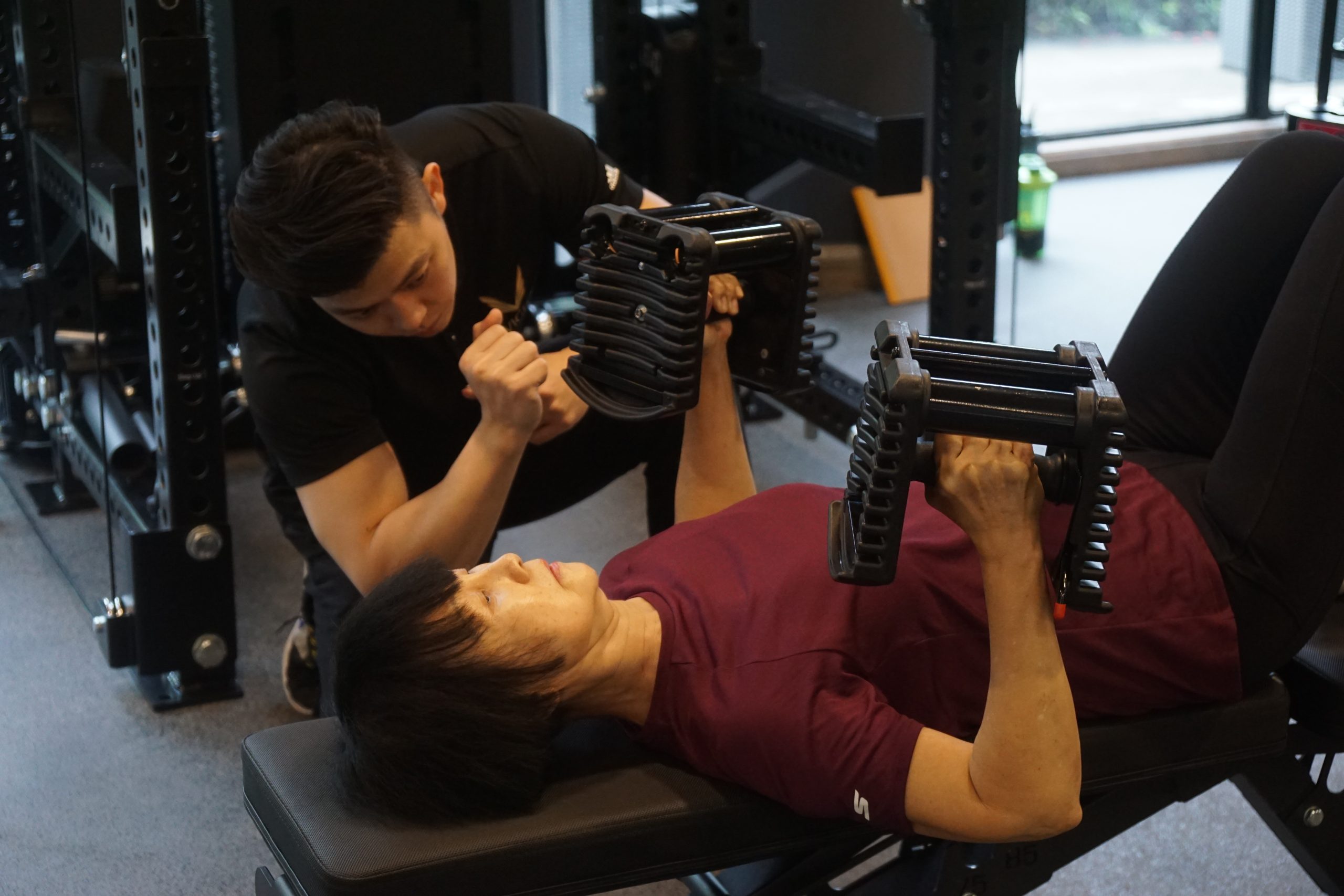
- Safety and form: A fitness trainer, such as one from Vigeo, provides immediate feedback on form and technique, which is essential for preventing injury. Our coaches can help you successfully work around old injuries and minimize the risk of new ones.
Enhancing daily function and independence
Fitness after 50 is not about performance, but about the freedom to walk confidently, carry groceries, or play with your grandchildren without fear.
- Protecting independence: Exercise reduces the risk of falls, which is a major threat to independent living, and helps maintain your capacity to handle daily life.
- Quality of life: It allows you to continue hobbies and activities you love, such as playing golf, gardening, or carrying your grandchildren. Moreover, exercise is proven to be a key factor in increasing your longevity and promoting active aging.
- Personalized planning: Vigeo’s personal trainers for seniors design programs with the appropriate exercises, weights, sets, and reps tailored specifically to meet your needs and goals. They ensure every minute you spend training is purposeful and productive.
Positive mental and emotional impact
The benefits of working with a coach extend far beyond the physical gains.
- Cognitive boost: Regular exercise can enhance cognitive function and mental stamina, keeping your memory sharp and boosting thinking skills, as mentioned in a Harvard Health publication.
- Emotional well-being: Exercise is a powerful tool for reducing anxiety and depression while also boosting your confidence and mood. It acts as a natural stress reliever, helping you approach every day with a more positive outlook.
- Accountability and motivation: Sticking to a plan is often the hardest part, which is why we’re here to help. Vigeo’s personal training instructors will hold you accountable and provide the consistent motivation you need to help make your fitness habits stick. More than just a workout, working together combats loneliness and fosters positive social engagement, making fitness a fun, reliable part of your life.
How a training program for older adults differs
When seeking a personal trainer for older adults, you need to find someone who recognizes the need for a fundamentally different approach compared to training a 20-year-old athlete or a 30-year-old individual. In other words, a great program must be tailored to account for natural age-related changes, such as slower metabolism, reduced muscle mass, shifting hormone levels, and decreased balance.
1. A focus on strength and form
Strength training is an even more critical component of a senior’s program than it is for a younger person’s. However, the intensity is handled differently, and we focus on building a resilient body rather than a fatigued one.
- Gradual progress: Your workout progressions must be deliberate and gradual. This patient approach ensures your body adapts safely and your gains are locked in for the long term.
- Proper form: We provide undivided attention to form and technique in every single repetition. This meticulous strategy is your best defense against injury, ensuring that every movement is productive and your gains are sustainable.
2. Modifying for flexibility
Flexibility and range of motion naturally decrease as we age, but that doesn’t mean you should ignore or live with it.
A qualified trainer for older adults from Vigeo understands this reality completely. We will always make necessary adjustments to ensure your exercises are performed in a safe range of motion, never pushing your joints past their comfortable limits. Our goal is to gently improve your mobility over time, allowing you to reach higher and move with greater ease, all while keeping your joints protected.
3. Enhancing balance and stability
Falls are a major concern for seniors, and we know that maintaining confidence on your feet is crucial for independence. That’s why a dedicated personal trainer for seniors must include exercises that specifically improve your balance and coordination in the program. And these workouts could include one-leg stands, heel-to-toe walks, step-ups, and single-leg T-stances, tailored to your limitations and current abilities.
4. A focus on functional movement
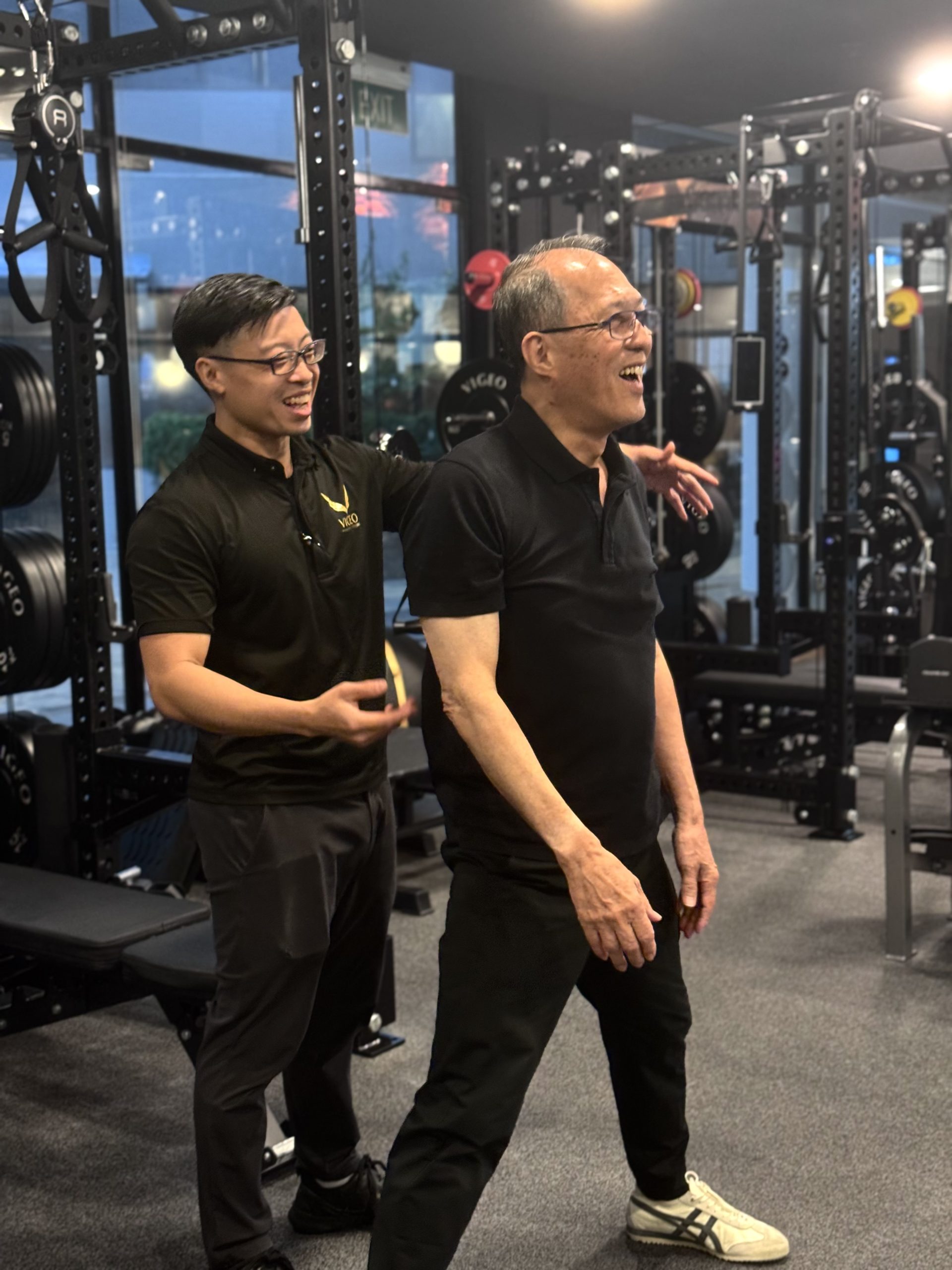
Functional movement should be a priority because it’s training that can directly enhance your daily life and promote true independence. This involves exercises that mimic real-life tasks, such as squatting to sit down and stand up, lifting groceries off the floor, and twisting safely to look behind you and to the side while walking or crossing the road.
Furthermore, this type of training ensures that the strength and mobility you build isn’t just for looking good in the gym, but is immediately and powerfully useful in your day-to-day life. It means maintaining the confidence to navigate the world on your own terms.
At Vigeo, we prioritize exercises that directly improve how you live, such as squatting to stand up, lifting groceries, reaching overhead, or walking with better posture.
A step-by-step guide on how to find the best personal trainer for you
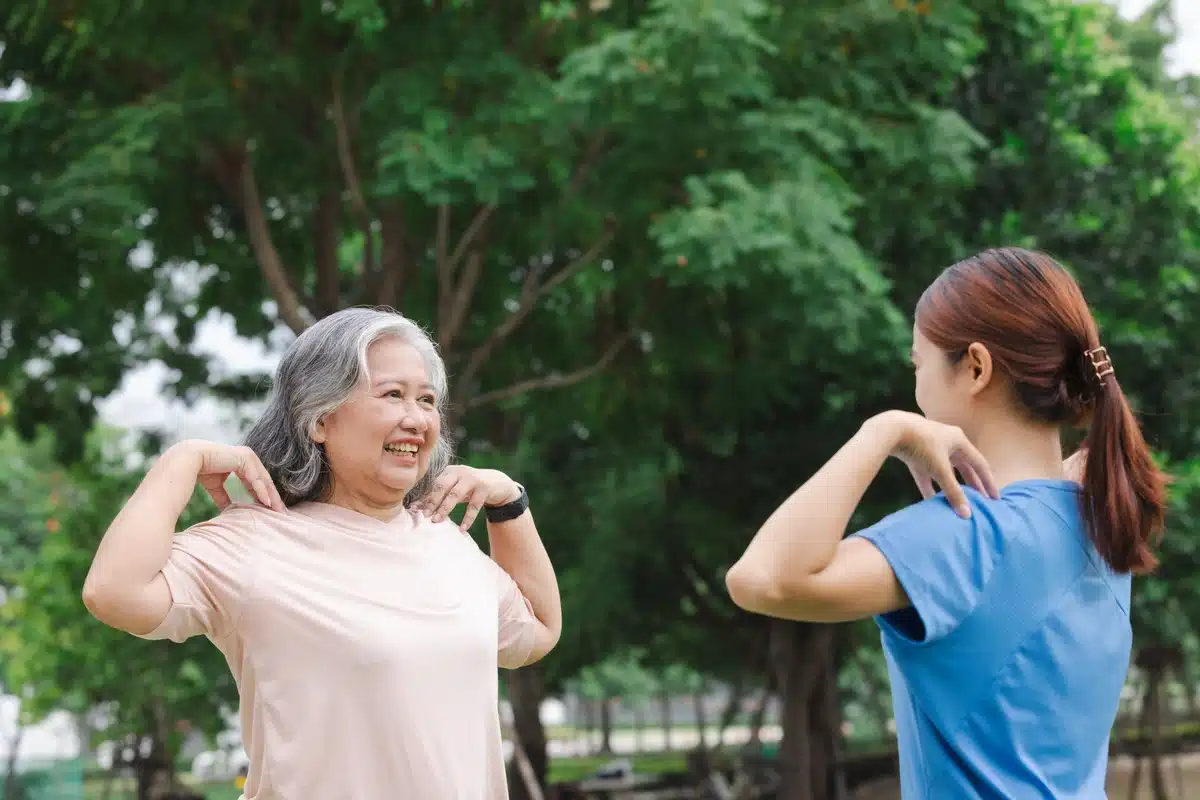
Choosing a personal trainer should involve careful research. After all, you are looking for a partner in your long-term health, so you need to evaluate how they do training and their background, specifically their credentials, experience, and philosophy.
Step 1: Checking basic qualifications
A qualified personal trainer for older adults should have certifications that demonstrate both technical knowledge and understanding of age-related needs.
The fundamental requirement for any coach is to hold an NCCA-accredited certification, such as:
- ACE,
- NASM,
- ACSM
- NSCA
- ISSA
These are the gold standard for fitness credentials, as they ensure your trainer has a good basic foundation of knowledge. It will be a bonus if they hold a degree in sports science or a specialist certification, like ACE Senior Fitness Specialist, NASM Senior Fitness Specialist, or ACSM Certified Exercise Physiologist.
But certification alone is not enough. Ask about their real-world experience, especially with older adults. A qualified physical trainer for seniors knows how to apply knowledge practically, adapting exercises to your needs, not just following a template.
Step 2: Evaluating expertise and experience
Look for fitness instructors with hands-on experience working specifically with older adults. They should have a deep, practical understanding of how aging affects your body, including joint movement, recovery time, and how your strength adapts. This specialized knowledge keeps you safe and ensures you see results.
It’s also important that your trainer understands your specific medical conditions. This ensures that they will be able to design exercises that strengthen the muscles around injured areas without ever aggravating them further, focusing on gradually restoring function.
Lastly, if a trainer offers you a one-size-fits-all program, you need to walk away. Effective private personal training requires a truly customized assessment and plan built just for you. Your program should reflect your unique goals, limitations, and life.
Step 3: Observe their approach
A good trainer for older adults will demonstrate a specific, safety-first methodology:
- Assess before prescribing: A session should begin with a simple movement screen to understand your body’s mechanics, not with a generic warm-up.
- Prioritize movement quality over intensity: The goal is to move well and build a solid foundation, not just to sweat or lift heavy.
- Focus on functional fitness: The program should clearly connect to real-world needs, such as building strength, improving balance, enhancing flexibility, and correcting posture.
- Provide clear instructions: A good coach explains the “why” behind an exercise with patience and encouragement.
Step 4: Look for communication and care
The relationship you have with your trainer is a strong predictor of your success. The best personal trainers for older adults will:
- Listen actively: They should check in regularly about any pain, your energy levels, and how you are functioning in your daily life.
- Coach with empathy and respect: The focus should be on positive reinforcement, not on pushing you past your comfort zone harshly.
- Aim to build autonomy: An experienced trainer wants to teach you how to move safely and trust your body, not create a long-term dependency on their instruction.
- Foster a supportive atmosphere: If you or your loved one feels seen, safe, and heard, that is a positive sign.
Step 5: Verify the environment
The physical space has a significant impact on your comfort and consistency. Make sure the training environment is:
- Clean, well-organized, and non-intimidating: You should feel comfortable the moment you walk in, not overwhelmed by loud music or crowds.
- Equipped with appropriate tools: The facility should have well-maintained equipment suitable for all levels, including resistance bands, light weights, and safe, accessible machines.
- Staffed by attentive professionals: The trainers on the floor should be focused on their clients and creating an encouraging atmosphere, not on their phones.
- Small group sizes: If you opt for semi-private training, a small ratio (such as 1-4 people) provides a good balance of personal attention and social motivation.
Step 6: Understanding their nutrition philosophy
A great trainer knows that fitness doesn’t end when you leave the gym. They view nutrition as part of the whole picture, not a quick fix. They should focus on simple, sustainable habits such as hydration, protein intake, and balanced meals instead of restrictive diets or supplement pushes. They should also be able to provide clear, habit-based nutrition coaching so that you can incorporate this into your daily life.
However, be cautious of anyone who creates strict, prescriptive meal plans or pressures you to buy supplements. That’s outside their legal scope and is a clear red flag that their focus is on quick sales rather than your sustainable, long-term health. The bottom line is to look for a coach who teaches you how to eat well and supports your progress outside the gym.
A smarter, more supportive approach to fitness
At Vigeo Personal Training, we believe that aging should be empowering, not limiting.
Our fitness trainers specialize in working with adults and seniors who want to regain strength, prevent injuries, and enjoy the life they’ve worked hard to build.
We continually update our methods with the latest knowledge to provide you with the most effective training possible. This commitment to science is exactly what we stand for at Vigeo. We ensure your routine is built on facts, not trends, giving you maximum results with minimal risk. Most importantly, we coach with care and encouragement, which is essential to help you feel supported every step of the way.
If you’re ready to move better, feel stronger, and live with confidence again in a personal training gym that offers a supportive community to help you achieve your goals? Contact Vigeo today to schedule your consultation.
Because fitness isn’t just about adding years to your life, it’s about adding life to your years.