

Have you ever started a new fitness routine with high hopes, only to find yourself losing momentum after a few weeks? The journey to a healthier lifestyle is often filled with stops and starts, not because of a lack of motivation, but because of a misunderstanding of how our brains work.
The secret to long-term success is not all about willpower, but also about building a sustainable routine. When you know how to make healthy habits stick, exercise becomes less of a chore and more of a lifestyle you can maintain for years to come.
Understanding what habits are
A habit is a behavior or ritual you do on autopilot. It’s a routine you repeat regularly that it becomes almost second nature. They are built through repetition, and with enough repetition, they become automatic. The brain creates these shortcuts to be more efficient, and you can leverage this same process to create new, positive behaviors.
The importance of habit-building for your goals
Goals can feel big and overwhelming, while habits are the stepping stones that make those goals achievable. If your goal is to “exercise more,” that can feel too big to tackle all at once. But if you focus on the small habit of “working out for 15 minutes a day,” you can build on that success over time.
Besides being used for exercise, habits can also be formed for various aspects of life that support your overall well-being, such as managing stress by creating a good habit of making to-do lists or getting enough sleep by establishing a consistent bedtime and wake-up time.
The science behind habit formation
To make healthy habits that stick, you need to know the science behind the process in doing so. It’s based on the habit loop, which, according to Stanford University, is a three-part process your brain follows every time a new habit is formed.
Cue: The trigger
The cue is the trigger or reminder that starts the habit. This can be anything from a specific time of day, a location, a particular event, a state of mind, a smell, or even a person. For example, the cue for your morning workout might be the sound of your alarm, or you go straight to the sink and wash your hands after flushing the toilet.
Routine: The behavior
The routine is the habit or repeated behavior itself. To use the example above, if your cue is the morning alarm, the routine is the act of getting out of bed and putting on your workout clothes. It’s the action you perform in response to the cue. The routine is the core action that, over time, your brain will start to automate, making it easier to do without conscious thought.
Reward: The positive outcome
The reward is the positive outcome or feeling you get from the habit. This could be a feeling of accomplishment, an energy boost, or a special treat. The brain learns to associate the cue and the routine with the reward, which makes you want to repeat the behavior in the future. This will also make those actions easier to repeat, eventually making it automatic.
A step-by-step guide on how to make good habits & stick with them
Making good habits stick doesn’t have to be complicated. The secret to it is working with your brain’s natural tendencies, not against them.
Step 1: Find your trigger
Pick a simple, repeatable cue. Waking up, finishing work, or brushing your teeth can all act as triggers. To make it stronger, adjust your environment. For example, placing your workout clothes by the bed so you see them first thing in the morning can create a strong visual cue. This simple act removes obstacles and makes it easier to follow through with the routine, ensuring you’re ready to get started without a second thought.
Step 2: Begin with a manageable action
The key here is to start with a small, achievable habit instead of an ambitious goal. If your goal is to do 50 squats a day, don’t start there. Instead, begin with just one wall squat.
The goal is to make the action so easy to start that it’s nearly impossible to say no. By repeating this small action for a period of time, like a month, you help the behavior become automatic. Once it’s a habit, you can progressively increase the difficulty.
Step 3: Reward your efforts
A reward is crucial for reinforcing new habits because it provides the “why” behind the routine. Without a reward, your brain won’t see the value in repeating the behavior.
The reward doesn’t have to be big; it just needs to be something that feels good and enjoyable to you. For instance, a relaxing shower, sleeping in on the weekend, or spending time with a friend can all serve as a positive reinforcement for your effort. This helps you create a positive association with your new habit, which makes you want to repeat the behavior.
Step 4: Prioritize consistency over perfection
When building a new habit, consistency matters more than a perfect streak.
Choose a time to practice the new habit when you’re not busy and stick to it for at least a month. If you miss a day, don’t give up. Instead, forgive yourself for the slip-up and focus on getting back on track the very next day.
Step 5: Troubleshoot and adapt
Building a new habit isn’t always a straight line. If you miss a day or two, take a moment to figure out why and then adapt your plan. Perhaps you need to adjust your cue, routine, or even your reward. Don’t be afraid to experiment with different times or activities until you find a routine that works best for you and your lifestyle.
How to reboot your fitness routine and make it stick
Many people face mental barriers to exercise, and a flexible mindset is key to overcoming them. And one of the most common issues we encounter with our clients at Vigeo is the “all-or-nothing” attitude. This mindset tells you, for example, that if you can’t do a full 60-minute workout, there’s no point in doing anything at all. The truth is, a little exercise is always better than none. In fact, a 10-minute walk is better than nothing, as it helps you stick to the habit for the long term.
To help you overcome these mental barriers, here are seven mindset changes you should make that outline how to approach your fitness journey with a more flexible perspective.
1. Start small
Instead of jumping back into long or intense sessions, begin with short, manageable workouts. Even 10–20 minutes counts. The key is to reestablish consistency, not to impress yourself with how much you can do in one go.
2. Adjust expectations
Set goals that match your lifestyle, and not someone else’s. If you only have 20 minutes three times a week, that’s enough to create progress. Be flexible and give yourself permission to adapt rather than quit when life gets busy.
3. Redefine success
Success doesn’t always mean big physical changes right away. Notice and celebrate the early wins, such as getting better sleep, seeing an improved mood, experiencing less stiffness, or simply showing up. These “non-scale victories” are powerful motivators that reinforce your habit.
4. Create new habits with old ones
Pair your workout with a daily habit you already do, as anchoring habits makes it harder to skip them. For example, stretch right after brushing your teeth, walk after dinner, or do squats while waiting for the kettle to boil.
5. Find accountability
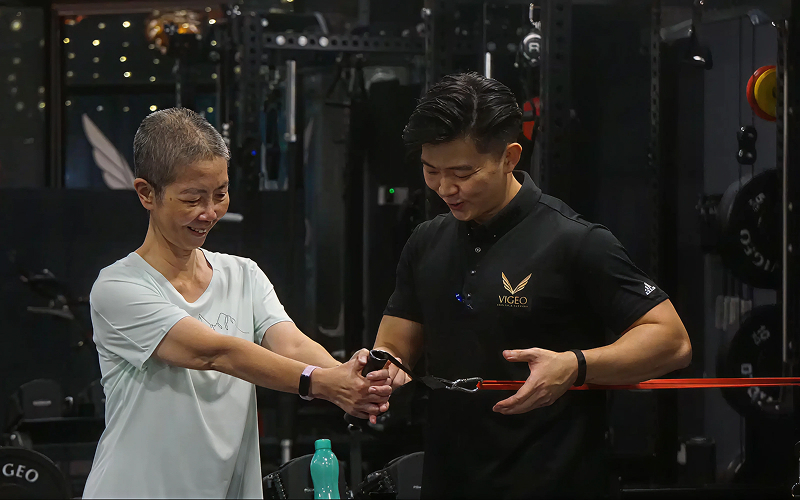
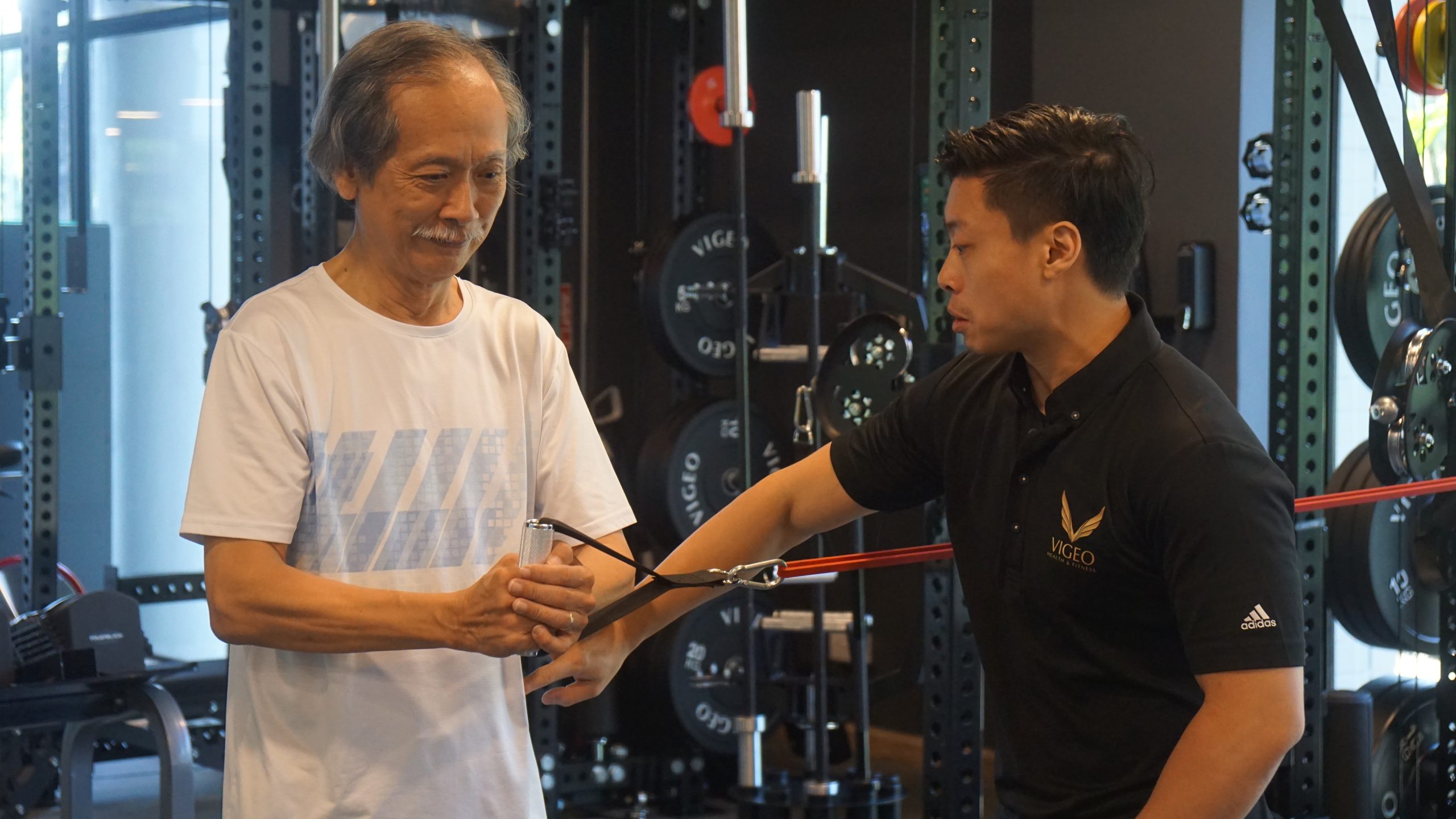
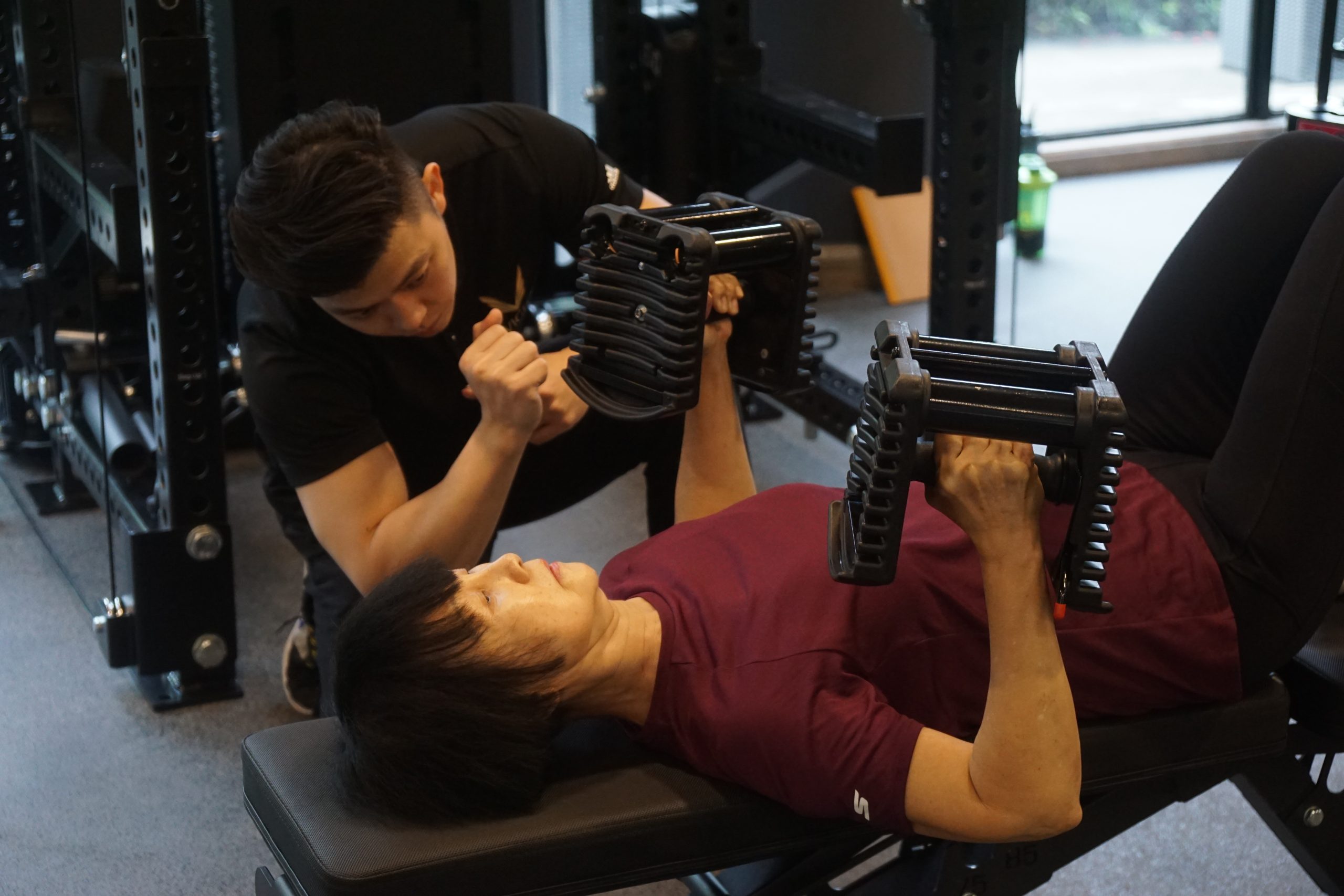
Having someone to check in with can make all the difference. Train with a friend, join a group class, or work with a fitness trainer who can provide structure, encouragement, and accountability.
6. Focus on balance, not extremes
Don’t chase intensity every session. Balance strength training with aerobic exercise, mobility work, and rest. This approach prevents burnout and keeps your body improving steadily.
7. Be kind to yourself
Missing a day or two doesn’t mean failure because what matters is how quickly you get back to your routine. When you do miss days, forgive yourself for slip-ups and refocus on the next opportunity to move.
It’s also important to have realistic expectations about progress. While you may notice positive changes in your mood and energy quickly, physical results, such as losing weight or a change in body shape, will take time and consistency. An experienced personal trainer for weight loss, such as those from Vigeo, understands how to make your fitness routine enjoyable and consistent. They will guide you through the process with encouragement and accountability, providing suggestions to reinforce your habit-building.
At Vigeo, we also remind our clients that fitness is not about perfection but about building consistency. Through our personal training service, our trainers guide you through this process with encouragement and accountability, helping you create routines that fit your life and last for years.
Building lifelong habits that last

Vigeo’s personal training gym is designed to provide the ideal environment for you to build healthy habits. Whether you need a personal trainer to work with you based on your schedule, or prefer the energy of training with like-minded people in a small group session, you’ll always have the support and encouragement to keep going and stay consistent.
It’s time to build a fitness routine that lasts. Reach out today to schedule your personal training consultation and learn how to actually stick to a workout routine.