

For many older adults, a growing concern is the increased risk of falling, which can result in serious injuries and a loss of independence. But it doesn’t have to be this way.
Multicomponent training is a powerful tool to help you maintain your confidence, stability, and independence. Aside from building muscle, it also helps you build a foundation for a vibrant, energetic future, free from the constant worry of a fall and the injuries it may cause.
Understanding the key elements of fall prevention
While many factors play a role in helping protect yourself from falls, exercise interventions are an indispensable component, particularly for individuals at risk of osteoporotic fractures.
Over the years, research such as those based on the Korea National Health and Nutrition Examination Survey has consistently established a relationship between muscle mass and bone mineral density (BMD), meaning that as your muscles get stronger, your bones do, too. However, not all exercises are created equal. Different exercise modalities have unique effects on your bone health and your overall fall risk.
Resistance and impact exercises
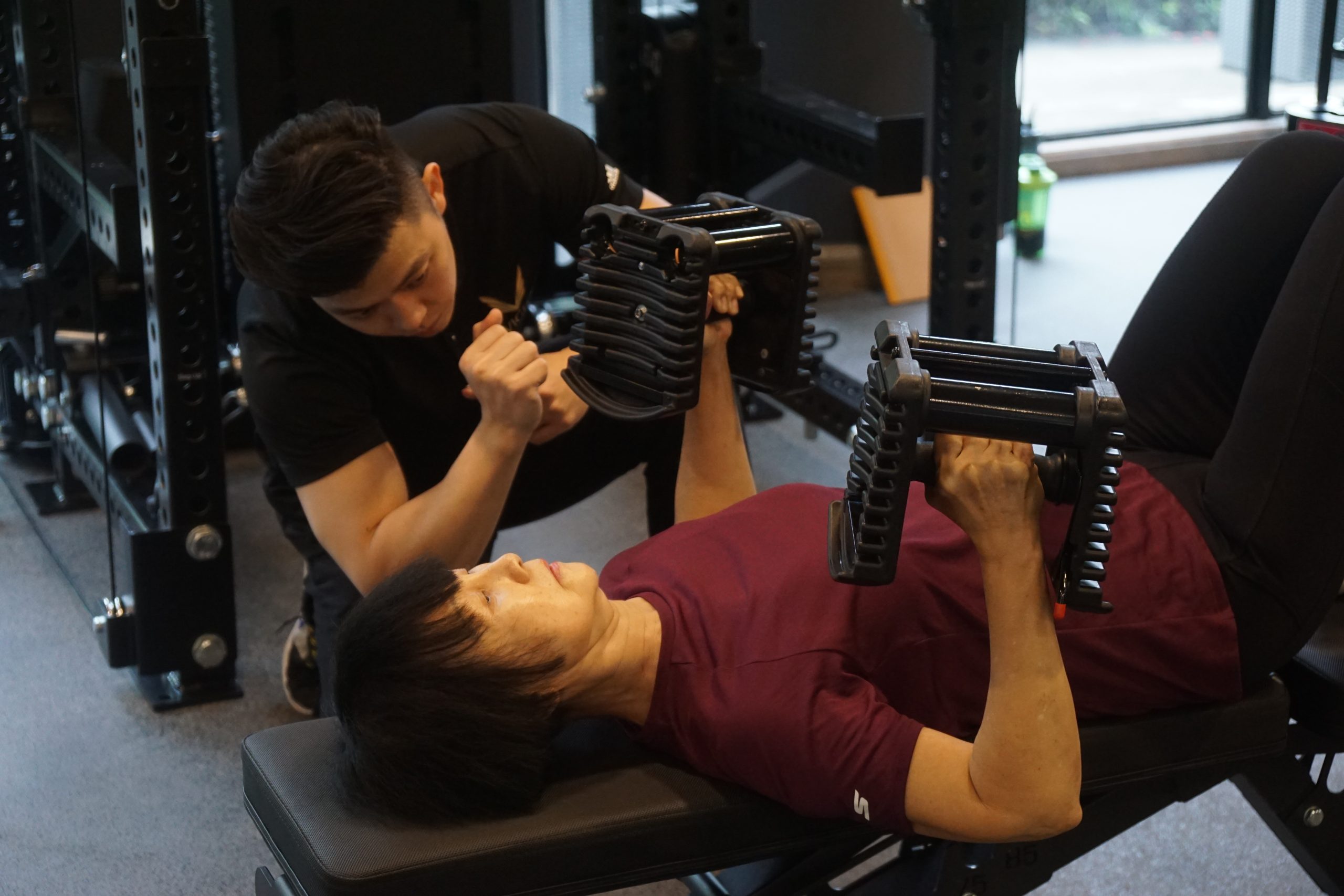
When you engage in strength training, the increased load on your bones has a direct, positive effect. This process, called osteogenesis, stimulates new bone formation, making your bones stronger. By applying more force to your muscles and bones, you encourage them to become more resilient, which is how strength training helps prevent injuries.
Alongside resistance training, impact exercises, also known as weight-bearing exercises, are huge contributors. These are any physical activities that involve standing on your feet and applying additional force or controlled impact to your bones, such as walking, running, and playing sports. The beauty of these exercises is that they put healthy stress on your bones, stimulating them to become denser and more resilient.
For better results, combining high-intensity resistance training with impact training yields optimal results for increasing BMD and improving physical function. This duo works together to build a robust skeletal and muscular system.
Balance training
While strength is vital for support, balance training interventions also show a positive effect in reducing fall risk. Given that balance control begins to decline between the ages of 40 and 50, incorporating balance training is a key part of staying active and confident as you age.
Balance training works by strengthening the specific muscle groups that keep you upright, primarily your leg and core muscles. For older adults, in particular, balance exercises are essential for building resilience against falls and other common hazards. It can also help them move safely and maintain their independence.
Examples of easy-to-follow balance exercises include sideways walking, heel-to-toe walking, and one-leg stands. You can do these even if you haven’t exercised in a long time. For a more holistic approach, activities like Tai Chi and yoga are also excellent for improving balance.
Multidirectional functional movements
Most slips or stumbles happen when changing direction, pivoting, or reacting to something unexpected. For this reason, training the body in multiple directions, specifically forward, backwards, sideways, and rotationally, better equips you for these real-world scenarios.
Functional movements such as side lunges, rotational chops, diagonal reaches, or step-over drills mimic everyday patterns like turning to grab an item, sidestepping an obstacle, or pivoting with groceries in hand. These exercises help strengthen joints, improve coordination, and train your nervous system to respond quickly to sudden changes in position.
And by combining linear strength work with multidirectional training, you create a well-rounded foundation that enhances both resilience and reactivity, lowering your risk of falls in daily life.
Multicomponent plan is the best program
That’s why having a multicomponent plan can be the most effective strategy for helping older adults improve their stability and prevent falls. This strategy combines balance training, functional exercises (movements that mimic daily activities), and resistance training. When you put all these pieces together, you’re working out, and at the same time, actively preparing your body for the movements of daily life.
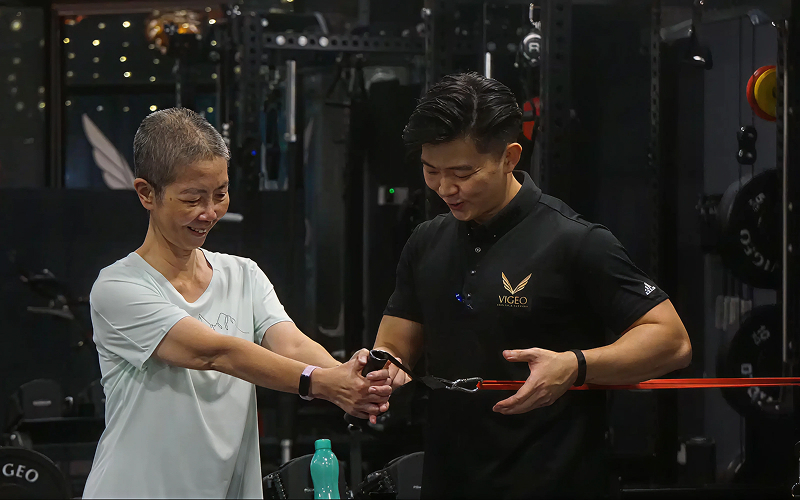
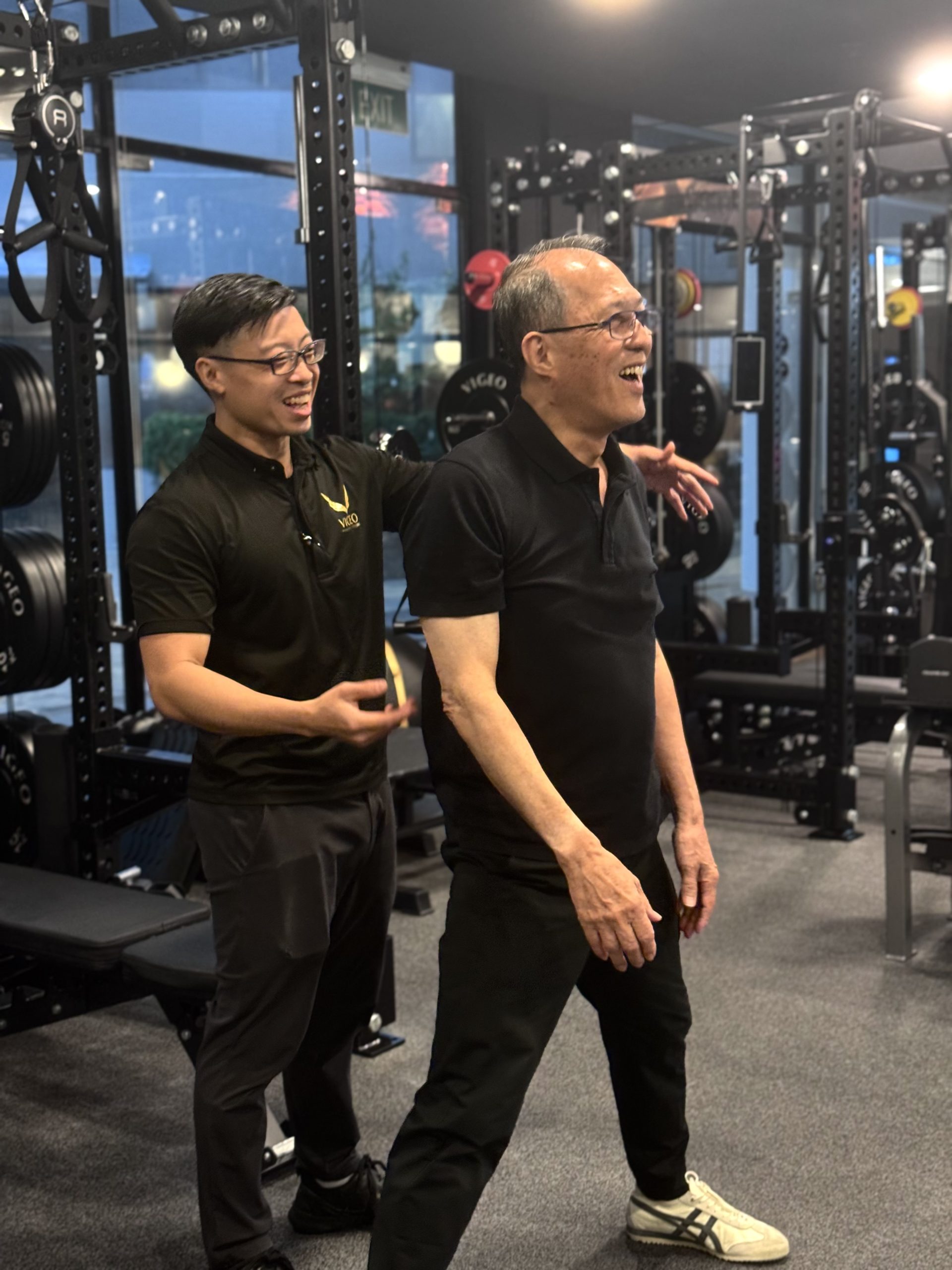
At Vigeo, our personal trainers for seniors are experts in creating a plan that’s safe and effective based on your body limitations and current abilities, whether through one-on-one personal training or our small-group training sessions. These sessions offer the benefits of having an accountability partner in the form of a personal trainer for those over 60, along with the motivation that comes from training with like-minded people in your age group.
How does multicomponent training prevent falls? A four-pronged approach
For those wondering how multicomponent training with balance and strength exercises helps in preventing falls and injuries for the elderly, the answer is that it works on multiple fronts. Rather than offering a single solution, it’s a comprehensive approach designed to build the body’s resilience from the inside out.
1. Sharpen body awareness (proprioception)
One of the first things to decline with age is proprioception, which is your body’s ability to sense its position, movement, and actions.
Without proprioception, you would need to think about every move you make consciously. It’s what allows you to walk without having to think about where to place your foot next. This is the sense that lets you touch your elbow with your eyes closed. It’s what allows you to walk down a set of stairs without looking at your feet or maintain your balance on an uneven surface.
Training that combines strength with balance drills, especially multidirectional functional movements such as single-leg stands, step-ups, or heel-to-toe walks, helps sharpen your proprioception by challenging the nervous system to coordinate muscle activity more effectively. As a result, this improved communication between body and brain allows you to detect and correct missteps before they turn into falls.
2. Build strength and stability
Muscle weakness, especially around the core and lower body, is one of the top predictors of falls. As such, a strong core and stable legs act as a foundation for every movement, from standing up to climbing stairs.
Resistance exercises like squats, bridges, loaded carries, or planks not only strengthen muscles but also teach the body to stabilize under load. With stronger legs and a more stable trunk, everyday tasks feel easier and safer, and help you move confidently without the fear of falling.
3. Protect bones with resistance and impact
Falls are dangerous not only because of the fall itself but also because of the risk of fractures. And this risk is higher in people with osteoporosis, a condition common among older adults that weakens bones and makes them brittle. A fall for someone with osteoporosis can lead to a severe fracture, which can be life-changing.
The spine, hip, and wrist are the most common fractures that people with osteoporosis experience. These fractures can have serious consequences, leading to back pain, poor posture, and even impairing your ability to walk and live independently.
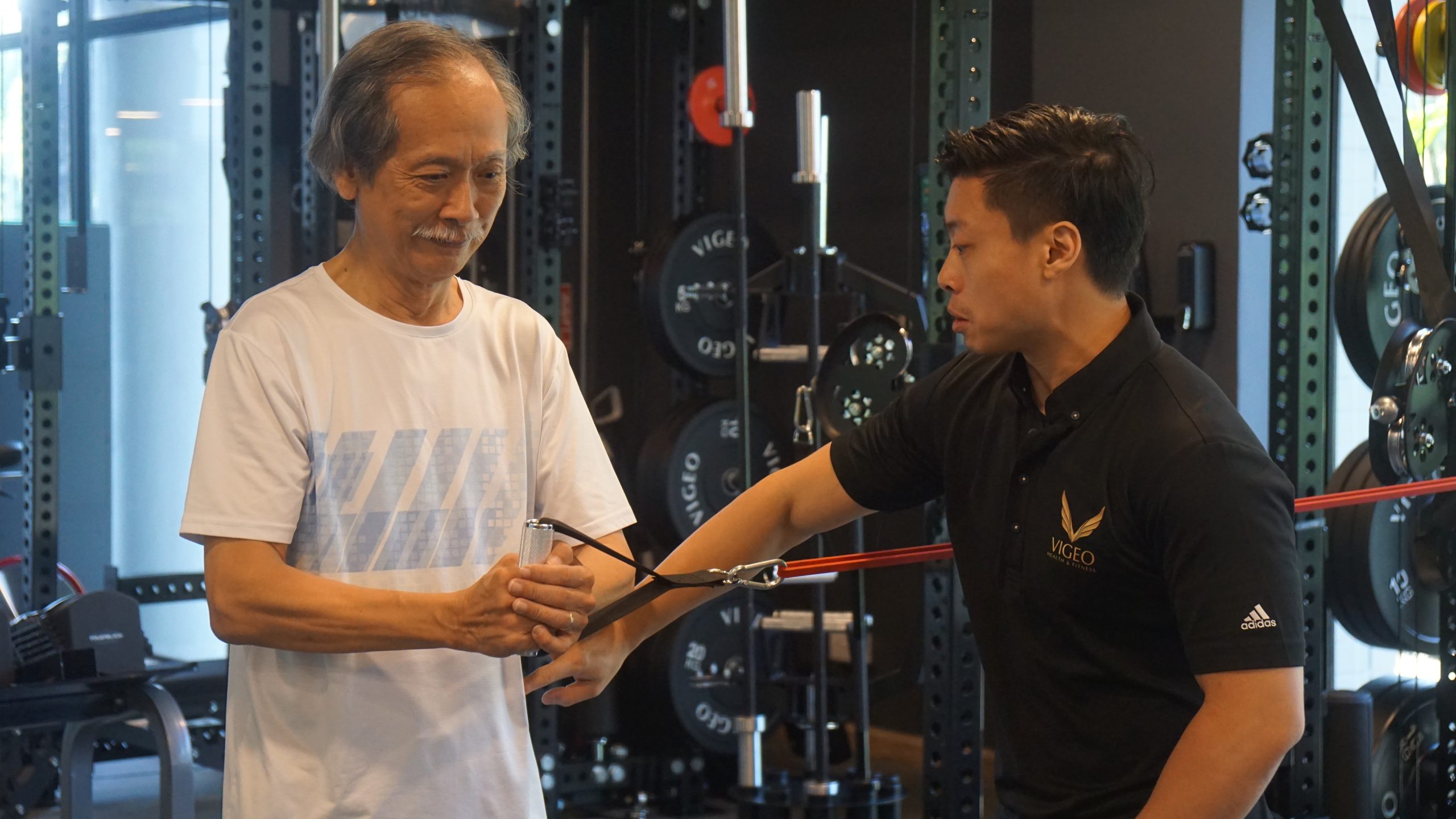
Multicomponent training includes progressive, weight-bearing resistance work and impact exercises. These include lifting weights, using resistance bands, performing step-ups with added load, and activities like brisk walking or light jumping. Together, these reinforce bone density, making bones more resilient if a fall does happen.
4. Increase flexibility and joint mobility

With age, our muscles and connective tissues can lose their pliability. This lack of flexibility can hinder daily activities and increase our vulnerability to falls, as stiff movements can lead to stumbles.
Besides lifting weights, a well-rounded strength training program performed with a full range of motion doubles as mobility work. For instance, lunges, overhead reaches, and controlled stretches improve joint health while keeping muscles strong. This combination of strength plus flexibility allows smoother, more adaptable movements, so you can handle life’s twists and turns with confidence.
The necessity of a consistent routine
The benefits of a combined exercise program for reducing fall risk are significant, but they don’t last long once you stop training. This highlights why exercise must become a regular part of your daily life. In other words, it’s not a temporary fix, but a long-term, sustainable commitment to your health and independence.
Studies have shown that an exercise program to improve balance and strength integrated into everyday life can reduce the fall rate by 30% to 50% in people at risk of falling. Therefore, by incorporating strength training into your routine, you are investing in a future where you can live with confidence, move with freedom, and enjoy a higher quality of life.
At Vigeo, we are here to help you achieve your health goals. Our certified fitness trainers can guide you through a consistent routine, while our personal trainers for those aged 50 and above create a tailored plan that is suited to your body’s specific needs.
Ready to take the first step towards a healthier, more confident you? Contact us today to schedule a consultation with our personal trainer for seniors.