

As you reach your 50s and beyond, you start focusing more on health that lasts, supports your independence, and keeps you doing the things you love. And one of the most critical, yet often overlooked, foundations of this long-term health is your bone density.
Your bones need to be strong, too, and this can be achieved through the right kind of exercise that helps increase bone density.
Why bone health becomes more important with age
Bones are living tissue that constantly break down and renew themselves, and even become stronger when you put them to work.
However, the breakdown starts happening faster than new bone is formed after reaching the age of 30. This means that staying active and exercising is no longer optional, but essential to maintaining strong bones and muscles, which in turn make them less likely to break. Without this proactive effort, you risk developing osteoporosis. This condition makes your bones weaker, thinner, and less dense, which, in turn, can increase your risk of fractures from even a minor bump or a simple fall.
Unfortunately, osteoporosis is often called a silent disease because it typically has no early signs. It is often only identified after a bone has fractured more easily than before, such as after a minor fall or bump.
Factors contributing to a decline in bone mass
Even though bone loss inevitably happens when you age, several factors combine to speed up the process of decline.
- Age: As you get older, the process of new bone growth naturally slows down.
- Gender: Women are generally more prone to osteoporosis than men. This is because they have smaller, thinner bones than men, and due to the decrease in estrogen, a hormone that helps promote bone growth, after menopause.
- Body weight: Being underweight, along with restricting food intake, increases your risk of bone loss, as it can weaken the bones. Similarly, individuals with small body frames may have a higher risk, as they naturally have less bone mass to draw upon as they grow older.
- Family history: A predisposition to osteoporosis can be hereditary.
- Diet: A diet lacking sufficient protein, vitamin D, and calcium will inevitably lead to rapid bone loss.
- Physical inactivity: A sedentary lifestyle is strongly associated with decreased density, contributing to a higher risk of bone loss.
- Smoking and alcohol: Smoking negatively affects bone health, and long-term alcohol consumption can actively decrease bone mass.
- Medical conditions and medications: Certain health conditions, such as hyperparathyroidism, Cushing’s syndrome, and rheumatoid arthritis, can lead to low bone mass. Meanwhile, the long-term use of certain medications (such as steroids) can interfere with your body’s ability to absorb calcium, which may lead to bone damage.
Holistic strategies for better bone health
Protecting your bones requires a holistic strategy. That means you need a balanced approach that combines proper nutrition, regular exercise, and better lifestyle choices.
- Regular exercise: Studies consistently show that physical activity, specifically weight-bearing and resistance exercises, helps stimulate new bone formation and is key to building strong bones. Weight-bearing exercises are simply any activities you do on your feet that support your body weight, such as brisk walking, dancing, or climbing stairs. On the other hand, resistance exercises work your muscles against some form of resistance, such as using equipment like free weights or weight machines, or your own body weight.
- Dietary choices: You must consistently consume enough calcium, protein, and vitamin D to support bone health, which you can get from low-fat dairy products, soy products, and salmon, respectively. For calcium, most adults between 18 and 50 need 1,000 milligrams daily, while women over 50 and men over 70 need 1,200 milligrams every day. Similarly, most people require at least 600 International Units (IU) of Vitamin D daily, increasing to 800 IU after the age of 70. Moreover, eating a variety of colorful vegetables, such as spinach, kale, and legumes, also provides the necessary micronutrients that support bone structure, including iron and phosphorus.
- Quit smoking and limit alcohol: Giving up smoking and limiting alcohol intake is a non-negotiable step toward preventing bone loss. For those drinking alcohol, it’s best to keep it to two drinks a day or less. Meanwhile, if you are a smoker, make the decision to quit today and seek out resources to help you remove the habit once and for all for your bone health.
What is the best exercise to increase bone density?
The best exercise to help increase bone density is not a single activity but a combination of weight-bearing impact and muscle-strengthening exercises. This is because your bones thrive when they are put to work and consistently challenged.
Moreover, introducing a range of movements in different directions and at various speeds can benefit the bones. For example, simply changing pace during a brisk walk or incorporating quick turns and start-and-stop actions (like in dancing or court sports).
Defining weight-bearing and impact exercise
Weight-bearing impact exercise is any activity that involves being on your feet and adding an extra force or controlled jolt through your bones. This force tells your bones to fortify their structure.
Categorizing activities by impact level
The amount of impact determines the intensity and effect on your bones.
- Low-impact activities: These are safe for most people and include walking, brisk walking, marching, stamping, stair climbing, and gentle heel drops.
- Moderate-impact activities: These provide a greater stimulus and include jogging, running, team sports, skipping, hopping, and low-level jumps.
- High-impact activities: These provide the highest stimulus for bone growth but should be approached with caution, especially for seniors. Examples include basketball, volleyball, star jumps, and high-level jumps.
However, if these exercises are done incorrectly, they can unfortunately be dangerous, potentially causing injury to your bones and joints. This is why it’s important to know the proper technique yourself or work with a professional fitness instructor to guide you safely.
Frequency and duration of impact exercise
How much and how often you should engage in impact exercise depends entirely on your current fitness levels and fracture history.
- For moderate-impact exercisers without spinal fractures: You should aim for about 50 moderate-impact activities on most days of the week. For instance, doing 50 jumps, skips, or hops.
- For low-impact exercisers with spinal fractures: It is recommended to do 20 minutes of low-impact exercise on most days of the week.
- For individuals with limited mobility or don’t exercise regularly: Avoid sitting or lying down for long periods, and make it a habit to stand up for a few minutes every hour to put a small but beneficial load on your bones.
Safety guidelines for impact exercise with osteoporosis
While the general rule is that the higher the impact, the better it is for your bones, caution is necessary, especially if you have been diagnosed with the disease.
For those with spinal fractures or many broken bones, it’s essential to stick with low-impact exercise only. You should also be mindful of what exercises must be avoided for those with osteoporosis, such as forceful twisting or bending, and doing sit-ups. Furthermore, suppose you have other medical conditions, such as painful arthritis. In that case, it’s best to stick with low-impact exercises to help minimize stress on your joints as you move.
Meanwhile, moderate-impact exercise is generally safe to do for those who are steady on their feet. When it comes to high-impact activities, you can likely continue them if you were already engaging in them without pain or fractures, but always consult your doctor first.
Strength training: The most powerful but underappreciated tool
While weight-bearing and impact exercises can be effective, they are not always practical or safe for seniors, especially those with joint pain and a history of previous injuries. For this reason, strength training becomes the most powerful and sustainable option, offering a safer path to building strength.
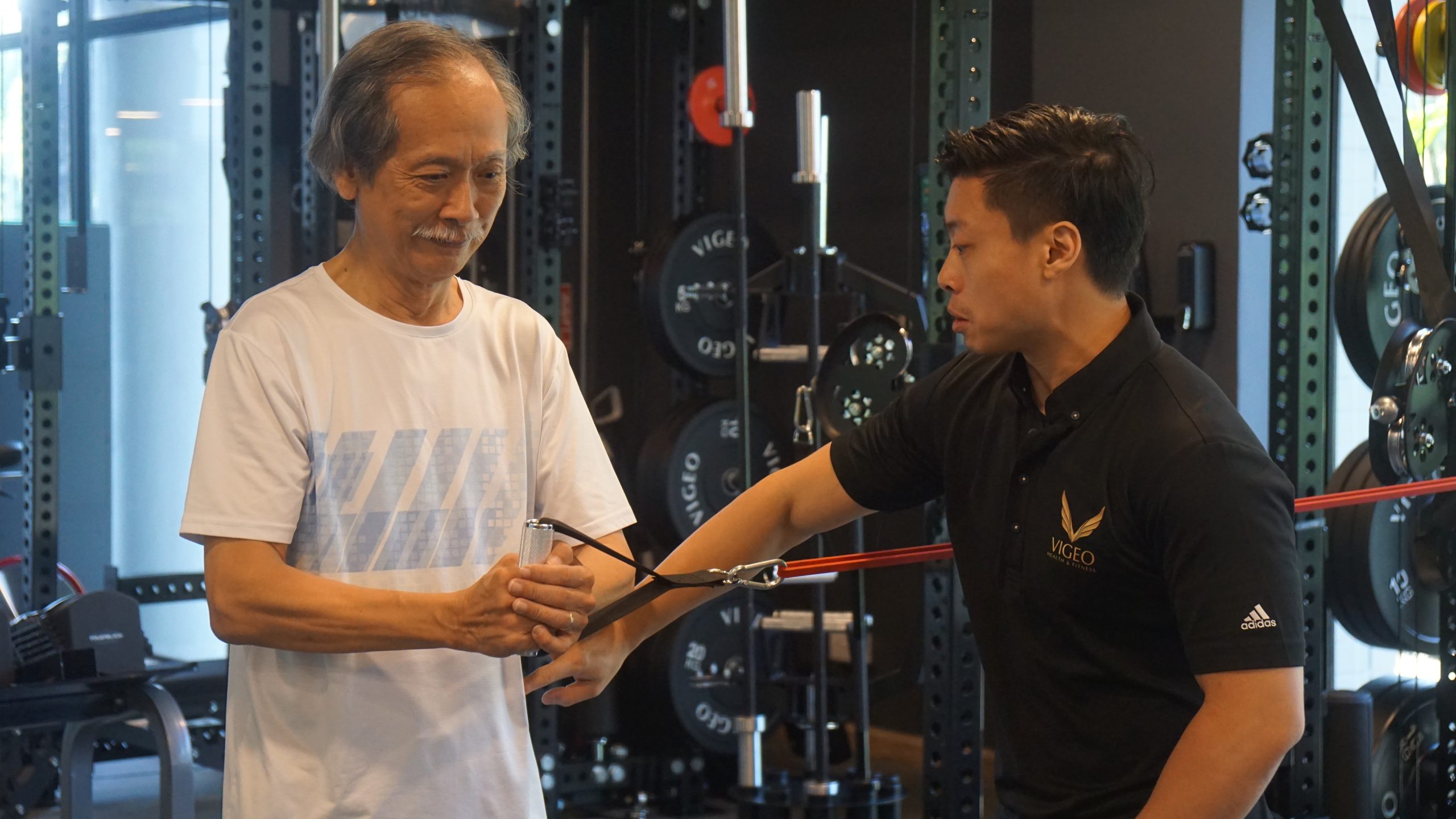
Strength training provides direct and controlled stress to the bones by using resistance, which can come from free weights, machines, resistance bands, or your own body weight. Each time you challenge a muscle against resistance, the muscle pulls on the bone, which stimulates the bone to improve its density and strength. At the same time, strength training helps build muscle mass, improve joint stability, enhance posture, and increase balance.
Together, these benefits can help lower the risk of falls and fractures, and make everyday tasks like carrying groceries, climbing stairs, or getting up from the floor much easier to manage. Beyond bone density, strength training also helps improve metabolic health and support your weight management efforts.
Strength training also allows you to progress gradually and to control both the load and the range of motion. That means you can find the right level of challenge without putting unnecessary strain on your joints, making your routine safer, more adaptable, and accessible to your current fitness level.
When done with proper guidance, strength training is one of the most reliable ways to keep your bones resilient, your body mobile, and your independence intact well into later years.
The connection between muscle and bone strength
Bone and muscle strength are closely intertwined, as they grow, adapt, and decline in tandem. When your muscles contract, they pull on the bones to which they are attached. This repeated pulling creates mechanical stress, which is exactly what your bones need to stay dense and strong. Without that stress, bones gradually weaken.
Muscles become stronger when consistently challenged through resistance training or physical activity. These strong muscles exert greater force on the bones, stimulating the bones to fortify themselves. This creates a reinforcing cycle, where muscles strengthen bones, and stronger bones, in turn, provide a solid foundation for muscles to function effectively.
This connection is especially critical as we age. After the age of 40, both muscle mass (sarcopenia) and bone density naturally decline if not regularly challenged. That is why strength training and weight-bearing exercise are important. By making your muscles stronger, you gain far more than just better movement. You also actively protect your bones, reduce your risk of fractures, and maintain your independence for decades to come.
Think of it this way:
- Muscles are the engine. Therefore, they create movement.
- Bones are the frame, providing your body with the support to handle movement.
When both are strong, you move with power, stability, and confidence.
4 essential movement patterns for strength
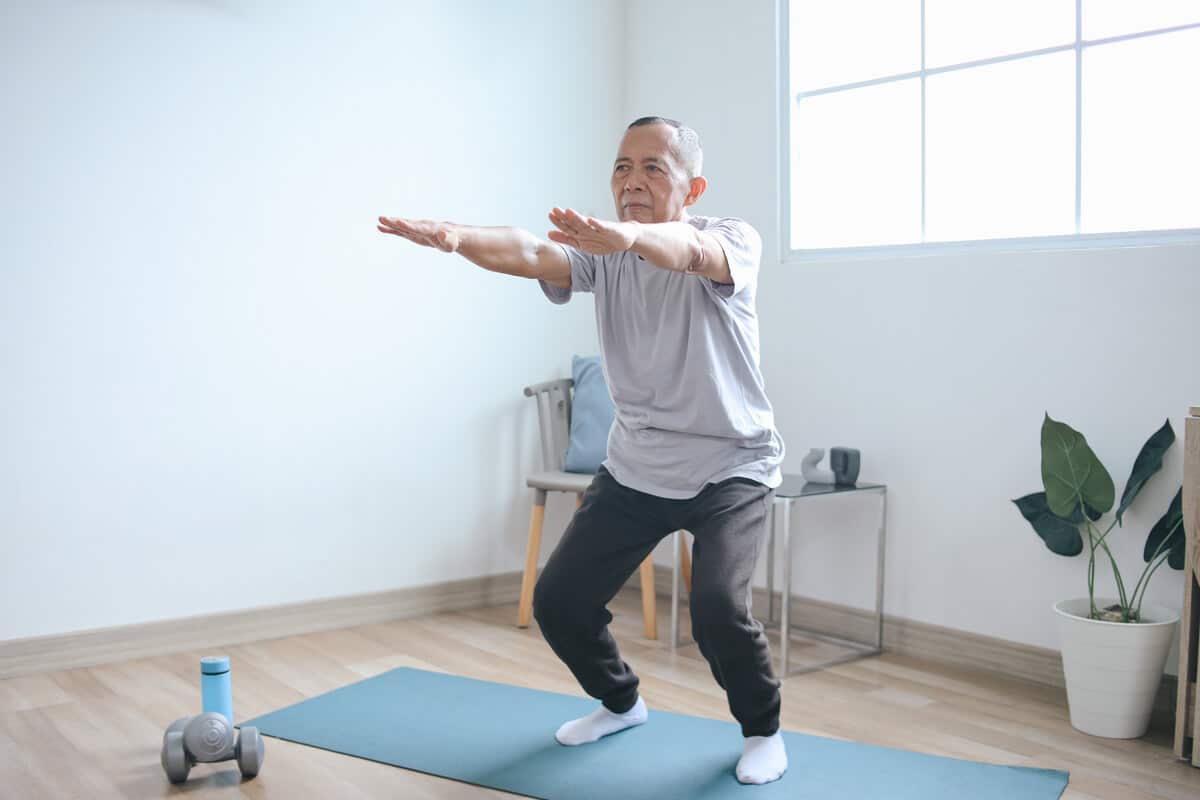
The foundation of effective strength exercises for bone health and density comes from mastering four core movement patterns. These patterns reflect the way we move in everyday life, ensuring that major muscle groups and bones are challenged in a safe and balanced manner.
- Hinge movements: A hinge is when the hips move backward while the spine stays stable. This type of movement primarily targets the muscles of the hips, hamstrings, and glutes, while also engaging the lower back and core. Hinges are essential for protecting the spine and building strength in the muscles that drive powerful movements.
- Push movements: A push involves pressing the weight away from the body in either a horizontal or vertical direction. This pattern strengthens the chest, shoulders, and triceps, while also involving the core for stability. Push strength supports daily activities, such as pushing open a door or lifting objects overhead.
- Pull movements: A pull involves drawing weight toward the body, either horizontally or vertically. Activities that utilize this movement work the back muscles, including the lats and rhomboids, as well as the biceps and forearms. Pull strength improves posture, balances the effects of pushing, and is vital for tasks like pulling objects closer and maintaining shoulder health.
- Squat movements: A squat is a controlled movement that involves bending the hips and knees to lower and raise the body, engaging the quadriceps, hamstrings, glutes, and calves, as well as the core muscles for stability. Squat strength is directly connected to independence because it mirrors movements like standing up from a chair or picking up items on the floor.
Guidelines for muscle-strengthening frequency
For those with osteoporosis to achieve the best results, consistency matters. You can’t expect to build and maintain strong bones and muscles without a regular, committed schedule.
- Frequency: Train 2 to 3 nonconsecutive days each week. This means, for example, doing your routine on Mondays and Thursdays, or Tuesdays, Thursdays, and Saturdays. Rest days are important because they allow bones and muscles to strengthen during recovery.
- Duration: Spend about 20 to 30 minutes per session focusing on the legs, arms, and spine. These areas are most vulnerable to bone loss and fractures, so they deserve priority.
- Sets and repetitions: Gradually work up to 3 sets of each exercise. Perform each set for 8 to 12 controlled repetitions, moving slowly enough to feel the muscles working rather than rushing through. The last two repetitions should feel challenging but still allow you to keep good form.
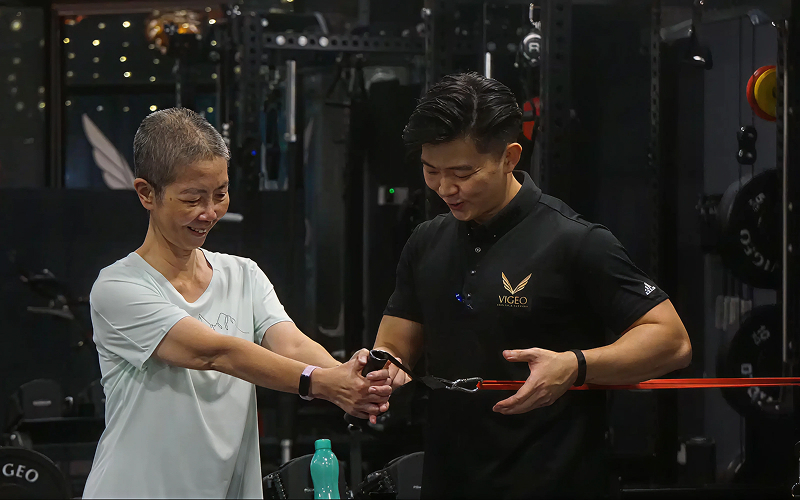
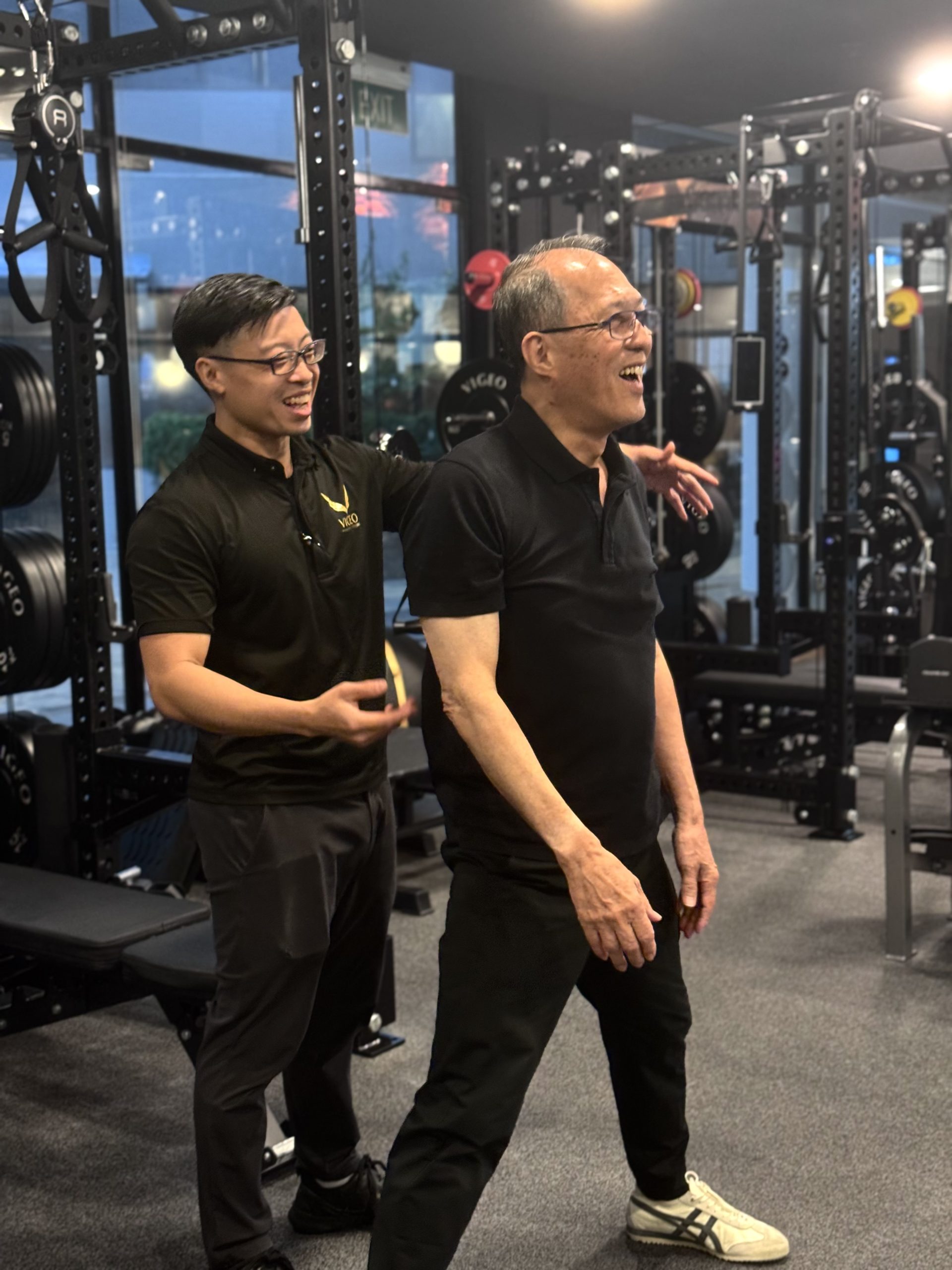
If navigating these guidelines feels overwhelming, we’re here to help. Booking Vigeo’s personal training sessions connects you with professional fitness instructors who can assess your current fitness level and medical conditions, as well as recommend how many repetitions those over 50 should do.
We create custom variations of these exercises specifically tailored to you, ensuring your routine helps in building bone density and is safe for your body. Plus, we also act as your accountability partner, encouraging you to keep pushing and make the good habit of exercising stick.
Lifting with osteoporosis: Is there a weight limit?
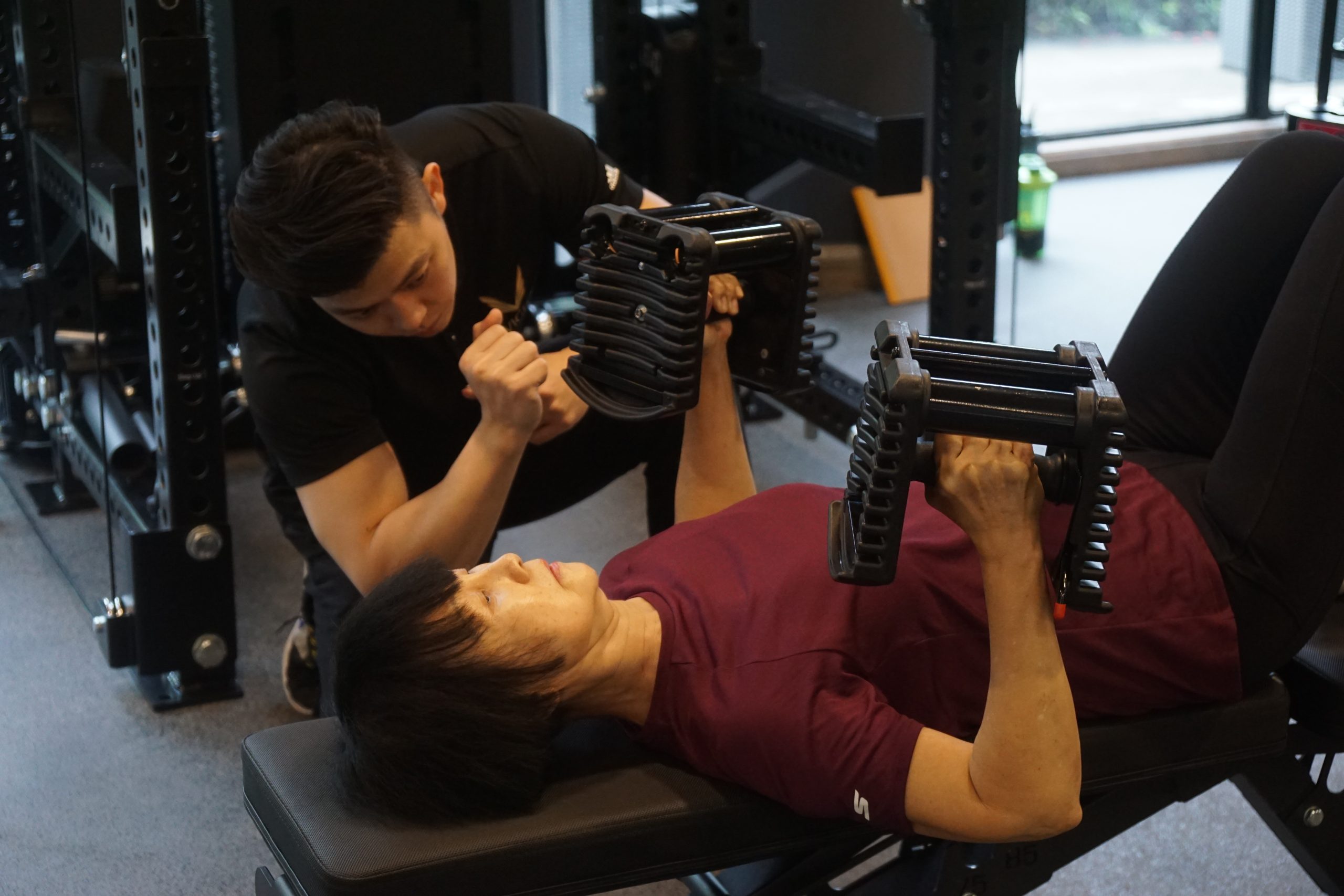
If you have osteoporosis, the most important factor is how you lift, not how much you lift. Remember that proper technique, controlled movement, and safe progressions always come before adding weight.
Also, always listen to your body. If you feel pain or strain in your back, stop immediately and adjust the movement. And when an exercise feels too difficult, reduce the load, modify your position, or scale back the range of motion. With the right guidance from a personal trainer, you can continue to lift safely and effectively while protecting your joints and spine.
Maintaining vs. improving bone strength
The key distinction for long-term progress is that muscle-strengthening exercise helps maintain your existing bone strength, but you need to progressively increase the work your muscles do over time to improve bone strength. If your routine never changes, neither will your bones.
Ready to invest in your bone health, build lasting strength, and experience a fulfilling later life? Vigeo specializes in personalized fitness plans for those after 50 that include safe and effective weight-bearing and muscle-strengthening exercises for those with osteoporosis.
Our expert personal trainers for seniors can properly teach you how to build bone density through exercise and guide you in developing a workout routine tailored to your goals and supporting your independence and vitality for years to come.