

While aging presents its own set of unique challenges, living a full, healthy, and engaging life is more possible than ever before.
This is where the concept of active aging comes into play. It’s not about turning back the clock, but rather about embracing a mindset that allows you to live well and age well. In other words, it’s a proactive approach to your later years, and it’s a journey that can start right now.
Embracing active aging
A mindset for all ages, active aging is a holistic approach to life that promotes healthy living, which in turn helps to extend both your life expectancy and your quality of life. It helps improve your physical, mental, and social well-being, empowers you to stay actively engaged in your community, and supports you in building the financial security needed to lead a high quality of life.
This strategy redefines what many call “aging with success.”
Success in aging is not just about avoiding disease. It’s about actively preserving your physical and mental abilities, cultivating positive emotional health, and staying engaged with the world around you.
Moreover, what you might find most empowering is that your genetic makeup accounts for only one-third of how well you age. The other two-thirds, or the majority, are entirely within your control and are determined by your personal lifestyle choices. In fact, research consistently shows that we can live longer, happier lives by maintaining good emotional health, seeking out mental stimulation, staying physically active, and participating in the world around us.
Physical activity: A key principle of active aging
Whether you’re aiming to improve your balance, increase your strength, or simply have more energy for your daily activities, physical activity can help you achieve this. And these benefits are at the core of many active aging programs offered today.
“Move it or lose it”
The old saying “move it or lose it” holds much truth, especially as we age, as being active is a cornerstone of good health.
Regular exercise helps lower your risk of developing a wide range of diseases, including cardiovascular diseases, dementia, diabetes, depression, osteoarthritis, and certain cancers, including breast, colon, and stomach. Furthermore, active individuals are also less likely to be obese, which reduces the risk of many other related health issues, including high blood pressure, stroke, and fatty liver diseases.
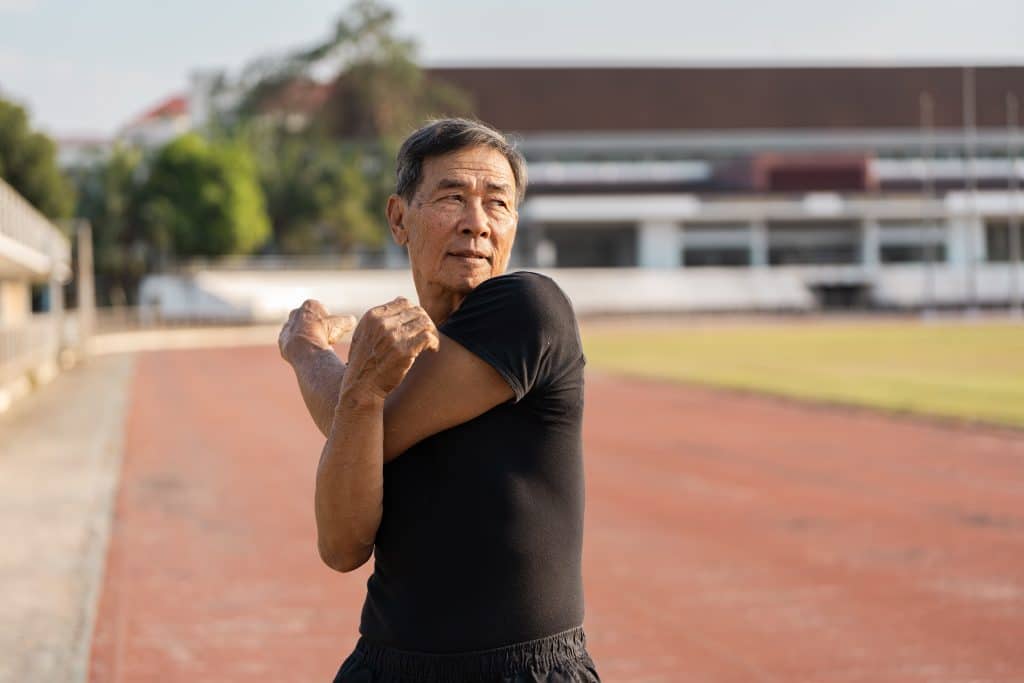
Remember, exercise doesn’t have to mean intense sports or going to a gym. It’s simply about moving your body throughout the day, whether you’re taking a walk, choosing the stairs, or cleaning your house.
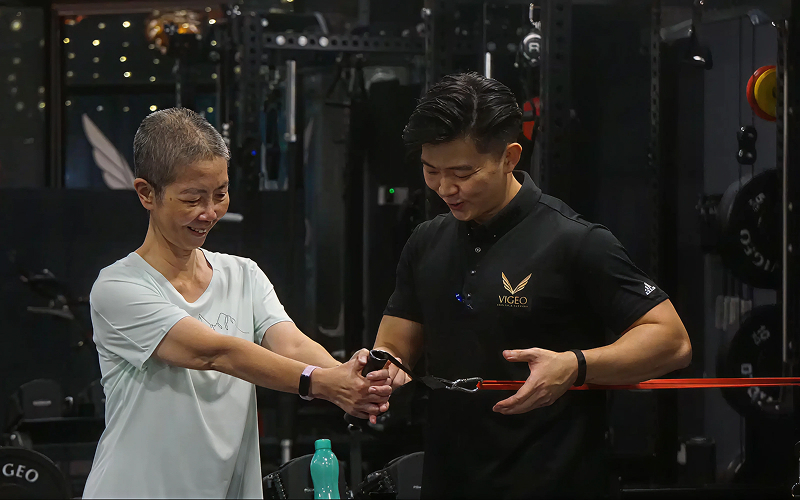
If you’re looking for expert guidance on how to move safely and effectively, especially with a hectic schedule, private personal training can offer a customized plan that is a perfect fit for your life and schedule, helping you get the results you desire.
Types of physical activity
At Vigeo, we often remind our students that movement is medicine. The goal is not to push harder for the sake of it, but to train smarter so you can keep living the life you love. And this is possible by integrating these four most important types of exercise every senior should do, and understanding why they matter.
1. Strength and balance exercises: Building a healthy foundation
Strength and balance exercises are the most important foundation for healthy aging, as they are beneficial for maintaining your independence and preventing falls.
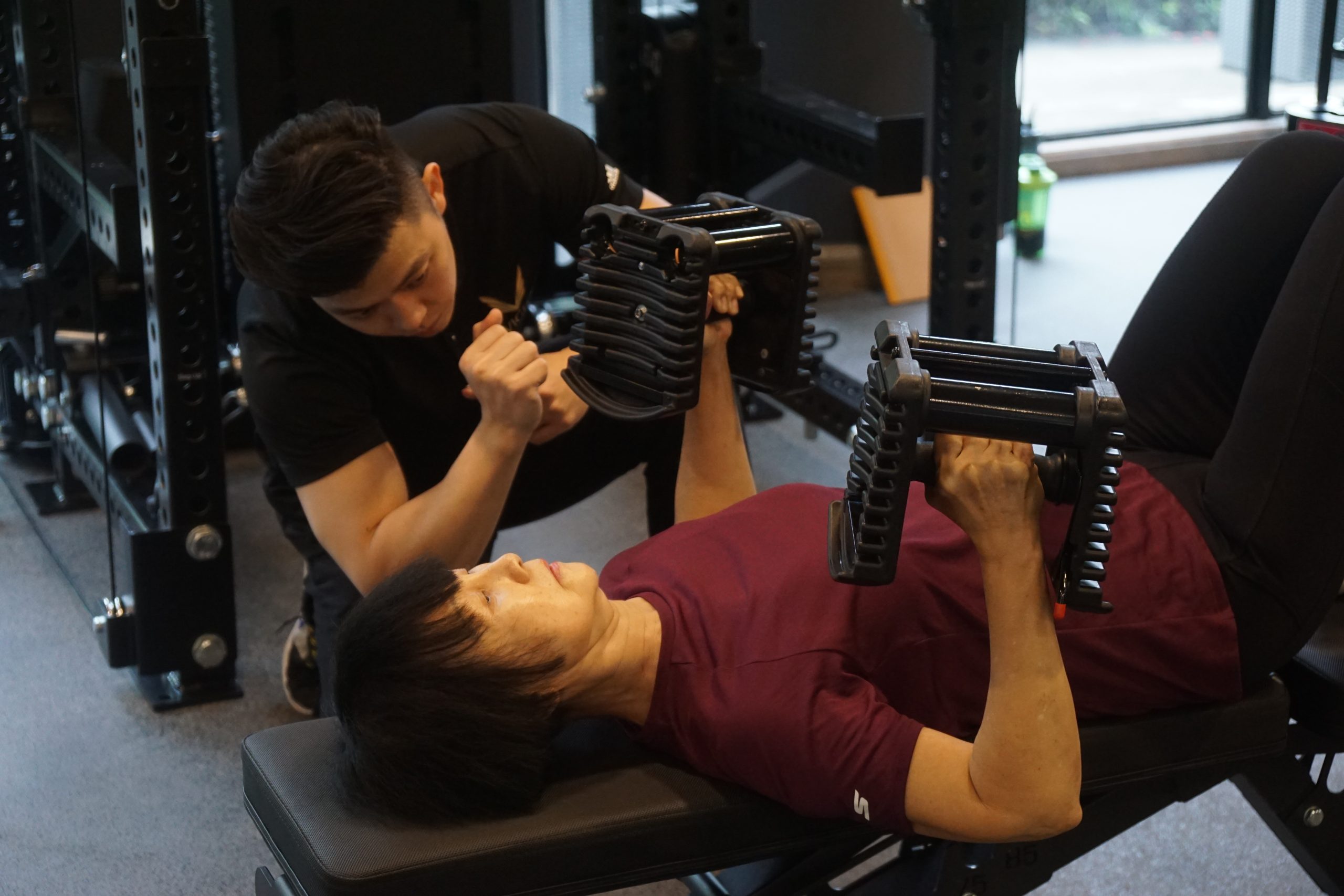
Strength exercises are key to maintaining muscle mass, which naturally declines with age, while balance exercises improve your stability and coordination. Think of these as any activities where you make your muscles work a little harder than usual against a form of resistance, whether that’s from lifting weights or using your own body weight.
2. Balance and stability training: Preventing falls
Falls are one of the leading causes of injury and hospital visits among older adults. They often result in hip fractures, head injuries, and long recoveries that rob seniors of confidence. The good thing is that balance, just like strength, can be trained and improved.
Doing balance and stability exercises helps retrain reflexes, strengthen the small stabilizing muscles around the joints, and improve your proprioception, which is your body’s ability to sense its position in space. Even adding only five to ten minutes of balance exercises to each session can help you stay steady on your feet, move with confidence, and reduce the chances of falling.
3. Mobility and flexibility exercises: Moving without pain
As we get older, our mobility declines, making everyday actions like bending down to pick something up, reaching overhead to get an item from a shelf, or twisting to grab a seatbelt harder and more painful. Left unchecked, this stiffness can lead to a cycle where you can become less active, feel weaker, and find it harder to carry out simple tasks that you do every day.
This is where mobility and flexibility training come in. These exercises keep your body supple and able to move through daily ranges of motion with ease. Unlike intense stretching or pushing the body into uncomfortable positions, the goal of mobility and flexibility exercises is to move your joints gently and with control. Think of it as giving your joints the “oil” they need to stay smooth and functional.
4. Aerobic activity: Protecting your longevity
While strength, stability, and mobility help protect your independence, cardiovascular or aerobic exercise is what protects your longevity. Aerobic activity helps strengthen your heart and lungs, improve circulation, and lower the risk of heart disease, stroke, and diabetes.
For seniors, doing cardio does not mean you need to run marathons. The best approach is low-impact activities that are sustainable and enjoyable, such as:
- Brisk walking
- Swimming
- Cycling
- Dancing
- Gardening
- Using cardio equipment, such as stair climbers and a treadmill
The recommendation for older adults is to aim for at least 150 minutes of moderate-intensity aerobic activity per week, or about 30 minutes on most days. One of the aerobic activity levels, “moderate-intensity” means your heart is beating faster, and you’re breathing harder, but you can still hold a conversation without being out of breath.
Practical and fun activities for seniors
Staying active doesn’t have to feel like a chore. In fact, you can easily weave physical activity into your daily life with fun and practical activities. By finding activities you genuinely enjoy, you’re more likely to stick with them and reap the benefits of a healthier, more vibrant life.
Here are some examples of daily activities that count as exercise for seniors:
- Daily housework: Activities like vacuuming, mopping, and sweeping, and gardening all contribute to your daily movement goals. These tasks engage your muscles and get your heart rate up, proving that staying active doesn’t always require a trip to the gym.
- Active commuting: You can easily add movement to your day by walking to the grocery store, taking the stairs instead of the elevator, or playing a fun game with your grandchildren. These simple choices add up over time, helping you increase your stamina and burn extra calories throughout the day.
- Hobbies: Engage in hobbies that require physical movement, such as dancing, joining a walking club, or even taking up a new sport like pickleball. These activities are not only great for your physical health but also provide a fun way to socialize and keep your mind engaged.
Staying on track with physical activity
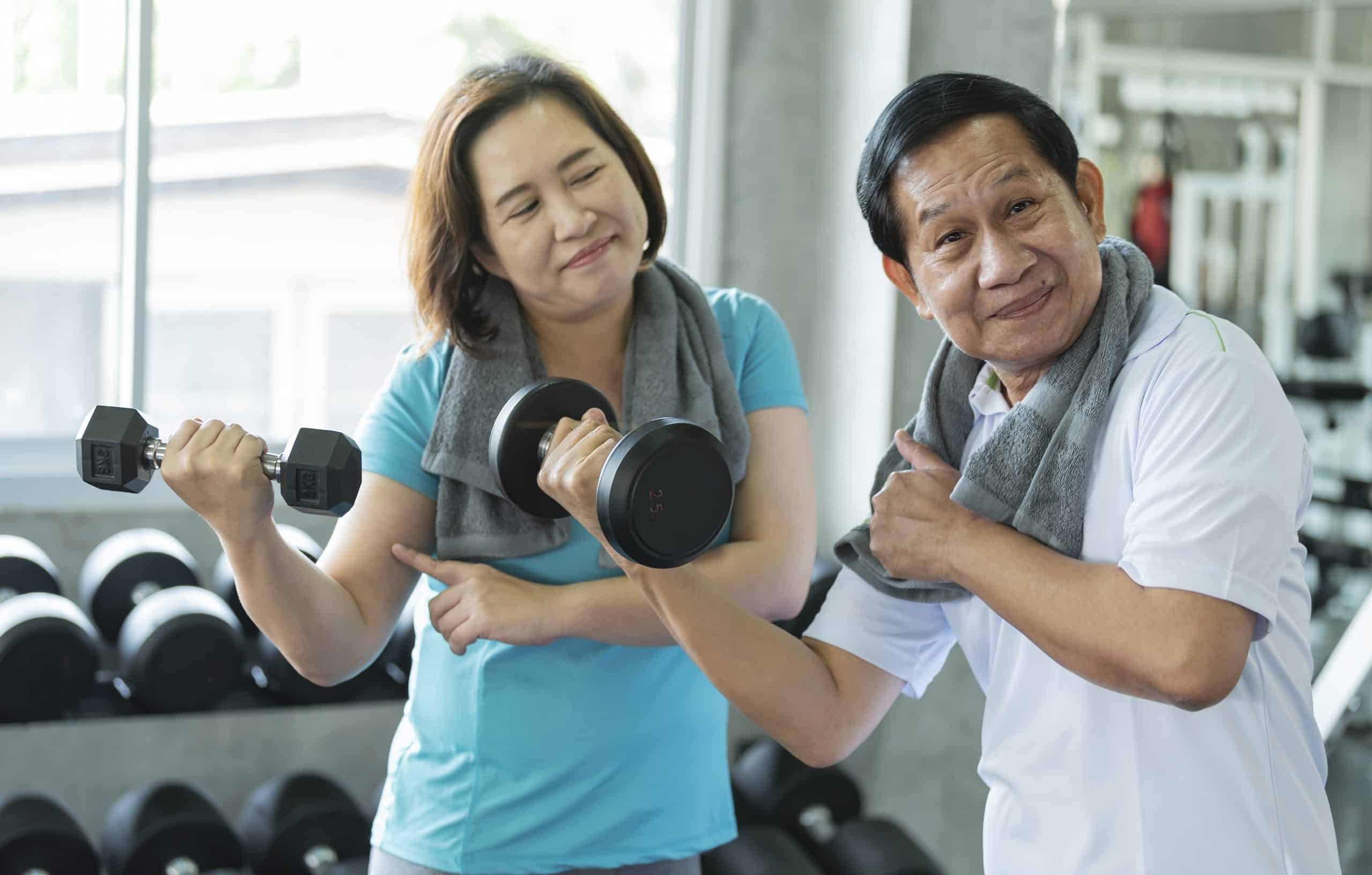
The biggest challenge with any fitness routine is staying consistent. To make sure you stick with it for the long term, it’s important to find ways to keep your workouts fresh and engaging.
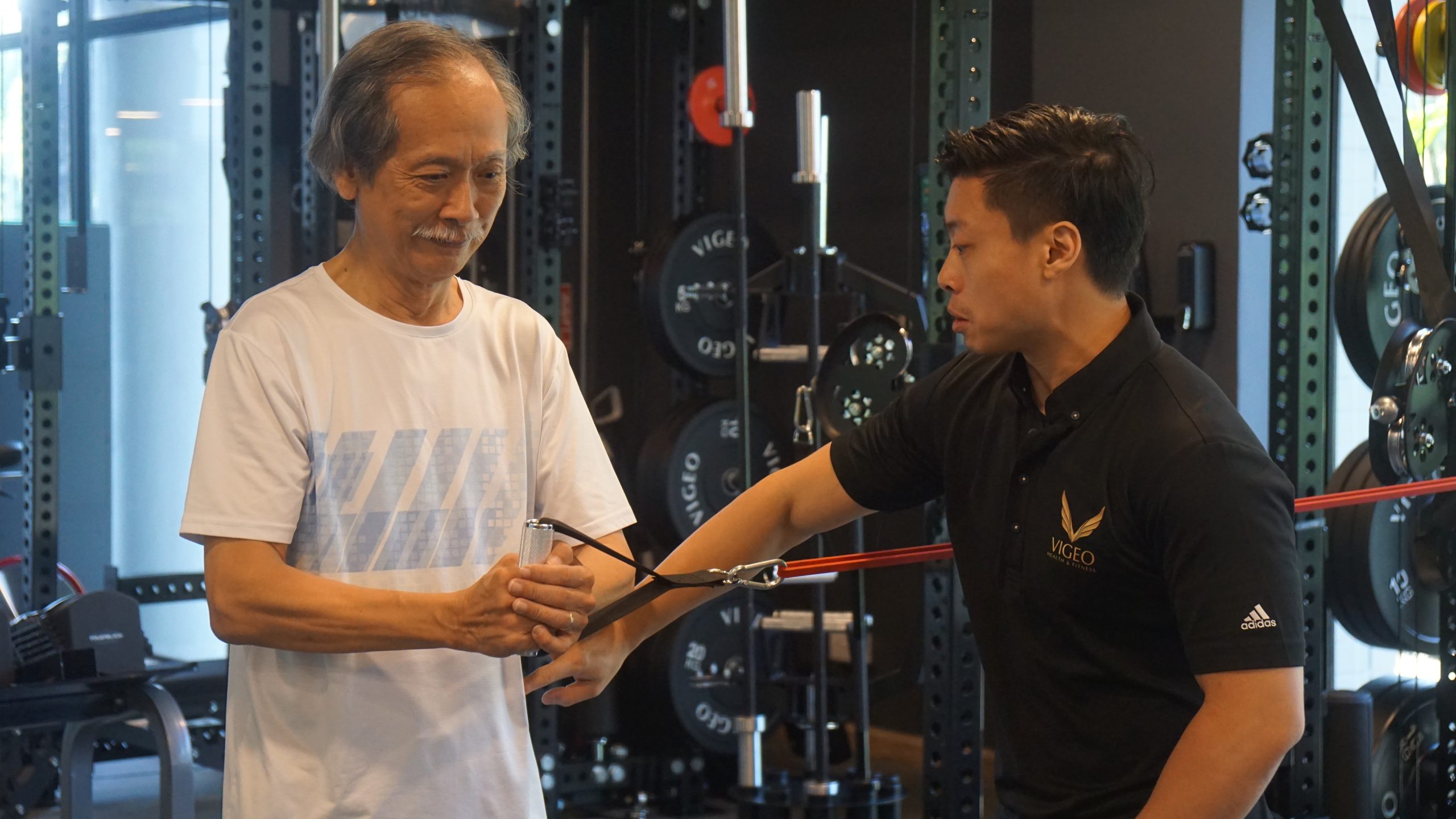
- Add variety: To keep things from getting boring and to prevent your body from hitting a plateau, change up your routine by trying different activities. If you typically walk, for example, consider trying a dance class or swimming. If you use weights, trying resistance bands or bodyweight exercises can challenge your muscles in a new way. A varied routine not only keeps your mind engaged but also ensures you’re working different muscle groups for a more comprehensive fitness experience.
- Start slowly: Overexerting yourself at the beginning can result in injuries and fatigue that completely stop your momentum. Instead, start with a light, manageable routine that you can easily stick with. Once your body adapts and builds strength, you can progressively increase the intensity and length of your training sessions. This steady approach builds confidence and helps you create a sustainable habit rather than a short-term burst of effort.
- Set realistic goals: The key is to break a large, intimidating goal into smaller, manageable milestones and celebrate each small victory. By acknowledging your progress, you’ll feel a sense of accomplishment, which in turn fuels your motivation to stay committed.
Nutritional requirements for seniors
As you reach your golden years, your body’s nutritional needs also change. That’s why maintaining a balanced diet is crucial, as it helps prevent a variety of health issues, from muscle loss to chronic diseases, and also supports your active journey in order to live well and age well.
When planning your meals, consider the following key nutrients:
- Protein: It stimulates muscle growth and has been shown to improve bone mineral density. Meanwhile, low protein intake for older adults can lead to muscle loss and osteoporosis. The recommended daily protein intake for seniors is 0.8g per kilogram of body weight, which is the minimum amount needed to prevent the loss of lean body mass. Protein sources can come from lean red meats, skinless chicken, tofu, tempeh, lentils, and beans.
- Calcium: This mineral is essential for bone health. Without enough of it, you risk developing osteoporosis, a condition that can increase your chances of serious fractures in the hip, wrist, and spine, which may impact your independence. Good sources of calcium include dairy products, dried beans, kale, fortified juices, and spinach.
- Vitamin D: Low levels of Vitamin D are linked to an increased risk of falls, osteoporosis, and fractures. That’s because this vitamin helps your body absorb calcium from the food you eat and is crucial for maintaining muscle strength. You can get it from sources like egg yolks, salmon, tuna, and fortified foods such as milk.
- Iron: It is vital for transporting oxygen to your tissues and supporting your immune system. As such, a deficiency of this essential nutrient can lead to anemia, a condition that is particularly common in older adults. For sources, you can get iron from beef, poultry, beans, and dried fruits.
- Vitamin A: This vitamin is important for vision, especially in low light. Vitamin A sources include spinach, broccoli, carrots, squash, eggs, and beef liver.
- Vitamin B12: A deficiency in Vitamin B12 has been linked to depression and dementia. To help prevent this, you can consume sources like meat, fish, poultry, eggs, and fortified cereals.
- Folic Acid: It helps make red blood cells and prevents anemia and diarrhea. It’s found in legumes, kale, nuts, beans, fruits, dairy products, and fortified foods like bread and pasta.
Where to get help
Embarking on a new fitness journey is an empowering step, but it is always wise to proceed with caution and expert guidance. Before starting any new physical activity or making a significant change to your routine, it’s highly recommended that you talk to your doctor. They can provide advice on what types of activities are safe for you, especially if you have any pre-existing health conditions.
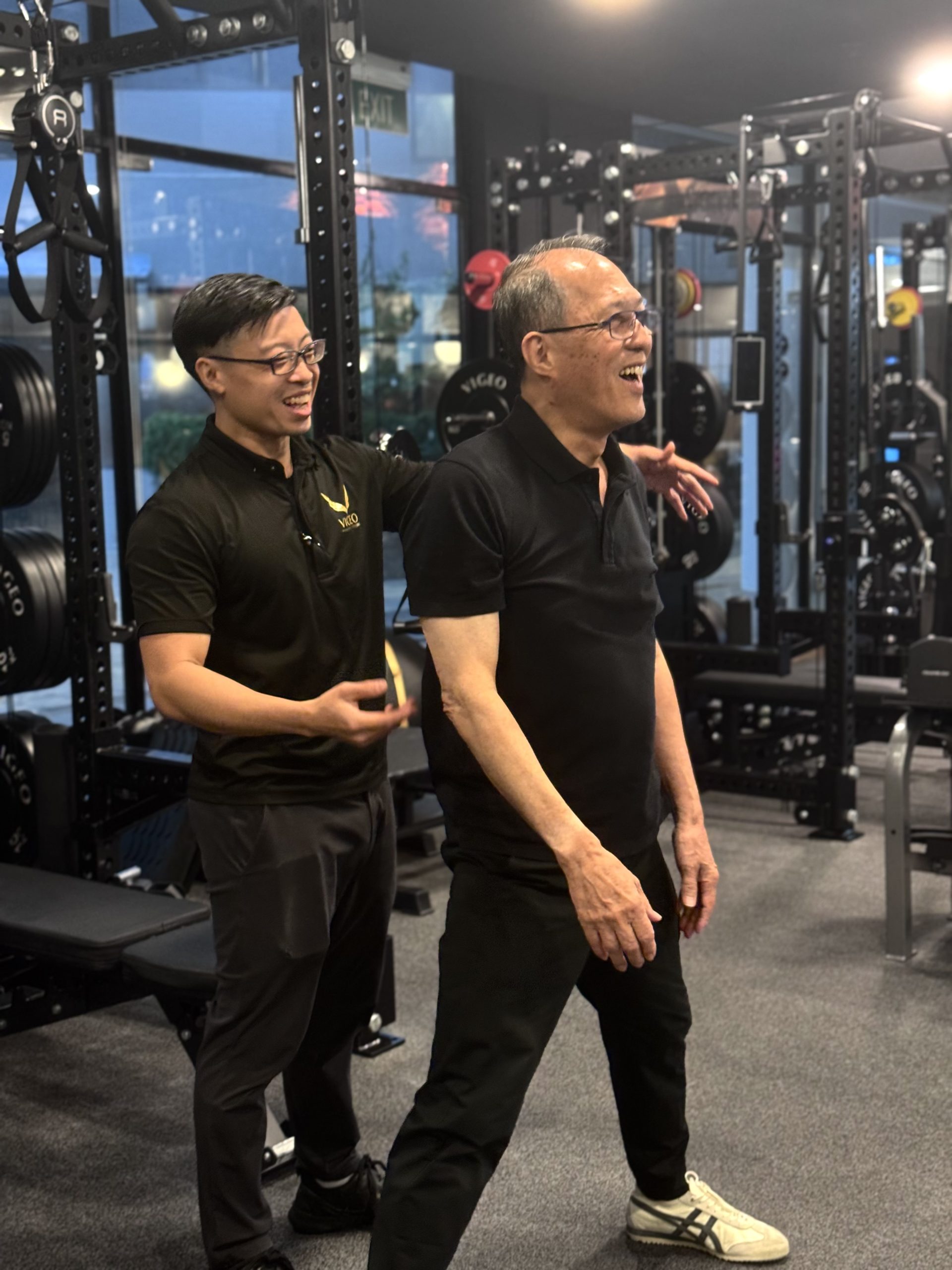
Once you have medical clearance, a professional trainer can provide the support you need. At Vigeo, our dedicated personal trainers for the elderly understand the unique physiological needs of older adults. They can create a safe and effective routine that addresses your specific goals, from building strength to improving balance.
Whether you choose to work with a personal trainer for seniors or find a semi-private class from Vigeo, the most important thing is to keep moving and find a balance that empowers you to live a long, fulfilling, and vibrant life. It’s never too late to start, and every step you take is an investment in your future self.