

Key Takeaways
Lifespan refers to how long someone lives, while healthspan considers how many of those years are spent with the physical and mental abilities needed to participate in daily life.
Regular physical activity is associated with a lower risk of premature death and can help prevent or manage conditions such as cardiovascular disease and type 2 diabetes, but it cannot guarantee additional years of life.
Exercise also supports health span by helping maintain strength, cardiovascular fitness, balance, and mobility as people age.
Completing a daily task does not necessarily mean it is easy. Building greater physical reserve can make familiar activities feel less demanding and provide capacity for more challenging days.
Effective training combines consistency, appropriate challenge, progression, and recovery rather than treating either intensity or ease as the goal.
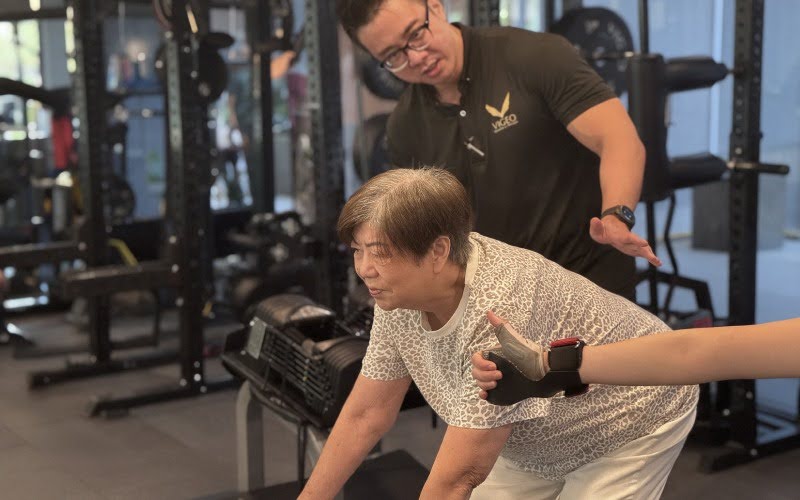
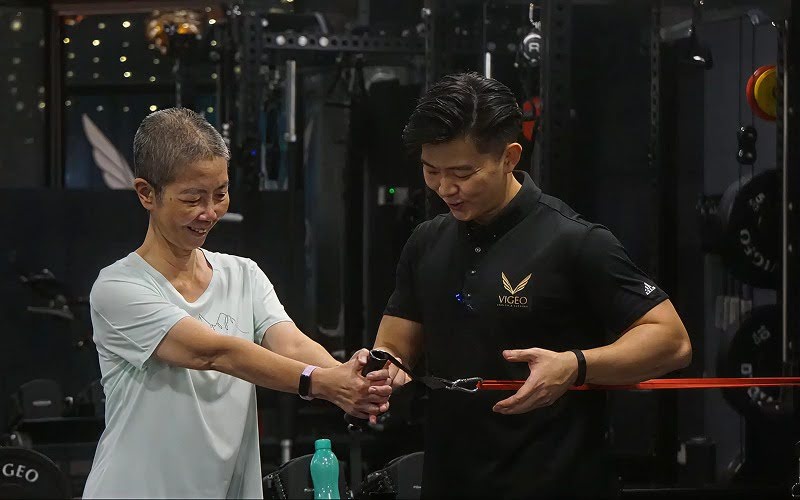
A personal trainer can help older adults build an individual program around their current strength, endurance, balance, mobility, and the activities they want to remain capable of doing.
Healthy aging does not require being free of chronic conditions. People managing health conditions can still improve their capabilities and continue participating in activities that matter to them.
Why Living Longer Is Not the Same as Living Better
Many people think longevity is simply about living longer. Medical advances, improved nutrition, and better healthcare have significantly increased average life expectancy.
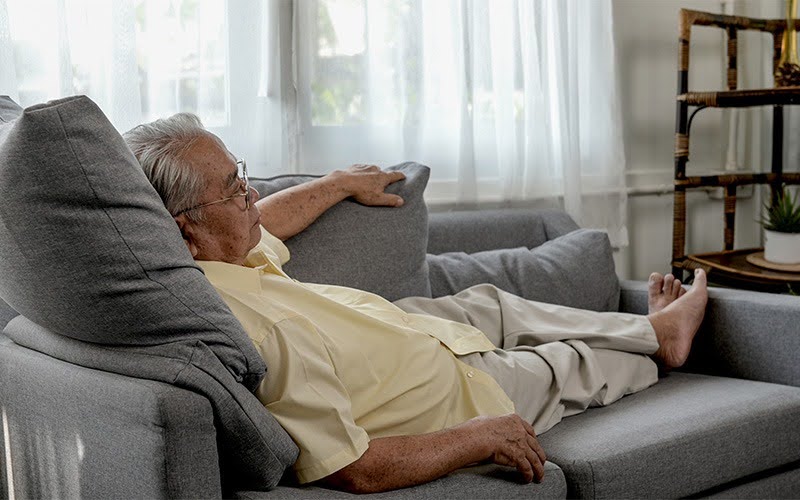
Yet many adults spend the later decades of life managing fatigue, pain, limited mobility, or chronic conditions. This disconnect is why lifelong health and longevity matter.
This distinction becomes particularly relevant with age because two people can live to a similar age while experiencing very different levels of strength, mobility, and independence.
Lifespan refers to the total number of years a person lives.
Healthspan reflects how many of those years are spent in relatively good physical and mental health.
Understanding the difference between lifespan and healthspan helps explain why living longer and maintaining physical capability are related, but not identical, goals.
Regular physical activity can support both ideas in different ways. At a population level, being physically active is associated with a lower risk of premature death and can help prevent or manage conditions such as cardiovascular disease and type 2 diabetes. This does not mean exercise can guarantee a specific number of additional years.
For health span, the benefit is more immediate and functional. Exercise can help preserve the strength, cardiovascular endurance, balance, and mobility needed to remain active and participate in everyday life.
For someone with grandchildren, for example, the goal may not simply be to live long enough to watch them grow up. It may also be having the stamina to spend a day out with them, the strength to carry what is needed, and the physical capacity to continue participating in family life.
Why Physical Reserve Matters as You Age
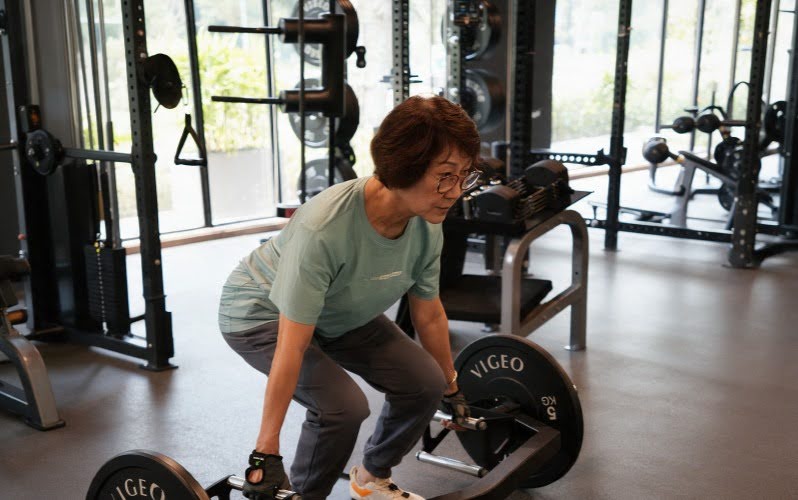
Strength training can contribute to physical reserve by increasing the force available beyond the immediate demands of everyday tasks. If carrying groceries currently requires most of someone’s available strength, greater strength may make the same task less demanding while providing additional capacity for situations such as carrying bags upstairs or managing luggage while traveling.
Common Misconceptions About Exercise and Aging
1. “It’s too late to start.”
Starting later does not mean there is no opportunity to improve. The right starting point depends on current ability rather than age alone, and you can begin at a manageable level and progress gradually.
2. “Workouts must be intense to matter.”
Effective training doesn’t need to be exhausting, but it does need to provide enough challenge to drive the intended improvement.
Consistency means training regularly. Appropriate challenge means the exercise demands enough from the body to stimulate the desired adaptation. Progression means adjusting that demand as someone becomes more capable, while recovery supports their ability to continue training productively.
A sustainable program can therefore still be challenging. The aim is not to keep training easy, but to match the challenge to the individual and progress it appropriately.
3. “I am too frail to lift weights.”
Feeling weak or unfit is not a reason to become fitter before starting. Training can begin from the person’s current ability, with the initial exercises and level of challenge selected accordingly.
As capability improves, the training can become progressively more demanding. Starting points may differ between students, but the goal remains the same: build greater physical capacity over time.
4. “Cardio is enough. I don’t need strength training.”
Walking is valuable and should remain part of an active lifestyle, but it does not replace progressive strength training for all major muscle groups.
The two serve different purposes. Walking can support cardiovascular fitness and daily activity, while strength training develops the force needed for tasks such as rising, lifting, carrying, and climbing. Both can help maintain physical capacity as you age.
What Different Types of Exercise Contribute to Health Span
Maintaining physical capability usually requires more than one type of exercise because strength, endurance, balance, and mobility contribute to different parts of everyday movement.
Strength training develops the force needed to rise from a seat, lift and carry objects, and climb stairs. Greater strength can also increase the reserve available for tasks that currently feel demanding.
Cardiovascular exercise develops the ability to sustain activity over time. Better aerobic fitness can make activities such as walking longer distances, traveling, or spending a day out require less relative effort.
Balance training develops the ability to maintain or recover stability when standing and moving. This becomes relevant when turning, changing direction, or responding to an unexpected loss of balance.
Mobility work helps maintain access to the movement range needed for a task. For example, adequate ankle, hip, or shoulder movement may influence how comfortably someone walks, reaches, or performs other daily activities.
These qualities complement one another. Someone may have enough strength to carry a bag but lack the endurance for a long walk, while another person may walk comfortably but struggle to lift heavier household items. A fitness trainer can help seniors identify which physical qualities need more attention and structure training around the activities that matter to the individual.
Strength Helps Build Capacity Beyond Everyday Demands
Strength training helps not only with familiar tasks, but also by increasing the capacity available beyond them.
If carrying groceries currently requires most of someone’s available strength, developing greater strength may make the same load represent a smaller proportion of their capacity. That reserve can help when everyday tasks become harder.
Appropriate strength work depends on a person’s goals and current abilities, not simply on choosing exercises because they resemble daily activities.
Building a Program Around the Life You Want to Maintain
A useful exercise program should reflect both the person’s current abilities and what they want to remain capable of doing.
At Vigeo, students in our semi-private personal training sessions can train alongside others while following their own individual programs. This allows training to address different needs rather than assuming that people of a similar age require the same exercise plan.
For one student, maintaining walking endurance may be important. Another may need greater lifting strength, balance, or a combination of abilities to keep travelling, manage daily tasks, or participate in activities they value.
Supporting an Active Life as Health Circumstances Change
Exercise can help preserve the abilities that support an active life, even when health circumstances change.
Healthy aging does not require being completely free of disease. Someone managing a chronic condition may still improve their strength, endurance, balance, or mobility and use those capabilities to stay involved in activities that matter to them.
The aim is not to promise additional years of life. It is to build and preserve as much useful physical capacity as possible for the years ahead, based on the individual’s current health, goals, and abilities.
If you want to understand your current physical capacity and build a program around the activities you want to maintain, contact us to speak with a coach about a consultation and assessment.