

Key Takeaways
The impact of a sedentary lifestyle can build gradually, contributing to lower strength, reduced mobility, poorer balance, and greater fatigue over time.
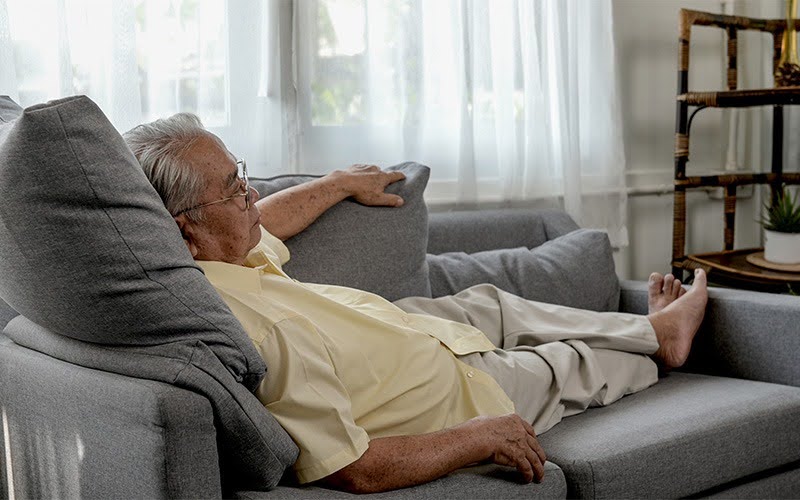
Prolonged sitting and low daily movement can contribute to a cycle of inactivity and deconditioning, where movement feels harder, and people may gradually become less active.
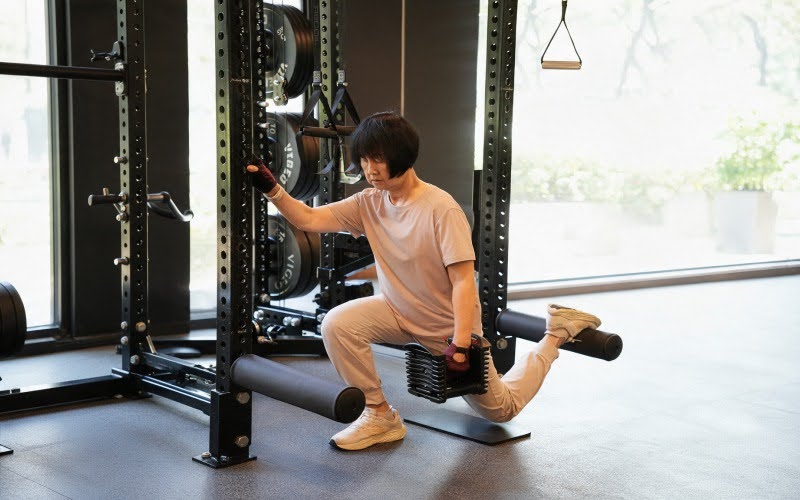
Regular movement, mobility work, and age-appropriate strength training can help preserve muscle function, joint movement, and physical confidence as people age.
For adults returning to exercise after a long inactive period, we recommend gradual progression based on current strength, balance, mobility, and recovery capacity.
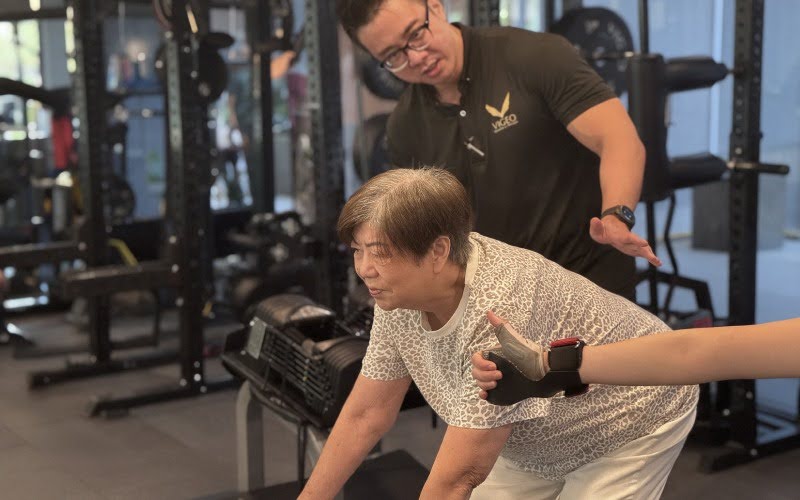
Supervised and age-appropriate exercise can help maintain strength, balance, mobility, and confidence while allowing progression to be adjusted around current ability and health considerations.
For seniors who want more structure, a personal trainer can help combine structured exercise with realistic ways to stay active throughout the week.
What Is the Impact of a Sedentary Lifestyle?
Many people do not think of themselves as sedentary. They go to work, run errands, manage a household, and may even exercise regularly. However, desk work, commuting, television, and screen time can still add up to long periods of sitting across the day.
Sedentary behavior refers to waking time spent sitting, reclining, or lying down with very little energy expenditure. This is different from physical inactivity, which means not getting enough recommended physical activity.
The distinction matters because someone can exercise several times a week and still spend much of the rest of the day sitting. Structured exercise remains valuable, but regular movement throughout the day also deserves attention.
Over time, low movement levels may reduce physical capacity and make activities such as walking, climbing stairs, bending, or carrying feel more demanding. Some people may also notice stiffness after sitting or reduced endurance during everyday activity.
Rather than focusing on a single number of sitting hours, it is more useful to consider how sedentary time accumulates across your day and where realistic opportunities to move more may fit.
Reduced activity can sometimes show up as stiffness or greater difficulty moving through certain ranges. However, stiffness does not always mean someone simply needs to stretch more.
Flexibility, strength, movement control, joint discomfort, and time spent in one position can all influence how a movement feels. Depending on the individual, improving movement may involve a combination of mobility work, strength training, and simply moving more regularly throughout the day.
Common Signs of a Less Active Lifestyle
Changes may appear gradually. You might notice more stiffness after prolonged sitting, lower energy, reduced endurance, or everyday movements becoming less comfortable.
These changes do not automatically mean inactivity is the only cause. Strength, mobility, pain, health conditions, sleep, and other factors may also contribute.
Lower overall activity can also reduce daily energy expenditure. If energy intake remains higher than expenditure over time, it may contribute to gradual weight gain, but sitting itself does not automatically increase body fat.
How Reduced Movement Affects Physical Function
Lower activity levels can affect endurance and physical capacity over time. Tasks that once felt easy, such as walking longer distances or climbing stairs, may begin to feel more tiring.
When movement starts to feel harder, some people may gradually avoid it. This can contribute to a cycle in which activity decreases and physical capacity declines further.
Reduced movement may also affect balance and coordination, although many factors can contribute to these changes. We therefore avoid assuming inactivity alone causes a symptom.
This can develop into a cycle of inactivity and deconditioning: movement feels harder, activity decreases, and physical capacity may decline further.
Are These Changes Reversible?
Many of the physical changes linked to an inactive lifestyle are at least partially reversible when addressed early. Gradually reintroducing regular movement can improve muscle strength, joint mobility, posture, and energy levels over time. In many cases, even low-intensity, consistent activity can support meaningful improvements, particularly when movement is structured and progressed appropriately.
However, reversibility varies by individual and depends on factors such as age, duration of inactivity, underlying health conditions, and overall physical resilience.
Long-standing inactivity may require a more cautious and guided approach to reduce the risk of strain or injury.
Health Risks Associated With Sedentary Lifestyles
Lower overall activity can reduce daily energy expenditure. If energy intake remains higher than expenditure over time, this may contribute to gradual weight gain.
Prolonged sedentary behaviour and physical inactivity are also associated with higher cardiometabolic risk, including conditions such as cardiovascular disease, high blood pressure, and type 2 diabetes.
This does not mean that sitting alone causes these conditions. Many factors influence health risk, including overall activity levels, diet, age, genetics, and existing medical conditions.
How to Add More Movement to a Sedentary Day
You do not need to turn every break in your day into a workout. A useful first step is to identify your longest sitting periods and find one or two realistic opportunities to move.
Depending on your ability and routine, this might mean:
- Taking a short movement break between suitable tasks or meetings
- Walking during a phone call when practical
- Getting up and moving between television programs or episodes
- Adding a manageable walk after a meal
- Walking part of a short journey where appropriate
- Breaking up one particularly long seated period in your day
No single movement-break schedule suits everyone. The aim is to create more opportunities for movement without assuming a few brief breaks cancel out the effects of prolonged sedentary time.
Daily Movement and Exercise Do Different Jobs
Moving more throughout the day and doing structured exercise complement each other, but they are not interchangeable.
Daily movement helps reduce sedentary time. Aerobic activities such as brisk walking, cycling, or swimming help develop cardiovascular fitness and endurance. Progressive strength training helps maintain muscle strength and physical capacity. Balance and mobility work can address additional movement needs, particularly as we age.
For those who want a more structured approach, an exercise program for seniors can bring these elements together while still keeping daily movement part of the wider routine.
This means walking regularly does not make strength training unnecessary, just as attending the gym does not mean the rest of the day no longer matters.
How We Help Students Build More Movement Into Their Week
We want to understand where sitting and movement fit into the student’s normal day.
That may include looking at their work routine, commute, screen time, existing walks or activities, and the parts of the day when movement is hardest to maintain.
From there, we can help identify realistic opportunities to become more active alongside structured training. For one student, that may mean adding a manageable walk to an otherwise sedentary day. For another, the priority may be maintaining an existing walking routine while building strength through regular training.
The goal is not to eliminate sitting altogether. It is to develop a more active weekly routine that fits the person’s ability, health considerations, and everyday life.
If you would like structured support, a fitness trainer can help you see how your daily movement and exercise fit together, rather than treating each workout in isolation.
Reach out to us to discuss a training approach that fits your current ability and goals.
Note: Sudden pain, unexplained weakness, numbness, chest discomfort, or dizziness should not be assumed to result from inactivity. Seek medical assessment before starting or changing an exercise program if you experience these symptoms.