

Key Takeaways
Regular physical activity is associated with a lower risk of certain cancers.
Exercise may influence factors linked to cancer risk, including body composition, insulin sensitivity, hormone regulation, and chronic inflammation.
A well-rounded routine should include both aerobic activity and strength training.
Seniors also benefit from activities that develop balance.Strength sessions do not automatically meet your aerobic activity needs, just as regular walking may not provide enough muscle-strengthening work.
Rather than focusing only on gym sessions, we look at activity across the whole week to identify what is already covered and what may need more attention.
Introduction
For adults over 40, when it comes to exercise and cancer, we start by clarifying that physical activity cannot guarantee cancer prevention and does not replace medical care. The evidence does show that regular activity is associated with a lower risk of several cancers and may influence biological pathways involved in cancer risk.
Physical movement supports several biological processes associated with long-term health and cancer risk.
We explain it this way: regular physical activity can help regulate chronic inflammation, support healthy hormone and insulin signalling, contribute to weight management, and support immune function. These are some of the pathways through which exercise may help reduce the risk of certain cancers over time.
As people age, these factors become increasingly relevant because body composition, metabolic health, and recovery can gradually change. This is why we encourage consistent, appropriate activity as part of a broader healthy aging strategy, with the type and intensity of exercise matched to the individual.
If you have an existing medical condition or are undergoing treatment, speak with your doctor before starting or significantly changing your exercise program.
Healthy Weight and Inflammation
Body weight and inflammation are closely linked to long-term health. Excess body fat is associated with chronic low-grade inflammation, which may disrupt normal cellular processes over time.
Regular physical activity helps regulate body weight by increasing energy expenditure and supporting metabolic efficiency. When body fat levels are better managed, inflammatory markers tend to be lower. This supports tissue health and normal cell behaviour.
In practice, we focus on the factors we can directly support through training: helping students move more consistently, improve fitness, and work toward a healthier body composition over time.
These changes are associated with better metabolic health and may reduce chronic inflammatory burden. Any changes in inflammation markers would need confirmation through medical testing and interpretation by a healthcare professional. From a coaching perspective, the priority is consistency, not extreme effort.
This is one reason exercise and long-term cancer risk are often discussed together in public health guidance. Regular physical activity can influence body weight, inflammation, and metabolic health, all of which shape the wider picture of cancer risk over time.
Hormone Regulation and Metabolic Balance
When we discuss the relationship between exercise and cancer risk with students, we explain metabolic health carefully. Regular physical activity can improve insulin sensitivity, helping the body manage blood glucose more effectively and supporting healthier metabolic function over time.
Hormonal regulation also plays a role. Insulin and estrogen are among the biological pathways studied in relation to certain cancers, particularly after menopause when hormone patterns can change. Both strength and endurance exercise can support these broader aspects of metabolic and hormonal health.
When Changes in Energy or Metabolic Health May Need Attention
Hormonal and metabolic imbalances may show up in subtle, everyday ways. It’s usually not a single, clear symptom.
Changes such as persistent fatigue, unexplained weight changes, altered appetite, or reduced exercise tolerance can have many possible causes. They cannot tell you on their own whether there is a hormonal or metabolic problem.
While these symptoms are not diagnostic on their own, they can signal that the body’s hormonal regulation is under strain and may benefit from lifestyle adjustments, including regular, appropriately paced physical activity and medical review where necessary.
When It Is Time to Get Checked
Consider seeking medical advice if symptoms persist despite regular lifestyle adjustments or begin to interfere with daily functioning.
A healthcare professional should assess warning signs such as unexplained or rapid weight changes, ongoing fatigue, dizziness, abnormal blood sugar readings, irregular menstrual changes, or new pain. A doctor can evaluate whether further testing or medical management is needed and advise on whether exercise routines should be modified to suit your health condition safely.
Digestive Function Support
Movement directly affects digestive function. Physical activity stimulates intestinal contractions, which help food and waste move more efficiently through the digestive tract.
Shorter transit time reduces prolonged contact between the colon and potential irritants. This supports digestive comfort and overall gut health, which is one of several lifestyle factors affecting cancer risk.
Even low-impact activities such as walking, mobility exercises, or light resistance work can support digestive regularity when performed consistently.
What Better Digestion Actually Feels Like
Regular physical activity may support bowel regularity and gastrointestinal movement. Some people may notice more regular bowel movements or less constipation, although digestive symptoms can have many causes and should not be used on their own to judge digestive health.
How Physical Activity Supports Immune Function
The immune system helps the body identify and respond to abnormal cells as part of normal immune surveillance. Regular physical activity may support immune function through several pathways, including circulation and the regulation of chronic inflammation.
These effects should not be interpreted as guaranteed cancer prevention. Regular physical activity is associated with a lower risk of certain cancers, but it cannot eliminate cancer risk or guarantee prevention.
From an exercise perspective, the practical takeaway is consistency. Regular, manageable activity can support broader health without requiring extreme training volumes or intensity.
Why Aerobic Activity and Strength Training Both Matter
A well-rounded exercise routine for long-term health should include both aerobic activity and strength training. They overlap in some benefits, but they serve different purposes.
Walking, cycling, swimming, and other aerobic activities help build cardiovascular fitness. Strength training challenges the major muscle groups and helps maintain muscle, strength, and physical capacity. As we get older, balance activities also become an important part of the overall picture.
Adults should get at least 150 minutes of moderate-intensity aerobic activity each week, along with muscle-strengthening activity at least two days a week. Adults aged 65 and above are also encouraged to include balance-improving activities.
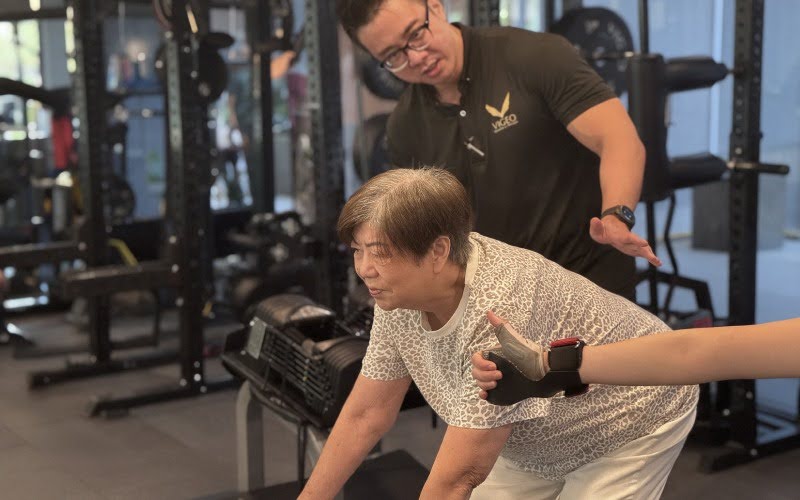
These are population-level guidelines, not a fixed prescription for every person. A personal trainer experienced in senior fitness can help you look at how these different forms of activity fit into your existing week and identify where you may need more attention.
Look at the Whole Week, Not One Workout
Attending strength training sessions does not automatically mean you meet your aerobic activity needs just because your heart rate increases during parts of the workout. Equally, walking regularly does not necessarily provide enough resistance to strengthen all the major muscle groups.
Instead, look at your activity across the whole week. What aerobic activity are you already doing? Where does your strength training fit? Are there areas, such as balance or everyday movement, that receive less attention?
Looking at the full week makes it easier to see what is already covered and where more activity may help.
Why We Look Beyond Your Training Sessions
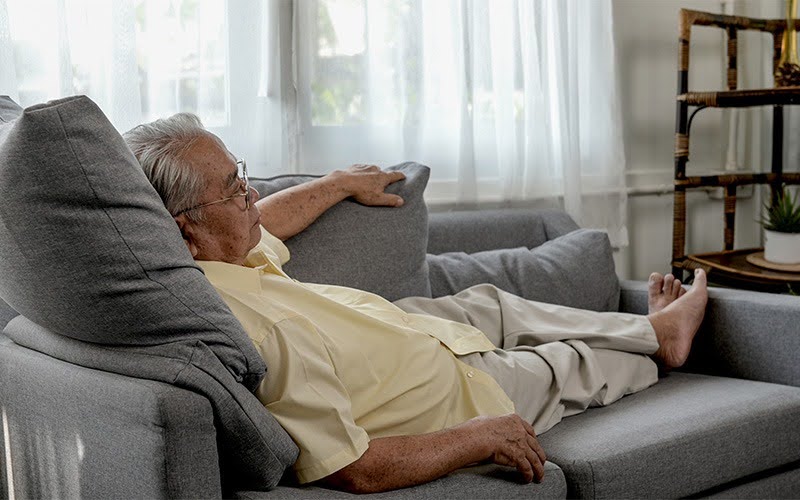
Two students who attend the same number of strength sessions can have very different activity levels across the rest of the week. One may already walk most days, while another may spend much of the week sitting.
This is why a fitness trainer who regularly works with older adults should look beyond what happens during coached sessions and consider:
- What physical activity do you already do during a typical week?
- How often do you do it, for how long, and at what level of effort?
- How much of your day is spent sitting?
- What makes regular activity difficult to maintain?
- Which activities do you enjoy and feel comfortable doing?
- How do your health considerations and recovery affect what is realistic?
The next step will not be the same for everyone. It might mean adding manageable aerobic activity, moving more frequently during the day, or finding an activity that fits more naturally into your existing routine.
We also look at what you actually manage to complete, how you feel afterwards, and what tends to get in the way. This helps turn broad exercise recommendations into a weekly routine that is realistic enough to maintain.
Supporting Long-Term Health Through Regular Activity
Exercise is only one part of reducing cancer risk, and being active cannot guarantee cancer prevention. However, regular physical activity is associated with a lower risk of certain cancers and supports several aspects of long-term health.
The goal is not to fit every benefit into a single workout. A sustainable week may include strength training, aerobic activity, balance work where appropriate, and more everyday movement between structured sessions.
If you are comparing gyms for seniors in Singapore, consider whether the coaching looks beyond individual workouts and helps you understand how your activity fits together across the week.
At Vigeo Health & Fitness, we help students understand how strength training, aerobic activity, and everyday movement fit together across the week.
If you would like guidance on how your current activity fits together across the week, speak with our coaches about building a routine you can realistically maintain.