

Key Takeaways:
- Osteoporosis prevention relies on regular, well-rounded movement rather than supplements alone.
- Weight-bearing exercises stimulate bones in ways non-weight-bearing activities cannot.
- Resistance training for bone health supports bone density improvement by strengthening muscles that load the skeleton.
- Flexibility and stability work reduce fall risk, which is critical as bones become more fragile with age.
- A guided, sustainable exercise plan helps older adults stay consistent and confident in their movement choices.
Building Stronger Bones Through Smarter Movement
Maintaining strong bones requires more than calcium and vitamin D. Osteoporosis prevention depends heavily on how the body is challenged through movement over time. Bone is living tissue that responds to physical stress, adapts to load, and weakens when it is underused. For adults over 40, and especially beyond midlife, combining cardio, strength, flexibility and mobility training offers a practical way to support bone density, joint health, and long-term independence. Each form of exercise plays a distinct role, but the greatest benefit comes from integrating all three into a balanced routine.
Why Exercise Matters for Osteoporosis Prevention
Osteoporosis develops when bone breakdown outpaces bone formation. This imbalance is influenced by aging, hormonal changes, inactivity, and certain medical conditions. Many people assume bone loss is inevitable, but the right kind of exercise is highly effective to improve bone density and prevent osteoporosis. Physical activity sends signals to the body to maintain bone strength, improves muscle support around vulnerable joints, and helps preserve coordination needed for daily tasks.
Weight-bearing Exercise and Bone Health
Most exercise are helpful to improve heart health, but it also contributes to bone density improvement when chosen carefully. Weight-bearing exercises such as brisk walking, stair climbing, hiking, and low-impact aerobics create gentle impact forces that stimulate bone remodelling. Over time, this helps bones in the hips and legs retain their mineral density and structural strength.
Non-weight-bearing activities like swimming and cycling are still valuable for endurance and joint comfort, especially for individuals with pain or mobility limitations. However, they should complement rather than replace weight-bearing options when osteoporosis prevention is the goal.
A common misconception is that any cardio improves bone density equally. In reality, bones respond best to activities where they support body weight against gravity.
Resistance Training to Preserve Bone Mass
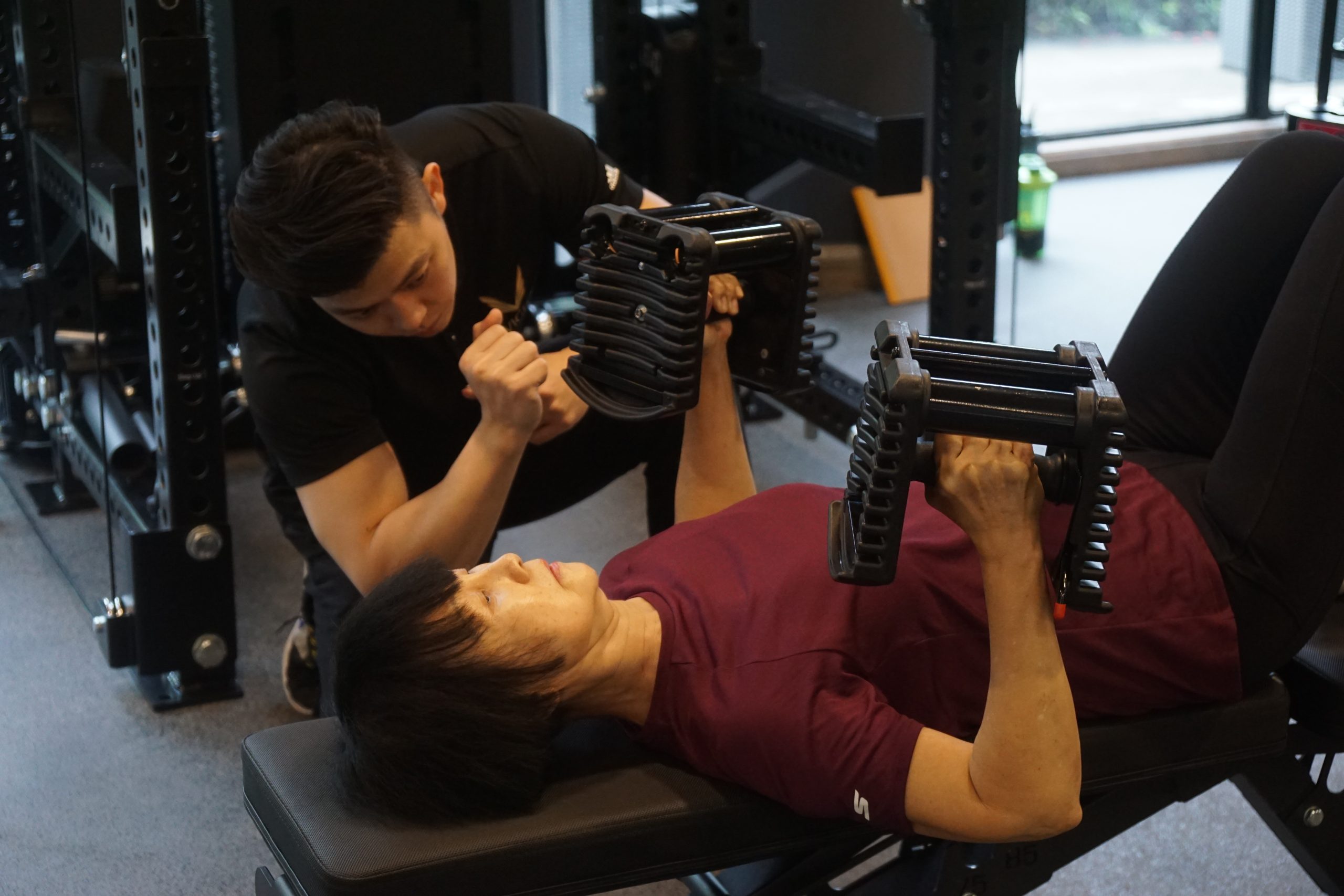
Resistance training for bone health is a cornerstone of osteoporosis prevention. Strength exercises place controlled stress on bones through muscle contractions, particularly at high-risk areas such as the spine, hips, and wrists. Over time, this stress signals bones to maintain or even increase density.
Strength training also counters age-related muscle loss, which plays a major role in fall risk. Stronger muscles improve posture, protect joints, and enhance the body’s ability to react quickly to balance challenges. Many older adults worry that lifting weights is unsafe, yet properly guided resistance training is often safer than unstructured daily movements. Working with a fitness trainer for seniors helps ensure exercises are scaled appropriately and performed with correct technique.
Flexibility, Stability, and Fall Prevention
Flexibility and stability exercises are often overlooked in osteoporosis discussions, but they play a critical protective role. Stretching maintains joint range of motion, reduces stiffness, and supports efficient movement patterns. Stability exercises such as controlled movements, single-leg exercises and coordinated transitions improve stability during everyday activities.
Falls are a leading cause of fractures in individuals with low bone density. Improving balance and body awareness can significantly reduce this risk. Flexibility and stability training does not strengthen bones directly, but it supports safer movement and complements strength and cardio work. This combination becomes especially important for individuals who feel unsteady or have already experienced minor falls.
Who Is Most Vulnerable and Common Concerns
Postmenopausal women, older men, individuals with a family history of osteoporosis, and those with sedentary lifestyles are especially vulnerable. Long-term steroid use, smoking, and certain chronic conditions further increase risk. A frequent concern is whether osteoporosis is irreversible. While lost bone cannot always be fully restored, bone density improvement is still possible in many cases, and further loss can often be slowed significantly.
Another misconception is that exercise must be intense to be effective. For bone health, consistency and progression matter more than intensity. Moderate, regular loading performed safely is far more beneficial than sporadic high-impact activity.
Integrating Weight-Bearing Exercises, Resistance Training, Flexibility, and Mobility Training
A balanced routine typically includes weight-bearing cardio several days per week, strength training two to three times weekly, and daily flexibility or balance work. The goal is not perfection but sustainability. Programs designed with a personal trainer for elderly adults focus on gradual progression, safety, and confidence rather than pushing limits.
Access to appropriate training environments also matters. Facilities with age-appropriate equipment, supervised sessions, and thoughtfully designed spaces can reduce injury risk and make regular exercise feel more manageable, especially for individuals who are new to structured training or returning after a period of inactivity.
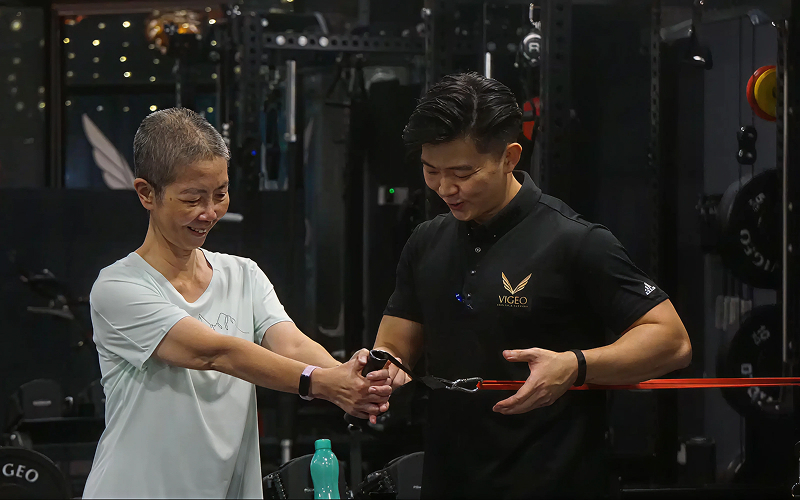
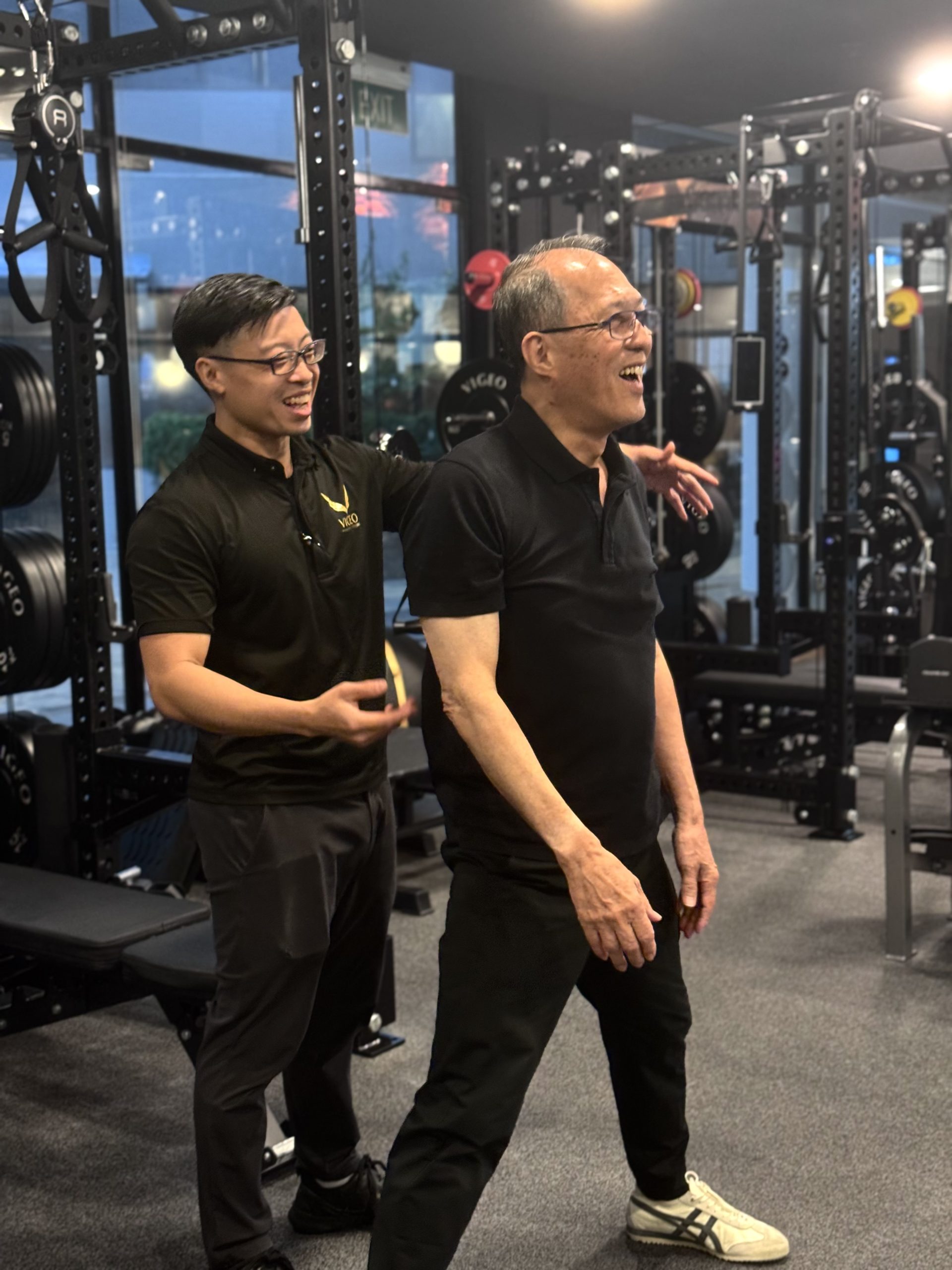
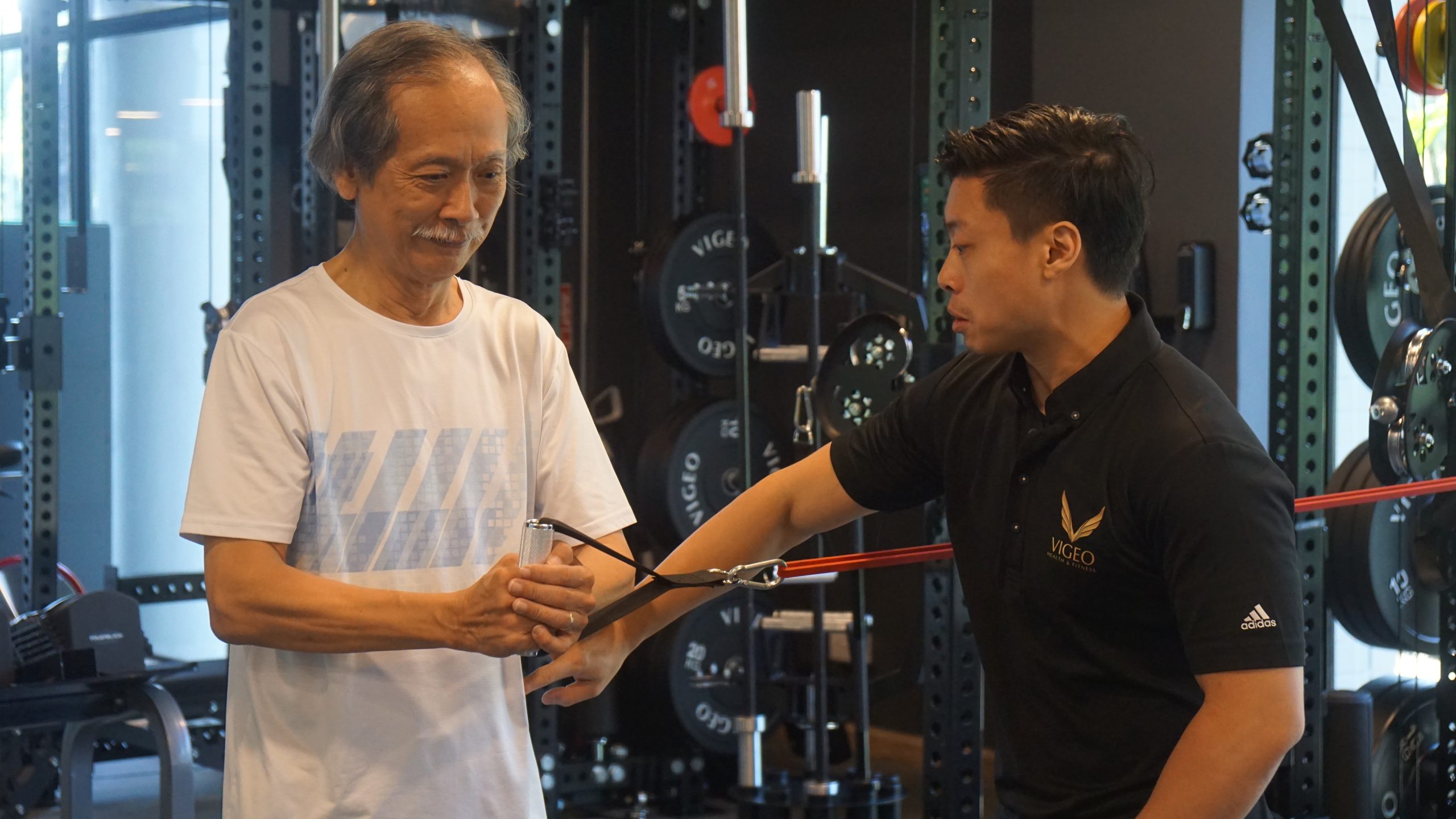
In Vigeo, we specializes with working with seniors with osteoporosis prevention by incorporating weight bearing movement, safe resistance training and good stability exercises
Consistency Over Intensity
For osteoporosis prevention, regular moderate exercise is more effective than occasional intense workouts. Bones respond best to repeated, manageable loading over time rather than short bursts of high effort. Establishing routines that feel achievable makes it easier to stay active long term. For many older adults, exercising in a structured environment such as a gym for elderly Singapore residents can provide access to appropriate equipment, guided support, and a safer setting that encourages consistency without unnecessary strain.
Moving Forward With Confidence
Preventing osteoporosis is not about a single exercise or a quick fix. It is about building a structured, balanced movement routine that supports bones, muscles, and joints together. With the right guidance, adults can move with confidence, reduce fracture risk, and stay active as they age. Contact us if you are looking for a structured program tailored to your needs, to learn how our specialized training services can support safe and effective osteoporosis prevention through guided cardio, strength, and flexibility training.