

Key Takeaways:
- Fatigue in elderly adults is often linked to muscle loss, reduced stamina, and slower recovery rather than age alone.
- Declining strength and balance increase the effort required for everyday movement, leading to quicker exhaustion.
- Targeted strength training helps reduce energy drain and supports daily independence.
- Safe, structured exercise improves confidence, mobility, and long-term stamina.
- Professional guidance ensures progress without increasing injury risk.
Is Fatigue in the Elderly Simply Part of Aging?
Fatigue in elderly adults is common, but it is not simply “a part of aging” that must be accepted. Fatigue is a persistent feeling of tiredness, weakness, or low energy that is not fully relieved by rest. It can affect physical strength, mental focus, and motivation, making everyday activities feel more demanding than usual.
Many seniors notice that tasks which once felt effortless now leave them tired more quickly.
- Walking short distances
- Climbing stairs
- Standing for extended periods.
This persistent tiredness often affects motivation, confidence, and independence.
In most cases, fatigue is not caused by a lack of willpower. It is the result of physical changes such as declining muscle strength, joint stiffness, and reduced cardiovascular efficiency. The encouraging news is that with the right approach, seniors can improve daily energy, move with greater ease, and feel more capable throughout the day.
Why Fatigue Happens More Easily as We Age
1. Muscle loss and strength decline
Adults can lose 3 to 8 percent of muscle mass per decade after 30, with the rate accelerating after 60. This contributes directly to muscle weakness in elderly adults. As the body ages, muscle mass naturally declines, contributing to muscle weakness in elderly adults. When muscles are weaker, everyday movements require more effort, increasing overall energy expenditure.
If climbing 1 flight of stairs once required 40 percent of your leg strength but now requires 70 percent, your body interprets that effort as draining. Weaker muscles require greater effort for the same task. That higher relative effort increases energy expenditure.
2. Balance and joint changes
Age-related changes in balance also play a role. The body recruits additional muscles to stay steady, this creates a situation where the same movement costs more energy than it did years earlier. Even simple walking may involve subtle over activation of stabilizing muscles. Over time, this adds up to greater energy drain. Over time, this leads to reduced stamina with ageing, especially in individuals who have been less physically active.
3. Reduced Stamina With Ageing
Cardiovascular efficiency declines gradually. The heart and lungs may not deliver oxygen as efficiently during activity, making light effort feel harder.
Reduced activity compounds this issue, creating a cycle:
Less movement → lower fitness → quicker fatigue → even less movement.
Common Causes of Fatigue in Elderly Adults
Fatigue often develops from multiple factors working together rather than a single cause. Weak leg and core muscles increase the effort required for standing, walking, and transfers. Balance changes force the body to work harder to stay upright. Joint discomfort may cause compensatory movements that use energy inefficiently.
Reduced heart and lung capacity can make light activity feel challenging. Poor sleep quality, chronic stress, or medical conditions further reduce energy reserves. Finally, lower activity levels create a cycle where declining fitness leads to greater fatigue, reinforcing inactivity.
How Fatigue Affects Daily Life and Independence
When fatigue becomes part of daily life, seniors may begin to adjust their routines. Walking speed slows, household tasks feel overwhelming, and confidence in movement declines. Fear of falling may increase, leading to avoidance of outings or social activities.
These changes are not simply lifestyle choices. They are protective responses to a body that feels less reliable. Over time, reduced activity can accelerate physical decline, making fatigue more persistent and independence harder to maintain.
Strength Training: A Practical Way to Improve Daily Energy
Strength training is one of the most effective ways to address fatigue in elderly adults. Stronger muscles allow the body to perform daily tasks using less effort, conserving energy throughout the day. Stronger muscles reduce the relative effort required for daily tasks. When a movement demands 40 percent of capacity instead of 70 percent, it feels easier and less draining.
Functional movements are especially beneficial. Squatting patterns support sitting and standing. Hip hinging strengthens the muscles used for bending and lifting. Pulling and pushing movements prepare the body for real-life tasks such as opening doors or carrying groceries.
Lower-body and core strength deserve particular focus, as they support balance and posture. Including single-leg exercises helps prevent over-reliance on one side and reduces inefficient movement patterns that drain energy.
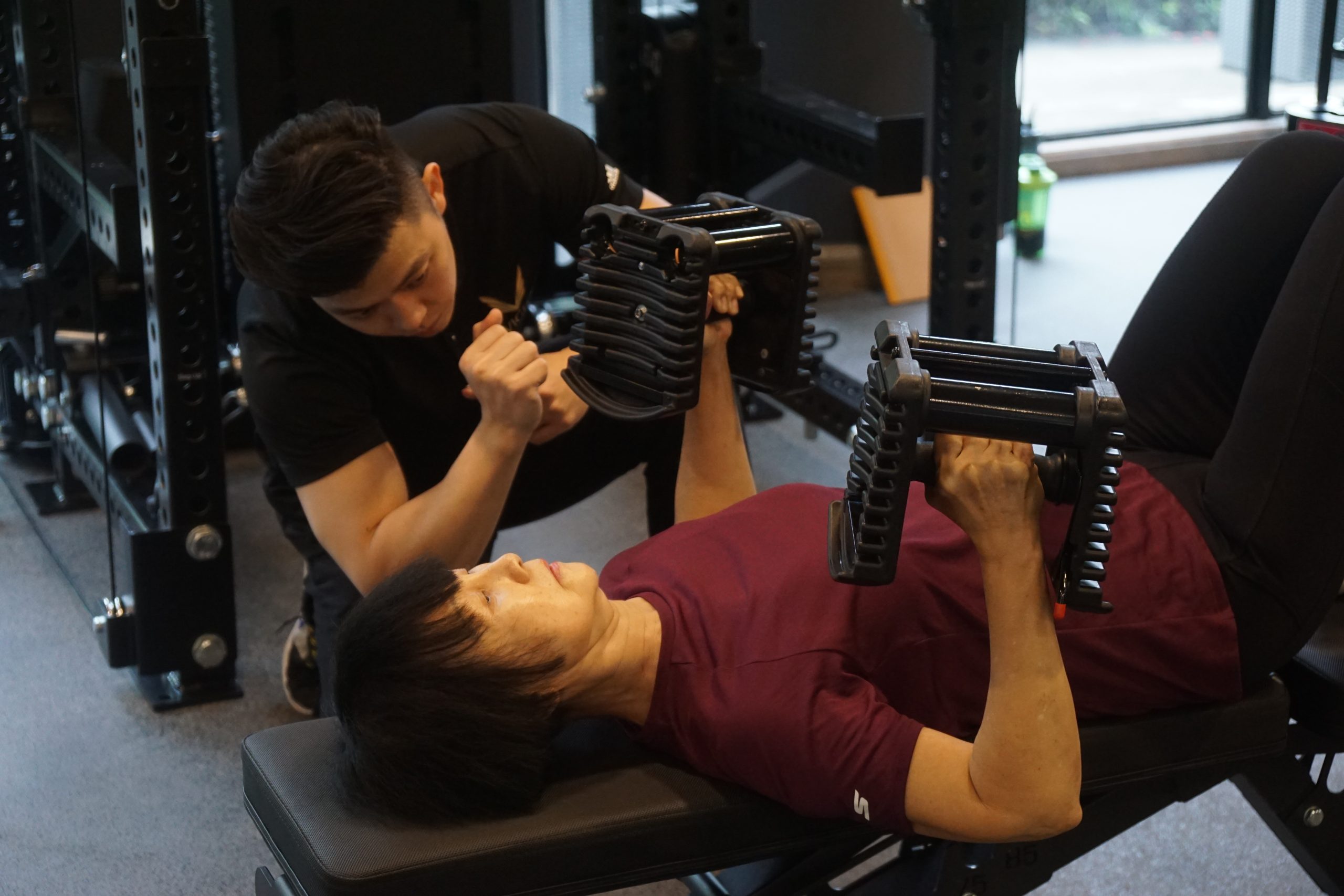
A practical approach involves a minimum of two to three sessions a week with a qualified personal trainer for the elderly. This guidance reduces guesswork and supports sustainable improvement.
Common Misconceptions and Safety Considerations
A common misconception is that seniors should avoid strength training to prevent injury. In reality, avoiding strength work often increases fall risk and fatigue. Another frustration is expecting quick results. Energy improvements tend to appear gradually as movement becomes more efficient.
Safety is essential. Exercises should be tailored to current ability, joint comfort, and balance levels. Proper supervision ensures progression happens safely, especially for those managing chronic conditions or long periods of inactivity.
How Professional Guidance Makes a Difference
Generic group workouts are not designed for individuals experiencing fatigue or reduced stamina with ageing.
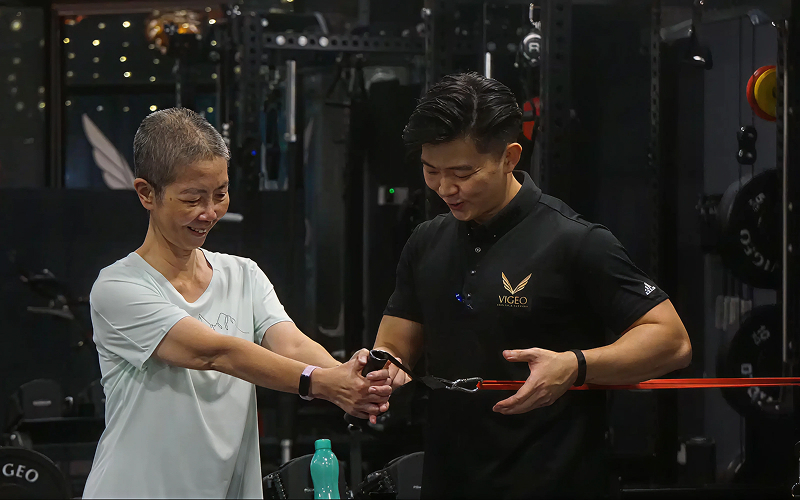
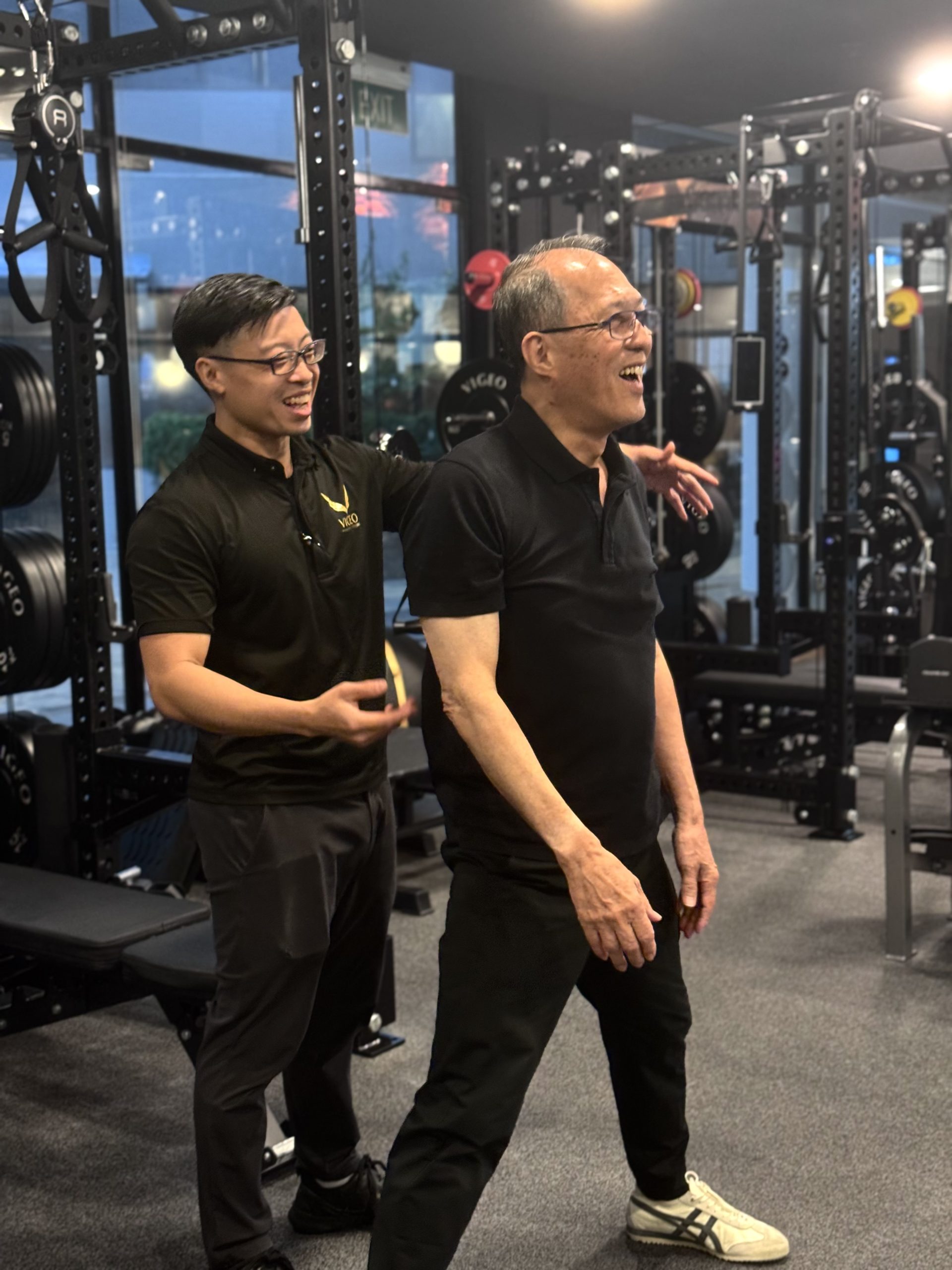
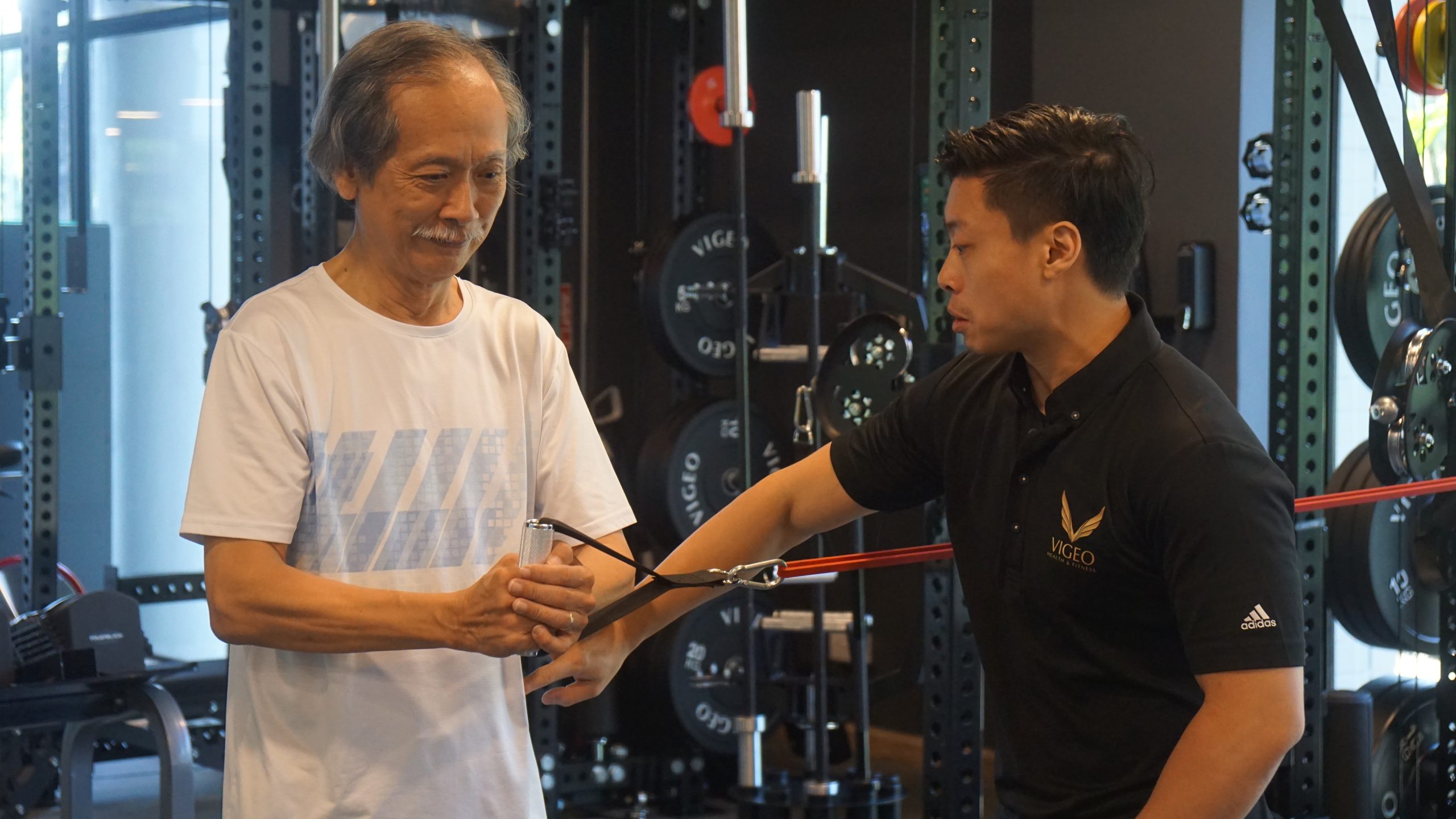
Working with a qualified fitness trainer for seniors provides structure and clarity at a stage where uncertainty can easily lead to hesitation or inactivity. A guided approach allows exercise routines to be adjusted based on current strength, balance, joint comfort, and energy levels, rather than following generic recommendations. This helps ensure that movement supports daily function without placing unnecessary strain on the body.
Professional guidance also introduces an important layer of monitoring. Changes in fatigue, coordination, or discomfort can be identified early and addressed through adjustments in exercise selection, pacing, or recovery. This reduces the risk of overexertion and builds confidence, especially for individuals who may be returning to activity after a long period of inactivity.
At Vigeo, programs are designed specifically for adults 50 and above to train in a gym for the elderly in Singapore.
Training is conducted in a calm, structured, senior-focused environment rather than a high-intensity commercial gym setting.
Our approach emphasizes controlled loading, proper technique, and gradual reserve building.
This allows seniors to improve their fitness without feeling overwhelmed.
Improving Energy With the Right Support
Fatigue in elderly adults does not have to define later life.
Energy improves when:
- Muscle strength increases
- Movement efficiency improves
- Functional reserve expands
- Confidence returns
The goal is not intense workouts. It is restoring enough strength so daily life feels lighter.
If you or a loved one are experiencing ongoing fatigue and want a safe, supportive way to improve daily energy, contact us to learn how our senior-focused training services can help. Our team is dedicated to helping older adults move better, feel stronger, and maintain independence with confidence.