

You might notice that the weight loss strategies that worked before in your 20s no longer deliver the same results, and even shedding a few pounds feels like a significant challenge. This isn’t a sign of personal failure, but a reflection of the physiological changes your body is experiencing at this stage in your life.
Losing weight after reaching 40 years old can be more difficult, but that doesn’t mean it’s impossible.
The reality of weight management as we age
Losing weight can become increasingly difficult after age 40, even in small amounts. This is influenced by a combination of factors, including hormonal shifts, decreased activity levels, evolving eating habits, and a general slowing of your metabolism.
Furthermore, certain health conditions, such as hypothyroidism, menopause, and Cushing syndrome, along with their corresponding medications, can also directly impact weight management.
Key factors contributing to midlife weight gain
Struggling to manage your weight in midlife? Instead of struggling against your body, learn to work with it by understanding these contributing factors.
1. Age-related muscle loss
Also known as sarcopenia, muscle mass naturally declines as we age. This process can begin as early as age 30 and often accelerates between 65 and 80. The rate of muscle loss may vary, but you can lose as much as 8% each decade.
The problem with losing muscle is that it directly impacts your metabolism. Muscle is metabolically active, which means it burns calories even when you are resting. With less muscle, your body’s resting metabolic rate slows down, meaning you burn fewer calories daily. If your calorie intake remains the same as it was in your 30s, this metabolic slowdown makes weight gain almost inevitable. Moreover, inactivity, whether due to a health condition or an injury, can also speed up this process, making it a critical factor to address.
2. Hormonal fluctuations
Hormones play a significant role in midlife weight management, and their changes can be a major contributing factor to weight gain.
- For women: The period of perimenopause and menopause, typically happening between the ages of 45 and 55, brings a drop in estrogen levels. This hormonal shift can make you less responsive to insulin, which is also called insulin resistance, and slow metabolism. As a result, this leads to weight gain and changes in fat distribution. Furthermore, this change in fat distribution, in addition to mood fluctuations, can make weight loss incredibly frustrating for 40s women.
- For men: Men experience a more gradual decline in testosterone, typically around 1-2% per year after age 40. This decline can impact muscle strength and calorie burning, as well as influence where the body stores fat.
- For both men and women: When reaching middle age, the production of growth hormone, which is vital for building and maintaining muscle, also naturally decreases. In turn, this affects your body’s ability to burn calories and manage weight.
3. Slowing metabolic rate
For men and women, a slowing metabolism is a central reason why it is more difficult to lose weight when you’re older. The body’s Basal Metabolic Rate (BMR) is the number of calories your body needs to burn to perform basic functions. As muscle mass decreases with age, your BMR slows down.
Moreover, a natural reduction in overall physical activity that often comes with age contributes to this slowdown, and certain health conditions that become more prevalent in midlife can also have a direct impact on how efficiently your metabolism functions.
4. Increased work and lifestyle demands
Modern life, especially for those in their 40s, is often really stressful. Demanding careers, particularly those involving desk jobs and long commutes, can lead to reduced physical activity during the day, making it hard to lose weight. Meanwhile, some are already exhausted after a long day of work, meaning they lack the energy to engage in physical activities.
Likewise, being too busy can lead to poor food choices, such as relying on vending machines, fast food, or takeout, which are often high in calories, sugar, and unhealthy fats. The constant pressure of work-related stress can also increase cortisol and ghrelin, the body’s hunger hormone, which promotes overall weight gain and can lead to increased emotional eating.
5. Evolving life stages and responsibilities
Major life changes in midlife can also contribute to weight gain. Starting a family or caring for aging parents often reduces the amount of personal time you have for exercise and healthy meal preparation. These significant shifts in responsibility can make it feel challenging to prioritize your own health, often leading to a gradual increase in weight over time without you even noticing it.
Science-backed strategies to combat midlife weight challenges
Consider these tips to help you achieve lasting results.
1. Building and preserving muscle mass
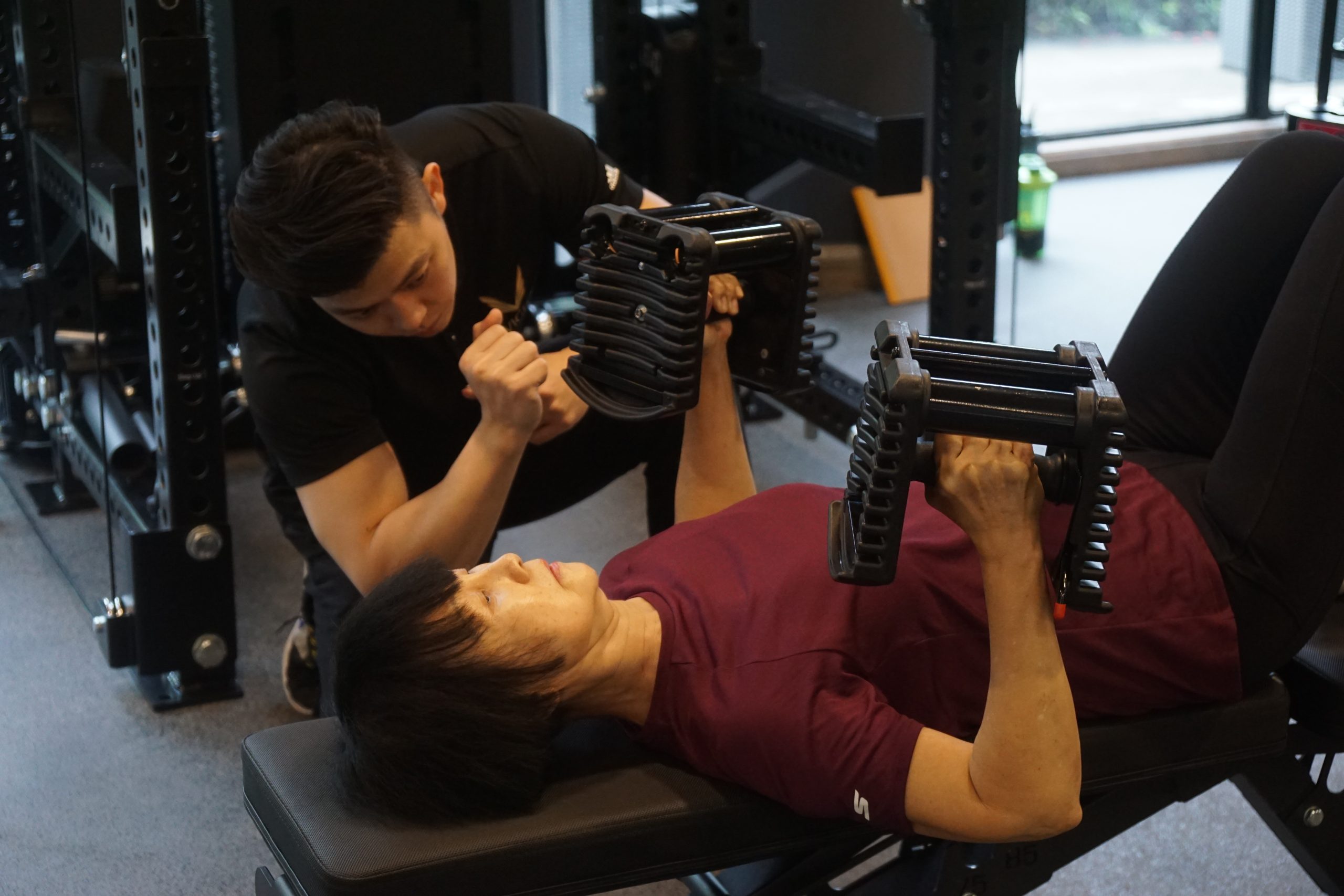
Adding strength training to your routine is an impactful strategy to combat age-related muscle loss, as it can help boost your metabolism by building muscle, which burns more calories than fat.
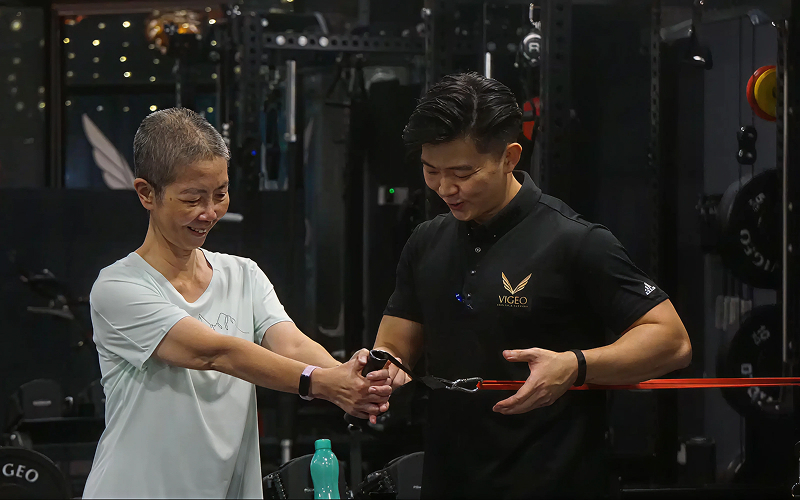
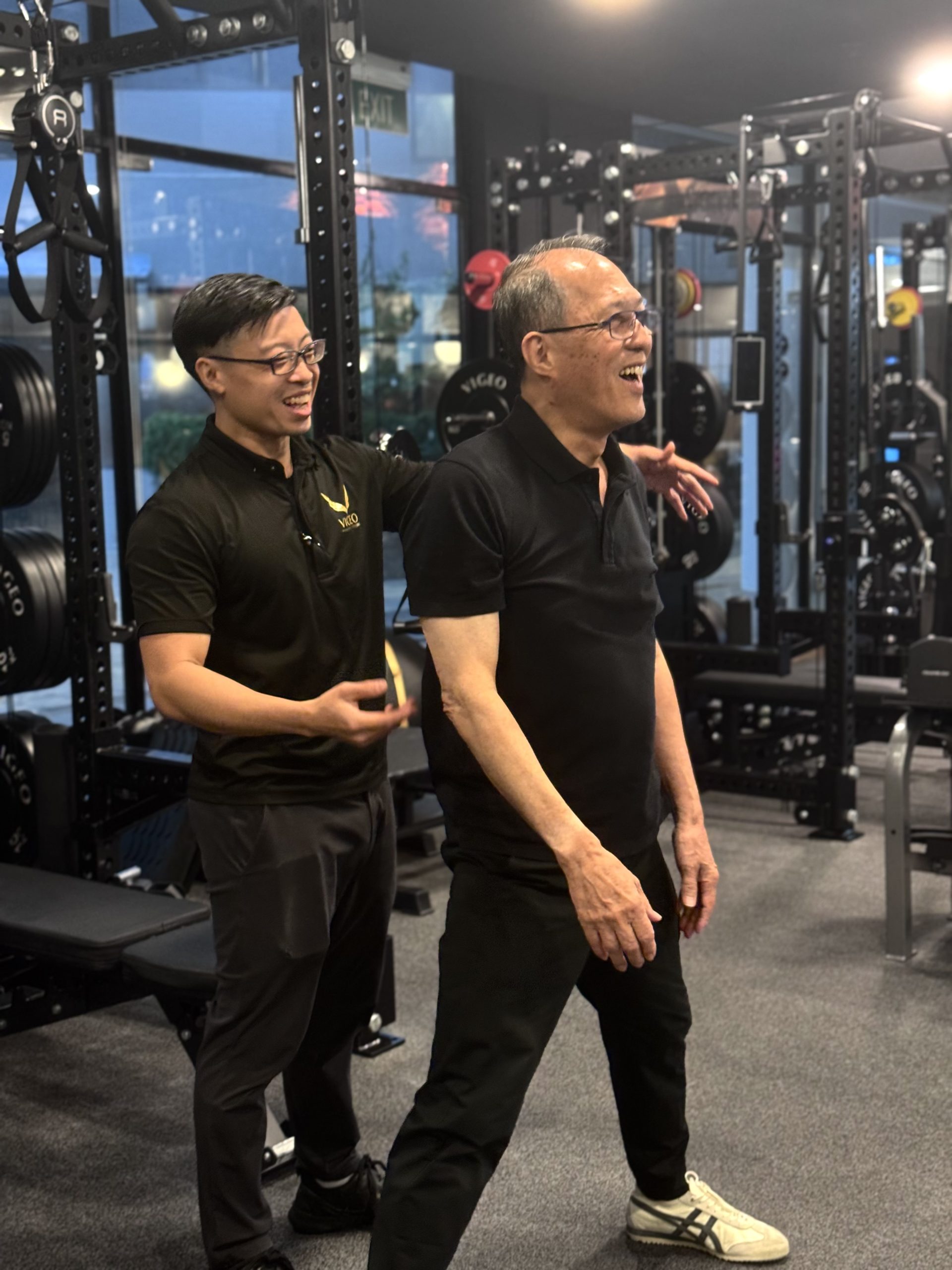
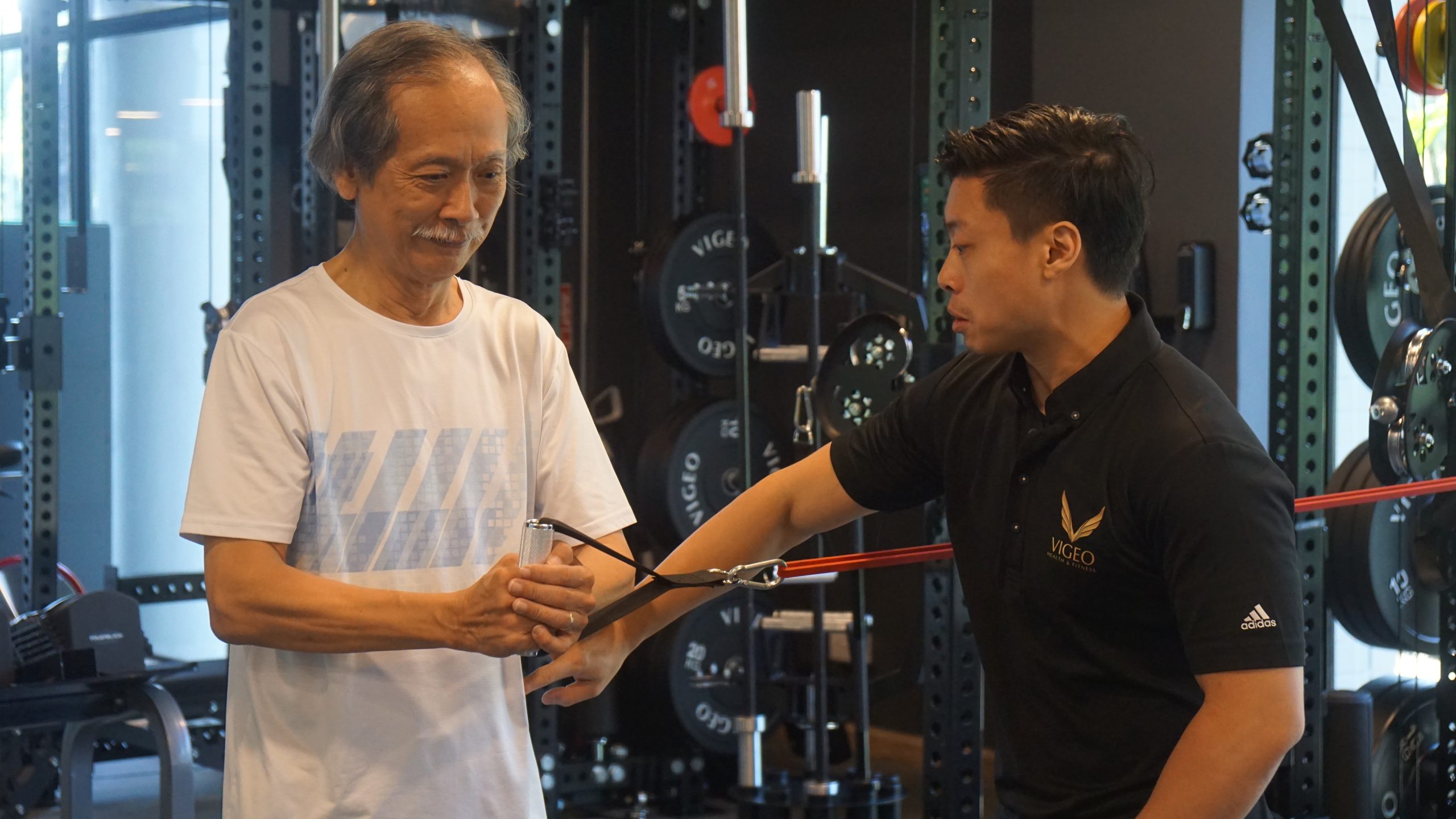
To support this effort, aim to lift weights or perform body-weight exercises at least twice a week. You can get the services of a dedicated coach or personal trainer for seniors, such as from Vigeo, to ensure your strength training program is safe and effective. They can provide recommendations on the proper exercise variations and the correct number of repetitions to help you build progress sustainably.
Also, ensure you’re getting an adequate amount of protein daily. As you get older, your body needs 50% more protein than it did when you were younger to preserve your muscle mass and strength. For those in their 40s, a good target is about 0.8g per kilogram of body weight. At the same time, those 50 and beyond should aim for about 1.2g per kilogram of body weight to support muscle size and function.
2. Increasing overall physical activity

n addition to strength training, it’s also important to increase your overall physical activity. The goal is to have at least two and a half hours of moderate physical activity per week, such as brisk walking or light yard work. Alternatively, you can break up your activity into shorter bursts, such as three 10-minute walks per day, to make it easier to fit into a busy schedule.
For a more time-efficient option, consider High-Intensity Interval Training (HIIT). This workout generally includes squats, push-ups, and sprints, and can boost your calorie burn both during and after your workout. However, it’s important to note that the effects of HIIT on fat loss in older women may vary, so it’s best to find what works for you.
3. Prioritizing nutrient-dense foods
The foundation of a healthy diet is nutrient-dense foods. Make fruits, vegetables, lean protein, whole grains, and beans a part of your meals. These foods are not only high in vitamins and minerals but are also lower in fat and calories, and their high fiber content promotes satiety, helping you feel full and satisfied. At the same time, it’s important to limit processed foods, fried foods, fast food, and sugary beverages due to their excess fat, sugar, and empty calories.
To create a healthy plate, try to divide it into three sections. The goal is to fill a quarter of your plate with whole grains, a quarter with a good source of protein, and the remaining half with a variety of fruits and vegetables to help with your weight loss journey and get the essential nutrients you need.
4. Mindful eating for satiety
Mindful eating is a technique that can help your weight management efforts, especially as we get older. By eating slowly and deliberately, you give your body the time it needs to recognize fullness. This practice allows you to pay attention to your food rather than being distracted by TV or computer screens. It also helps you become more in tune with your hunger and fullness cues, which in turn helps you avoid overeating.
5. Prioritizing quality sleep
Getting a good night’s sleep can become more challenging as we get older. This is due to common sleep disruptions such as stress, health problems, medications, and menopause.
Not getting enough sleep can leave you feeling low on energy and too tired to exercise. This decrease in physical activity can lead to weight gain over time because you’re not burning enough calories, and you’re not building the muscle mass that helps keep your metabolism running efficiently.
It also creates a hormonal imbalance in your body, raising the hormone that makes you hungry (ghrelin) and lowering the one that helps you feel full (leptin). And because of this imbalance, sleep deprivation may lead to a higher calorie intake as you are more likely to eat more during the day.
6. Effective stress management
When you’re under constant stress, your body releases a hormone called cortisol. This hormone signals your body to store more fat, particularly in your midsection. Plus, stress can make you look older than your age as cortisol blocks the production of hyaluronan synthase and collagen, two substances that are essential for keeping your skin plump and vibrant.
That’s why finding ways to de-stress can be good for both your physical and mental well-being and your waistline. Simple practices like mindfulness, meditation, journaling, and the calming practice of yoga can help lower your cortisol levels. If you want more movement, brisk walking can also help you unwind, stimulate the release of endorphins, which are natural mood lifters, and create a healthier hormonal environment in your body, which in turn supports your goal of losing weight.
7. Maintaining optimal hydration
Often, your body can mistake thirst for hunger, causing you to eat when you’re simply thirsty. That’s why it’s important to drink water or other zero-calorie beverages, such as unsweetened herbal tea, to avoid this.
In particular, green tea contains natural compounds like catechins and caffeine that can help support your weight loss efforts. These ingredients may boost your metabolism and increase the number of calories you burn each day, helping your body burn fat more efficiently.
Also, it’s best to avoid sugary drinks like sodas, fruit drinks, and sweetened waters. These beverages contain empty calories and can cause your blood sugar to spike and crash, which leads to you feeling hungry again much sooner. This cycle can increase your overall calorie intake and contribute to weight gain.
A holistic view: Beyond the scale
Whether a male or female, your body is changing upon reaching your 40s, and what’s needed is a new approach to health and fitness. The goal isn’t just about a specific number on the scale. It’s about unlocking your best self, which means having more energy, improving your mental well-being, preserving your independence, and enjoying a better quality of life.
For those who are finding it hard to lose weight and looking for a sustainable path to achieve it, Vigeo can provide the guidance you need. Our fitness trainers in Singapore specialize in creating tailored plans that take into account all the factors mentioned above, ensuring your journey is safe, effective, and perfectly suited to your body.
Even at age 40, it’s never too late to take control of your health and build the foundation for a vibrant, energetic future. Reach out to us today and start your journey to lasting health and vitality.