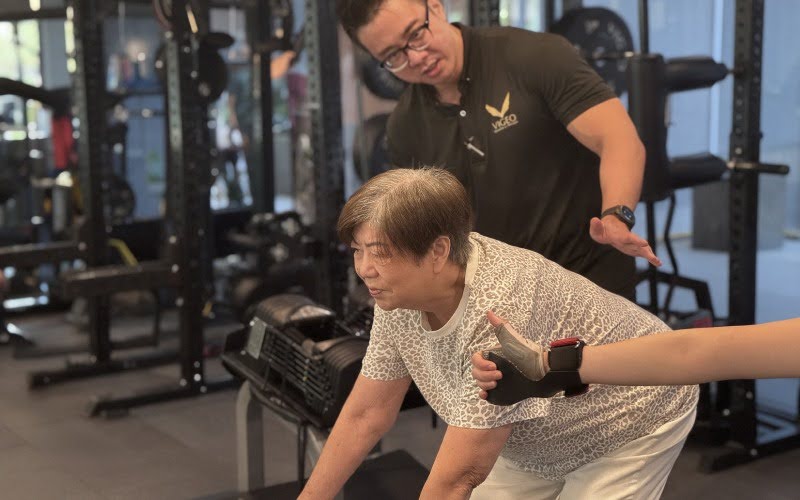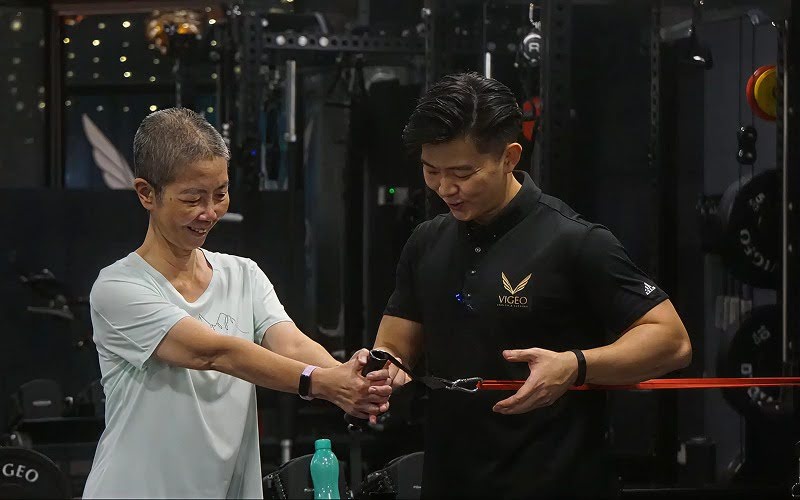


Being active is vital for everyone at any age. But how men and women approach their fitness, especially strength training, might look slightly different after 40. That’s because our bodies undergo different hormonal and physical changes at this life stage.
As men and women move beyond their 40s, natural changes in muscle mass, hormone levels, recovery capacity, and joint health begin to influence how the body responds to exercise.
Understanding how strength training should evolve as you age can help both men and women adjust their routines more effectively. With the right strategies, it is still possible to build strength, support mobility, and maintain overall health while addressing the physical changes that commonly occur during this stage of life.
Key Takeaways
- Strength training after 40 requires a smarter approach, focusing on balanced intensity, proper recovery, and long-term consistency rather than simply increasing workout volume.
- Both men and women experience physiological changes in their 40s, including shifts in hormones, metabolism, and muscle mass, making resistance training increasingly important for maintaining strength and overall health.
- For women, strength training helps support bone density, manage hormonal changes, improve posture, and maintain functional strength for everyday activities.
- For men, regular resistance training can help preserve lean muscle mass, support metabolic health, maintain testosterone levels, and contribute to long-term cognitive and physical function.
- With structured guidance and a personalized training plan, strength training in your 40s can help improve mobility, energy levels, body composition, and overall quality of life.
Under 40 vs Over 40–50+ (What Actually Changes)
While strength training remains beneficial at any age, the way the body responds to training can change gradually after 40. Factors such as recovery speed, joint health, hormonal shifts, and lifestyle stress can influence how workouts should be structured. Understanding these differences helps individuals adjust their training approach to continue building strength safely while supporting long-term health and consistency.
| Training Factor | Under 40 (Focus: Faster Gains) | Over 40–50+ (Focus: Strength + Longevity) |
| Main Goal | Build muscle, improve performance, and develop physique | Maintain or build muscle, protect joints, and support long-term strength |
| Recovery | Generally faster recovery, able to tolerate more intense sessions | Recovery tends to be slower, with sleep and stress having greater impact |
| Training Style | Higher training volume is often manageable (more sets and sessions) | Maintain intensity but control volume to avoid excessive fatigue |
| Conditioning | Can perform higher-frequency HIIT if recovery and sleep are adequate | Prioritise low-impact cardio with less frequent high-intensity sessions |
| Warm-up | Shorter warm-ups may still be effective | Longer warm-ups with mobility and muscle activation become more important |
| Progress Signals | Personal records, visible muscle gain, and rapid improvements | Gradual strength gains, fewer aches, stable energy levels, and consistent training |
| Common Risk | Inconsistent programming or frequently changing training plans | Training too intensely without allowing sufficient recovery |
For Women Over 40: Strength, Bone Health & Hormone-Smart Training
For many women, their 40s mark a transition in how the body responds to exercise. Hormonal shifts, changes in recovery capacity, and gradual reductions in muscle mass can influence how training feels and how quickly the body adapts. Rather than doing more workouts, the focus often shifts to training with greater intention. Strength training becomes a key tool for maintaining muscle, supporting bone health, protecting joints, and sustaining energy levels through midlife and beyond.
Your 40s Are Less About “Doing More” and More About Training Smarter
Training after 40 is often about improving quality rather than increasing volume. Structured strength sessions, adequate recovery, and well-planned progressions can help maintain muscle and reduce unnecessary strain on joints. Many women benefit from a balanced routine that combines resistance training, mobility work, and moderate conditioning. Working with a personal trainer for female clients can provide access to workouts guided to individual goals, fitness levels, and recovery needs.
Navigating Hormonal Shifts After 35: Why Strength Training Matters More
Hormonal changes often begin gradually in the mid-30s and continue into the 40s, with fluctuations in estrogen and progesterone influencing energy levels, muscle recovery, and body composition. Strength training plays an important role during this stage by helping to maintain lean muscle mass and supporting metabolic health. Consistent resistance training also helps the body adapt to these hormonal shifts, making it easier to stay strong and active over time. Guidance from a personal trainer for menopause may also be helpful for women navigating perimenopause or menopause-related changes.
Building Resilience: Reduce Aches and Injury Risk by Strengthening the “Support System.”
Many everyday aches are linked to underactive or weak stabilizing muscles. For example, persistent back discomfort may be associated with a weak core, knee pain may relate to insufficient glute strength, and foot issues can sometimes stem from limited ankle stability. Strength training helps address these imbalances by strengthening key muscle groups such as the glutes, deep core, and shoulder stabilizers. Over time, stronger muscles can help distribute forces more effectively across joints and improve overall movement control.
Bone Density and Fracture Prevention: Make Strength Training a Non-Negotiable
Bone density gradually declines with age, and women are particularly susceptible to osteoporosis later in life. Weight-bearing and resistance exercises stimulate bone tissue, helping the body maintain stronger bones over time. Strength training after 40, therefore, supports not only muscle health but also long-term skeletal strength, which may reduce the risk of fractures as you age.
Preserving Everyday Function: Train for Capability, Not Just Aesthetics
Maintaining muscle mass and joint stability is essential for everyday movement. Activities such as climbing stairs, carrying groceries, lifting objects, or staying active with family all rely on functional strength. Training the body through compound movements and stability exercises helps preserve mobility and independence. Strength training is therefore not only about appearance but also about staying physically capable and confident in daily life.
Igniting Metabolism and Improving Body Composition: Focus on Muscle Gain, Not Scale Weight
Strength training helps increase lean muscle mass, which in turn raises the body’s basal metabolic rate. Because muscle tissue requires more energy to maintain, this can slightly increase the number of calories the body burns at rest. Muscle is also denser than fat, meaning changes in body composition may occur even if scale weight remains relatively stable. Prioritizing muscle development can therefore support healthier body composition during hormonal transitions.
Finding Alignment: Posture and Body Mechanics (Especially if You Sit a Lot)
Modern lifestyles often involve prolonged sitting, which can contribute to muscular imbalances and postural changes. Strength training can help counter these effects by strengthening the posterior chain, including the back, glutes, and scapular stabilizers, while improving core stability. Targeting deeper muscles such as the transversus abdominis may support spinal stability and help reduce certain types of lower back discomfort. When combined with mobility work and improved daily movement habits, strength training can contribute to better alignment and more efficient body mechanics.
For Men Over 40s: Maintain Lean Mass, Energy & Long-Term Strength

Men also experience gradual physical changes as they move into their 40s. While hormonal shifts tend to occur more slowly than in women, factors such as declining muscle mass, reduced recovery capacity, and subtle hormonal changes can influence overall strength and energy levels. Maintaining a structured strength training routine can help support long-term health, physical performance, and overall vitality as the body ages.
Building a Strong Foundation: Maintaining Bone Density
Although bone density loss generally occurs later in men compared to women, the process can still begin gradually over time. Strength training provides an effective stimulus that encourages bone maintenance by placing controlled stress on the skeletal system. Exercises using free weights, machines, or bodyweight movements help stimulate bone remodelling and support stronger bones. Maintaining this type of resistance training in your 40s can help reduce the likelihood of fractures and mobility limitations later in life.
Protecting Cognitive Function: Train for Your Brain, Not Just Your Body
Physical activity supports more than muscular health. Research suggests that regular exercise, including resistance and cardiovascular training, may contribute to maintaining brain health as people age. One area of the brain involved in learning and memory, the hippocampus, can gradually shrink over time. Regular exercise may help support brain function and reduce the likelihood of cognitive decline by encouraging healthy circulation and neural activity. Staying physically active benefits both physical performance and mental well-being.
Preserving Lean Mass and Boosting Calorie Burn: Start Before Muscle Loss Accelerates
Age-related muscle loss, known as sarcopenia, can begin as early as the 30s. As muscle mass declines, metabolism may slow, and everyday physical tasks can gradually feel more demanding. Strength training helps counter this process by stimulating muscle growth and preserving lean mass. Consistent resistance exercises such as squats, lunges, push-ups, and pull-ups can help maintain strength and support a healthier metabolic rate. For individuals aiming to manage body composition more effectively, structured training programmes such as those guided by a personal trainer for weight loss in Singapore can provide a balanced approach that combines strength training, conditioning, and sustainable lifestyle habits.
Supporting Hormonal Health: Preserving Testosterone Levels Through Training and Body Composition
Testosterone naturally declines with age, typically beginning in the early 30s. While the change is gradual, maintaining healthy hormone levels plays an important role in muscle strength, bone health, and overall energy levels. Strength training can help support hormonal balance by stimulating muscle activity and encouraging healthy body composition. Maintaining a healthy weight, particularly reducing excess abdominal fat, may also contribute to healthier testosterone levels over time.
Structuring your strength routine in your 40s

Entering your 40s doesn’t mean you need to overhaul your entire approach to fitness, but it does call for a strategic plan. Also, paying attention to how you feel is important as you get stronger and avoid injuries.
Here’s a simple way to set up your week and build strength in your 40s:
Know how often you should do strength training when over 40:
Aim for at least two to three times per week. And then build consistency by making it a regular part of your weekly routine, gradually increasing frequency or intensity as your body adapts and you feel more comfortable.
Do a mix of compound exercises and accessory exercises.
Compound exercises like squats, deadlifts, bench presses, and rows are highly efficient for building overall strength and burning calories. Meanwhile, accessory exercises, such as split squats, reverse planks, and feet-elevated bench presses, complement your main workouts by strengthening smaller or imbalanced muscles, leading to greater overall strength and helping you push past plateaus. By varying your routine with these targeted moves, you can also protect your joints and reduce wear and tear on your body, ultimately minimizing injury risk and enhancing performance.
Consider how many sets and reps you’re doing.
This depends on your goals, but the three common rep ranges are 3 to 5 sets of 2 to 6 reps per exercise for building strength, 3 to 4 sets of 6 to 12 reps for building muscle, and 2 to 3 sets of 12 to 20 reps for muscle endurance. The bottom line is that the weight and intensity should feel challenging, but you should still be able to do the exercises in good form. For the right rep range for you, it’s best to consult with a personal trainer for the best results.
Keep challenging your muscles over time.
This is called progressive overload. You can do this by lifting more weight, doing more reps or sets, or taking shorter breaks between exercises. To keep you accountable and help ensure consistent growth, track your progress with simple metrics, such as weights lifted, sets completed, or rest time between sets.
Understand that strength training is just one part of staying healthy.
Try to move your body daily in ways you enjoy, like walking, yoga, or taking the stairs. For lasting fitness, the key is to discover a balanced approach that you can consistently stick with.
Conclusion
Reaching your 40s is not a signal to slow down but an invitation to become even more intentional about your health and well-being. It is an opportunity to approach fitness with greater intention and a focus on long-term health. Strength training in your 40s can help maintain muscle mass, support bone health, improve mobility, and sustain energy levels. By adjusting training methods to suit changing recovery needs and physical demands, both men and women can continue building strength while protecting their bodies for the years ahead.
Starting or returning to strength training in your 40s can feel daunting, but with the right support, it becomes empowering. At Vigeo, our experienced trainers understand the unique considerations that come with training after 40 and can help design programs tailored to your goals, fitness level, and lifestyle.
If you are ready to take a more intentional approach to your health and strength, consider beginning your journey with professional guidance. Book a consultation with the team at Vigeo to explore how a personalized training plan can support your fitness and well-being in your 40s and beyond.