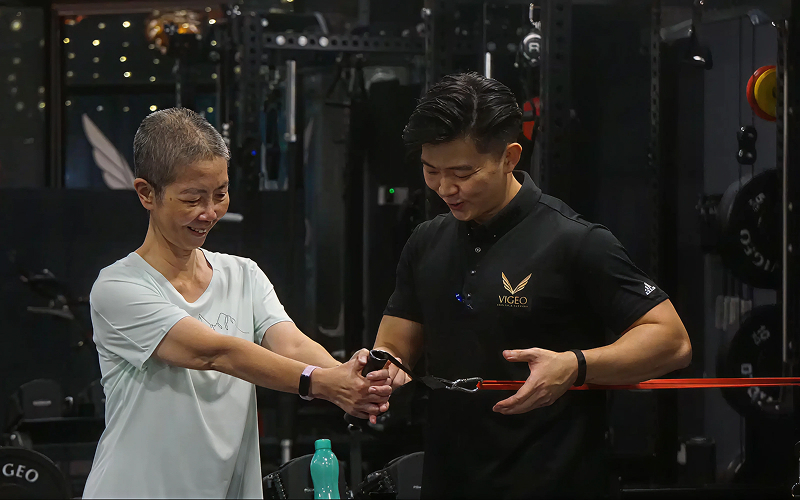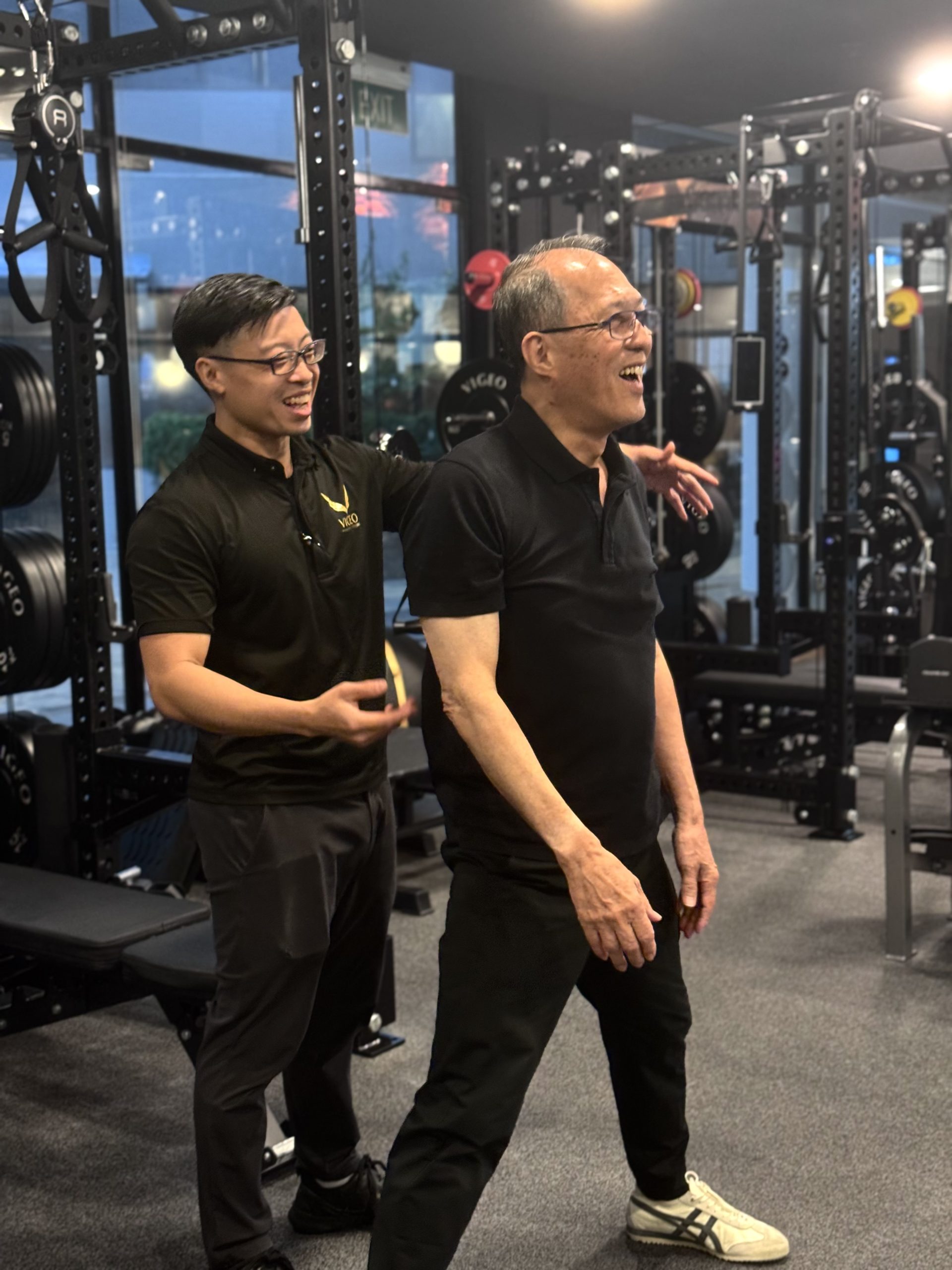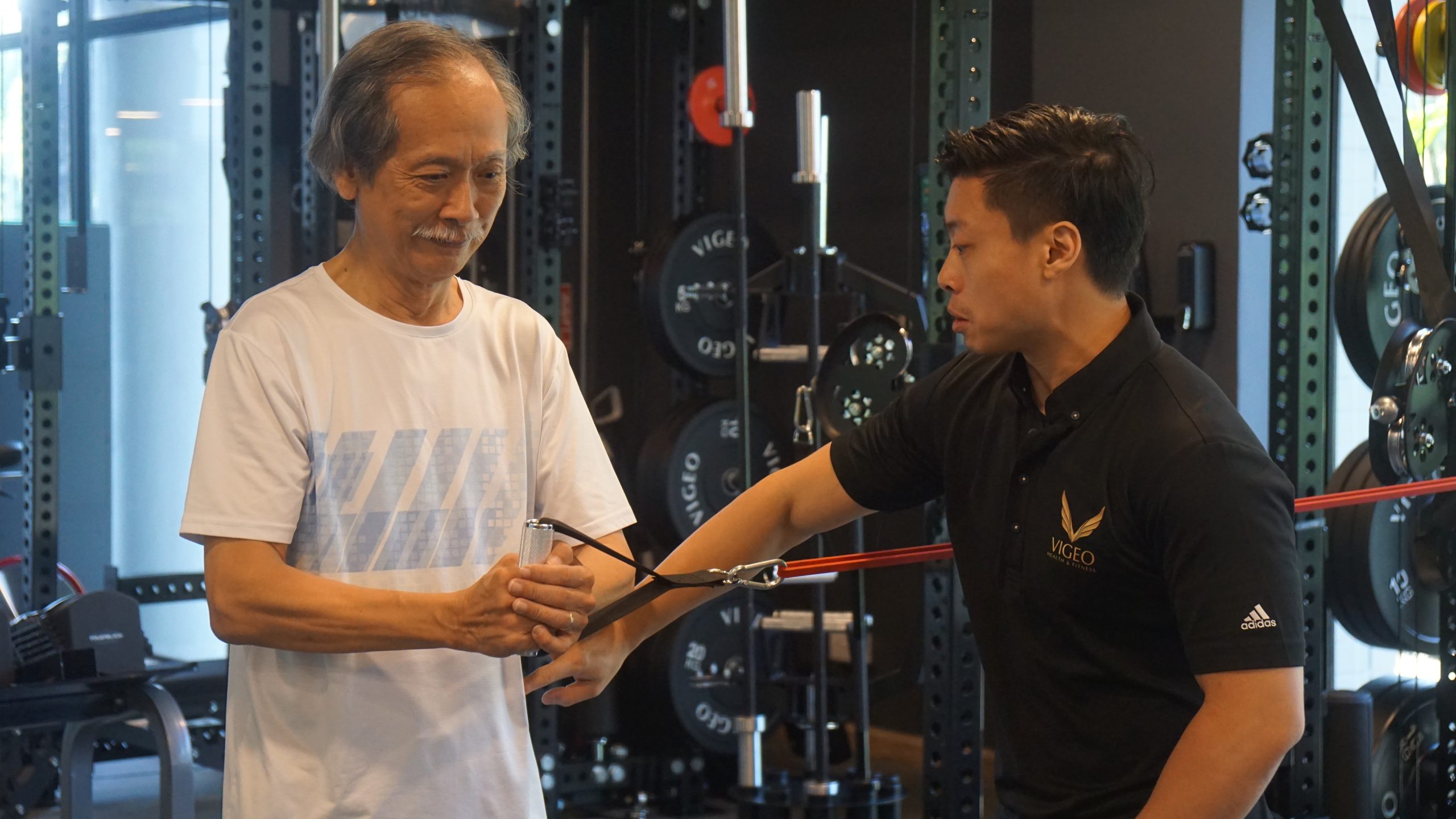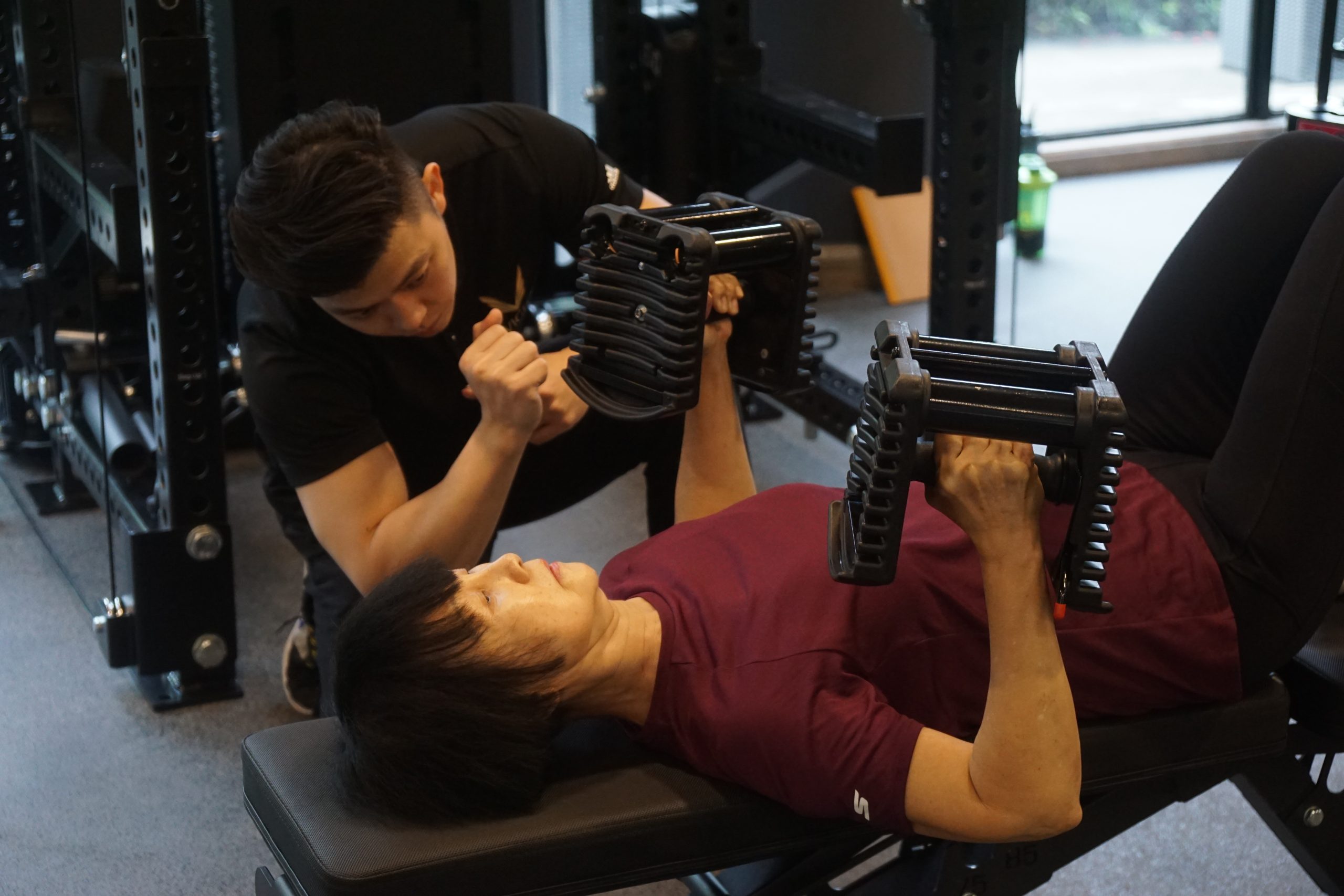



Hiring a fitness professional is a significant commitment to your well-being, and finding a physical trainer in Singapore, one who truly understands your personal goals, history, and lifestyle, is the difference between success and frustration.
To find that expert, take advantage of the initial consultation. It’s your opportunity to ask meaningful questions about their qualifications, experience with clients like you, and overall training philosophy. Addressing these points will help you find a professional to support your health objectives.
The importance of asking the right questions
Having a preliminary conversation with a personal trainer before you sign up helps ensure the experience will meet your specific needs, expectations, and lifestyle. This process allows you to get clear on what’s ahead, build trust, and prevent disappointment down the road.
Setting realistic expectations
A consultation with a personal trainer is the time to understand what results are achievable and the effort involved. An experienced coach will not promise quick fixes or extreme results. Instead, they will help you set realistic fitness objectives, such as improving your energy, increasing your strength, or managing joint pain. They will provide a clear roadmap for what needs to be done.
Building trust and understanding
Clear and honest communication is the foundation of a good trainer-client relationship. You need to feel comfortable being honest about your preferences, your fears, and your limitations. Knowing what kind of questions to ask when getting a personal trainer opens the door to these conversations, making your future sessions more productive and enjoyable. Asking good questions also helps you gauge whether the trainer listens carefully and adapts their plan to your reality and not the other way around.
When trust is built early, every session becomes more productive and enjoyable.
Avoiding confusion and disappointment
Every personal trainer has their own style. Some focus heavily on performance or physique, while others specialize in sustainable health and function. If their methods don’t match your body’s needs or your personal objectives, it can lead to injury or burnout. Asking about their approach to fitness helps you ensure their philosophy aligns with your aim of sustainable, long-term well-being.
Essential questions to ask before hiring a personal trainer
These eight questions will help you identify whether a trainer truly has the knowledge, empathy, and professionalism to guide your journey.
1. What are your qualifications and experience?
Physical trainers should have proper education and certifications from nationally accredited organizations.
The fundamental requirement for any coach is to hold an NCCA-accredited certification such as ACE, NASM, ACSM, NSCA or ISSA.
These certifications are considered the gold standard in the fitness industry because they ensure that every certified trainer has a solid foundation of scientific knowledge, safety principles, and coaching competence.
But qualifications alone are not enough. Inquire about their commitment to lifelong learning. Do they have continuing education in topics relevant to you, such as corrective exercise, senior fitness, or post-menopausal health?
Finally, remember that hands-on coaching experience is just as valuable as formal credentials. The best trainers blend science with real-world understanding to deliver safe, effective, and personalized results.
2. What type of training do you specialize in?
When choosing a coach, ask about their background, experience, and primary focus. Not every trainer works with the same type of client, and that is a good thing. Different goals require different areas of expertise.
Some trainers focus on athletic performance, working with competitive athletes who want to improve speed, strength, or endurance. Others specialize in body composition, helping clients lose fat or build muscle through targeted training and nutrition.
There are also coaches who work mainly in rehabilitation or corrective exercise, often collaborating with physiotherapists to help clients recover from injuries or improve mobility and posture.
If your goal is long-term health or graceful aging, you might look for a personal trainer for the elderly in Singapore or someone with experience in functional fitness and fall prevention. A personal trainer for ladies in their forties and fifties may help them understand menopause, hormonal changes, and bone health.
The right personal trainer for you depends on your goals and your current life stage. A trainer who understands your needs, whether that means rebuilding strength, improving confidence, or returning to sport, can tailor your sessions safely and effectively.
3. What is your understanding of my goal, and which part of the program helps address it?
This may be the most important question to ask. It reveals whether the trainer truly understands what you want to achieve and how they plan to get you there.
Ask questions such as:
- “Which parts of my program help me build bone density?”
- “How does this type of training improve my balance and coordination?”
- “How will these sessions help me feel more energetic during the week?”
- “What is the reason behind focusing on this exercise or intensity?”
Their explanations should be clear, logical, and personalised. They should show how exercises, recovery strategies, and progression plans fit together to move you toward your milestones.
If a trainer struggles to explain the connection between the plan and your goal, it may be a sign that the program is generic or not well thought through
When you hear them describe your goal in their own words and outline how each element of the program supports it, you will know they are paying attention and not just delivering a workout, but guiding you with intention.
Specialization ensures your sessions are designed for your body, not borrowed from someone else’s plan.
4. Have you worked with clients like me before?
This question helps you understand whether a personal trainer’s experience aligns with your goals and situation. Every trainer develops areas of familiarity over time, often shaped by the types of clients they see most often.
Ask about their background in relation to your needs. For example:
- If you are new to exercise, ask if they have experience helping beginners build confidence and consistency.
- If you are managing a medical condition, ask how they adapt sessions for clients with similar limitations.
- If you are training for weight loss, ask what their approach is, whether it’s towards fast weight loss or sustainable weight loss.
- If you are in mid-life or older, ask about their understanding of mobility, recovery, and long-term joint health.
Keep in mind that the number of years in the industry is not always the best measure of competence, it is also about whether they have deep experience with working with someone just like you. What matters most is if the trainer demonstrates understanding, effective communication, and a thoughtful process that aligns with your goals and comfort level.
5. How will you customize my program?
Your workout plan should be tailored to your individual targets, current fitness level, medical history, and schedule. A generic routine that looks the same for everyone is a major red flag and a sign that a trainer is not considering your individual needs.
When you begin working with a coach, the first step should always involve a detailed conversation and assessment. A good trainer will take time to learn about your lifestyle, sleep patterns, stress levels, past injuries, and health background before prescribing any exercise. They may also evaluate your movement quality, strength, and mobility to identify what you need most.
If a trainer provides a fixed plan without asking questions or checking how you respond, it may not serve you well. Effective programs adapt over time based on progress, feedback, and how your body reacts.
A thoughtful trainer sees the plan as a living guide that evolves with you, not something you must force yourself to fit into. At Vigeo, we individualize every program using a structured assessment that identifies your movement patterns, strengths, and priorities. That is how we ensure every rep has purpose.
6. How do you measure progress?
Fitness milestones mean much more than the number on the scale. A true professional understands this and will track your success using various methods.
Find out whether they will measure body composition, take progress photos, or track fitness benchmarks, such as lifting heavier or moving better. They should also celebrate non-scale victories with you, such as improvements in your energy, better sleep, or how your clothes fit.
Equally important are the non-scale victories, such as the changes that show how your body and life are improving beyond appearance or weight. You might notice that:
- You have more energy throughout the day and no longer rely on caffeine to stay alert.
- Your sleep becomes deeper and more restful.
- Daily tasks feel easier, such as climbing stairs, carrying groceries, or playing with your children.
- You recover faster after each session and feel less sore.
- Your mood, focus, and confidence improve.
- Your clothes fit more comfortably, even if your weight has not changed.
- You feel more in control of your health and more consistent with exercise and nutrition.
A good trainer will celebrate these changes with you and adjust your plan to keep you progressing. Over time, these improvements build the foundation for a stronger, healthier, and more enjoyable life.
7. What happens if I have an injury or setback?
This question reveals a trainer’s professionalism more than any certificate can. How a personal trainer responds to injury or setbacks shows whether they prioritise your safety and long-term progress.
A good coach will not dismiss pain or discomfort. They will first aim to understand the cause by asking detailed questions about when and how it happened, and they should be able to adjust your program to support recovery without losing momentum. Adapting training does not mean stopping completely. A skilled physical trainer can modify exercises to work around the affected area while continuing to develop other parts of the body.
8. What is your philosophy on training and nutrition?
Look for a perspective that values sustainability over short-term results. If a trainer talks mostly about quick transformations or strict 12-week programs, they may not prioritise long-term health. Progress that lasts is built on realistic expectations, steady habits, and consistent effort. A personal trainer for weight loss should still focus on positive lifestyle changes rather than extreme restriction.
When it comes to nutrition, most trainers can offer general advice, such as building balanced meals, managing portions, or improving food awareness. They can also help with accountability and consistency. However, any plan that promises dramatic weight loss or uses excessive restriction should be approached with caution.
A credible trainer helps you understand why you’re doing each exercise and how small lifestyle changes add up over time. The best ones teach you to become independent, not dependent. Their philosophy should be about building a sustainable exercise routine and healthy habits that last a lifetime.
Find the right partner for your health journey
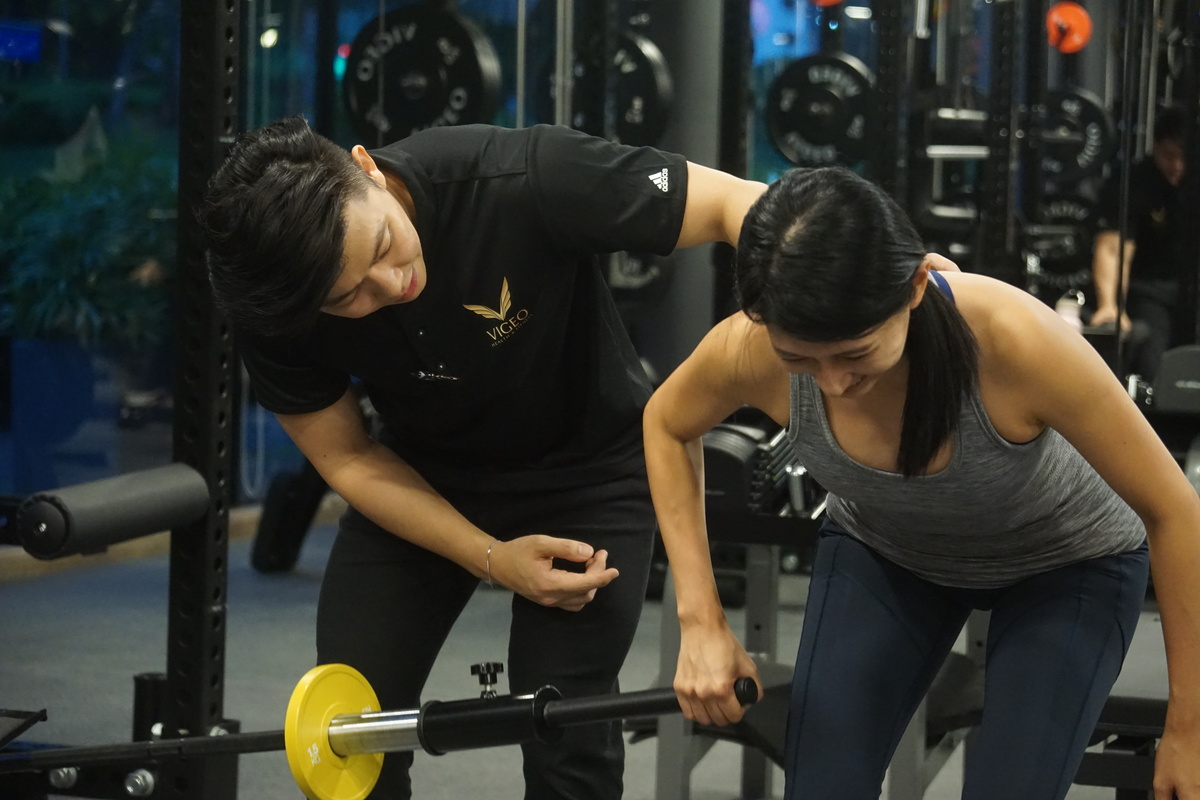
Choosing a physical trainer is about partnering with a guide and an expert who understands that proper fitness is about so much more than just aesthetics. This perspective is especially relevant as we age. The focus shifts from short-term results to building a resilient body and a sustainable mindset, which are the foundations for a happier, healthier life.
At Vigeo, we understand the importance of staying fit as you age. Our team works closely with adults and seniors to restore strength, rebuild confidence, and improve quality of life through personalized, science-based training. Our experienced personal trainers are here to answer all your questions and create a tailored plan that fits your life. Contact us today to schedule a consultation.