

Key Takeaways
You do not need to wait until retirement, physical decline, or a particular fitness level to start strength training. We adapt the starting point to your current ability and health considerations, with healthcare input where appropriate.
You do not need previous gym experience to begin resistance training later in life.
Chronic conditions do not automatically rule out exercise, but we adjust training around medical history, symptoms, and current ability.
We usually recommend starting with controlled, manageable movements before progressing resistance or complexity.
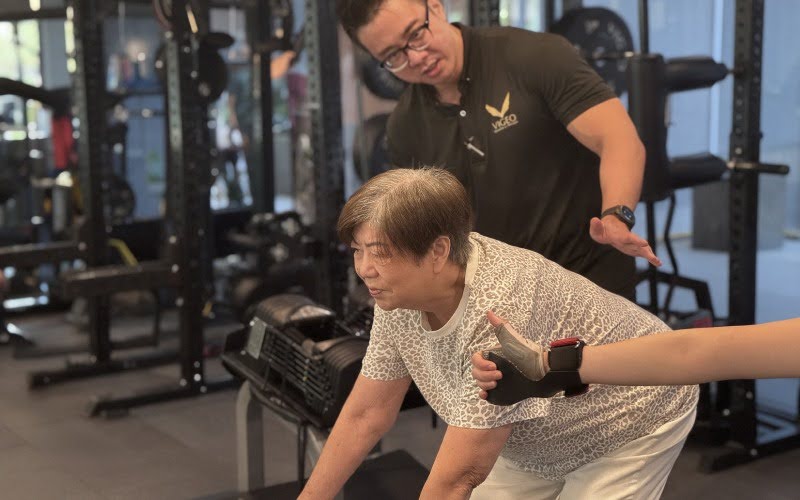
A trainer experienced with seniors can help adapt exercises around mobility limitations, past injuries, and practical goals such as walking, climbing stairs, or getting up from a chair more easily.
One of the biggest questions around strength training for older adults is “When should I start strength training?”
Some students are still active and want to stay that way. Others are beginning to notice that stairs, carrying groceries, or getting up from a chair takes more effort. Some simply worry that they are too old or inexperienced to begin.
You do not need to wait until everyday movement becomes difficult. You also do not need to reach a certain fitness level first. A fitness trainer can help you find a suitable starting point based on your current strength, balance, mobility, health considerations, and confidence.
Our goal is to help you build the physical capacity that supports everyday life, whether you are trying to maintain what you can already do or rebuild abilities that have become more challenging.
“I Walk Every Day and Can Still Climb Stairs. Why Should I Start?”
Walking is an excellent habit, and we encourage students to keep doing it. However, being able to manage stairs, longer walks, and everyday tasks comfortably today does not mean those abilities will stay the same as you age.
Strength and muscle mass tend to decline with age, especially when muscles are not progressively challenged. Walking keeps you active, but it does not provide the same resistance-training stimulus for all major muscle groups.
Starting while you still feel capable gives you an opportunity to build and maintain the strength that supports the activities you enjoy. You do not need to wait until stairs become difficult or getting out of a chair starts to feel harder.
“I’m Too Weak or Unfit to Join”
You do not need to get fitter before coming to Vigeo. Our role is to understand what you can do now and choose a manageable starting point.
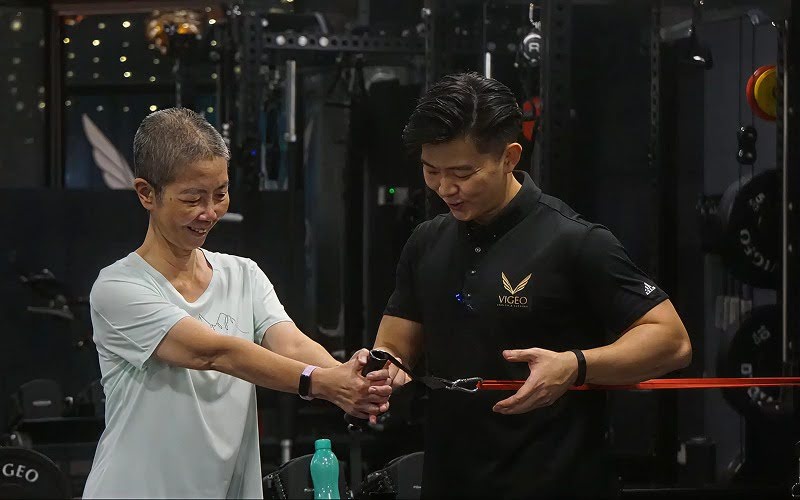
We can adjust the exercise, level of support, range of motion, resistance, and rest according to your current ability. As your strength, control, and confidence improve, we gradually increase the challenge.
If you already feel weaker or find certain everyday activities more difficult, that’s a reason to seek guidance rather than wait until you feel “ready.” We also consider relevant health conditions and movement limitations when deciding how to help you begin.
“What If I’m Waiting Until Retirement or I Have More Time?”
You don’t need to wait for retirement or the perfect schedule to start strength training. Starting earlier gives you more time to build strength, establish a routine, and maintain the abilities you already have.
The first step can simply be deciding what you can realistically commit to now. A manageable routine is more useful than waiting for an ideal time that may never arrive.
If you are starting later, you have not missed your chance. We use your current ability to decide where to begin and progress from there.
How We Introduce Strength Training Safely
We do not start by testing how much weight you can lift. In the initial stages of training, we first look at how you move, where you feel confident, and which movements may need more support. This gives us a baseline for deciding how your training should progress.
How We Help Nervous Students Begin
If an exercise makes you nervous, we start by asking what you feel comfortable doing. We can then adjust the movement, range, support, or resistance to give you a manageable starting point.
The aim is to help you experience success with the movement first. As you become more comfortable and show better control, we gradually introduce the next appropriate challenge.
We Prioritize Technique Before Load
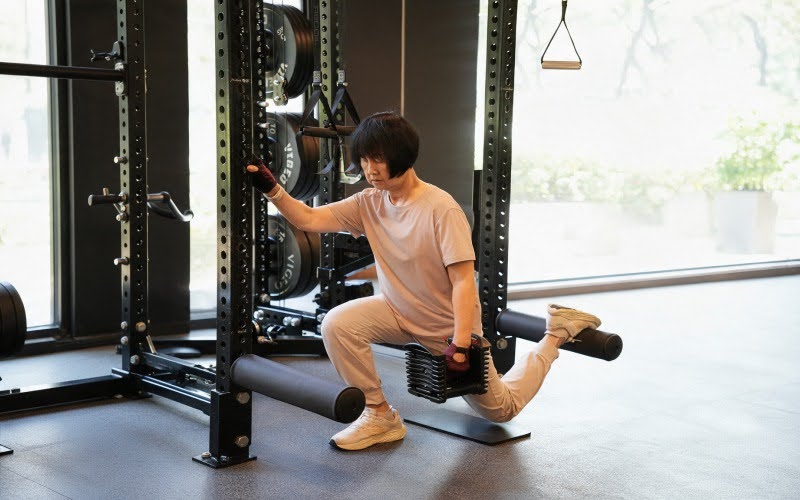
Before increasing resistance, we look at how well you can control the movement. We consider stability, side-to-side compensation, comfort, and whether you can perform the exercise consistently without excessive strain.
We would rather see you perform a movement well than rush to heavier weights before you are ready.
We Progress More Than Just the Weight
Progress does not always mean lifting heavier. It may mean completing more controlled repetitions, moving through a greater comfortable range, relying less on support, or recovering better between exercises.
We use these changes, together with your feedback, to decide when you are ready for the next progression.
Why Many Older Adults Choose Guided Strength Training
Guided training means you do not need to decide which exercises to choose, how much resistance to use, or when to make them harder on your own.
For older adults comparing gyms in Singapore, we recommend looking beyond the equipment or exercise list. Ask how your starting point will be assessed, how health conditions or past injuries are considered, and how the trainer decides when you are ready to progress.
Conclusion
You don’t need to reach a specific age or fitness level before starting strength training. You may choose to begin while you still feel active, when you first notice everyday tasks becoming harder, or later in life after years without structured exercise.
What matters is having a starting point that reflects where you are now.
At Vigeo Health & Fitness, the first step is to speak with a coach and arrange a consultation and assessment. We use this time to understand your goals, current abilities, concerns, and relevant health considerations before recommending an appropriate program.
If you are unsure how to begin, speak with our team, and we can help you identify a practical starting point.