

Key Takeaways:
- Movement often feels harder with age due to gradual changes in muscle strength, joint comfort, balance, and endurance
- Mobility problems in old age may be influenced by activity levels, lifestyle habits, and individual health factors
- Regular, age-appropriate physical activity may help support strength, balance, and joint movement over time
- Holistically addressing multiple factors, such as strength, stability, and flexibility, may help to support overall mobility.
- Seeking general guidance or structured support can help individuals explore safe ways to stay active as they age.
Causes of Movement Changes With Age
Movement changes with age for several reasons. Muscle tissue may decrease gradually if not regularly challenged. Joints may feel stiffer, especially after long periods of inactivity. Reaction time and coordination may also deteriorate, which may adversely affect balance.
These may be contributing factors to the relationship between aging and decline in mobility. Movements may feel slower or less stable, and fatigue may set in more quickly. These experiences are common, although the intensity and rate vary from person to person.
Changes in Muscle Strength
One factor associated with mobility problems in old age is a gradual reduction in muscle strength. Muscles in the legs, hips, and core are essential in walking, standing, and maintaining posture. When strength in these areas decreases, everyday activities may feel more demanding.
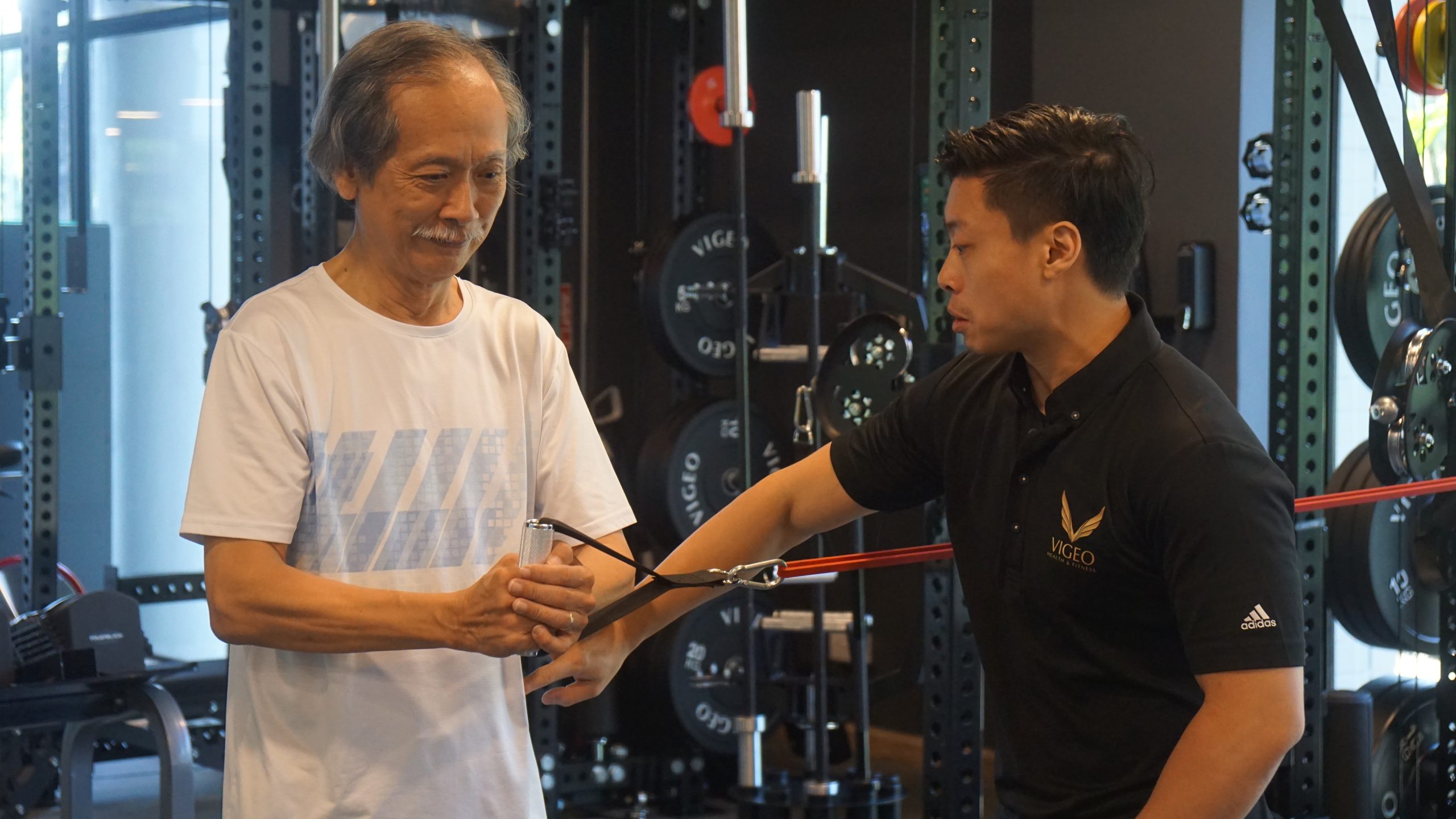
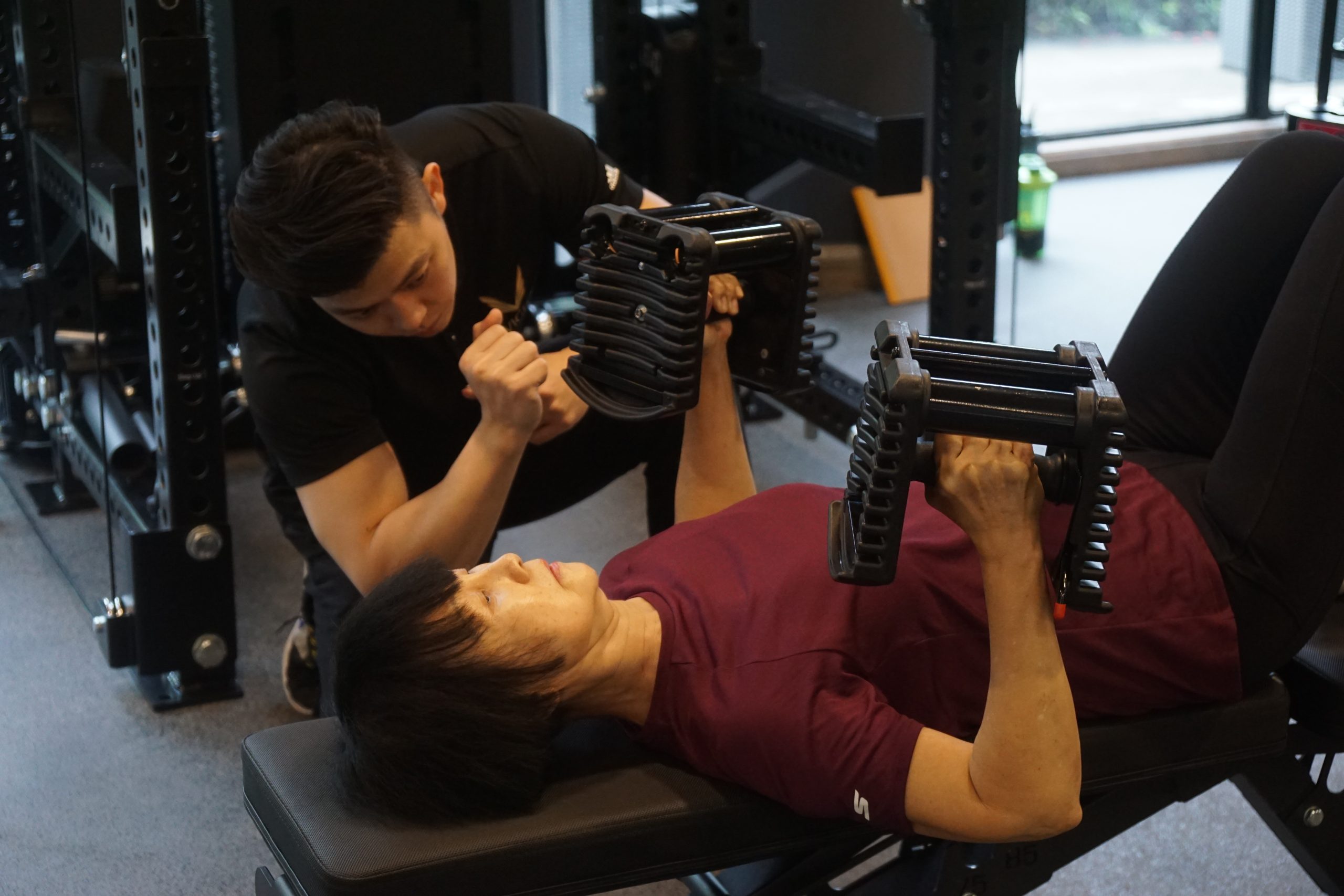
General physical activity involving resistance or body-weight movements may be commonly recommended to support muscle use. Examples include sit-to-stand movements, step-ups, and light resistance exercises. Frequency and intensity should be adjusted according to individual ability and comfort. A gym with a personal instructor may offer a tailored program that is suited to individual needs.
Balance and Stability Considerations
Balance may be affected by changes in coordination, sensory input, and muscle control. Common mobility problems in old age, like reduced balance, may increase caution during movement and contribute to reduced mobility in older adults.
Balance-focused activities such as controlled standing exercises, gentle coordination drills, and posture awareness may help support stability. Activities that encourage controlled movement can also help individuals become more aware of how their body moves in space.
Joint Comfort and Range of Motion
Age-related issues like reduced activity levels, joint wear, or underlying conditions may be key contributing factors to joint stiffness. Stiff joints may limit the range of motion, and movement may feel uncomfortable.
Gentle mobility exercises and stretching are often recommended to be introduced into general activity routines to encourage joint movement. These activities are typically performed within a comfortable range and may help maintain flexibility over time.
Cardiovascular Endurance and Energy Levels
Changes in heart and lung capacity can affect how quickly fatigue sets in during activity. Reduced endurance may make even light physical tasks feel tiring. This may commonly result in inactivity.
Low-impact activities such as walking, cycling, or swimming are commonly used to support general cardiovascular fitness. These activities may be introduced gradually and adjusted in accordance with individual tolerance.
Confidence and Fear of Falling
Poor balance or previous falls may affect confidence during movement. This may lead some individuals to limit their activity, which can further contribute to mobility problems in old age.
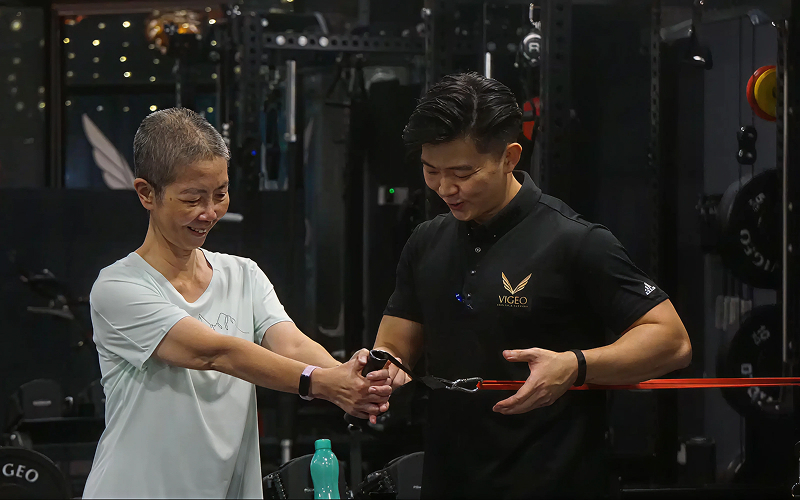
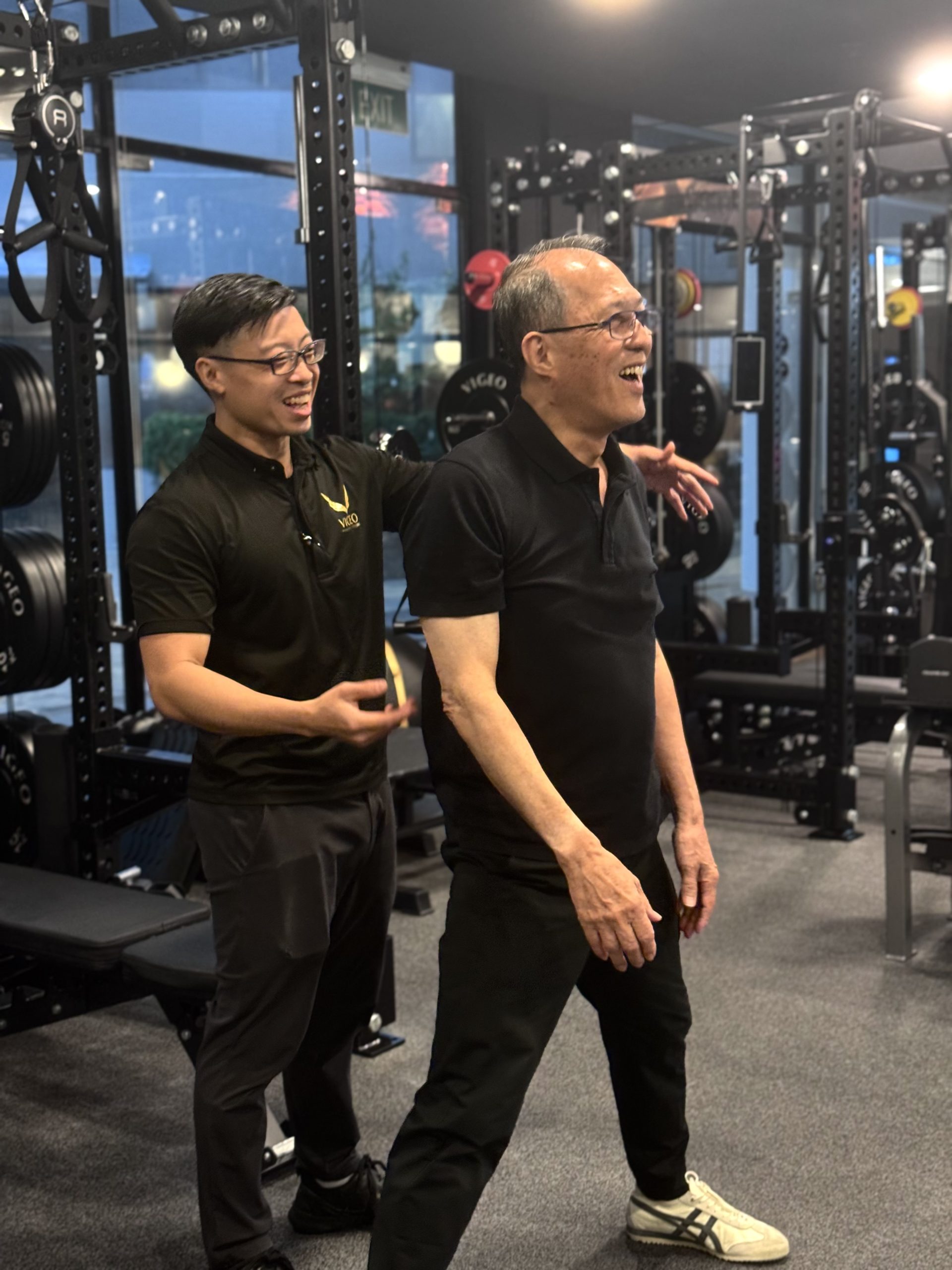
Practicing controlled movements in a gym for the elderly in Singapore may help individuals develop confidence in daily activities. These gyms conduct structured exercise sessions in a safe environment, helping to focus on functional movements with greater awareness and control.

Self-Assess: Understanding Your Current Movement
Before starting any new activity, it can be helpful to observe how your body moves during everyday tasks. This is not a diagnosis, but a simple way to note patterns and areas that may need attention.
You may consider the following questions:
- Do you feel unsteady when standing up from a chair?
- Does walking feel slower or more tiring than before?
- Do certain joints feel stiff after sitting for a while?
- Is balancing on one leg difficult, even briefly?
- Do you avoid certain movements due to discomfort or fear of falling?
These observations are common mobility problems in old age. If these concerns persist or affect daily life, professional guidance may be appropriate.
Tips to Improve Mobility at Home
The following tips focus on gentle, practical movements that support everyday function. They can be adapted based on comfort, confidence, and current ability, and are commonly used in general fitness settings.
Maintaining mobility in the ankles, hips, spine, and shoulders helps the body move more freely during daily activities such as walking, bending, and reaching.
Improve Joint Mobility in Key Areas
Examples
- Ankles: Knee-to-wall movement
Stand facing a wall, place one foot forward, and gently bend the knee towards the wall while keeping the heel down. This supports ankle flexibility for walking and balance.
- Hips: Seated 90–90 rotations
Sit upright with both knees bent and gently rotate them side to side. This encourages hip mobility needed for standing, turning, and getting in and out of chairs.
- Spine: Open book rotations
Lie on your side with knees bent and slowly open the top arm across the body. This supports spinal rotation used in reaching and turning.
- Shoulders: Wall slides
Stand with your back against a wall and slide your arms up and down slowly. This helps maintain shoulder movement for lifting and overhead tasks.
Train Stability and Balance
Mobility becomes more useful when the body can control movement. Stability and balance exercises support confidence and reduce the risk of unsteady movement.
Examples
- Single-leg stands
Stand near a chair or wall and lift one foot slightly off the floor. Hold briefly, then switch sides.
- Slow step-downs
Step off a low step or stair slowly with control, then return to standing.
- Split-stance holds
Stand with one foot slightly in front of the other and hold the position while maintaining an upright posture.
Move in All Three Directions
Everyday movement involves more than just forward motion. Training the body to move forward, sideways, and with rotation helps support smoother and safer movement.
Examples
- Forward movements
Squats or chair sit-to-stands to practise standing up and sitting down.
- Side-to-side movements
Side steps or gentle side lunges to support lateral strength and coordination.
- Rotational movements
Reach-and-turn movements to encourage controlled rotation through the body.
Stay Active Throughout the Day
Regular movement keeps joints active and prevents stiffness from building up over time. Small amounts of movement spread throughout the day are often more effective than long periods of sitting followed by short exercise sessions.
Examples
- Walking daily at a comfortable pace
- Taking the stairs when appropriate
- Standing up and moving every 30 to 60 minutes
These approaches can be combined and adjusted to suit individual needs. Moving slowly, resting when needed, and focusing on control helps ensure mobility work remains safe and sustainable over time.
Risks and Cautionary Advice
Movement should always feel controlled and manageable. Discomfort, dizziness, or pain is a signal to stop. Exercises should not be rushed or forced.
Avoid attempting movements that feel unsafe or unstable. Support from a chair, wall, or railing is recommended, especially for balance-related activities. High-risk movements, uneven surfaces, or exercises performed while fatigued should be avoided.
Individuals with existing medical conditions, recent injuries, or ongoing pain should seek advice from a qualified healthcare professional before starting new physical activities. Structured guidance may also be helpful for those who feel unsure about proper technique or progression.
A gradual, cautious approach allows the body time to adapt. Consistency is generally emphasized over intensity, especially when supporting mobility as part of a healthy lifestyle.
A Guided Approach to Holistic Mobility
A holistic approach to mobility looks at how the body moves as a whole. It does not focus on strength or flexibility in isolation. Instead, it considers how muscles, joints, balance, posture, and daily habits work together to support movement. This wider view helps identify movement patterns and areas that may affect comfort or confidence during everyday activities.
A personal trainer for the elderly may be engaged to help apply this approach by observing muscle strength in key areas such as the legs and core. Balance may be assessed during simple tasks like standing or walking. Joint movement in the hips, knees, and shoulders is also tracked. Practical examples may include sit-to-stand exercises to support lower-body strength, balance drills to encourage stability, and gentle mobility work to maintain joint movement. Short walking intervals may be used to support endurance. Training plans are usually adjusted to current abilities and comfort levels, with an emphasis on consistency and gradual progression rather than intensity.
Contact us to learn about guided age-appropriate physical activity options or structured movement programs. We will share information about available services and help you explore suitable next steps based on your needs.