

Key Takeaways:
- Sarcopenia refers to age-related muscle loss that can begin as early as mid-adulthood
- Loss of muscle mass affects balance, mobility, and daily function over time
- Strength training is the most effective way to prevent sarcopenia
- Staying active outside workouts helps slow muscle decline
- Guided, structured training supports safe and sustainable strength development

What Is Sarcopenia and How to Prevent It
Sarcopenia is the gradual decline of muscle mass, strength, and physical function that occurs as we age. While it is often associated with older adults, the process begins much earlier than most people realise, commonly starting in the mid-30s to 40s. If left unaddressed, sarcopenia can affect balance, mobility, and overall independence over time.
The encouraging reality is that it is possible to prevent sarcopenia. With the right combination of strength training, movement habits, and lifestyle choices, muscle health can be preserved and even improved well into later life.
What Is Sarcopenia?
Sarcopenia refers to age-related muscle loss that affects both muscle size and muscle strength. It influences how efficiently you move, how stable your joints feel, and how capable you are in performing daily tasks such as standing, walking, or lifting objects.
As muscle tissue declines, people may experience reduced endurance, slower walking speed, and increased fatigue. Over time, this loss of muscle mass can contribute to balance issues and a higher risk of falls, especially if strength and coordination are not maintained.
Although sarcopenia is more visible in older adults, it does not suddenly appear in old age. Muscle decline begins gradually and can accelerate in adults who spend long hours sitting, do not engage in regular resistance training, or reduce physical activity due to work or lifestyle demands.
Why Does Sarcopenia Happen?
Sarcopenia develops through a combination of natural aging processes and lifestyle-related factors. Understanding these contributors is essential if you want to prevent sarcopenia effectively.
Key contributing factors include reduced muscle use, where muscles weaken when they are not regularly challenged through strength-based activities. Sedentary routines, especially prolonged sitting, further reduce muscle activation and strength retention.
Hormonal changes that occur with age can also slow the body’s ability to build and repair muscle tissue. Poor sleep quality, chronic stress, and insufficient recovery time interfere with muscle repair and regeneration. In some cases, underlying health conditions such as diabetes, arthritis, or osteoporosis may further accelerate muscle wasting in older adults.
While aging itself cannot be stopped, the lifestyle factors that influence muscle health are highly modifiable.
Common Signs of Sarcopenia
The early signs of sarcopenia are often subtle and may be mistaken for “normal aging.” Common indicators include feeling weaker when lifting groceries or carrying everyday items, slower or less confident walking, and difficulty standing up from a chair without using your hands.
Other signs include reduced stamina when climbing stairs, balance challenges, and a growing hesitation to participate in physical activities that once felt easy. Over time, these physical changes may lead to a loss of confidence in movement, which further reduces activity levels and worsens muscle decline.
Recognizing these signs early creates an opportunity to prevent sarcopenia before functional limitations become more pronounced.
How to Prevent Sarcopenia Safely and Effectively
Preventing sarcopenia requires a proactive and consistent approach that prioritizes muscle strength, movement quality, and long-term sustainability.
Strength Training: The Most Effective Strategy
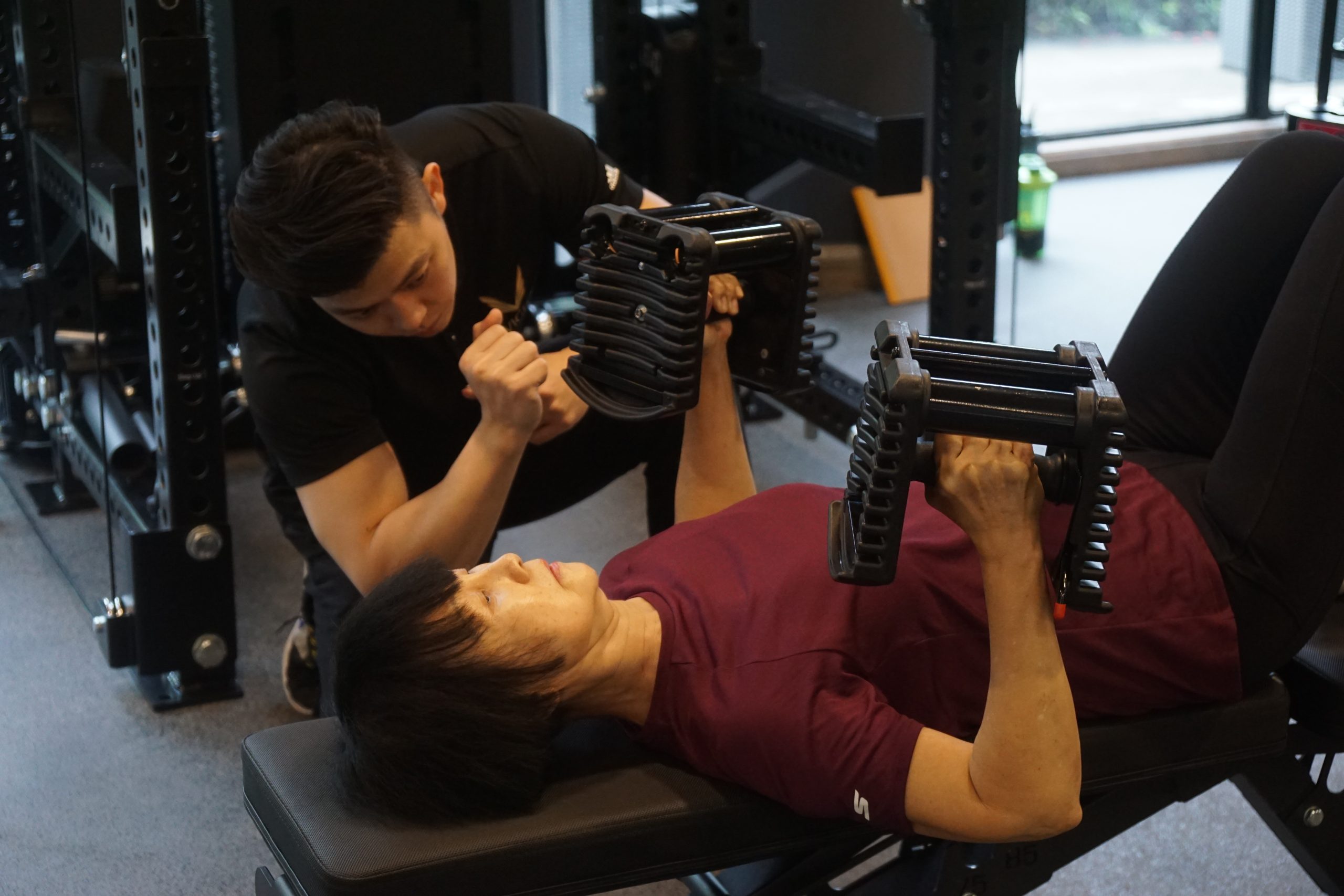
Strength training is widely recognised as one of the most effective ways to slow, and in many cases improve, age-related muscle loss. Resistance-based exercises stimulate muscle tissue, helping to preserve strength and support daily function.
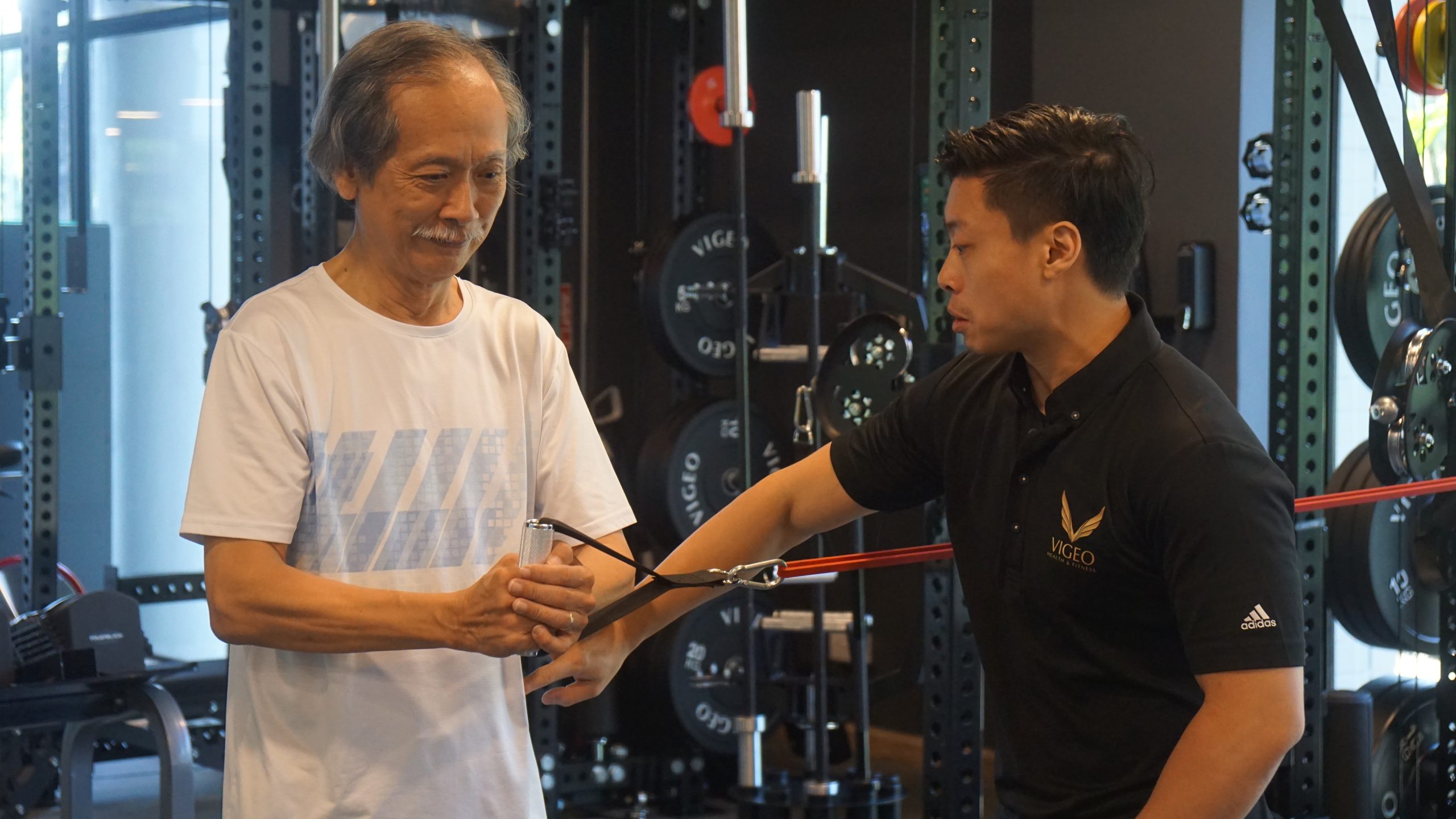
Adults over 40 should practice controlled, progressive movements that emphasize proper form and joint stability. Effective exercises include squat variations, rowing and pulling movements, hip hinge patterns, step-ups, and sit-to-stand exercises. These movements directly support everyday tasks such as walking, lifting, and maintaining balance.
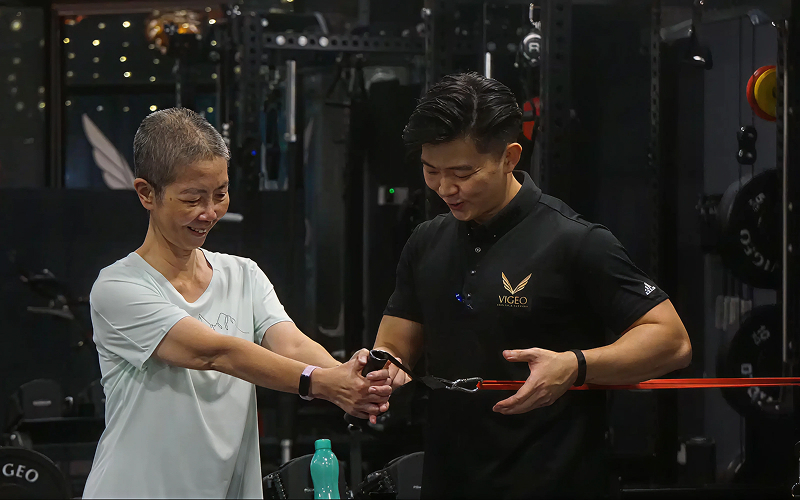
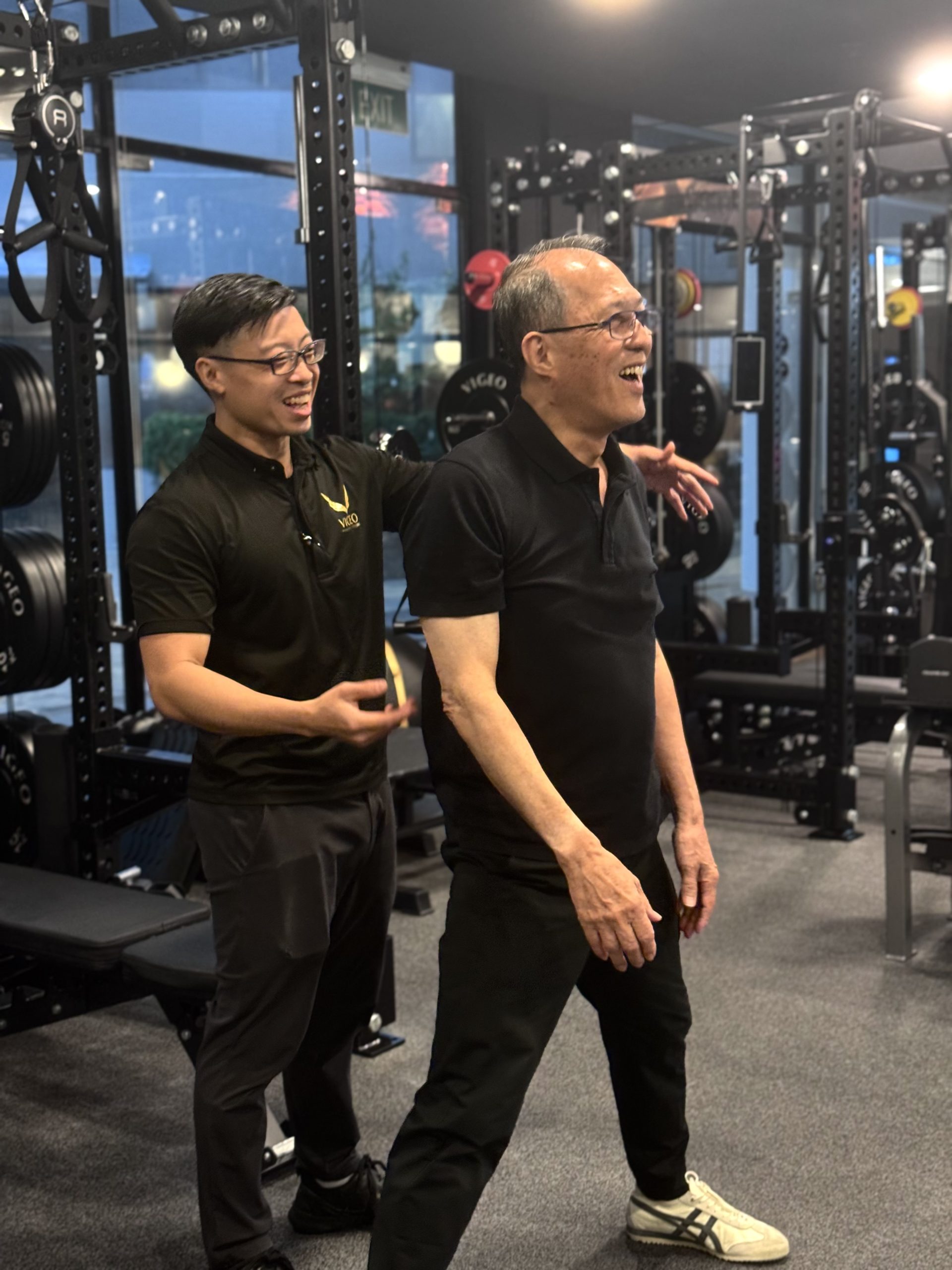
Working with a senior personal fitness trainer can be especially helpful for older adults who want to train safely while addressing joint limitations, balance concerns, or previous injuries.
Mobility and Balance Training
Mobility and balance work plays a key supporting role in preventing sarcopenia. Improving joint mobility reduces stiffness, while balance-focused exercises enhance coordination and stability. Together, they lower fall risk and improve confidence in movement, particularly for older adults.
Incorporating gentle mobility drills and balance exercises alongside strength training creates a more complete and resilient movement foundation.
Staying Active Between Training Sessions
What happens outside formal workouts is just as important. Staying active between training sessions reinforces strength gains and prevents prolonged periods of inactivity. Short bouts of movement, such as walking, light stretching, or simple at-home exercises, help maintain circulation and muscle engagement throughout the week.
These daily habits are essential for reducing the cumulative effects of loss of muscle mass over time.
How to Prevent Sarcopenia Safely and Effectively
To prevent sarcopenia, consistency matters more than intensity. Most adults benefit from strength training two to three times per week, allowing muscles enough stimulus to maintain and build strength while providing adequate recovery between sessions. Each session should focus on full-body movements that engage major muscle groups, such as the legs, hips, back, and core. On non-training days, light activity such as walking, mobility exercises, or balance work helps reinforce muscle use and supports overall movement quality. Training regularly, rather than sporadically, is key to slowing age-related muscle loss and maintaining functional strength over time.
Why Guided Strength Training Makes a Difference
For Singaporeans between 40 and 80, following a structured training programme under experienced guidance can make a meaningful difference. Look for a qualified personal fitness trainer in Singapore that may help ensure exercises are performed correctly, progress is appropriate, and training remains sustainable.
Guided training also allows for individualized progression, ensuring the program adapts to your current strength, mobility, and goals. This approach is especially valuable for those managing joint concerns, past injuries, or conditions that may affect movement confidence.
A well-designed program supports sustainable fitness rather than short-term results. This aligns with the goal to prevent sarcopenia in a way that enhances quality of life, preserves independence, and supports long-term health.

Building Strength for Life
Sarcopenia is not an inevitable consequence of aging. With consistent strength training, purposeful movement, and supportive lifestyle habits, muscle health can be maintained at every stage of adulthood. Taking action early allows you to move with confidence, remain active, and build strength that supports your life for years to come.
If you are looking to prevent sarcopenia and maintain strength, balance, and confidence as you age, working with experienced guidance can make a meaningful difference. At Vigeo, our personal trainers have designed training programs to support sustainable strength development through structured, joint-friendly training tailored to your current abilities and long-term goals.
Speak to a trainer to help you understand your movement needs and create a plan that supports strength for life.