

The quest for a longer, healthier life often seems confusing, dominated by fad diets and multiple supplements being marketed on various social platforms. But what if the most powerful tool for turning back your biological clock was already available to you?
For years, it’s been known that regular exercise is beneficial, but modern science is now revealing that strength training, specifically, does hold the key to extending your lifespan and, more importantly, your “healthspan.”
Modern science now confirms what experienced coaches have long seen firsthand. Building muscle and moving well can literally slow down your biological aging. Beyond looking younger, strength training helps you stay active, independent, and full of energy so you can keep doing the things you love for years to come.
The question isn’t only about whether strength training can reverse aging, but rather how much younger it can make you look and feel. Recent research provides a definitive, quantifiable answer, proving that working out and building muscle is the most strategic move you can make for a longer, healthier life.
A study on biological age and strength training
A 2024 analysis of 4,814 adults in the United States examined strength training habits and telomere length, providing insights into how exercise can affect you at a fundamental level.
The research examined the length of participants’ telomeres, which are protective caps on the ends of the chromosomes. As you age and as cells continue to divide, the telomere length naturally shortens. This, in turn, affects the individual’s lifespan and is associated with an increased risk of heart disease, cancer, and osteoporosis.
Researchers took blood samples from participants to measure the length of their telomeres. By comparing these measurements to the participants’ self-reported strength training habits, the researchers found a direct, measurable link between consistent strength training and reduced biological aging.
Adults who trained their muscles regularly had significantly longer telomeres and therefore showed less biological aging than those who didn’t. This means that doing 90 minutes a week of strength training was linked to nearly four years less biological aging. Meanwhile, increasing that commitment to 180 minutes a week could cut your biological age by up to eight years. This held true even after accounting for factors like their age, sex, income, smoking habits, and other physical activities.
Key takeaways from the research
The study’s findings align perfectly with Singapore Physical Activity Guidelines (SPAG), which recommends that adults get at least 150 minutes of moderate-intensity physical activity each week, along with a minimum of two days of muscle-strengthening activity weekly.
But the benefits go far deeper than just hitting a number on a chart. Strength training actively helps combat aging by mitigating the damage caused by chronic diseases. It achieves this feat in several interconnected ways:
- Reversing muscle loss: It can help counteract sarcopenia (age-related muscle loss), allowing you to maintain the functional strength needed for daily activities and long-term independence.
- Boosting metabolism: It helps raise your resting metabolic rate, or the number of calories your body burns just to exist, meaning you burn more calories even when you are at rest.
- Promoting fat loss: It helps shed harmful fat mass, which is a significant source of chronic inflammation throughout your body, leading to better overall health markers and disease prevention.
- Improving cardiovascular health: It can support your heart and circulatory system, making your heart more efficient and reducing your risk of common heart-related diseases.
At Vigeo, we see this transformation of so many people who once struggled with stairs now move pain-free and regain their spark for life.
Additional evidence: How training unlocks anti-aging molecules
If you’ve ever wondered why exercise seems less effective as you age, a new study offers a profound biological clue. It is mentioned that the answer lies in your skeletal muscle that releases myokines, which are small signaling proteins from working muscle, when you work out.
CLCF1: A key molecule for healthy aging
Researchers identified a specific myokine called CLCF1 (Cardiotrophin-like cytokine factor 1), which is produced by skeletal muscle during exercise and works to strengthen both your muscles and bones.
To understand the connection between CLCF1 and aging, researchers monitored blood levels of the molecule in young and elderly participants after exercise. Interestingly, the younger group showed a marked increase in CLCF1 after just one hour of exercise in both resistance training and high-intensity interval training (HIIT). Meanwhile, older adults did not experience significant results after one hour of aerobic exercise on a treadmill. Still, they experienced a substantial boost after using resistance bands for 12 weeks and engaging in resistance training for 16 weeks.
This difference occurs because the protein responsible for releasing CLCF1, called CRLF1, declines with age, which may explain why resistance training is a better trigger than light aerobic work, such as an hour of walking, for older adults.
What are the best steps to support healthy aging?
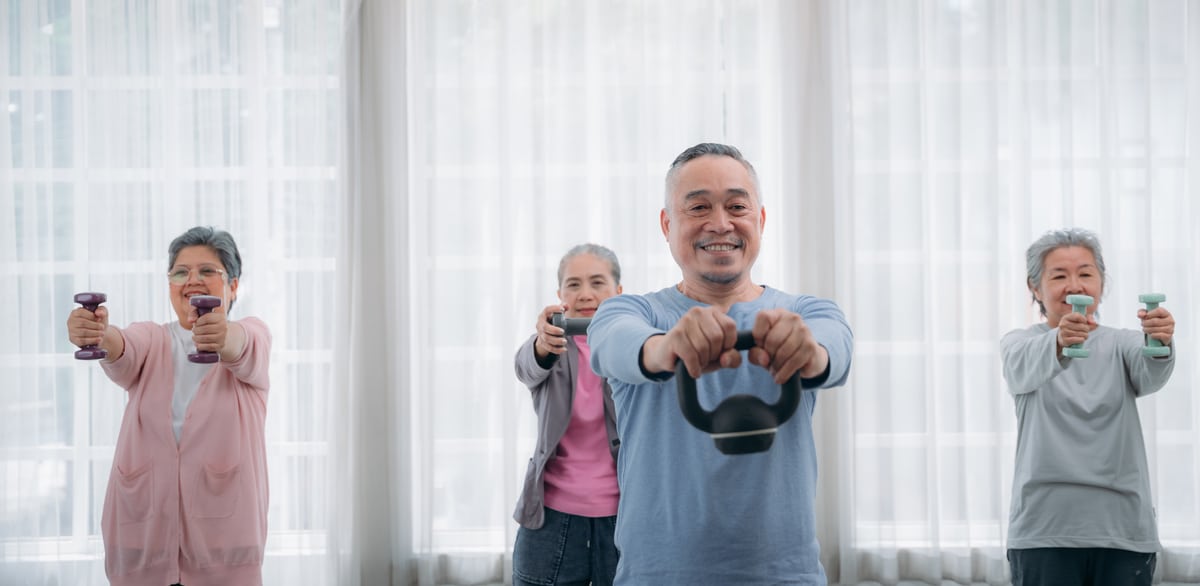
Learning the science behind it is essential, but taking action is where the real change happens. If you want to harness this anti-aging power, you need to be strategic about how you train and know what the best exercises are to reverse aging.
At Vigeo, we guide adults and seniors to build strength the right way, so every session supports your long-term health instead of wearing your body down.
Prioritizing compound lifts
To help stimulate muscle growth and challenge your telomeres, you need to move past light, aimless lifting. You need to challenge your muscles with heavier loads. To maximize workout efficiency, prioritize compound exercises like squats, deadlifts, and overhead presses, which engage multiple major muscle groups simultaneously. Here are sample repetitions to follow to get started:
- Days per week: 2 to 3 non-consecutive days
- Main lifts: 3 to 4 movements per session
- Sets and reps for strength: 3 to 5 sets of 3 to 6 reps at a moderate to hard effort, where you finish with about 2 to 3 reps in reserve
- Accessory work for capacity: 2 to 4 sets of 8 to 15 reps
- Progression: Add a small amount of load, reps, or range of motion each week as technique allows
Getting started with bodyweight exercises
When it comes to bodyweight exercises, you don’t need a fancy gym or heavy weights to lift to start. You can begin right where you are with simple bodyweight exercises for large muscle groups, such as lunges, squats, step-ups, and step-back lunges.
Then, progressively challenge yourself by adding more repetitions or decreasing the assistance you use. For instance, go from using a chair for support during a squat to going hands-free, or move from doing push-ups against a wall to doing them on your knees.
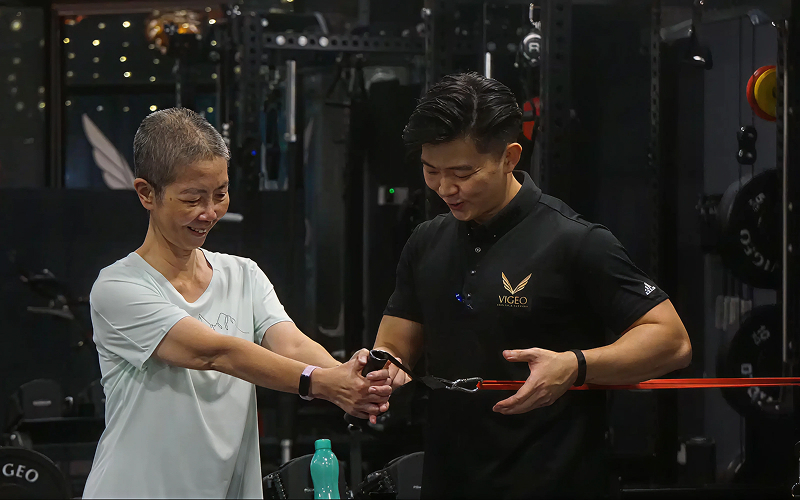
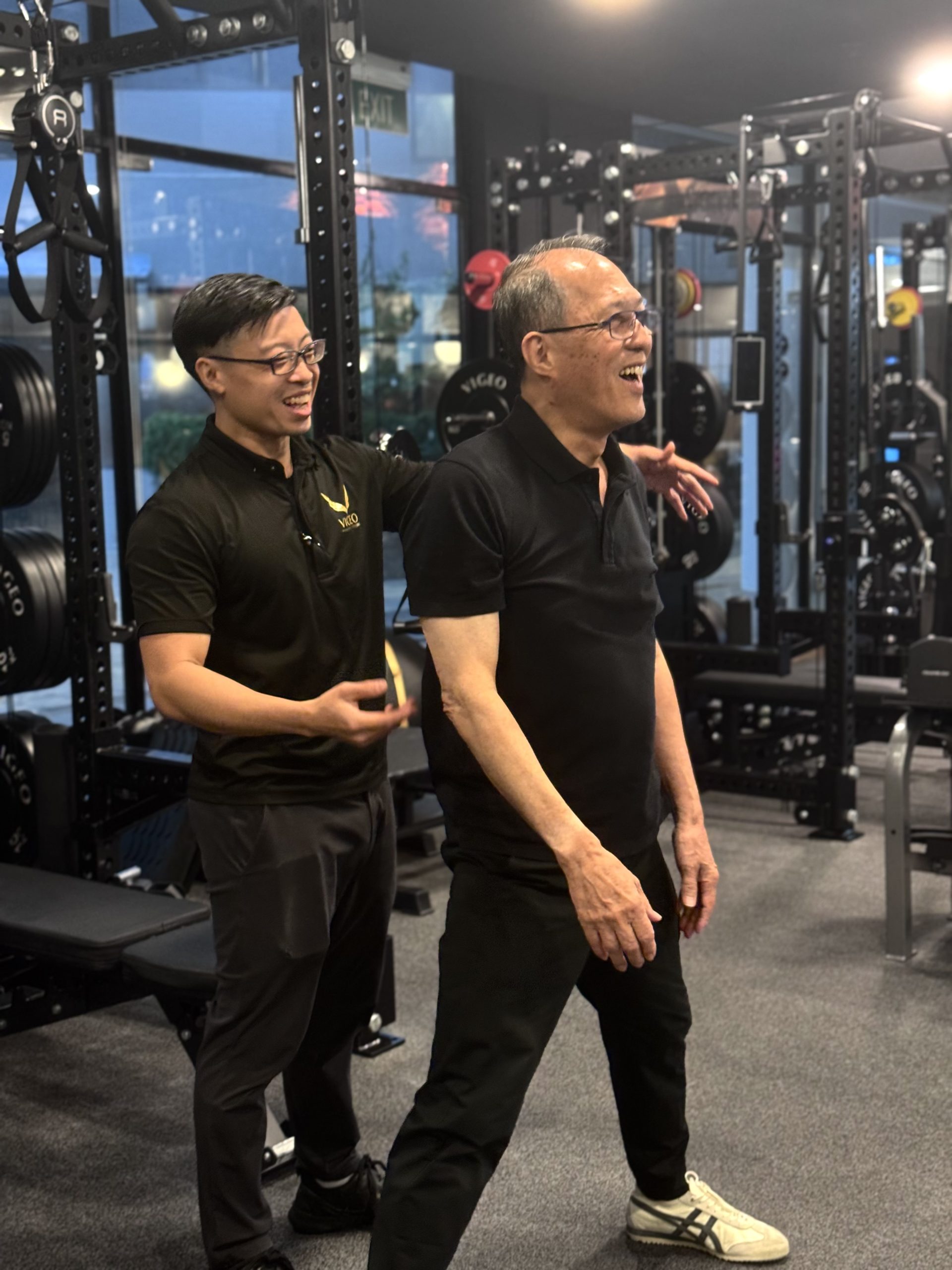
To successfully integrate strength training into your routine, Vigeo can help you with that. Our physical trainers specialize in understanding your current condition to create a safe routine with the best anti-aging exercises that will promote active aging for older adults and seniors. Our experts provide personalized instruction that mitigates the risk of injury, ensuring you are building strength correctly and unlock the benefits of feeling and looking younger.
Adding resistance and balance to your routine
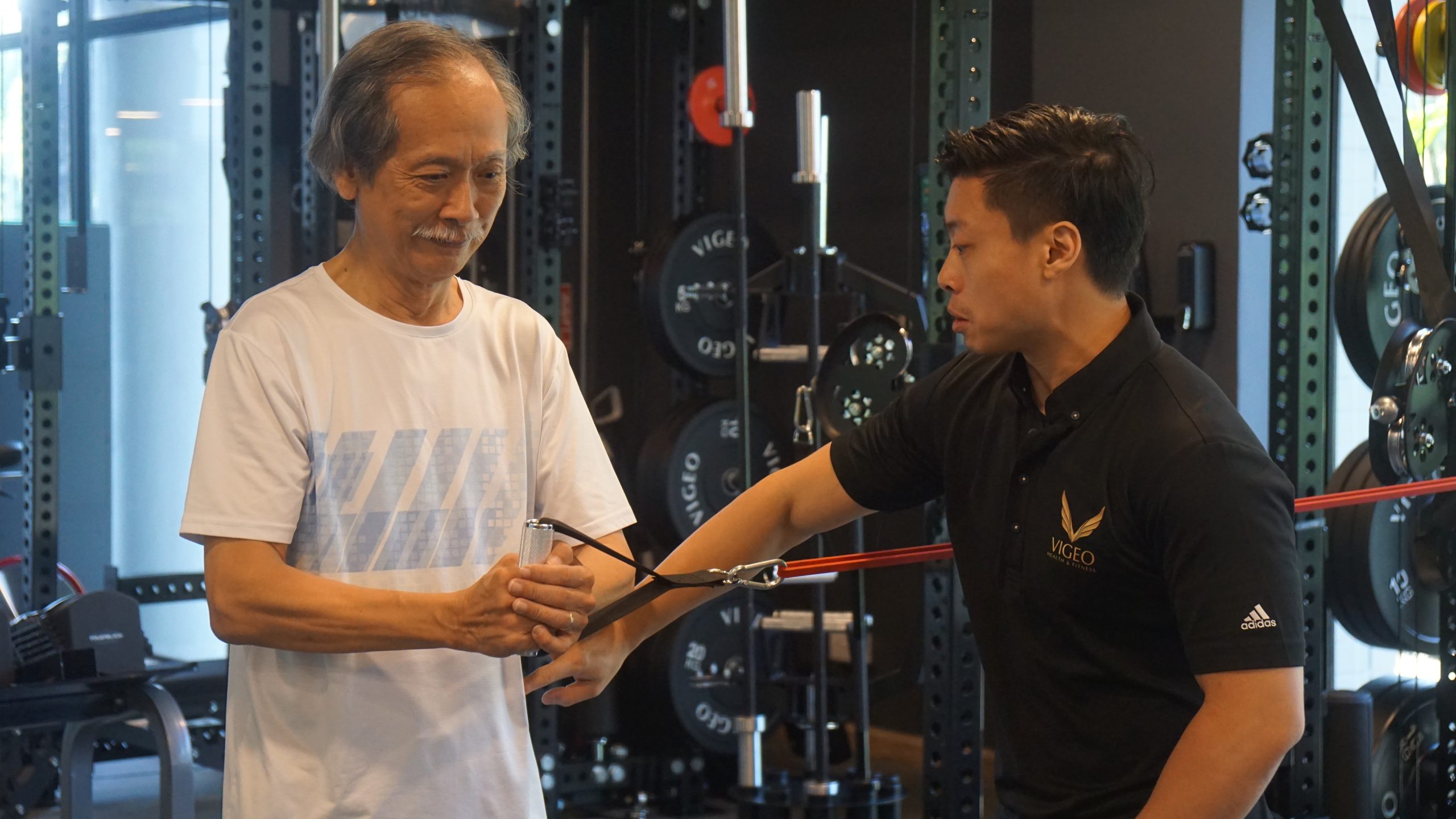
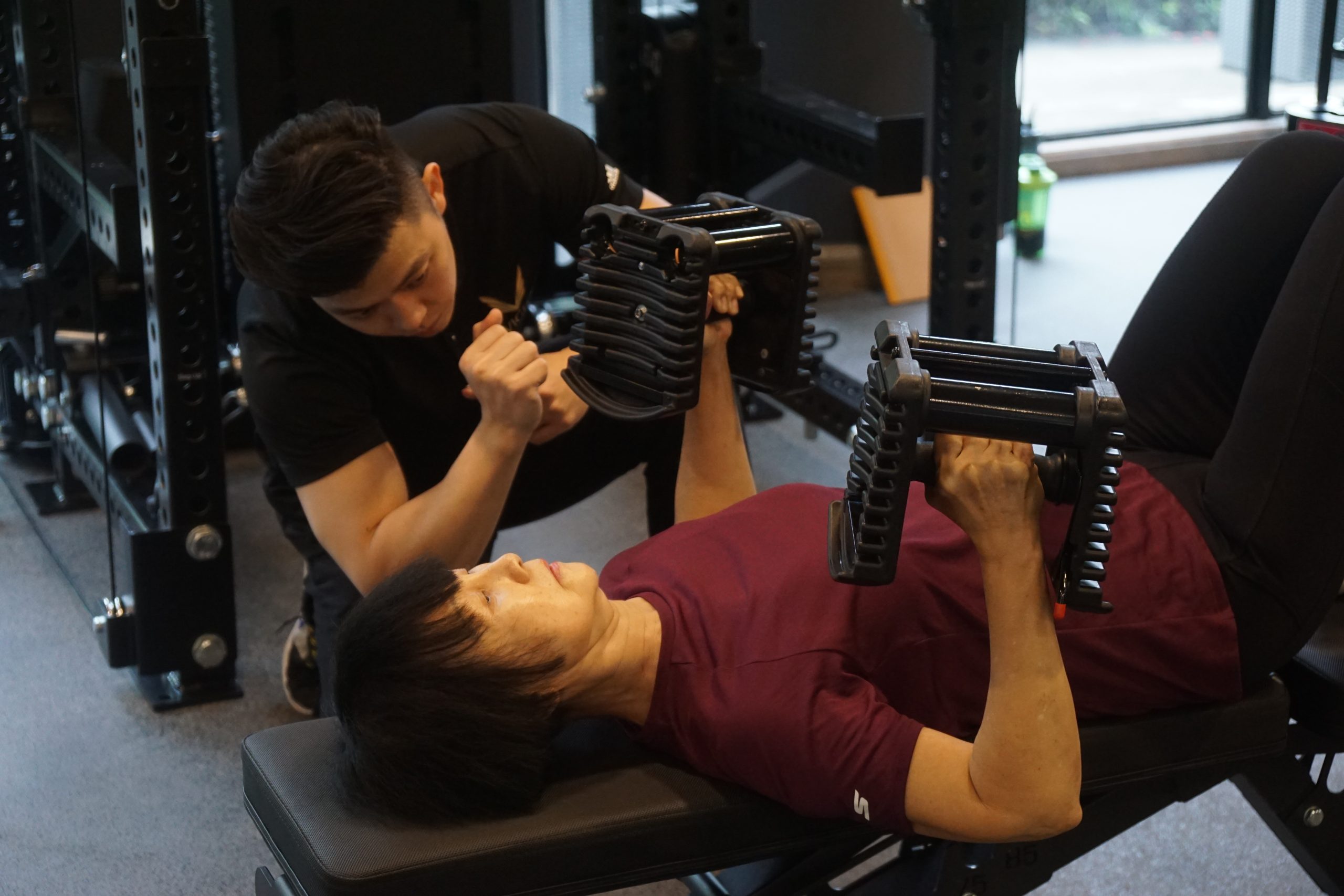
To continue seeing gains and challenging your anti-aging molecules, you need to progressively add resistance. This resistance can come from dumbbells, resistance bands, or even easily accessible household objects, such as heavy water bottles or grocery bags.
Crucially, you must also include mobility and recovery exercises to maintain healthy and agile joints, as they help maintain joint health, stability, and coordination. This comprehensive approach, which combines strength, mobility, and recovery, helps enhance your workout performance and supports your long-term health.
Recovery and nutrition: The other half of longevity
Longevity isn’t only built in the gym. Recovery plays an equal role. Aim for 7 to 9 hours of sleep, balance your weekly effort with active recovery days, and eat in a way that nourishes your cells.
Focus on high-protein and plant-rich meals such as fish, eggs, tofu, tempeh, legumes, whole grains, vegetables, fruit, nuts, and seeds. At the same time, consume saturated fat, sugar, and salt in moderation to help support weight management, control blood pressure, and decrease the risk of heart disease.
Start Your Journey to Active Aging
Feeling like you’re aging faster than you should can be discouraging—but it’s not inevitable. The good news is that with proper guidance, your body can regain strength, vitality, and confidence at any age.
At Vigeo Personal Training, our mission is to help adults and seniors build stronger, healthier lives through personal training services to help you regain your physical capacity and confidence. Working with our personal trainers for seniors ensures your program is expertly tailored to your current physical abilities and your future goals. Book a consultation with Vigeo for an expert-guided strength training session with like-minded individuals.