


Joint pain is one of the most common complaints among older adults, often leading to the question of how they can make their knees and hips stronger.
You may assume that pain is simply a sign of damage, and the only answer is to stop moving. The truth is often the opposite: movement is medicine. By strategically strengthening the muscles that support your key joints, which can be achieved with the help of a qualified personal trainer for seniors, you can help reduce pain, increase mobility, and regain your freedom.
Understanding joint pain in your later years
According to the Pain Association of Singapore, chronic pain, particularly in the knees, hips, and spine, affects one in five elderly people in Singapore. It’s a debilitating issue that can negatively affect independence and quality of life.
However, it’s essential to recognize that joint pain doesn’t always indicate irreversible damage to the joint itself. Often, the pain can be caused by a lack of flexibility or strength in the surrounding muscles, which forces the joint to bear too much stress.
What is osteoarthritis?
Osteoarthritis is the most common form of joint pain and is classified as a degenerative joint disease caused by the wear and tear of cartilage. Cartilage is the smooth, protective tissue that cushions the ends of bones. When it breaks down, bones grind against each other, causing pain.
There are two main types of osteoarthritis:
- Primary osteoarthritis: A common form of osteoarthritis, which is the degeneration of cartilage that happens over time.
- Secondary osteoarthritis: This is caused by a previous injury, an existing medical condition, or potential genetic factors.
Recognizing the symptoms of osteoarthritis
The most common symptoms of osteoarthritis often show up after activity, and recognizing them early can help you seek treatment sooner:
- Pain and stiffness: You may notice pain or a feeling of stiffness in the affected joint, especially during or immediately after you move.
- Tenderness and swelling: The joint may feel tender when light pressure is applied, and you may notice some localized swelling or inflammation.
- Restricted movement: You may experience a loss of flexibility, noticing that you can’t move the joint as far as you used to, which may make you wonder why you can’t bend your knee all the way.
- Joint sounds: You may experience a grinding, grating, popping, or clicking sensation when using the joint.
- Loss of stability: A feeling that the joint isn’t as strong or stable as it typically is, potentially leading to a feeling of unsteadiness.
- Bone spurs: You may feel extra bits of bone, which often feel like hard lumps, forming around the affected joint.
Be vigilant and pay attention to what your body is telling you.
Factors that can worsen osteoarthritis
While the degenerative process can be frustrating, several lifestyle and physical factors can speed up its progression and intensify your pain.
1. Weak muscles or inactive muscles
Weak muscles surrounding the joints can worsen pain. That said, low-impact exercises, when performed correctly, are highly recommended to strengthen these muscles, providing a natural brace for the joint. Furthermore, stretching, such as hamstring and calf stretches, helps keep you flexible and improves your range of motion. This is important because the real issue for many older adults is not just weak muscles, but inactive ones. Older people often stop moving due to pain, and that very inactivity can accelerate degeneration. Consistent stretching helps reduce this stiffness, which in turn lowers the risk of pain and injury, making it easier and safer to stay active.
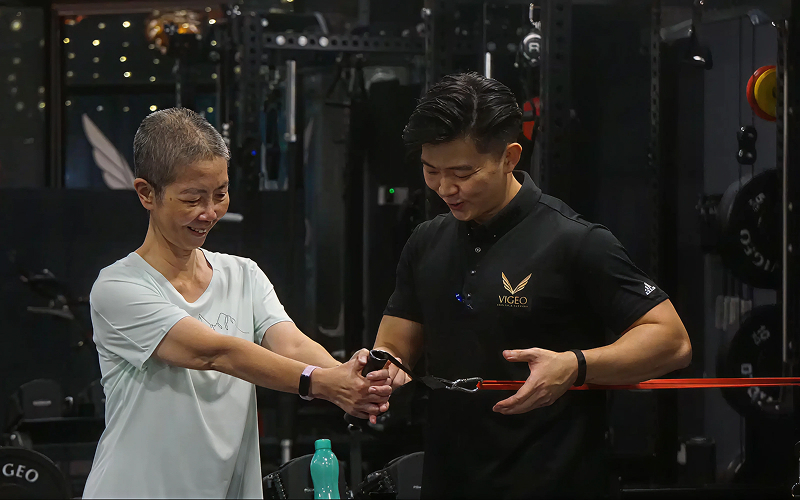
This is where working with a professional makes all the difference. At Vigeo, our personal trainers for seniors specialize in this kind of supportive training. They know how to create variations of exercises that are senior-friendly and safe for your joints, hips, and spine. Moreover, they will guide you in using the correct repetitions and gradually increasing the difficulty, ensuring your muscles are challenged safely and effectively to build lasting strength without risking injury or aggravating any existing injuries.
2. Chronic inflammation and poor recovery
Osteoarthritis is not purely “wear and tear” as it also involves biochemical inflammation. Lifestyle factors such as poor sleep, high-sugar diets, and unmanaged stress elevate inflammation, worsening joint pain and stiffness. Improving sleep, nutrition, and recovery habits plays as much of a role in protecting your joints as exercise does.
3. Excess weight
The heavier you are, the greater the wear and tear on your joint cartilage. This constant, added stress can accelerate the onset and progression of the disease. Therefore, making weight management a crucial part of your treatment plan is non-negotiable. Even a small amount of weight loss has proven benefits: it can help improve mobility and reduce pain in people dealing with knee osteoarthritis, and ease lower back and joint pain.
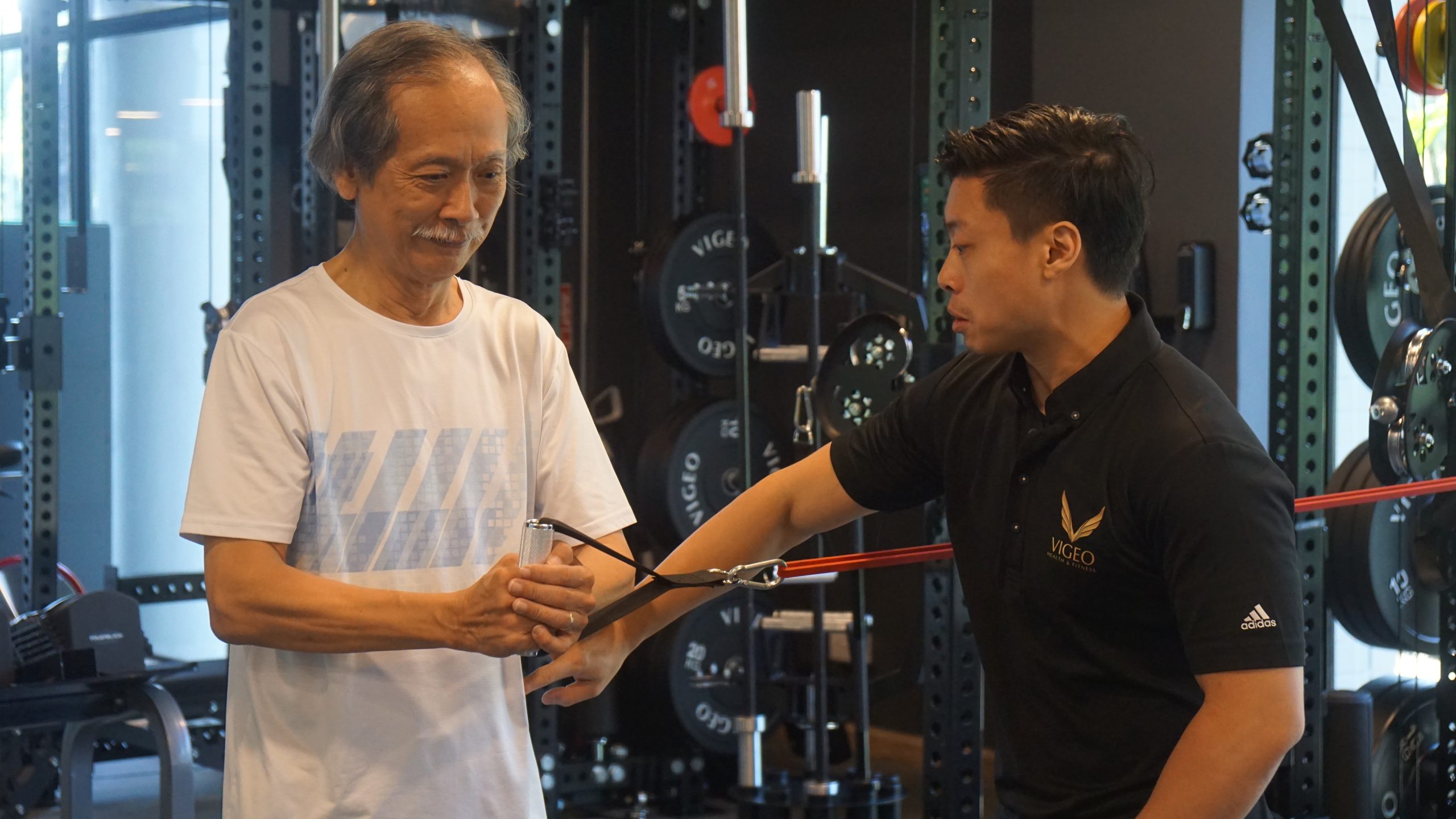
One way to lose weight is to do regular physical activity. These exercises, which can be modified based on your abilities and mobility limitations, could include cycling on a stationary bike, chair-based exercises like sit-to-stand and calf raises, and resistance-band workouts, such as lateral arm raises.
If you find weight management difficult, you don’t have to face it alone. At Vigeo’s personal training gym, you’ll find a supportive community of like-minded people. Training in a group setting provides the accountability and motivation you need, research shows, is an effective strategy for seniors and older adults aiming to lose weight and reduce the risk of disability.
4. Sedentary lifestyle
One of the most overlooked but damaging contributors to osteoarthritis is prolonged inactivity. When you sit or stay still for long periods, your joints are deprived of movement that keeps them healthy.
Unlike muscles, cartilage does not have a direct blood supply. It relies on joint movement to deliver nutrients and remove waste. Without movement, the “lubrication” in your joints, called synovial fluid, stagnates, leading to stiffness, reduced flexibility, and more friction between bones.
Studies have shown that even small increases in daily movement, such as short walks, light resistance exercises, or balance drills, can stimulate joint lubrication and improve comfort levels.
5. Poor movement mechanics
Many people do not realize that how they move daily, not just how they exercise, also affects joint health. Repeated bending, lifting, or walking with poor alignment can put uneven pressure on the cartilage. That is why having a professional watch your form matters. Our personal trainers are trained to correct the subtleties of posture, balance, and loading patterns that most people never notice but that make all the difference long term.
Understanding patellar tendon injuries
A patellar tendon tear is an injury to the tendon that connects the kneecap (patella) to the shin bone (tibia). This injury is unfortunately common in seniors due to age-related tendon degeneration. When this tendon becomes overstressed or degenerates with age, it can partially or completely tear, leading to pain, swelling, and significant loss of strength and mobility.
Signs of a patellar tendon tear
When a patellar tendon tears, the symptoms are usually noticeable and immediate. You may often experience a sharp, sudden tearing or popping sensation at the time of injury. Following this, watch for these common signs:
- Pain and swelling: Pain, tenderness, and swelling typically develop around the knee immediately.
- Indentation: You might feel an indentation right below your kneecap where the tendon tore.
- Difficulty walking: The knee may buckle or give way, making it extremely difficult to walk or straighten your leg.
- Bruising and cramping: Bruising and muscle cramping in the area are also common.
- Kneecap moving upward: In the case of a complete rupture, your kneecap may move upward into your thigh because it is no longer anchored to your shinbone.
Factors that worsen patellar tendon tears
1. Delaying rehabilitation
If you’ve suffered a patellar tendon injury, the choices you make immediately following the injury and throughout your recovery are critical to preserving the function of your knee. Waiting too long to begin structured rehabilitation can cause serious complications. A delay of more than six weeks after the injury, for example, can cause the tendon to retract or scar improperly. In severe cases, this delayed treatment can complicate the process and may necessitate a complete tendon reconstruction, sometimes using tissue from other parts of the body. The earlier you begin guided movement, the better your long-term mobility and strength outcomes will be.
2. Weak supporting muscles
Your quadriceps, hamstrings, and calves act as stabilizers for the knee. To prevent knee injuries from recurring, it’s vital to strengthen these muscles so that they are able to absorb impact and stress during movement. When you increase their strength and flexibility, you naturally reduce and share the load and stress on your patellar tendon, which protects the repaired tendon and minimizes the risk of re-injuring yourself. Consistently adding focused exercises to your routine helps you recover faster and ensures your tendons are ready to handle your daily movements and any higher-intensity activities without getting hurt again.
3. Ignoring mobility and flexibility
Tight hip flexors, quads, or calves increase tension through the patellar tendon, creating constant strain. Gentle stretching, soft-tissue work, and mobility drills help restore balanced movement around the knee joint. Combined with proper strength work, this balance reduces pain and improves joint resilience.
4. Returning to high-intensity activity too soon
Even after pain subsides, the tendon may not yet be ready for impact-based or high-load exercises. Gradual exposure is key and a structured, progressive plan helps ensure your tendons adapt to new levels of stress safely.
What is rheumatoid arthritis?
Rheumatoid arthritis is distinct from osteoarthritis, despite both having ‘arthritis’ in their name.
Osteoarthritis results from mechanical wear and tear which is why it’s common in older adults as the joints and tendons wear down with age. Whereas rheumatoid arthritis is an autoimmune disease where the body’s immune system mistakenly attacks its own joints, and sometimes other organs and tissues.
Although the exact cause of rheumatoid arthritis remains unknown, it is believed that both genetic and environmental factors may play a combined role. Factors such as smoking, chronic infection, or physical or emotional stress can trigger inflammatory responses of rheumatoid arthritis. Over time, this chronic inflammation damages the cartilage, ligaments, and bone, leading to pain, deformity, and fatigue that can affect every part of life.
Recognizing the symptoms of rheumatoid arthritis
Rheumatoid arthritis affects everyone differently, with symptoms that can progress slowly over years or develop rapidly. It often alternates between periods of intense symptoms and times without any symptoms. Be vigilant for these common signs:
- Joint symptoms: Pain, swelling, and tenderness often affecting multiple joints, particularly the hands, wrists, and knees.
- Symmetry: You feel pain and stiffness in the same joints on both sides of your body (e.g., both wrists or both ankles).
- Morning stiffness: Stiffness that is most severe in the morning or after you’ve been sitting for long periods.
- Fatigue: Extreme tiredness and a general feeling of weakness.
Factors that exacerbate rheumatoid arthritis
While the cause of rheumatoid arthritis is outside your control, several environmental and lifestyle factors can worsen your symptoms and speed up the progression of the disease.
The impact of smoking
Smoking increases your risk of developing rheumatoid arthritis, which is 1.3 times higher in female smokers and twice as high in male smokers compared to those who don’t smoke, and makes existing symptoms much more severe. This happens because smoking causes whole-body inflammation, flooding your system with toxins and free radicals that can damage your cells and trigger an immune response that might attack your joints. To put it simply, the longer you smoke, the greater the inflammation.
The consequences of inactivity
A sedentary lifestyle is damaging because it can lead to weight gain, increased stiffness, and debilitating fatigue, all of which worsen the symptoms of the condition.
Everyone needs exercise, but it’s essential for people with arthritis. Exercise boosts strength, makes moving easier, and reduces joint pain and fatigue. It’s understandable if the thought of a brisk walk or swimming feels overwhelming when your joints are stiff and painful. But there’s no need to push yourself too hard. Even moderate exercise can ease your pain and help you maintain a healthy weight. Simply put, when arthritis tries to slow you down, consistent movement is what keeps you going.
The right kinds of exercises can improve your health and fitness without hurting your joints. When combined with a treatment plan, exercise significantly improves your quality of life.
How can you improve your knees, hips, and back without surgery?
Managing chronic pain and restoring function in your knees, hips, and back is achievable. Regardless of the specific condition, whether it’s joint pain or a past injury, targeted exercise is a clinically proven tool for managing pain and restoring function.
1. Lubricate your joints
Your body’s natural joint fluid, called synovial fluid, is the “oil” that keeps your bones gliding smoothly without friction. Physical activity is the key to maintaining this system. Each time you bend, stretch, or walk, your joints produce and circulate this fluid. Without regular movement, however, this fluid thickens, your cartilage can dry out, and friction increases, leading to stiffness.
Consistent activity is essential to prevent stiffness, preserve your joints’ agility, and boost cushioning. Furthermore, movement acts like a sponge for your cartilage, boosting circulation to deliver vital nutrients while squeezing out waste products, keeping your joints healthy and nourished.
2. Boost nutrient flow to cartilage
Regular exercise increases your blood supply and boosts metabolic processes, which in turn delivers essential nutrients to your joint fluid. When you move, your cartilage squeezes together like a sponge, pushing out waste products under strain. Then, when the pressure is released, the cartilage absorbs those nutrients from the joint fluid, keeping your joints healthy and nourished.
3. Build a protective muscular brace
Strong muscles are your body’s natural armor. They act like shock absorbers, protecting your joints from stress and reducing the strain on tendons and ligaments. Weak muscles, on the other hand, force your joints to do all the work, which can accelerate pain and wear.
Targeted strength training builds this muscular brace, especially around your knees, hips, and core. This doesn’t mean lifting heavy weights or doing painful exercises. It means using controlled, precise movements that challenge your muscles safely. Over time, this leads to smoother motion, better posture, and a stronger foundation for your joints.
4. Do strength training
One of the key factors to muscle building is repetition. You should aim for up to 30 repetitions per arm or leg, which will get easier over time. If done consistently, you will notice benefits within a few weeks. Then, if your current muscle exercises become easy, that’s your signal to move on to more vigorous activity, like brisk walking, using an exercise bike, or a cross-trainer.
Repetitions are how often you do a single movement. When starting, aim for 2 to 3 repetitions at a time. It’s better to do small amounts throughout the day. For example, practice your repetitions every hour. As this gets easier, and if you feel able to, add 1 or 2 repetitions every few days.
5. Fight inflammation and promote repair
Joint pain is as much chemical in nature and not just mechanical. Chronic inflammation, often linked to factors like excess body fat, poor sleep, or high stress, keeps your immune system in a hyper-reactive state.
The right kind of exercise can help bring this system back into balance. In fact, research indicates that just 20 minutes of moderate movement can prompt a natural anti-inflammatory response by activating the vagus nerve and triggering the release of anti-inflammatory cytokines.
Over time, this consistent activity not only lessens pain but also improves your overall immune resilience. Especially when paired with recovery practices like deep breathing, hydration, and good sleep. This is why we see exercise as therapy for the whole system, not just as “joint training.”
6. Improve circulation for repair and maintenance
When you get your heart pumping through exercise, you help increase blood circulation throughout your entire body, including the joint membranes. This increased flow ensures that your joint tissue receives a steady supply of nourishing oxygen and vital nutrients needed for repair and maintenance. Additionally, movement triggers a natural biological process that helps break down and remove damaged cells from the joint area, keeping your joints healthier.
How a personal trainer can help support joint-related issues
Working with a personal trainer for seniors, such as from Vigeo, is invaluable for those dealing with joint pain. Our private fitness trainers don’t recommend generic exercises because each individual’s body and condition are unique. Instead, our trainers can help by:
- Understanding your condition: Our trainers possess the knowledge to understand your specific condition, whether it’s osteoarthritis, rheumatoid arthritis, or a tendon tear, and can safely assess exactly what your knees, hips, back, and other parts of your body are capable of doing now.
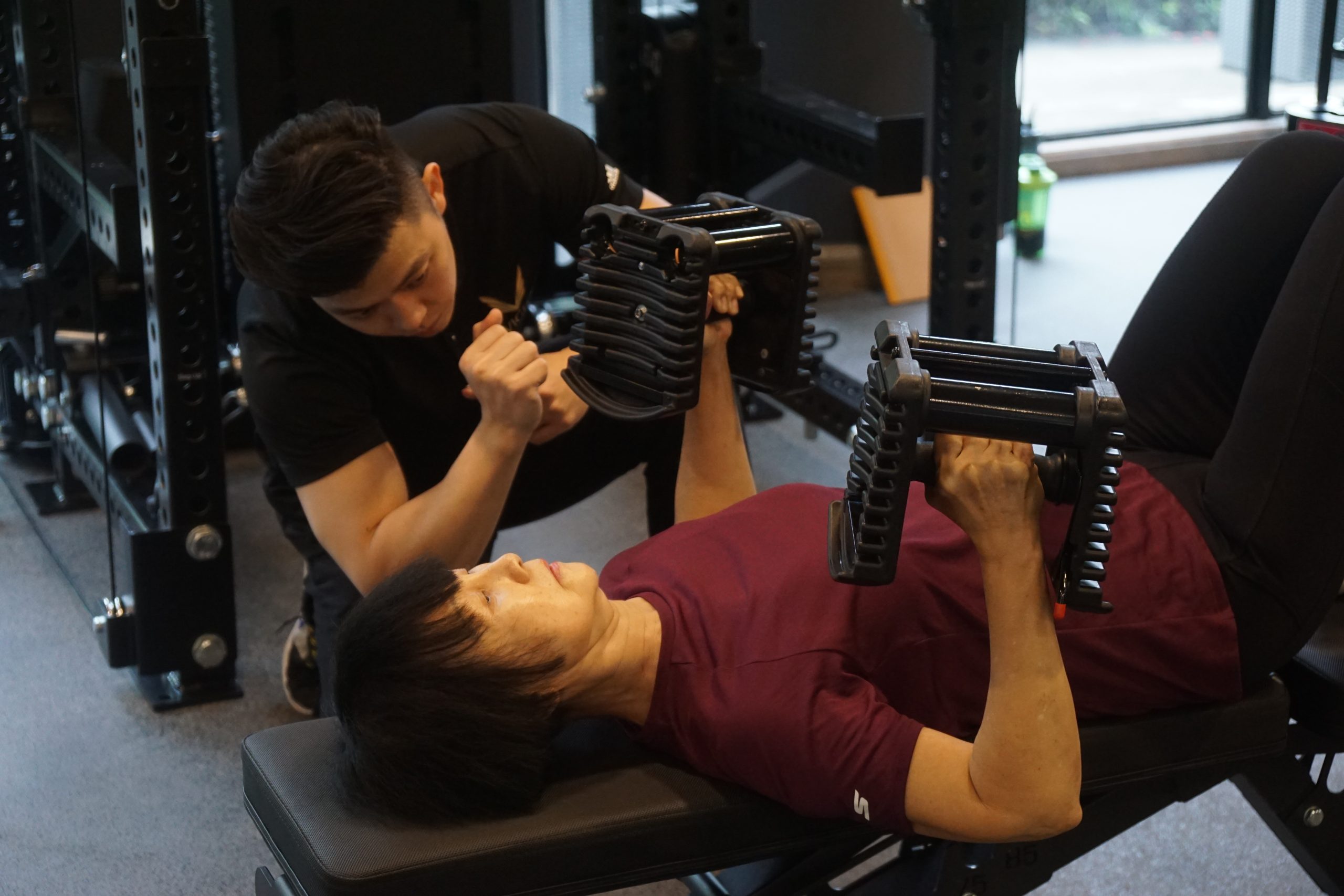
- Personalizing your routine: We design exercises in a way that is based on your limitations and goals, ensuring that it can strategically help strengthen the muscles surrounding your injury without ever aggravating it. This controlled environment allows you to build strength and stability safely and sustainably.
- Restoring function gradually: Our expert fitness trainers will help you gradually build strength and restore functional movement to injured or painful areas, supporting a full and confident recovery and ensuring you get the full benefits of exercise without the risk.
- Targeted flexibility and range of motion: Achieving true joint health requires consistent, targeted movement. Our programs strategically integrate low-impact activities to dramatically improve your joint flexibility and mobility. By increasing the range of motion in your joints, these activities help relieve stiffness and chronic pain, allowing you to move with greater ease.
Investing in expert guidance from us can help make movement remain your solution, and not your source of pain.
Book a consultation with Vigeo today to learn how to keep your knees and other joints healthy, experience active aging, and quickly continue doing the things you love, such as playing with your grandchildren or walking outside to enjoy nature with friends and family.