

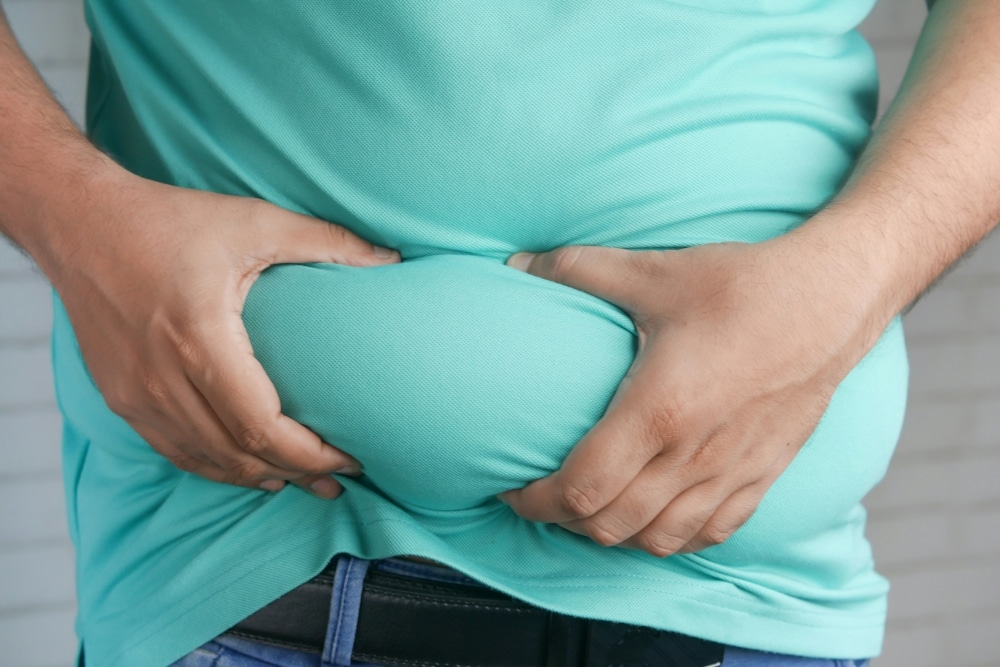
If you’re in your 50s or beyond, you’ve likely noticed that it’s tougher to keep the pounds off, especially around your waist.
Many men and women experience gradual changes in muscle mass, daily activity levels, sleep quality, and hormones during this stage of life, all of which can influence how the body stores and burns fat.
These shifts can make weight management feel slower or more difficult, particularly when relying on the same strategies that worked in earlier years. Instead of turning to extreme dieting or quick fixes, a more sustainable approach that focuses on maintaining muscle, improving metabolism, and building healthy habits becomes increasingly important. Understanding how the body changes after 50 is the first step toward losing body fat safely while supporting long-term health and vitality.
Key Takeaways
- Fat loss after 50 can become more challenging due to changes in muscle mass, metabolism, hormones, sleep, and daily activity levels, which means strategies that worked earlier in life may need to be adjusted.
- Sustainable fat loss in your 50s should focus on maintaining muscle through strength training, prioritising protein intake, and creating a moderate calorie deficit rather than relying on crash dieting.
- Resistance training is essential for combating age-related muscle loss (sarcopenia), supporting metabolism, and improving body composition while preserving strength and mobility.
- Daily movement outside the gym, such as walking and staying active throughout the day, plays a significant role in increasing calorie burn and supporting long-term weight management.
- Lifestyle factors, including sleep quality, stress management, hydration, and limiting alcohol intake can strongly influence hormone balance, appetite regulation, and overall fat loss success after 50.
Why excess body fat after 50 matters (health, mobility, metabolism)
Excess visceral fat, the kind that accumulates around your midsection, can be a serious risk to your health. These risks are significant and well-documented, regardless of your overall weight.
It’s biologically active, acting like an organ that produces proteins called cytokines. And this protein can cause low-level inflammation, which is a risk factor for heart disease and other chronic conditions. Visceral fat also creates a precursor to the protein angiotensin, and this can constrict blood vessels, leading to an increase in blood pressure.
Other problems that could arise due to high visceral fat include:
- Unhealthy blood fat levels
- Sleep apnea
- Heart disease
- High blood sugar and diabetes
- Certain cancers, such as esophagus, pancreas, kidney, and prostate cancer
- Stroke
- Fatty liver
- Alzheimer’s disease
- Early death from any cause
Strategic Steps to Lose Body Fat After 50 (And Keep Muscle)
Losing body fat after 50 requires a slightly different strategy than it did in earlier decades. Changes in metabolism, muscle mass, hormones, and daily activity can influence how the body stores and burns fat. Rather than relying on crash dieting or excessive cardio, a more sustainable approach focuses on maintaining muscle, managing energy intake, and supporting recovery. The following strategies help create a balanced framework for reducing body fat while preserving strength and long-term health.
The Nutrition Strategy: The Protein Anchor
Nutrition becomes increasingly important after 50 because muscle mass naturally declines with age. Prioritizing protein and nutrient-dense foods helps maintain lean muscle while supporting fat loss.
The “30-30-30” Rule
A practical guideline is to aim for roughly 30 grams of protein at each main meal. Spreading protein intake evenly throughout the day helps maintain muscle repair, supports satiety, and stabilises energy levels. Good sources include fish, eggs, tofu, legumes, lean meats, and dairy.
Volume Eating
To stay satisfied while maintaining a calorie deficit, focus on foods that provide high volume but moderate calories. Vegetables, fruits, pulses, and whole grains provide fiber, vitamins, and minerals while helping you feel fuller for longer. Structuring meals around vegetables and whole foods also helps reduce reliance on ultra-processed foods that are often higher in sugar, salt, and saturated fat.
Hydration Is Metabolic
Adequate hydration plays an important role in appetite regulation and metabolic function. Dehydration can sometimes be mistaken for hunger, leading to unnecessary snacking. Maintaining regular water intake throughout the day supports digestion, energy levels, and overall metabolic efficiency, especially in warmer climates such as Singapore.
The Movement Strategy: Resistance First
Exercise remains one of the most effective tools for improving body composition after 50. However, the focus should shift toward preserving muscle rather than simply burning calories.
Combat Sarcopenia
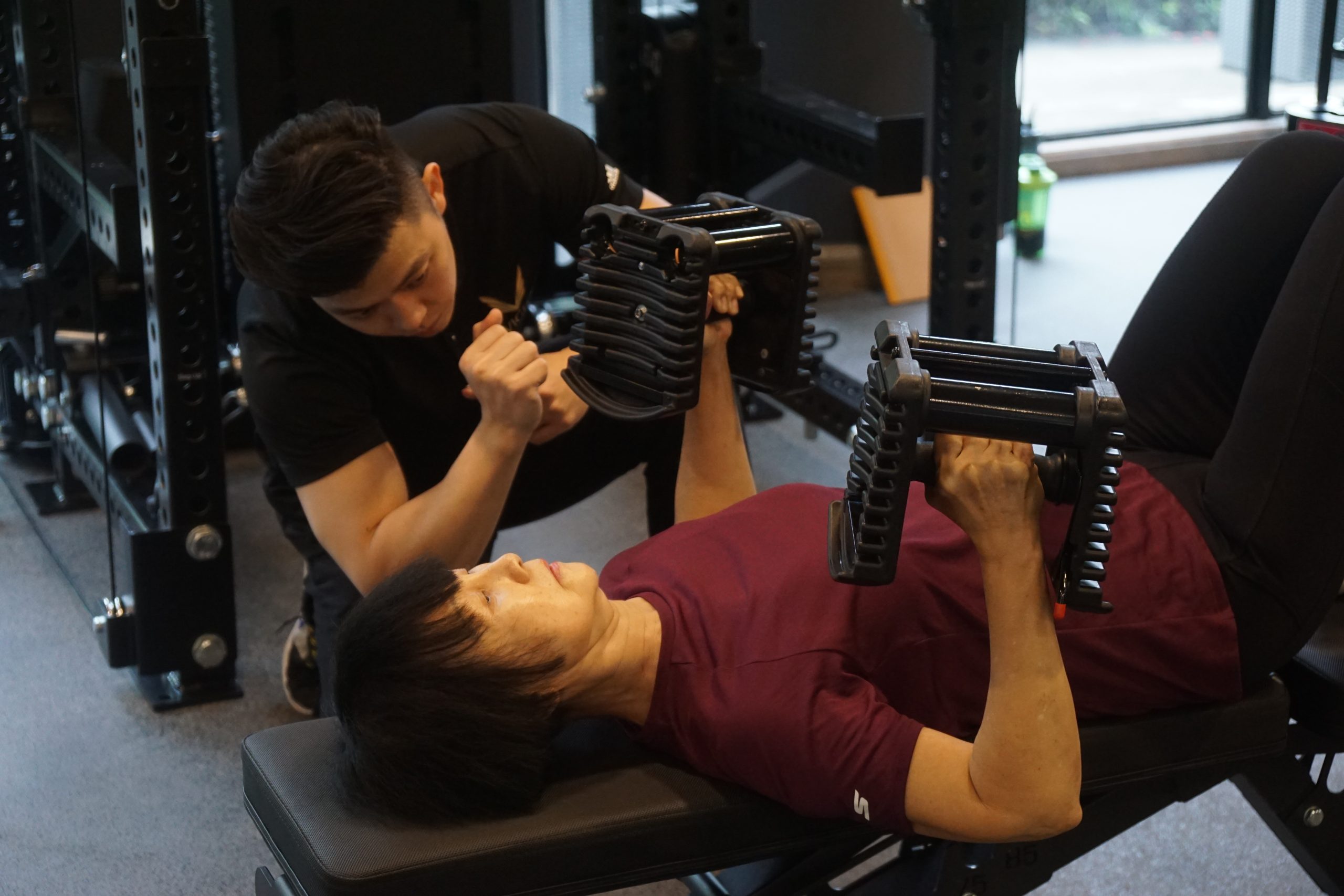
Age-related muscle loss, known as sarcopenia, can begin as early as the 30s and accelerates later in life if left unaddressed. Strength training stimulates muscle maintenance and growth, helping preserve strength and metabolic health. Exercises such as squats, lunges, presses, and rows help train multiple muscle groups efficiently.
Heavier Weights
While technique and safety remain essential, progressive resistance is necessary to maintain muscle mass. Lifting moderately heavy weights challenges the muscles and encourages adaptation. Training two to three times per week can help maintain lean mass and improve overall strength as the body ages.
NEAT (Non-Exercise Activity)
Beyond structured workouts, daily movement contributes significantly to overall calorie expenditure. Activities such as walking, gardening, household chores, and taking the stairs increase what is known as Non-Exercise Activity Thermogenesis (NEAT). Building these habits throughout the day can help support fat loss without placing excessive stress on the body.
The Hormonal Strategy
Hormones play a significant role in appetite, energy balance, and fat storage. Supporting hormonal health through lifestyle habits can make fat loss more sustainable after 50.
Sleep & Stress
Insufficient sleep and chronic stress can disrupt hormones that regulate hunger and satiety. Sleep deprivation increases ghrelin, the hormone that stimulates appetite, while reducing leptin, which signals fullness. Prioritizing seven to eight hours of quality sleep and incorporating stress management practices such as walking, stretching, or mindfulness can help regulate appetite and support fat loss.
The Alcohol Factor
Alcohol intake can quietly add excess calories while also affecting sleep quality and fat metabolism. Frequent alcohol consumption may slow recovery and increase fat storage, particularly around the abdominal area. Moderating alcohol intake can therefore support both metabolic health and long-term weight management.
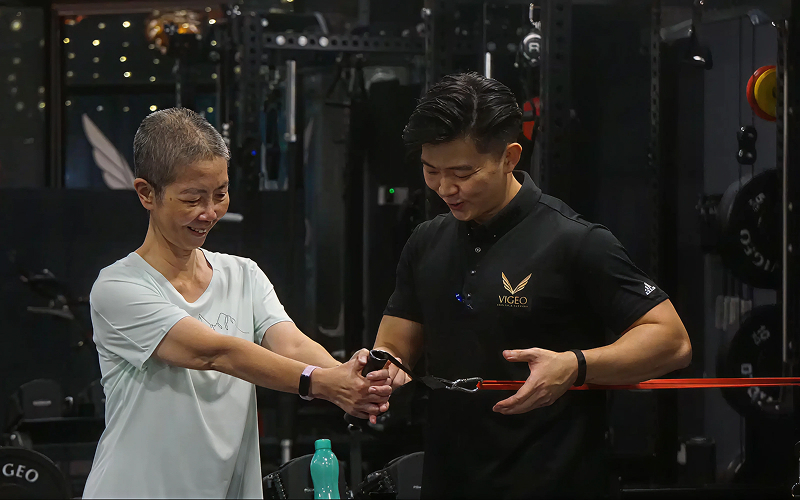
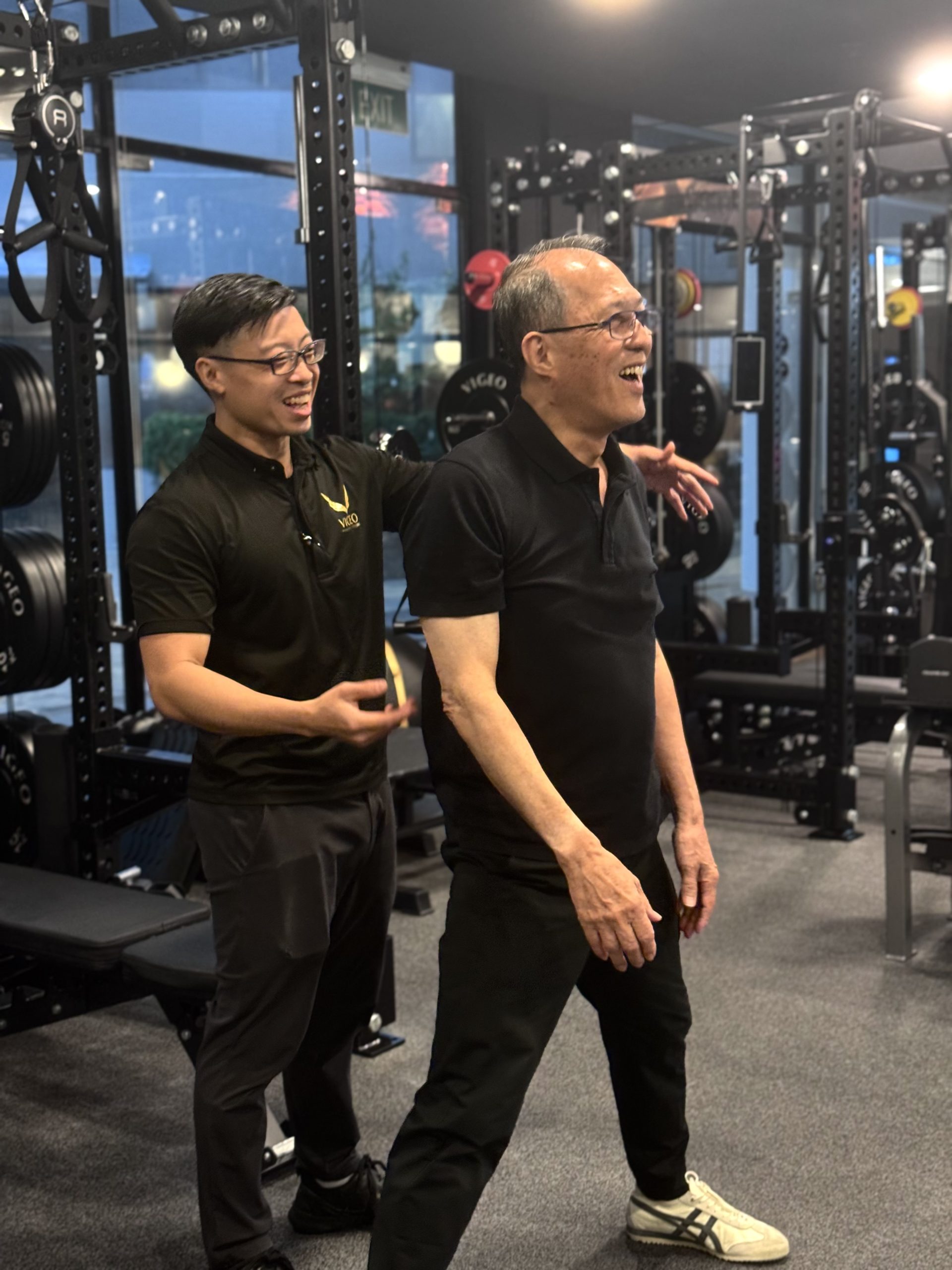
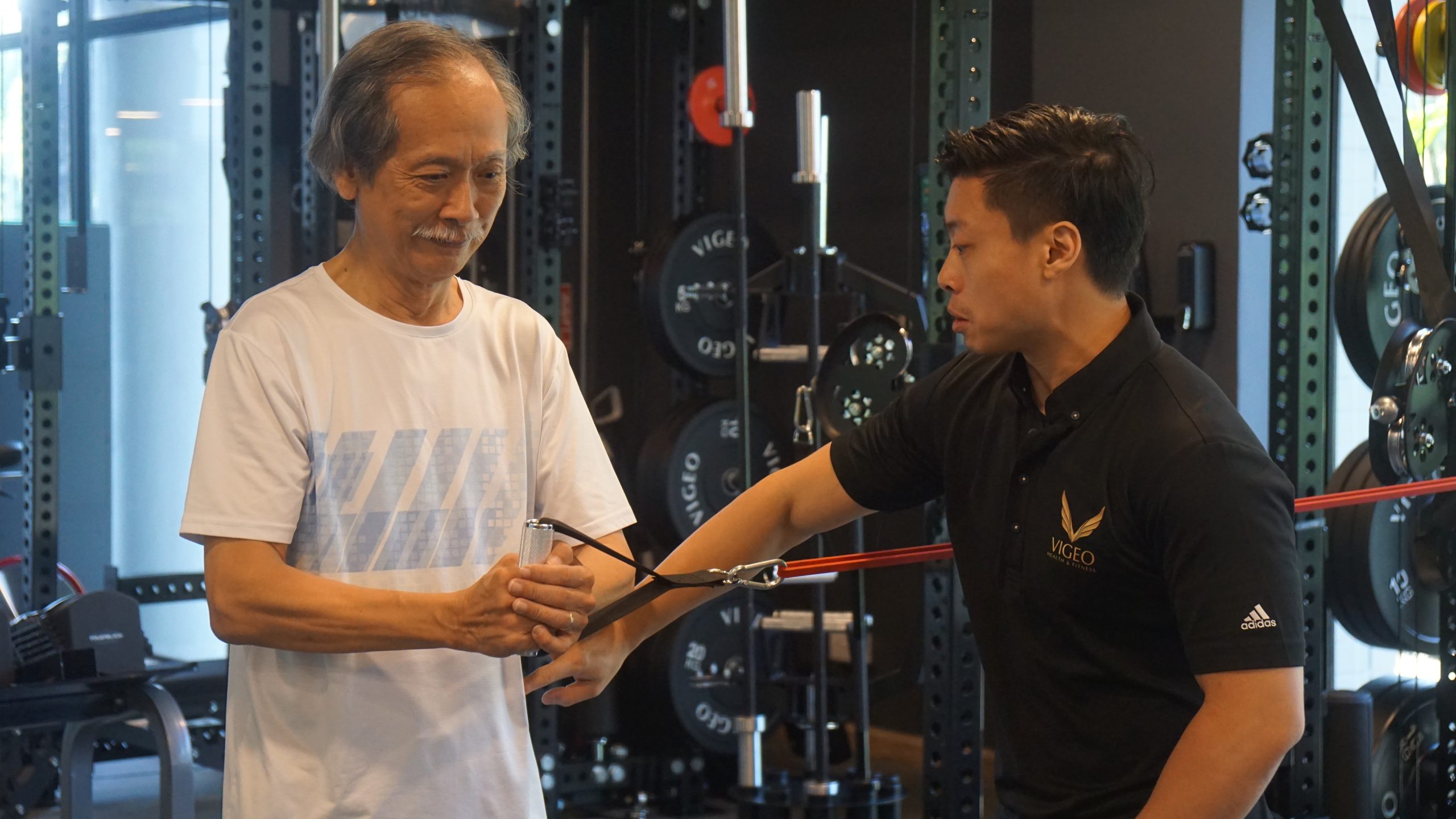
For many individuals, maintaining consistency with these habits can be challenging without structure and accountability. Working with a personal trainer for weight loss in Singapore can provide guidance on strength training, nutrition habits, and sustainable lifestyle changes that support fat loss while preserving muscle as you age.
A holistic approach to lasting results
Losing body fat after 50 is about adopting sustainable habits that support long-term health. As metabolism, muscle mass, and hormones gradually change with age, the focus should shift toward preserving muscle, maintaining daily activity, and building consistent routines around nutrition, strength training, sleep, and stress management.
Rather than chasing quick results, a balanced strategy that prioritizes resistance training, protein-rich nutrition, and regular movement can help men and women improve body composition while maintaining energy and strength. These habits not only support fat loss but also contribute to better mobility, metabolic health, and overall quality of life as you age.
Our experts at Vigeo understand the unique physiological needs of those over 50. With the guidance of our male and female personal trainers for the elderly, you can learn the best exercises for older adults and seniors to lose belly fat and get the accountability you need to stay on track. As for those who have a busy schedule and are looking for a reliable online personal trainer, our experienced coaches can provide that support, no matter where you are.
Contact us to build a personalised plan that fits your lifestyle and fitness level. With the right support, losing body fat after 50 can become a manageable and empowering journey toward stronger health and long-term vitality.