

As we move into our 50s and beyond, we’re all confronted with the reality of time’s impact on our bodies. And if you’re wondering if you can reverse your age with exercise, it’s not a fantasy, as a growing body of evidence suggests that exercise has a profound and measurable effect on slowing the aging process and even, in some ways, reversing its effects.
The impact of time: How our bodies change with age
The process of aging is not a one-size-fits-all experience. It is a complicated and personal journey that affects your body far beyond what you can see on the surface.
As the years go by, all vital organs experience some loss of functionality. This is a natural progression that affects every cell, tissue, and system in your body. While we might notice a few more aches, a little less stamina, or a bit of stiffness, the changes are happening at a deeper level.
There are two theories about why we age. One, the free radical theory, suggests that aging is caused by damage from accumulated molecules called free radicals. Over time, these molecules can harm our cells, which leads to our bodies not working as well.
The other theory, the genetic programming theory, suggests that aging is a process that’s already built into our genes. This idea suggests that specific genes act as a timer, causing our bodies to age and our cells to decline at different stages of life.
However, the constant message from research is that exercise can be an effective and safe tool to counteract these changes.
Unlocking youth: How physical activity can combat aging
By making consistent movement a priority, you’re not just maintaining your current health; you’re actively working to slow down the clock on a cellular level and improve every aspect of your well-being.
The Science of rejuvenation: Exercise’s cellular impact on aging muscles
Exercise is increasingly being viewed by the medical community as a “polypill” or a single intervention with the power to prevent and treat a wide range of chronic diseases linked to aging. Research has shown that regular exercise, no matter when you start, strengthens muscles, boosts cardiovascular health, and improves overall physical function. This is especially true for older adults, as physical activity has been shown to help reduce the risk of health conditions like heart disease, Alzheimer’s, and Parkinson’s.
In addition, a decline in muscle mass and strength is directly linked to a lower quality of life and a higher mortality rate. Fortunately, exercise can be a countermeasure to this progression with a groundbreaking insight that comes from a concept called “epigenetic reprogramming.” This concept explains that exercise actually influences the expression of your genes, and can promote a more youthful state within your muscle fibers, essentially telling your body to behave and rebuild like a younger version of itself.
Reprogramming muscle fibers: The molecular mechanisms
While it’s true that the signal for muscle growth becomes weaker in older muscles, it is not absent. You can still make valuable gains in strength, physical function, and mobility. This is why getting in shape after 50 isn’t about chasing the gains of your youth, but rather about building a resilient, functional body that will serve you well for years to come.
When you do strength training, you create micro-trauma in your muscle fibers. This triggers a cascade of chemical changes and activates specialized receptors on your muscle cells. These internal signals also turn on genes that help create the specific proteins your muscles need to grow. This process of gene activation offers a long-term effect, with these genes being active for several hours after just one resistance exercise session. The overall result of these many changes is that your muscles get bigger, stronger, and more resilient.
Meanwhile, the possibility of future drug development to mimic the benefits of exercise is a fascinating area of research, especially for bedridden individuals. However, it’s vital to remember that a pill cannot replicate the holistic benefits of consistent movement. Exercise gives you so much more than a drug ever could, including improved cardiovascular health, better mental well-being, and enhanced mobility.
Mitochondrial renewal: Your body’s energy engines
Inside your cells are mitochondria, the “power plants” that convert food and oxygen into energy. As you age, these power plants slow down, which can produce less energy and more oxidative stress. That’s why fatigue, slower recovery, and lower stamina often appear with age.
Researchers have even linked strong mitochondrial function to longevity. Exercise helps contribute to this, as it helps clear out older, inefficient mitochondria and stimulates the growth of new, healthier ones. This process helps your body produce energy, leaving you more energetic, less sluggish, and able to recover faster.
Foundational movements for ageless strength and mobility
Achieving a strong, mobile body after 50 starts with mastering foundational movements. These exercises are the building blocks of a healthy, active life and are crucial for improving your stability and reducing injury risk.
1. Building overall strength with modifications
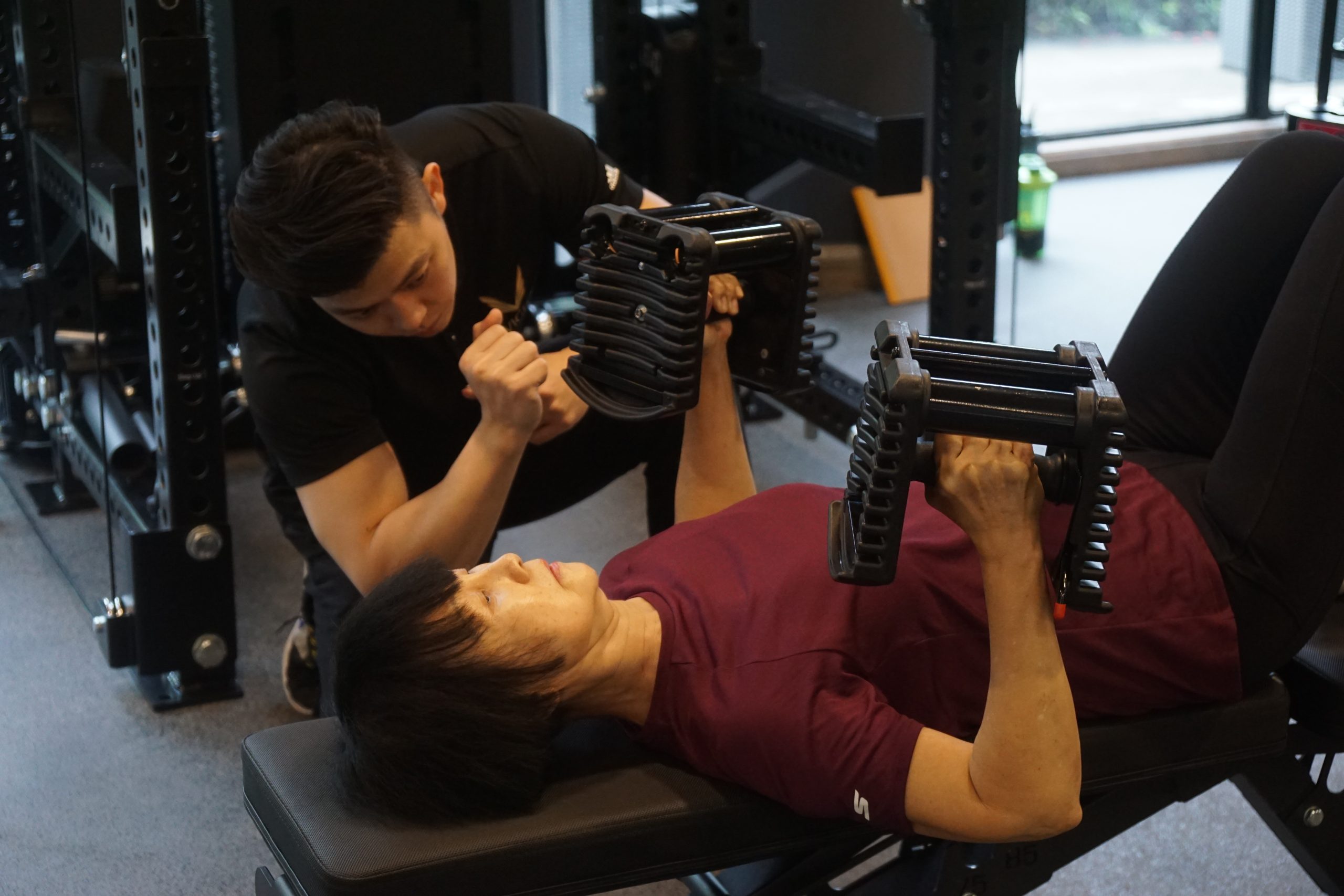
Building overall strength is essential, but it should be done safely. In fact, you don’t even need to lift heavy weights to start seeing results.
For instance, modified push-ups, such as wall push-ups, are an accessible starting point for building upper body strength. Simply place your hands on a wall, step back until you’re at an angle, and perform a push-up. This helps you build strength in your chest and arms while protecting your joints. Overall, consistent strength training, even with modifications, is a way to improve muscle function and truly start to turn back the clock.
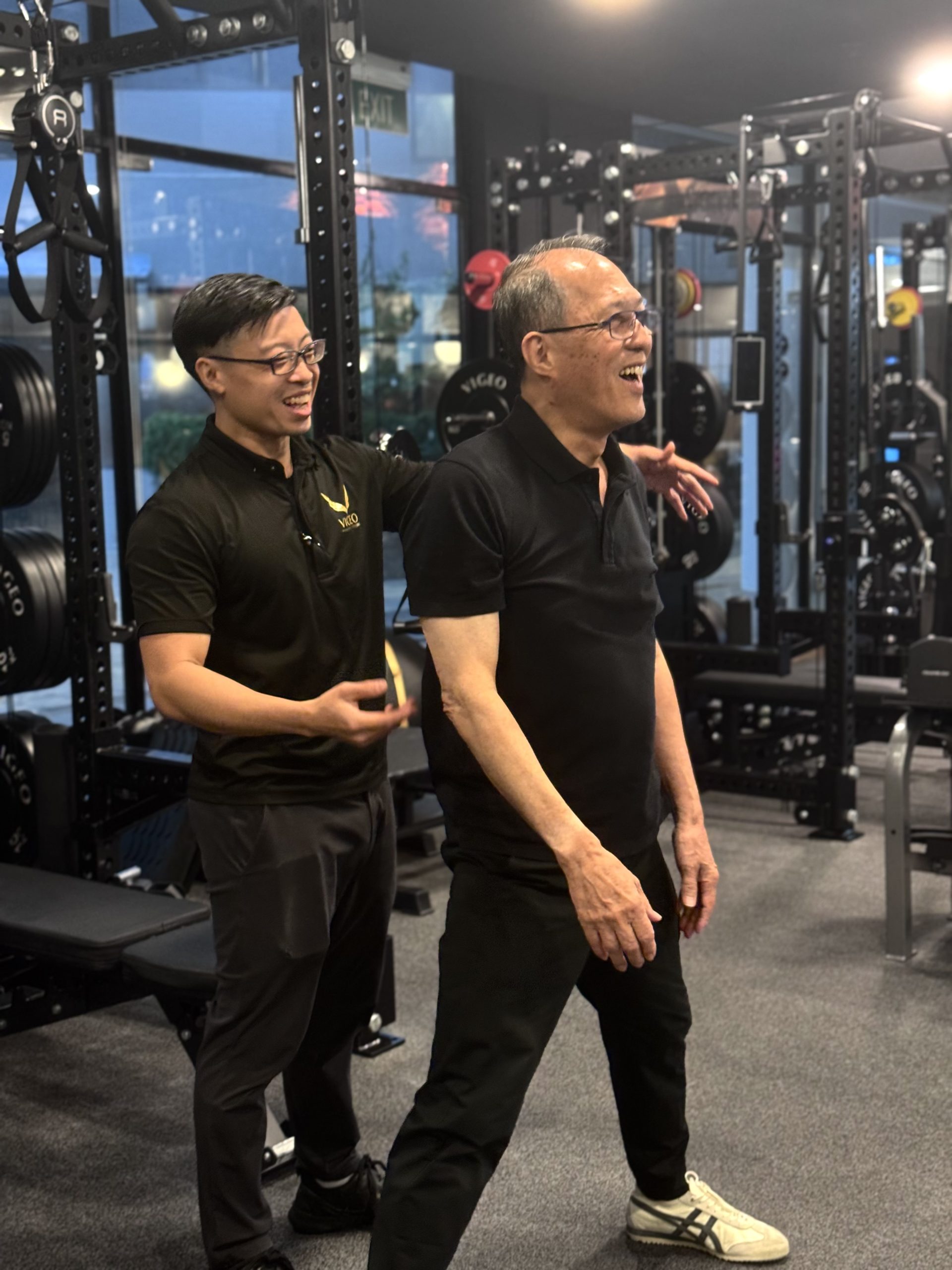
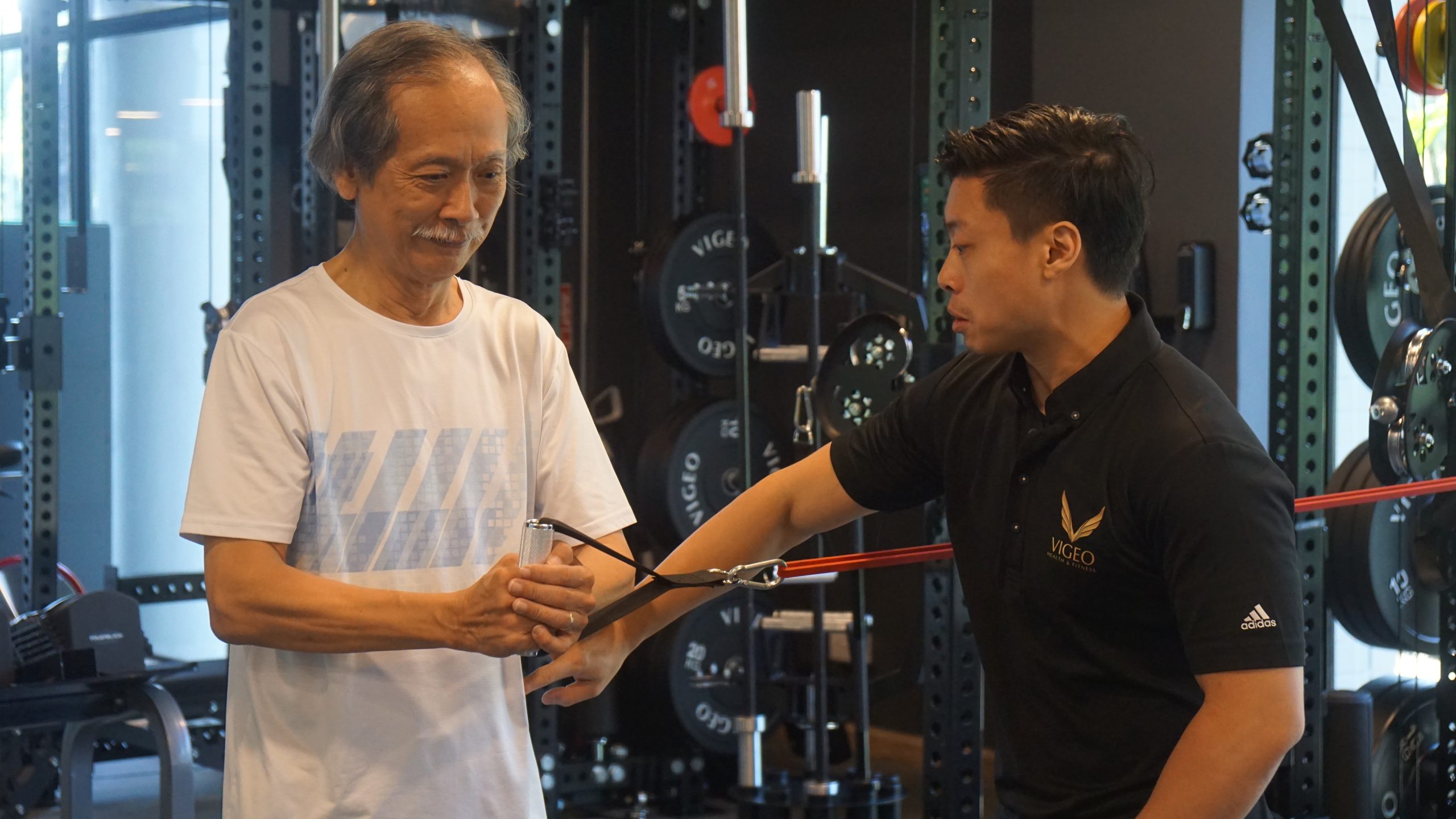
This is where expert guidance can make all the difference. At Vigeo, our trainers specialize in understanding individual needs and limitations. We can assess your specific situation and design a program with modified workouts that are not only safe but also help you build strength and muscle.
2. Improving mobility and flexibility for joint freedom
To move freely, you need flexible joints that can bend, twist, and extend through their natural range of motion. Mobility work helps reduce stiffness, improve blood flow, and lower the risk of injury by allowing your muscles and joints to function as they were designed.
You can help improve the mobility of your back, hips, and shoulders with simple daily exercises like hip circles, shoulder rolls, and cat-cow stretches. Over time, these exercises allow you to reach higher, bend lower, and twist further, which are abilities that can directly enhance your independence and reduce the feeling of “tightness” that often comes with aging.
3. Enhancing balance for stability
Balance is a key aspect of staying active and preventing falls, which are a priority concern for older adults. You can enhance your balance with a simple progression of exercises. Start by standing on one foot with a chair or wall for support and try to balance for 15 to 20 seconds or as long as possible. Once done, do the same for the other leg.
For those looking for a greater challenge, try standing on one foot with your eyes closed. Your eyes play a role in maintaining your balance, which is why this simple change makes the exercise harder. If you can hold that position for 10 seconds with your eyes closed, you’re doing really well.
4. Strengthening your core for support
A strong core contributes to overall stability and can be your best defense against back pain. Moreover, it supports your spine and allows you to move with greater control and confidence.
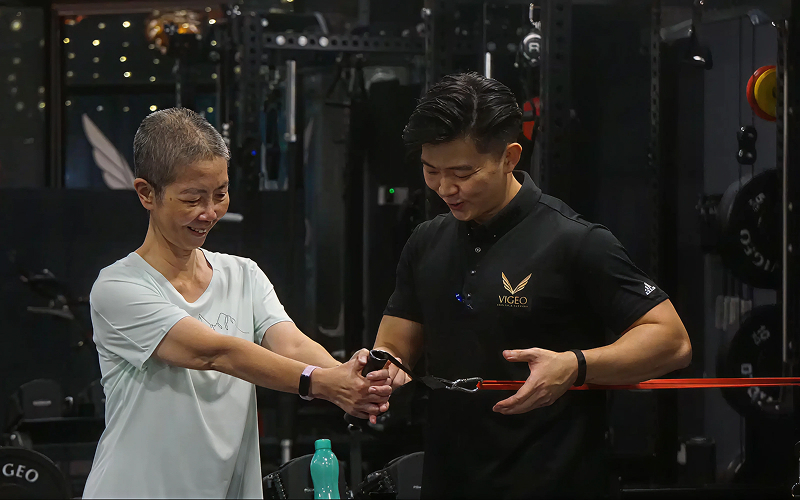
One of the best exercises to strengthen your core is the woodchop, which can be done with a resistance band. And here’s how you can do it:
- Stand with your feet shoulder-width apart, holding a resistance band attached to a stable object at about chest height.
- Start with your hands holding the band in front of your chest.
- Rotate your torso, pulling the band down and across your body to your opposite hip, as if you’re chopping wood.
- Control the movement on the way back up to the starting position.
- Repeat on both sides.
5. Training power and reaction for everyday safety
While balance and strength are key to preventing falls, your reaction time and power, or the ability to move quickly, are what can save you from sudden mishaps.
The ability to catch yourself if you trip, step sideways quickly, or grab a rail when needed depends on having fast reflexes. This quality is often overlooked, but it’s what makes you resilient. A strong core and steady balance help prevent falls, but a quick reaction time helps you recover from the ones you don’t see coming.
Low-impact drills, such as step taps, ball toss and catch, or light medicine ball throws, can train your brain and body to respond faster. Even brisk walking with changes in pace can help build agility.
The way to ageless vitality

When it comes to the best anti-aging exercise, there is no single exercise that can do it all. The most effective approach to turn back the clock is a combination of different types of movement based on your abilities and progress, and this could be three, five, ten, or more, depending on your goals.
The journey of getting in shape after 50 is about committing to a consistent, well-rounded routine that includes strength, balance, and aerobic activities. While this can seem challenging, a supportive environment can make all the difference, and Vigeo provides exactly that.
Our small group personal training sessions, led by an experienced physical trainer, create a community of like-minded people who will encourage you every step of the way. Moreover, our personal trainers for seniors are skilled at designing safe, effective programs that meet the specific needs and goals of aging adults. They will help you find out what your body is capable of, even at this age, and keep pushing you to become a better version of yourself physically and mentally.
Ready to start your transformation and reverse aging? Contact us today to schedule your consultation about the top anti-aging exercises for you and take the first step toward a stronger, fitter body and a healthier you.