


Introduction
Maintaining senior independence is about preserving strength, balance, mobility, and confidence in movement. While changes such as muscle loss, reduced endurance, slower reaction times, and chronic health conditions can make everyday activities more challenging, many of these factors can be influenced through regular physical activity and structured exercise. By understanding how the body changes with age and taking proactive steps to maintain physical function, it is possible to support independence, remain active, and continue performing daily tasks with confidence for longer.
Independence Is About More Than Living Alone
When people think about senior independence, they often focus on living arrangements or on managing daily responsibilities without assistance.
However, independence also extends to an individual’s physical capabilities.
It is the ability to walk comfortably through a shopping center, carry groceries home, climb a flight of stairs, get up from a chair without difficulty, or move confidently through daily life without constantly worrying about balance or fatigue.
For many people, these abilities feel intuitive until their bodies begin to change.
Relationship Between Ageing And Independence
The relationship between aging and independence is often more complex than people realize.
As time goes by, everyday tasks may require more effort, recovery may take longer, and movements that once felt effortless may become strenuous.
The encouraging news is that many of these factors can be influenced.
Taking a Proactive Approach to Aging
For many people, maintaining physical function begins with understanding what is happening to their bodies in the first place. Health and wellness talks, healthcare consultations, and evidence-based supervised exercise programs can help individuals better understand age-related changes and the steps they can take to remain active.
By understanding how the body changes over time, individuals can take proactive steps towards maintaining independence in their senior years rather than simply accepting physical decline as inevitable.
In the sections that follow, we examine the factors that influence senior independence, including age-related physical changes, common health conditions, and the role of exercise in maintaining function and quality of life.
Key Takeaways
Senior independence is influenced by strength, balance, mobility, and confidence in movement, all of which can change gradually with age.
Age-related muscle loss, reduced bone density, and slower reaction times can make everyday activities feel more challenging over time.
Chronic conditions such as osteoporosis, diabetes, cancer, and sarcopenia can affect mobility and increase the risk of losing independence.
Small changes in daily routines, such as avoiding stairs or relying on support when standing, may be early signs of declining physical function.
Maintaining senior independence is often possible through regular movement, strength training, and supervised exercise programs tailored to individual needs.
How Aging Changes the Body and Affects Movement
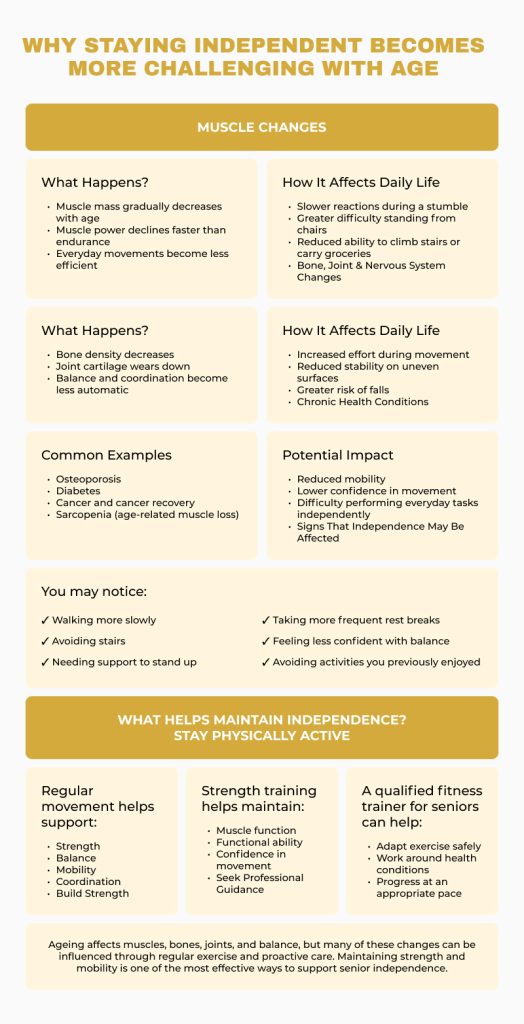
Maintaining independence relies on multiple systems working together. Muscles generate strength and power, bones and joints provide support and stability, and the nervous system coordinates movement and balance. As these systems change with age, everyday activities may require more effort and concentration.
Understanding how these changes affect movement can help individuals make informed decisions about exercise, mobility, and long-term physical function.
Declining Muscle Mass and Power
Muscle mass and power gradually decline as early as the fourth decade of life. In the absence of regular resistance-based exercise, this decline may accelerate exponentially.
While muscular endurance refers to the ability to sustain activity over a prolonged period, muscle power is the ability to generate force quickly and respond rapidly to physical demands.
This matters because many activities that support senior independence depend on power rather than endurance. Catching yourself during a stumble, rising from a low chair, stepping over obstacles, or regaining balance on uneven ground all require muscles to respond quickly and effectively.
Changes in Bone, Joint, and Nervous System Function
Bone density follows a similar pattern. Joints gradually lose cartilage, connective tissues become less elastic, and recovery tends to take longer than it once did. The nervous system also becomes less efficient at coordinating movement. Reaction times may slow, balance becomes less instinctive, and movements often require greater concentration.
These physical changes can contribute to slower walking speeds, reduced endurance, and increased effort during everyday activities. While these shifts are a natural part of aging, they do not affect everyone equally.
The Impact of Physical Activity on Age-Related Decline
When not engaged, muscles lose mass.
Spending long periods sitting, avoiding physically demanding tasks, or reducing exercise participation can cause mobility and strength to deteriorate. This is why maintaining movement remains essential for senior independence.
Regular strength and mobility training helps preserve muscle function, joint control, and neuromuscular coordination. These factors play a significant role in supporting functional independence as people age, allowing them to continue performing daily tasks with confidence.
For individuals seeking structured guidance, working with a qualified personal trainer for the elderly can help ensure exercises are safe, appropriate, and tailored to their current abilities.
Medical Conditions That Commonly Affect Senior Independence and Mobility
The effects of aging do not occur in isolation. Many adults over 60 live with one or more chronic health conditions, and these conditions often affect movement in ways that are not immediately obvious.
Osteoporosis
Osteoporosis is commonly viewed as a condition affecting bone density. However, its impact on senior independence often extends beyond the bones themselves.
The fear of falling or sustaining a fracture can significantly influence behavior. Individuals may become more cautious, avoid certain activities, shorten their stride, or limit movement altogether.
Ironically, reducing movement often accelerates the physical decline that contributed to the concern in the first place.
Diabetes
Diabetes can affect mobility through several pathways.
Reduced circulation to the lower limbs may affect physical function, while nerve damage in the feet can diminish sensation and balance awareness. Energy levels may fluctuate throughout the day, making physical activity feel less predictable.
Over time, these challenges can affect confidence in movement and create barriers to maintaining senior independence.
Cancer and Cancer Recovery
Cancer and cancer treatments frequently affect physical function.
Fatigue, muscle loss, reduced endurance, and joint discomfort are common challenges experienced during and after treatment.
Research increasingly supports exercise as an important component of cancer rehabilitation. Carefully structured movement programs can help preserve muscle mass, improve endurance, reduce fatigue, and support the goal of maintaining independence in later life.
Sarcopenia
Sarcopenia, the age-related loss of muscle mass and strength, is one of the most significant contributors to declining physical function.
Unlike many medical conditions, sarcopenia often develops gradually and without obvious symptoms. Yet its impact on senior independence can be substantial.
As the muscles responsible for standing, walking, climbing stairs, and maintaining balance weaken, everyday activities require more effort. Once automatic tasks may require planning, caution, and concentration.
For many older adults, sarcopenia represents one of the greatest threats to senior independence, making early intervention through movement and strength training particularly important.
How These Health Changes Show Up in Daily Life
Health-related changes often become apparent long before they appear in a medical report.
In a medical setting, decline gets measured in bone density scores, HbA1c levels, and muscle mass indices.
In daily life, it shows up differently.
For example, a sign that an older adult is facing mobility difficulties is when they begin lowering themselves into a chair with their arms for support.
Another example is when a short flight of stairs feels more demanding than it used to, or in the brief hesitation before stepping off a curb when navigating a crowded environment.
These seemingly small changes often represent early shifts in functional independence due to age.
Over time, these functional changes can influence behavior.
Activities may be avoided not due to a lack of interest, but because movement feels unreliable.
Reduced activity can then reinforce weakness and stiffness, contributing to a gradual loss of independence in seniors.
Recognizing these patterns helps individuals understand that functional change is often mechanical rather than motivational.
Understanding Your Movement: Self-Assessments, Common Challenges, and Practical Support
Simple Self-Assessments to Understand Movement Capacity
Many of the activities that reflect senior independence are already part of daily life.
These observations are not designed as tests to pass or fail. Instead, they provide a practical way to monitor changes over time and identify areas that may benefit from attention.
Rising From a Chair Without Your Arms
Sit in a standard chair with your arms crossed over your chest and stand up without using your hands.
Notice whether the movement feels smooth and controlled or whether you need momentum to get started. This simple action reflects leg strength, hip control, and coordination, all of which are essential for senior independence.
Standing on One Leg
While standing near a stable support, lift one foot off the ground and observe how long you can maintain balance.
Single-leg stability is closely linked to fall risk and is one of the most useful indicators of functional independence in older adults.
Walking and Turning
Walk across a room, turn around, and return to your starting point.
Pay attention to how the turn feels. Is it spontaneous, or do you require extra steps and planning? Turning movements often reveal subtle balance and coordination challenges that may not be obvious during straight-line walking.
Managing Stairs
Take note of how you navigate stairs.
Do you rely heavily on handrails? Does descending feel less controlled than ascending?
Going down stairs requires considerable strength, balance, and coordination, making it an important indicator of physical function.
Getting Up From the Floor
If safe and appropriate, try lowering yourself to the floor and standing back up independently.
This movement combines strength, mobility, balance, and coordination. It is also one of the strongest real-world indicators of senior independence, particularly in situations involving trips or falls.
The Timed Up and Go Test
Healthcare professionals commonly use the Timed Up and Go (TUG) test.
Stand up from a chair, walk three meters, turn around, return to the chair, and sit down. Timing this movement can provide useful information about mobility and balance.
The purpose is not to focus on the number itself but to track changes over time. Maintaining awareness of your physical abilities allows you to take action before mobility begins to decline and affect your independence.
Common Misunderstandings About Ageing and Exercise
Several misconceptions continue to prevent people from taking steps to preserve strength, mobility, and independence in later life.
Many of these beliefs sound reasonable at first glance, but they often create unnecessary barriers to maintaining physical function.
"Strength Training Is Too Risky at My Age"
This is one of the most common misconceptions.
In reality, appropriately supervised strength training is considered safe and beneficial for many older adults. The risks associated with inactivity, including muscle loss, reduced balance, and declining bone health, are often greater than the risks associated with properly managed exercise.
Supporting senior independence often requires challenging the body in a safe, progressive manner rather than avoiding physical effort altogether.
"Walking Is Enough"
Walking offers many health benefits and remains an excellent form of physical activity.
However, walking alone does not provide the resistance needed to maintain muscle strength or adequately challenge balance systems. As a result, it may not fully address the factors most closely linked to senior independence.
Strength training, mobility work, and balance exercises each contribute unique benefits that walking alone cannot provide.
"Pain Means I Should Stop Moving"
Pain should always be respected, but it does not automatically mean movement must stop completely.
Many people experience stiffness, discomfort, or mild soreness when returning to activity after a period of inactivity. In many situations, carefully progressed movement helps reduce these symptoms more effectively than prolonged rest.
The goal is not to avoid movement but to identify the most appropriate type and amount of activity.
"It Is Too Late to Improve"
Perhaps the most damaging misconception is the belief that physical improvement is impossible later in life.
Research consistently demonstrates that older adults can improve strength, balance, mobility, and confidence through structured exercise. While expectations should remain realistic, the body’s ability to adapt does not disappear with age.
Every improvement contributes to stronger movement patterns, better quality of life, and greater independence for seniors.
For individuals who are unsure where to begin, private personal training can provide structured guidance, accountability, and exercise progression tailored to current abilities.
Working Within Limitations: How a Trainer for Older Adults Can Help
Most people do not stop moving because they lack motivation.
They stop because movement begins to feel uncertain.
Perhaps they experienced a stumble that shook their confidence. Perhaps a previous exercise program left them excessively sore. Perhaps they simply no longer trust their body to respond the way it once did.
Building Confidence Through Structured Support
Rebuilding confidence requires more than exercise alone. It requires an environment where concerns are acknowledged, limitations are respected, and meaningful improvements in daily life are used to measure progress.
This is where a qualified personal fitness trainer in Singapore can play an important role.
A trainer experienced in working with older adults understands how health conditions, previous injuries, balance limitations, and mobility restrictions influence exercise selection and progression.
Rather than focusing on performance, training prioritizes movement quality, stability, and consistency.
Programs are adapted by adjusting the range of motion, exercise intensity, recovery periods, and progression rates. This allows individuals to participate safely while continuing to work towards meaningful goals that support senior independence.
What Does Training Typically Focus On?
Many evidence-based supervised exercise programs place particular emphasis on:
- Strength development
- Balance training
- Mobility improvement
- Functional movement patterns
- Fall prevention strategies
- Confidence-building through gradual progression
Importantly, progress is monitored carefully.
Understanding the Limits of Exercise
A good trainer also recognizes the limits of exercise.
Not every aspect of aging can be reversed, and some conditions require ongoing medical management. Effective professionals work within these realities and, where appropriate, collaborate with healthcare providers to ensure exercise remains safe and suitable.
The goal is not perfection.
The goal is to help individuals maintain the strength, mobility, confidence, and independence needed to continue living life on their own terms.
How Vigeo Health & Fitness Supports Older Adults
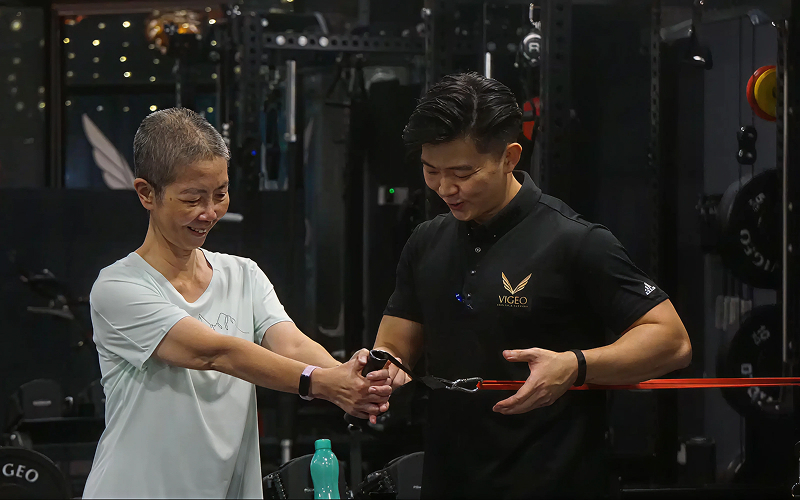
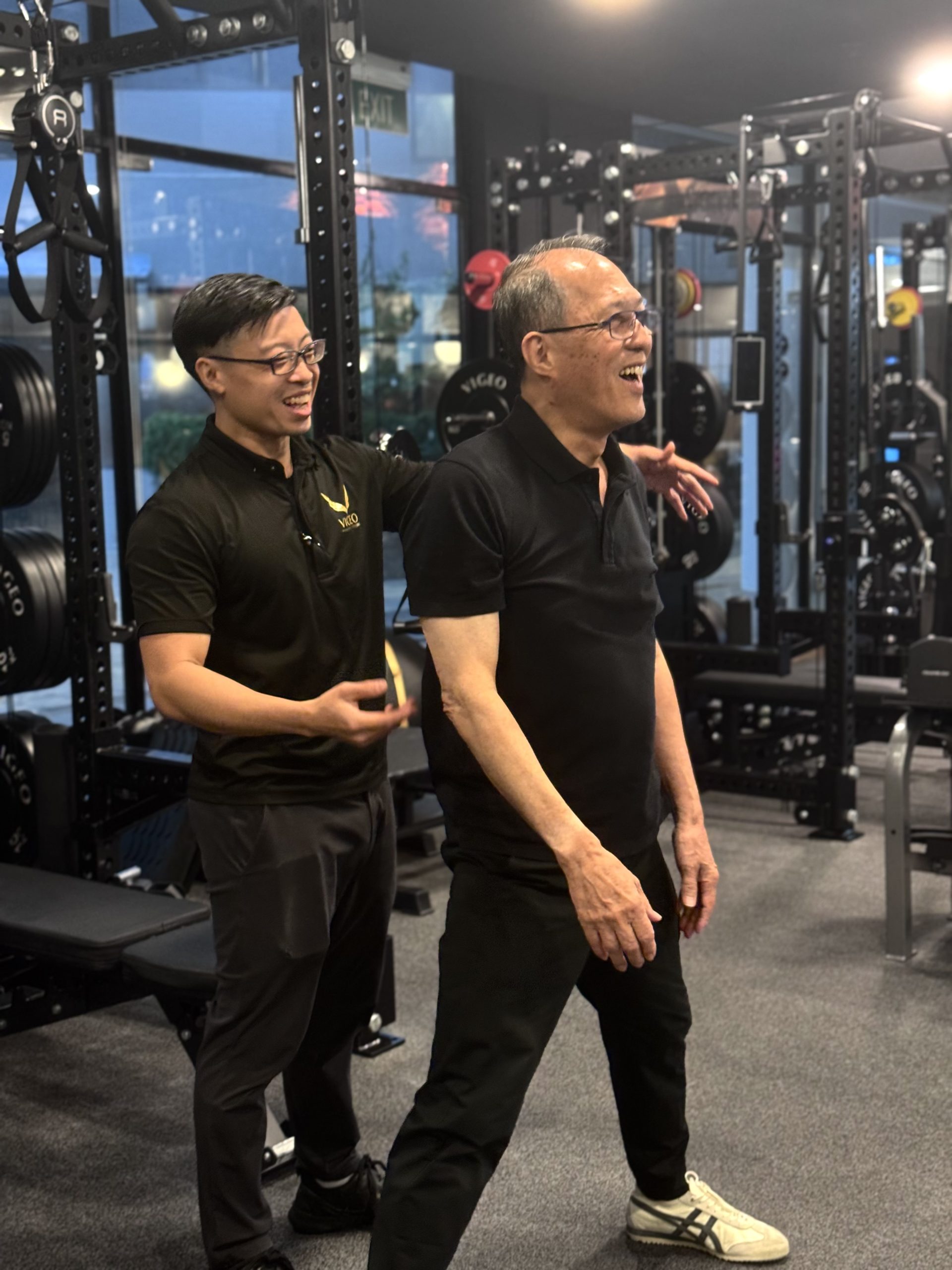
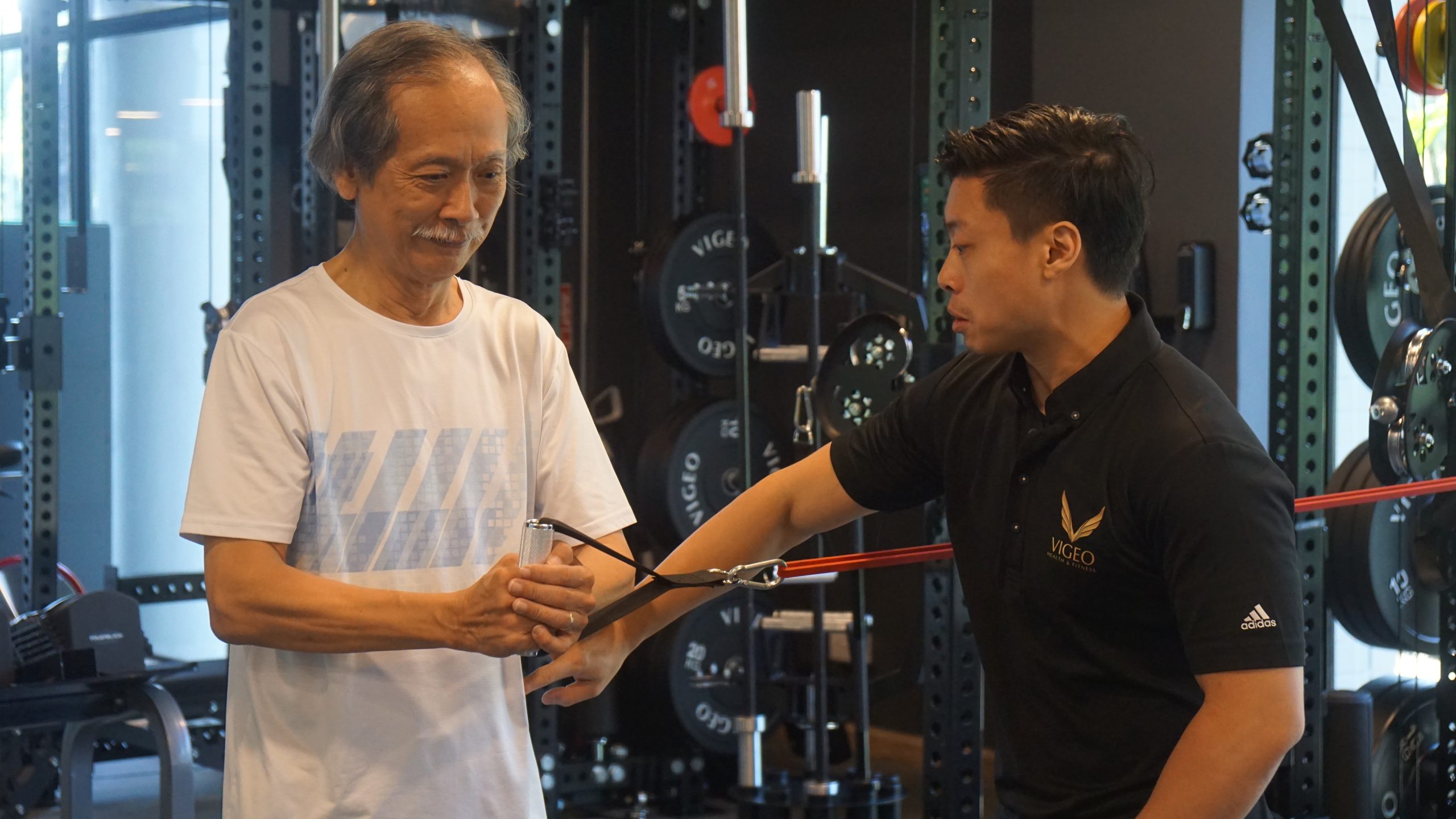
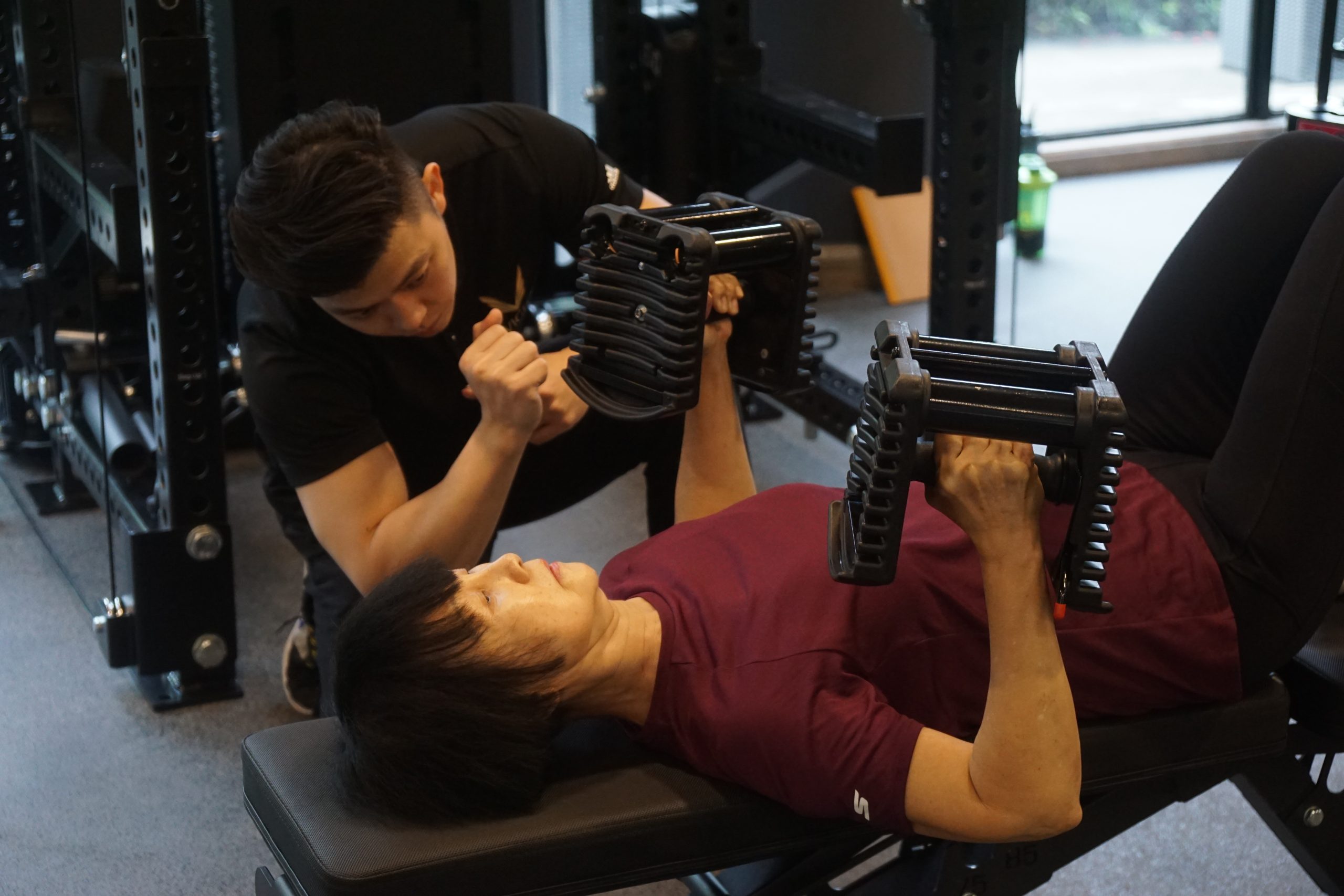
At Vigeo Health & Fitness, training programs are designed around the realities of aging rather than generic fitness goals.
Every individual arrives with a unique combination of health conditions, movement limitations, lifestyle demands, and personal goals. As a result, programmes are tailored to the individual rather than following a one-size-fits-all approach.
Whether the goal is improving balance, rebuilding strength after a period of inactivity, managing the physical effects of a chronic condition, or maintaining independence for longer, training is adapted to meet the person’s current abilities and circumstances.
Progress is monitored closely, with recovery, fatigue levels, and movement quality guiding future sessions. The objective is a transformation with sustainable progress that supports long-term independence and quality of life.
Frequently Asked Questions
How quickly can movement and strength change as we age?
Usually gradually over many years, though illness, injury, surgery, or inactivity can accelerate the process. Regularly monitoring mobility, balance, and strength can help protect independence in later life.
Is pain always a sign that I should stop moving?
No. Mild stiffness or discomfort may improve with appropriate exercise, whereas a healthcare professional should evaluate sharp, sudden, or worsening pain.
Should I avoid movement because it feels difficult or uncomfortable?
Not usually. Avoiding movement often leads to further weakness and reduced mobility. Gradual, well-managed exercise is generally better for maintaining function and independence in seniors.
Can I still benefit from exercise if I have been inactive for years?
Yes. Improvements in strength, balance, mobility, and confidence are possible at almost any age. Consistency is often more important than intensity.
How do I know what level of activity is right for me?
It depends on your health, fitness level, mobility, and goals. Professional guidance can help you exercise safely and support the maintenance of independence in later life.
Conclusion
Whether you are managing a chronic condition, recovering from a period of inactivity, or simply looking to stay active for longer, investing in your physical health today can have a meaningful impact on your quality of life in the years ahead.
At Vigeo Health & Fitness, we help individuals build strength, improve mobility, and maintain functional independence through personalized exercise programs tailored to their goals, health conditions, and current abilities. Our approach prioritizes safety, confidence, and sustainable progress, helping clients remain active and capable throughout their later years.
Contact us today to learn how a personalized training plan can support your journey towards stronger movement, better health, and lasting independence in your later years.