

Key Takeaways:
- Regular exercise supports how the body manages cancer risk by influencing inflammation, hormones, digestion, and immune function.
- Maintaining a healthy weight through physical activity helps reduce long-term inflammation linked to cancer risk.
- Both aerobic movement and strength training play complementary roles in supporting metabolic and physical health.
- Lifestyle factors affecting cancer risk often interact, which makes consistent movement more effective than short-term intensity.
- Structured, age-appropriate exercise guidance can help individuals stay active safely and sustainably over time.
Introduction
Most people know exercise is good for them. Fewer realise how specifically it works inside the body to influence long-term health risks, including cancer risk.
Exercise does not prevent cancer and does not replace medical care. What it does is create internal conditions that make it harder for the disease to take hold. It regulates inflammation, balances hormones, supports digestion, and keeps the immune system functioning efficiently. These are not small benefits. They are the biological foundations of long-term health.
For adults over 40, this matters more with every passing year. The body’s ability to self-regulate gradually shifts with age. Consistent, appropriate physical activity is one of the most evidence-supported ways to support that regulation over time.
Individual health needs vary. If you have existing medical conditions, speak with your doctor before starting or changing an exercise programme.
Healthy Weight and Inflammation
Body weight and inflammation are closely linked to long-term health. Excess body fat is associated with chronic low-grade inflammation, which may disrupt normal cellular processes over time.
Regular physical activity helps regulate body weight by increasing energy expenditure and supporting metabolic efficiency. When body fat levels are better managed, inflammatory markers tend to be lower. This supports tissue health and normal cell behaviour.
In practice, this is one of the first things we observe when our students over 40 begin training consistently. Energy stabilises, inflammation markers improve at their next health screening, and they simply feel less sluggish. It does not require extreme effort. It requires consistency.
The above relationship explains why physical activity and cancer risk are often discussed together in public health guidance. Movement helps create internal conditions that are less favourable to prolonged inflammation.
How to Assess Body Weight and Inflammation
Body weight is commonly assessed using measurements such as body mass index (BMI), waist circumference, or body composition scans, which provide insight into fat distribution rather than weight alone. Inflammation cannot be measured through appearance or weight, but is typically evaluated through blood markers such as C-reactive protein (CRP), fasting insulin levels, or lipid profiles during routine health screenings. When tracked together over time, these indicators help provide a clearer picture of how lifestyle habits, including physical activity, influence inflammation and overall health risk.
Hormone Regulation and Metabolic Balance
Exercise influences how the body processes and uses hormones, particularly insulin. Improved insulin sensitivity helps maintain more stable blood sugar levels, which supports metabolic health.
Balanced insulin levels have been linked to a lower risk for certain hormone-related cancers. Physical activity also plays a role in regulating oestrogen levels, especially after menopause, when hormonal changes can influence long-term health patterns.
Strength and endurance activities both contribute to hormonal balance. Individuals who prefer guided support often work with a personal trainer in Singapore to ensure exercise selection matches their health profile and energy levels.
How to Tell If Your Hormones and Metabolism Are Under Strain
Hormonal and metabolic imbalances may show up in subtle, everyday ways. It is not usually a single clear symptom.
Look out for common signs, which may include persistent fatigue, unexplained weight changes, frequent sugar cravings, low energy after meals, disrupted sleep, or difficulty maintaining concentration.
Some individuals may also notice changes in appetite, mood fluctuations, or reduced exercise tolerance.
While these symptoms are not diagnostic on their own, they can signal that the body’s hormonal regulation is under strain and may benefit from lifestyle adjustments, including regular, appropriately paced physical activity and medical review where necessary.
When It Is Time to Get Checked
You should consider seeking medical advice if symptoms persist despite regular lifestyle adjustments or if they begin to interfere with daily functioning.
Warning signs such as unexplained or rapid weight changes, ongoing fatigue, dizziness, abnormal blood sugar readings, irregular menstrual changes, or new pain should be assessed by a healthcare professional. A doctor can evaluate whether further testing or medical management is needed and advise on whether exercise routines should be modified to suit your health condition safely.
Digestive Function Support
Movement has a direct effect on digestive function. Physical activity stimulates intestinal contractions, which help food and waste move more efficiently through the digestive tract.
Shorter transit time reduces prolonged contact between the colon and potential irritants. This supports digestive comfort and overall gut health, which is one of several lifestyle factors affecting cancer risk.
Even low-impact activities such as walking, mobility exercises, or light resistance work can support digestive regularity when performed consistently.
What Better Digestion Actually Feels Like
Improvements in digestive function often appear gradually with consistent physical activity. Common signs may include more regular bowel movements, reduced bloating or abdominal discomfort, improved appetite regulation, and a feeling of lighter digestion after meals. Some individuals also notice less post-meal sluggishness and improved energy levels, which can indicate efficient digestion and nutrient use.
Immune System Support Through Movement
The immune system plays a role in identifying and responding to abnormal cells as part of normal immune surveillance. and reducing chronic inflammation.
This is why we rarely talk about exercise as something you do to look better. For the adults we work with, the more meaningful outcome is a body that stays resilient, recovers well, and keeps functioning without constant medical intervention.
While exercise does not prevent cancer, supporting immune balance through physical activity contributes to an internal environment that is better equipped to manage cancer-related risks over time.
Regular movement supports this process by improving circulation, which the immune system relies on to function efficiently. Regular exercise increases blood flow, which allows immune cells to move more effectively throughout the body.
Improved circulation supports immune surveillance while lower levels of chronic inflammation help maintain balanced immune responses. This combination supports the body’s ability to respond appropriately to internal changes.
For older adults, a gym for the elderly in Singapore provides supervised training environments and safe access to structured exercise that supports both immunity and physical confidence.
What Exercise Actually Does for Your Immune System
A common misconception is that exercise directly prevents cancer or “boosts” the immune system in a way that guarantees protection. This is not true.
In reality, physical activity balances the immune system, helping the body function more efficiently without placing unnecessary stress on immune responses. This is in contrast to overstimulation.
Another misunderstanding is that only intense or high-volume exercise is beneficial. Moderate, consistent movement is often more effective for supporting circulation and reducing chronic inflammation, especially for older adults or individuals managing existing health conditions.
Strength Training and Resistance Exercise Fundamentals
Strength training helps maintain muscle mass, physical strength, and metabolic health. Preserving muscle supports posture, balance, and daily function as the body ages.
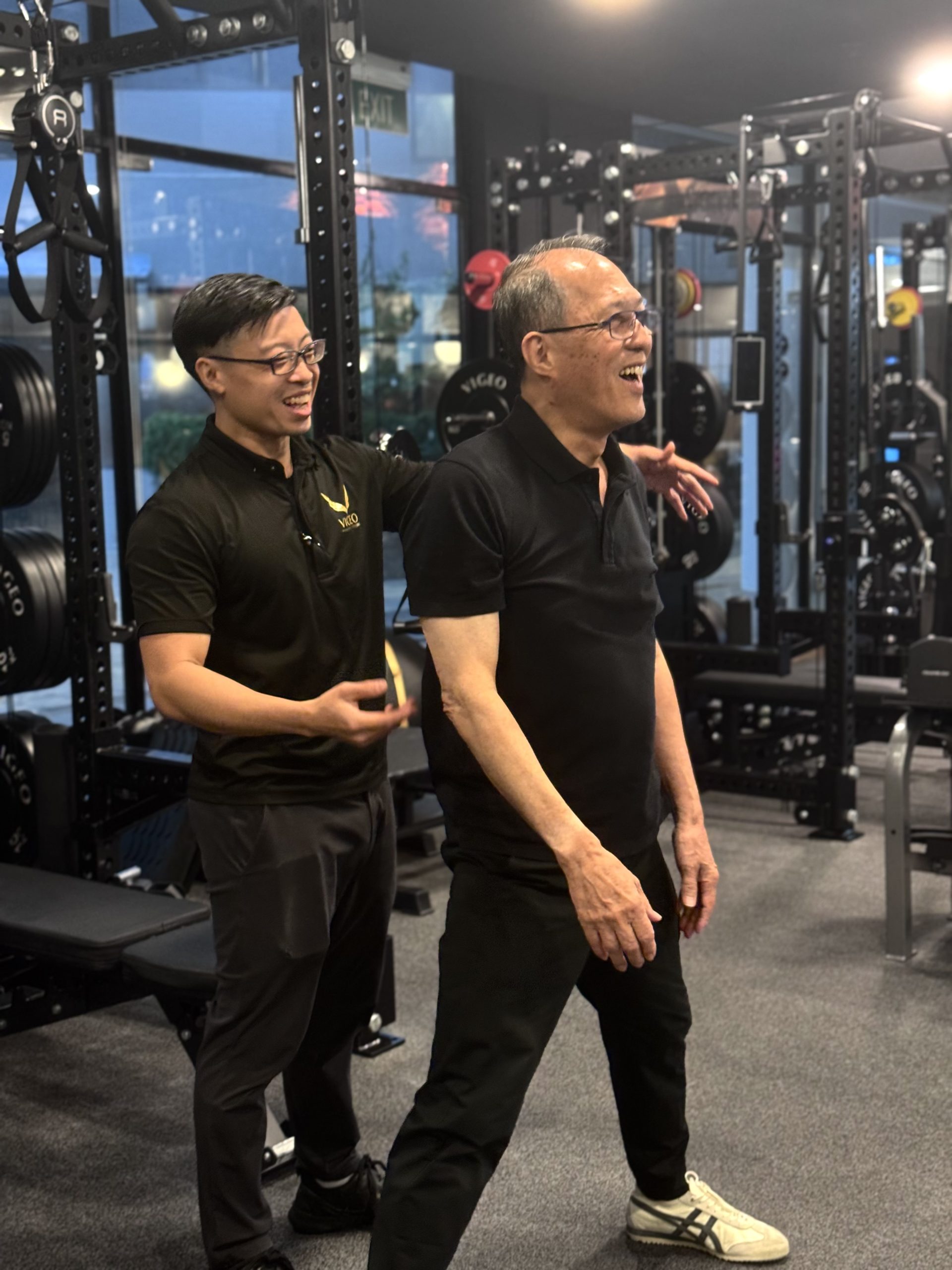
In our experience working with adults over 40 and seniors, the shift that matters most is not how much weight someone lifts. It is whether they are still moving well and living independently 10 years from now. Strength training, done appropriately, is one of the most direct investments a person can make toward that.
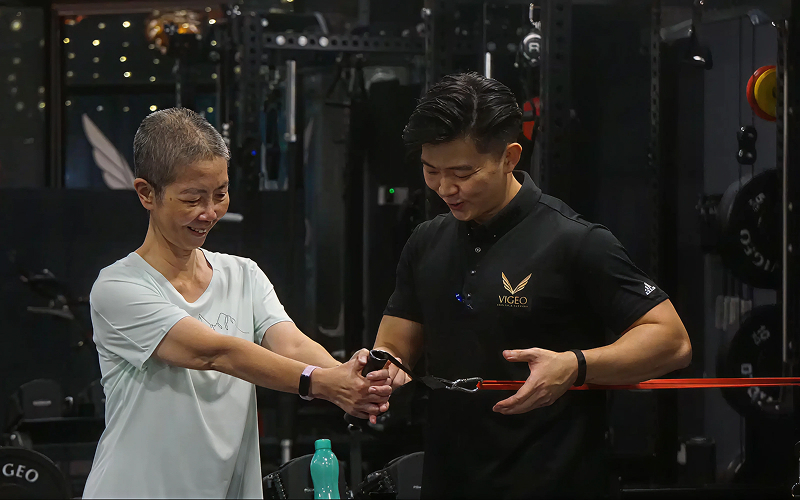
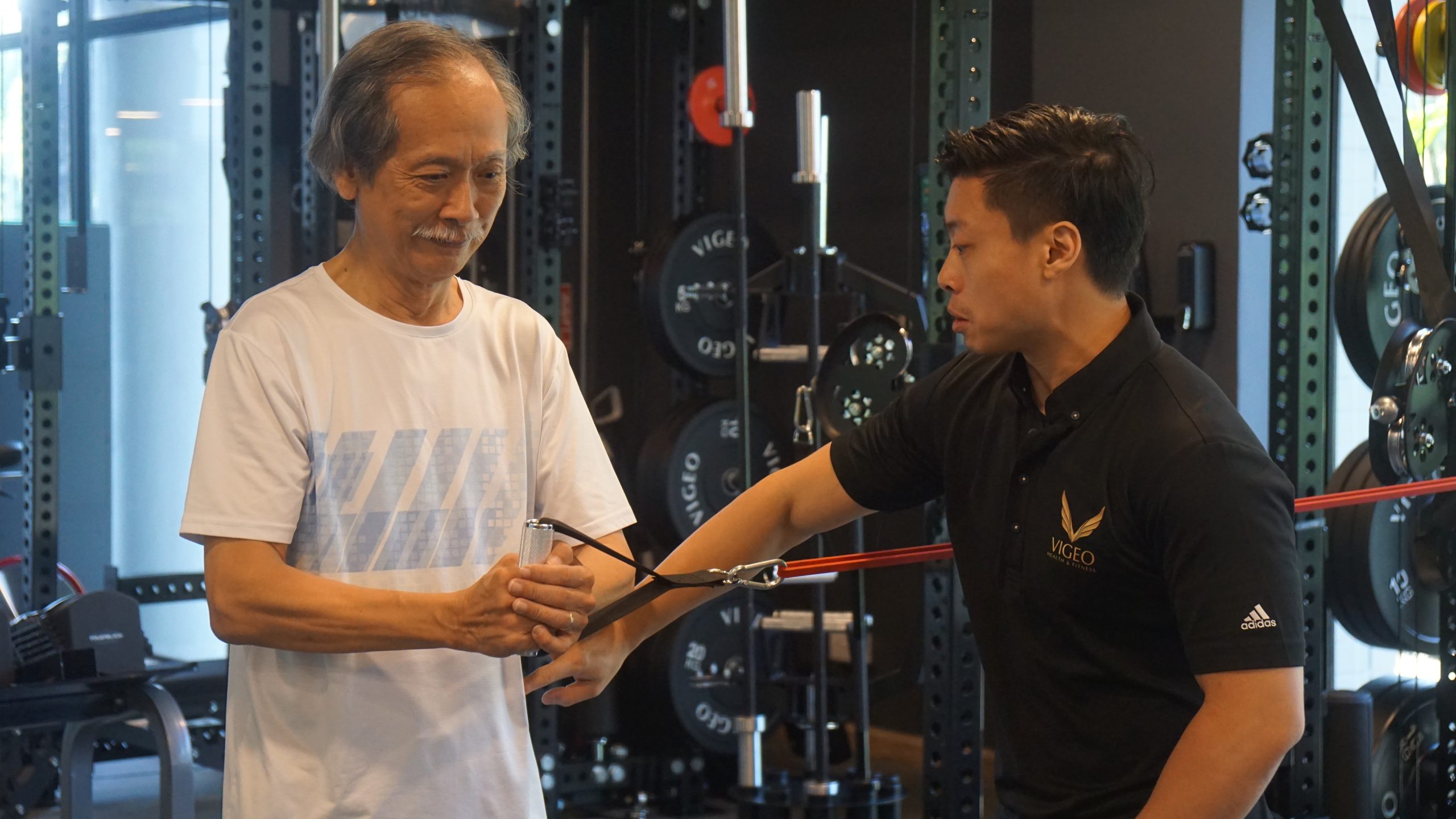
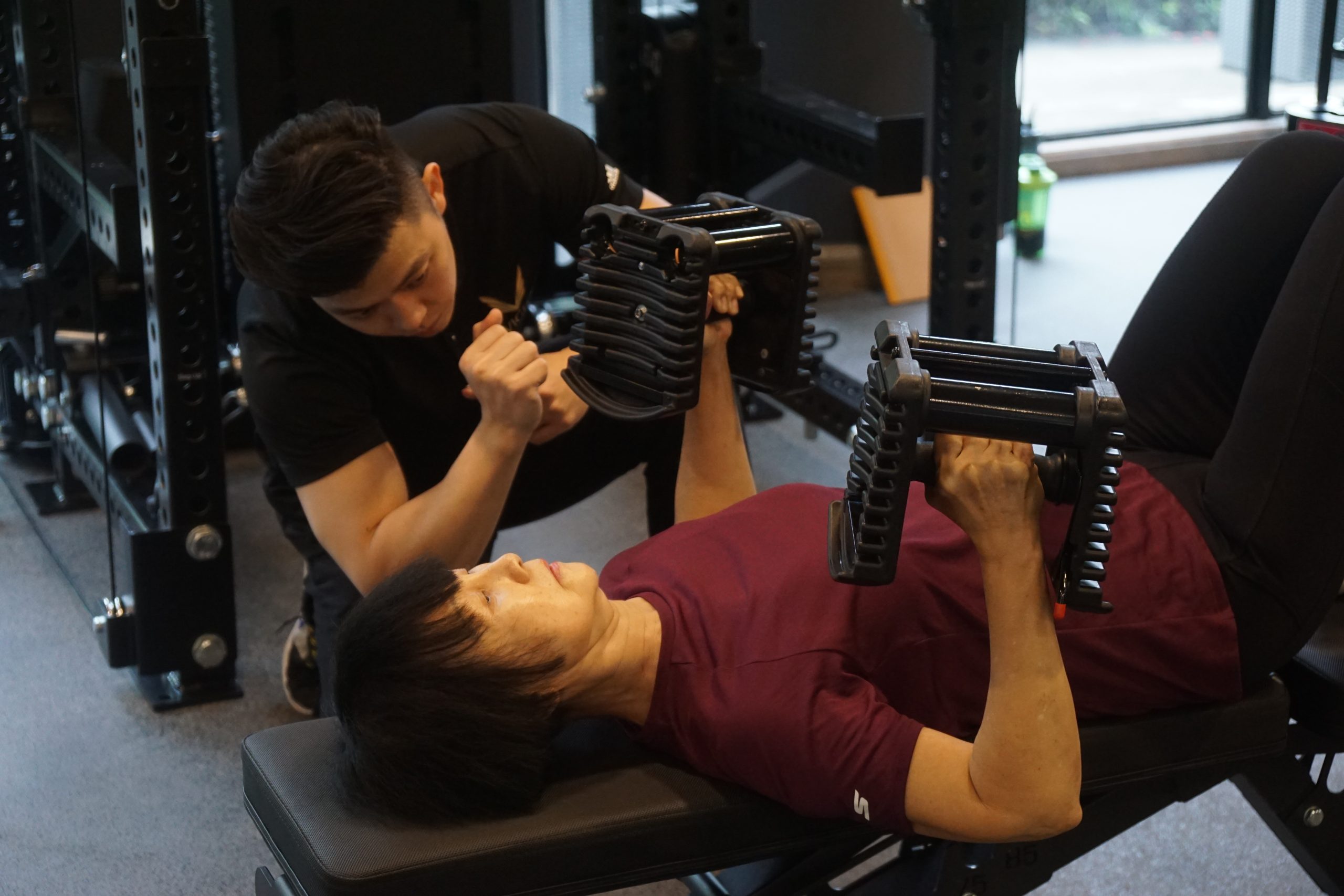
Resistance exercise involves working muscles against an external load. This may include bodyweight movements, resistance bands, light dumbbells, or everyday household items. Benefits include improved muscle strength, endurance, and bone density.
Resistance training is often included in supervised rehabilitation or recovery-focused exercise programmes, including those supporting individuals during or after cancer treatment. For older adults or those returning to exercise, guidance from a senior fitness personal trainer may help ensure movements remain appropriate and manageable.
Supporting Strength and Health Long Term
Exercise plays a meaningful role in supporting how the body manages cancer risk, but its benefits extend well beyond a single outcome. Small, consistent movement supports physical resilience, metabolic balance, and functional independence over time.
At Vigeo Health & Fitness, programmes are designed to support safe, structured, and personalised movement across different life stages. Whether the goal is rebuilding strength, improving mobility, or establishing sustainable exercise habits, the focus remains on long-term health rather than short-term intensity.
If this article got you thinking about your own habits, that is a good place to start.
Building a routine that is safe, appropriate, and sustainable for your age and health profile is exactly what the team at Vigeo is trained to help with. Whether you are starting from scratch or looking to be more consistent, we work with adults over 40 and seniors who want to move better and feel stronger for the long term.
Reach out to us to find out how we can support you.