

Key Takeaways:
- Balance and stability exercises address the root causes of mobility issues, not just stiffness.
- Muscle strength and balance decline together with age, affecting confidence and daily movement.
- Strength and stability training supports safer walking, standing, and posture control.
- Gentle flexibility works best when combined with strength and balance, not on its own.
- Guided, age-appropriate training helps seniors stay active, independent, and confident long term.
Why Stretching Alone Is Not Enough for Senior Mobility
As we age, mobility challenges often arise not just from stiffness, but from loss of muscle strength, reduced stability, and lower daily movement levels. While flexibility is important, it is often a supporting factor that helps the body move more comfortably once strength and balance are in place.
A well-rounded approach that prioritises balance and stability exercises, alongside strength and gentle flexibility, allows seniors to move with greater control, confidence, and safety. This combination supports independence and makes everyday activities feel more manageable.
Loss of Muscle Strength and Power with Age
Age-related muscle loss, known as sarcopenia, hits the legs, hips, and core hardest. These are the muscles that get you out of a chair, carry you up a flight of stairs, and keep you moving steadily through the day.
When strength declines, ordinary tasks demand more effort. What used to feel easy starts to feel like work.
What often goes unnoticed alongside strength loss is power loss, which is the ability to produce force quickly. It’s what allows you to catch yourself when you stumble, react fast when the ground shifts, and move with confidence. When power fades, movement slows and reaction time drops. That’s where fall risk quietly begins to climb.
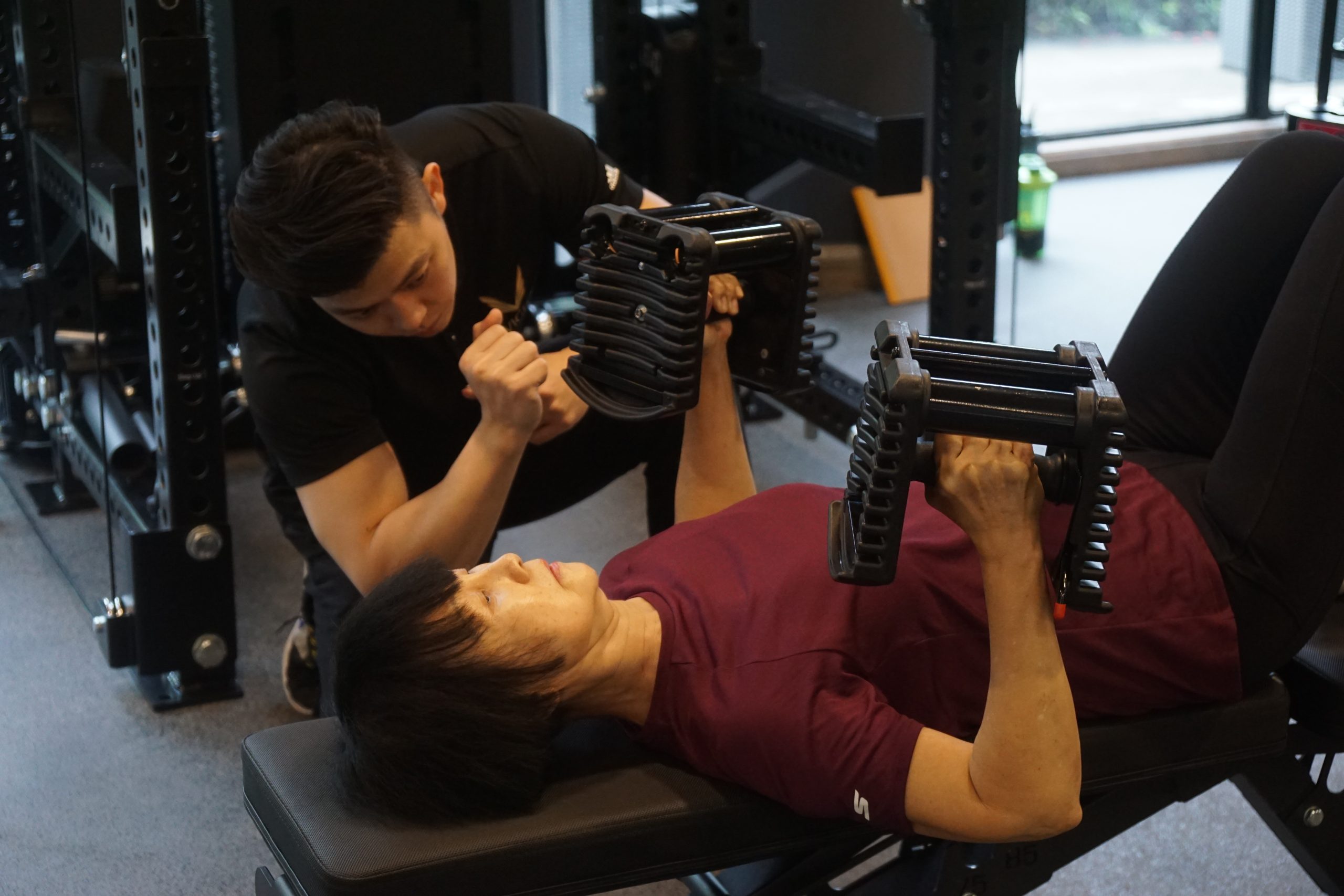
Targeted strength training rebuilds muscle fibre and restores power output. Sit-to-stand movements, controlled step-ups, and resistance-based leg work build the kind of functional strength that carries over directly into daily life and not just strength you can measure in a gym.
Core training matters here, too. A strong core supports the legs, stabilises the trunk, and holds the whole system together under load and in motion.
Declining Balance and Stability
Balance changes with age due to shifts in coordination, inner ear function, and proprioception, which is the body’s awareness of position and movement. These changes can affect walking stability in older adults, increasing hesitation and fear of falling.
Practising balance and stability exercises such as single-leg stands, heel-to-toe walking, and controlled weight shifts improves coordination and reaction time. Over time, these exercises help seniors feel more secure when navigating uneven surfaces, turning, or moving through crowded spaces.
Strength, Balance, and Posture Work Together
Posture often changes gradually with age, influenced by muscle weakness, reduced spinal support, and prolonged sitting. Poor posture places extra strain on joints and muscles, and moving feels harder than it needs to be.
Strengthening the core, back, and hip muscles supports posture improvement for seniors, helping them stand taller and move more efficiently. When posture is supported by balance and stability exercises, movements such as reaching, bending, and walking require less effort and feel more natural.
The Role of Gentle Flexibility
Joint stiffness is common with ageing, particularly in the hips, ankles, and shoulders. While stretching helps maintain joint comfort, it works best as a complement rather than a standalone solution.
Flexibility isn’t just about how far you can stretch.
Traditional static stretching that holds a muscle in a stretched position has its place, but it only tells part of the story. What matters more for daily movement is dynamic flexibility: the ability to actively move muscles and joints through their full range of motion, under control, with intention.
That kind of flexibility is built through movement, not through holding still.
When paired with balance and stability exercises, flexibility helps reduce discomfort and improves overall movement quality without placing unnecessary strain on the body.
Functional Training for Everyday Movement
The most effective programmes focus on movements that mirror daily life rather than isolated exercises. Tasks such as standing from a chair, carrying groceries, or stepping over obstacles require strength, balance, and coordination working together.
This integrated approach reflects practical active aging strategies, where training supports real-world movement rather than abstract fitness goals. Over time, seniors develop greater confidence in their ability to move safely and independently.
Guided Training for Safe and Sustainable Progress
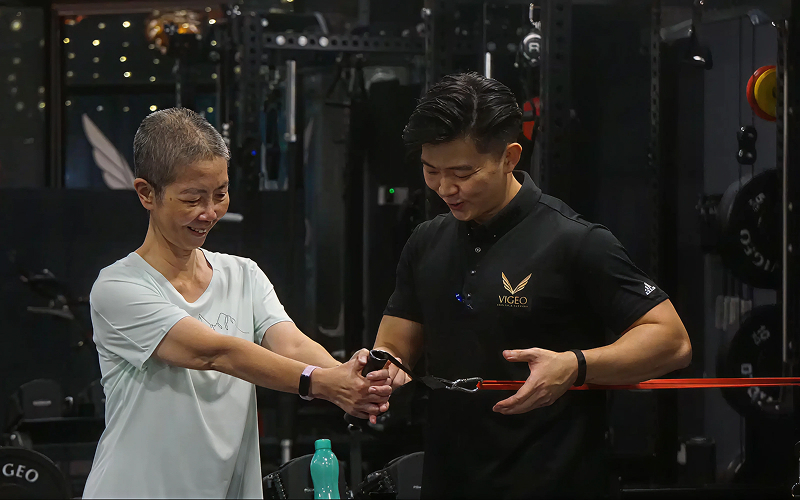
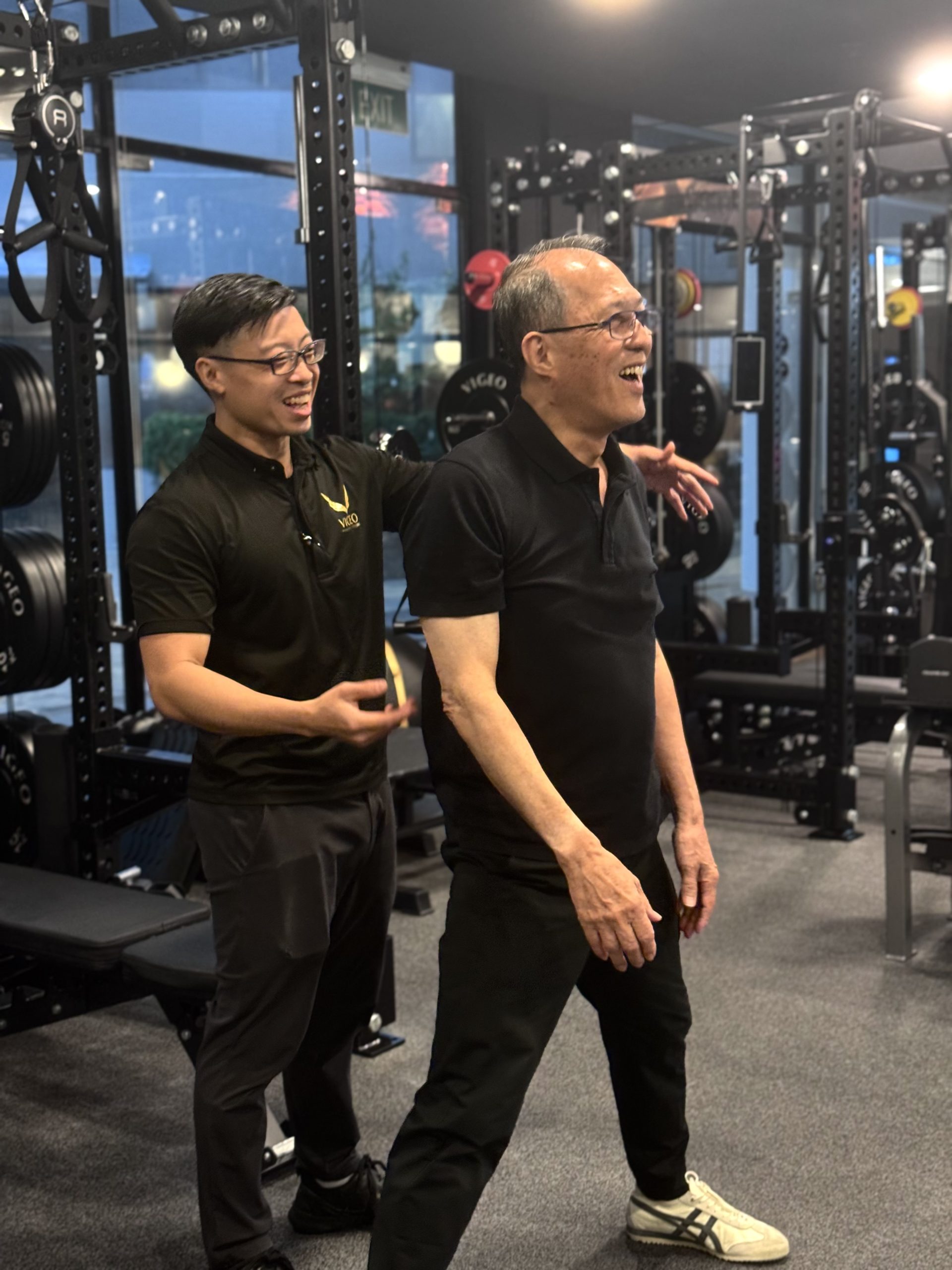
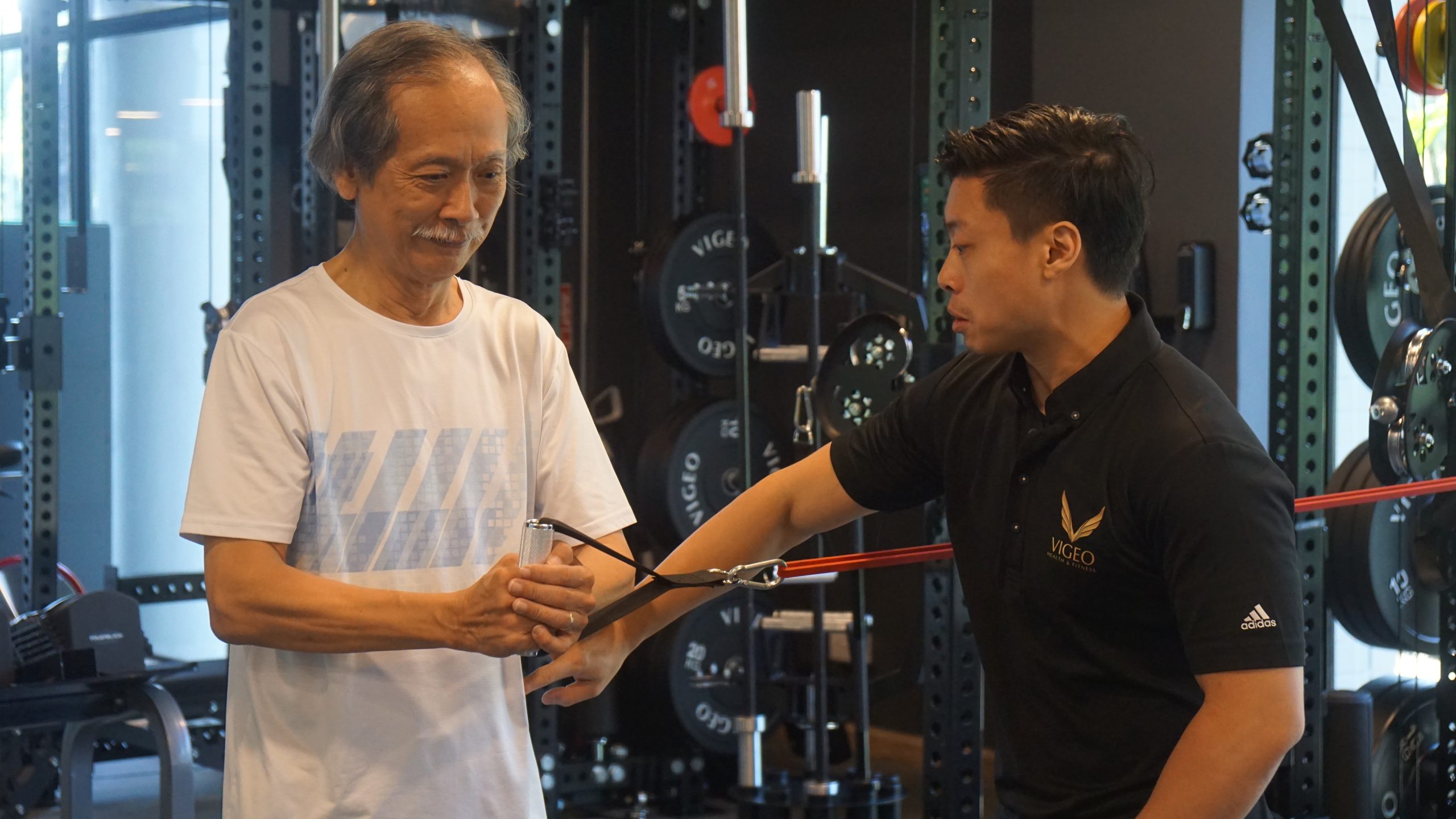
Working with a qualified professional ensures exercises are tailored to individual mobility levels, health considerations, and personal goals. A fitness trainer for seniors can adjust movements to suit joint comfort, balance ability, and strength capacity while ensuring proper technique.
Some seniors prefer one-to-one guidance from a personal trainer, particularly when returning to exercise after a period of inactivity.
For those starting later in life, support from a personal trainer over 60 can help build confidence and encourage consistency without overwhelming the body.
Moving Forward with Confidence
Improving mobility is not about pushing harder, but about training smarter. A consistent routine that prioritises balance and stability exercises, supported by strength and gentle flexibility, helps seniors move with ease, confidence, and control.
If you are exploring ways to support safer movement, improved balance, and long-term independence, working with an experienced trainer can help you progress at a pace that feels comfortable and sustainable. Speak to us to learn how a structured, age-appropriate programme can support your everyday movement and quality of life.