

If you go to the supermarket, you have definitely seen this before
And you probably think, “Oh Healthier Choice! So this must be healthy!”
Intuitively we all think that too, until I saw this and fell off my chair.
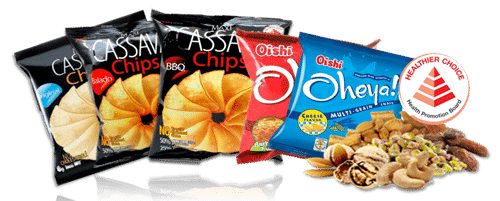
You have got to be kidding.
What is the Healthier Choice Symbol (HCS)?
It is a label awarded to food that are generally lower in fat, saturated fat, sodium, sugar, dietary fiber, calcium and wholegrains.
Then the food should be healthy, isn’t it? Not really!
Because these are product that is better in the above criteria from the same food category.
Which means that they are relatively healthier than other food in the same category but that does not mean that they are healthy.
We cannot deny that the food below are “Health-IER
- Higher in wholegrains
- Higher in calcium
- Lower in sugar
- Lower in sodium
- Lower in saturated fats
- Trans-fat free
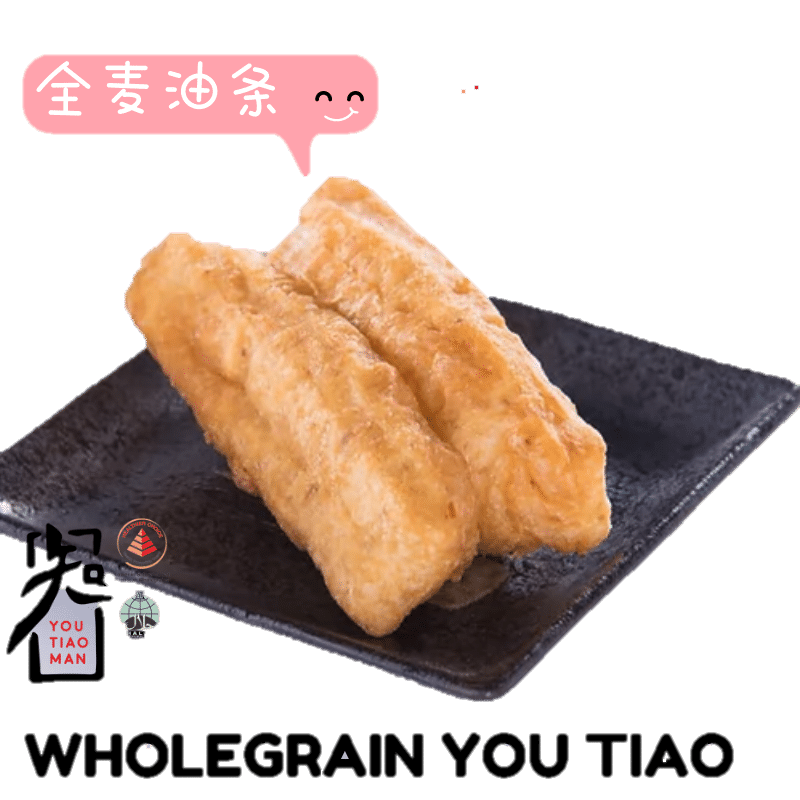
You have got to be kidding.

Higher in Calcium
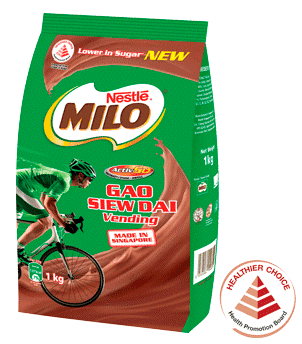
Lower in Sugar

Lower in Sodium
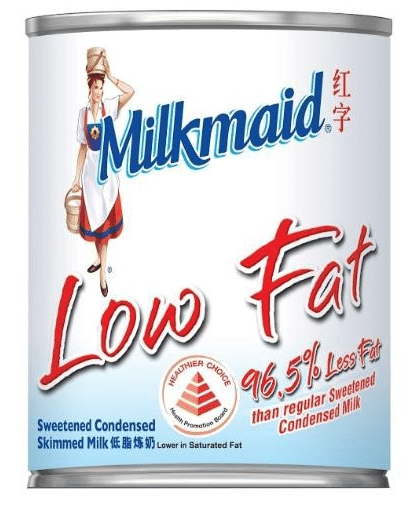
Lower in Saturated fat
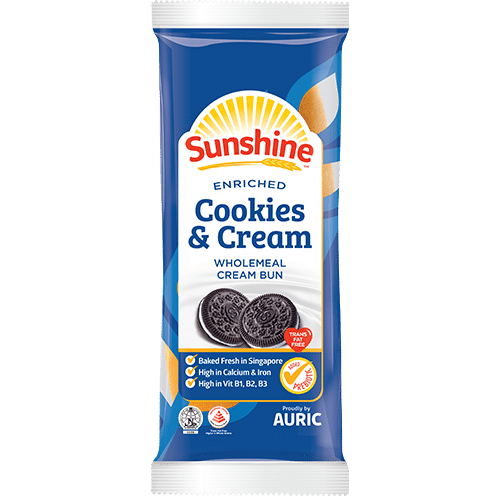
Trans-fat free
Do these foods look healthy to you? What do they have in common?
Are they healthy?
The above food examples are indeed “better” as compare to alternatives in the same food category.
However, they may not be “Healthy” because they may be
- Highly processed – means that they may have lost some nutritional value and less satiating (you will not feel as full from eating them)
- Loaded with sugar – and usually energy dense and hidden, means that you can be eating more than you can realise.
- Addictive – makes you eat more (Nobody stops at one piece of potato chips)
- High in calories – more calories in smaller amount of food
If you want to lose weight and get healthier, food with the above criteria will make it an uphill battle. You can learn more about weight loss here: https://vigeo.sg/how-to-lose-weight-in-singapore/
The Heathier Choice Symbol (HCS) is a quick method to help you make a better decision than the other food options in the same category which can be worse.
What you can learn from this article is that these may not be exactly healthy and you can make even healthier choices than HCS labeled food.

How you can make healthy food choices
These are the things that you can look out for to make healthy food choices
- High in fibre
- Low in processed ingredients such as palm oil and sugar
- Plenty of vitamins and minerals
- Not pre-processed/pre-cooked
Can you guess what type of food these are? *Hint: They often don’t come with label*
Yes, they are whole, natural food. Food that come in their natural state – such as rice (vs rice cakes), vegetables (vs kale chips), fresh meat (vs bacon) etc.
But remember – Better is better than Perfect
Ultimately, it is about making better choices, so start by doing ONE of these steps today
- Have more whole, natural food
- Eat more vegetables and fruits
- Have more fibrous food such as bran in whole grains
- Eat less processed food
- If you have to eat processed food, make better choices – HFS can be used but learn how to read food labels (you will learn how to in the next article)
Hope this helps! (P.S. If you would like more content, please follow “vigeosg” on Facebook, Instagram, and Linkedin to find more helpful content that I will be posting in the couple of weeks)