

For decades, the phrase “no pain, no gain” has been a mantra in the fitness world. We’ve been told that to see results, we have to push ourselves to the point of discomfort, exhaustion, and even pain.
But what if the key to long-term health and an effective workout isn’t about pushing through pain, but about training smarter? The reality is that aggressive, high-pain workouts can do more harm than good. In turn, this can lead to injuries that sideline you for weeks or even months.
As such, the old-school mindset of “no pain, no gain” is a workout myth that needs to be debunked. This is because the real path to a stronger, healthier body and longevity is about understanding your body’s signals and making strategic choices that support, not punish, your progress.
The meaning of pain in exercise
When you’re working out, you may feel pain, but there are two different kinds. One is a sign of progress, and the other is a warning sign that you need to stop.
Good pain is a sign that your body is adapting and becoming stronger. An example is Delayed Onset Muscle Soreness (DOMS), which is a normal, slight stiffness or ache that you might feel a day or two after a new or particularly intense workout. This sensation is a sign that tiny tears have occurred in your muscle fibers, which is a natural and necessary part of the muscle-building process. This type of pain should feel like a dull ache or stiffness, not a sharp, stabbing sensation.
On the other hand, bad pain is a clear warning sign of a more serious issue. This could be a sharp, sudden pain, or it could be a persistent ache in your joints, a strain, or an injury. This kind of pain is your body’s way of telling you to stop what you’re doing immediately, as it might signify that there’s something stressed, inflamed, damaged, or sensitive. Moreover, pushing through bad pain is dangerous and can lead to significant harm to your muscles, joints, and ligaments, potentially causing long-term damage that could hinder your fitness journey for good.
Challenging the "no pain, no gain" philosophy
The idea of “no pain, no gain” or that you need to be in agony to achieve your fitness goals is a misconception that can hold you back. Instead, true progress comes from training smart consistently, which is built on a sustainable and healthy approach.
1. Progressive overload to drive results
Rather than chasing pain, effective training involves applying the right kind of stress to your muscles, bones, and nervous system. This process of gradual adaptation, known as progressive overload, is what stimulates the muscles to adapt and become stronger over time while minimizing the risk of injury.
That might mean:
- Adding one or two extra repetitions to a set
- Increasing weight by a small amount once you’ve mastered your current load
- Slowing down the movement to improve control and muscle engagement
- Holding a stable position (like a plank or squat) for a few more seconds
These subtle increases over time are what drive long-term results. They tell your body, “I need you to be stronger next time,” without breaking it down in the process.
The key distinction is that progress requires effort, not pain. You should feel challenged, such as your muscles may burn, and you may breathe harder, but you should not feel hurt. In other words, challenge builds you up, and pain breaks you down.
2. Consistency beats intensity
Muscles, bones, and joints respond best to steady, repeated effort over time rather than occasional bursts of all-out training that often lead to soreness, fatigue, or injury. There is no need to push yourself to exhaustion every time you exercise. By focusing on sustainable routines, you turn exercise into a lifestyle instead of a punishment. That means showing up to the gym two to three times a week, challenging yourself with appropriate exercises, proper technique, and the right level of intensity.
Just as importantly, you should also choose to move more throughout the day, such as taking the stairs, carrying your groceries, or going for a short walk after meals. These small but consistent choices add up, keeping you strong, mobile, and confident. In fact, regular low-impact activities such as walking, cycling, swimming, or Tai Chi can be highly effective, especially for those starting from a lower fitness baseline. These activities not only improve muscular endurance but also reduce the risk of high cholesterol and diabetes, and other lifestyle-related conditions, all while being gentle and without putting too much pain and stress on the joints.
At Vigeo, we remind our clients that progress doesn’t come from pushing to the limit in every session, but from showing up consistently, training safely, and building momentum for life.
3. Train smart for long-term progress
While the fundamentals of building muscle are similar at any age, adults over 40 must prioritize training smarter, not harder. As we age, our bodies experience higher levels of oxidative stress, which makes recovery slower and increases the risk of overuse injuries. Training at maximum intensity every day is neither necessary nor sustainable. In fact, it can lead to fatigue, joint pain, or burnout. The key takeaway is that progress comes from consistency and balance. You don’t need to push to your limit every session to see results. What you need to do is to combine appropriate intensity with adequate recovery.
Moreover, the Singapore Physical Activity Guidelines recommends that healthy adults aim for 150 to 300 minutes of moderate-intensity aerobic activity each week. This can be spread out based on your lifestyle. For example, you could do 30 minutes of activity five days a week or 60 minutes three times a week. Importantly, this doesn’t mean you need to do punishing high-intensity training. In fact, low-to-moderate intensity activities like brisk walking, cycling, swimming, or Tai Chi provide cardiovascular benefits and are often more joint-friendly than intense anaerobic workouts.
In addition, adults should include muscle-strengthening activities on at least two days per week, and older adults are encouraged to perform balance training and fall prevention exercises three or more times weekly. Together, these exercises help maintain strength, protect bone health, and reduce the risk of falls.
This kind of strategic approach focuses on building strength and endurance safely and effectively, proving that “no pain, no gain” is a false claim. Our private trainers from Vigeo understand this principle and can create a personalized workout plan for you that focuses on sustainable progress, ensuring you see results without risking injury or burnout.
Plus, our personal training services will ensure you have the support and guidance you need to succeed through one-on-one or small group sessions with our trainers, tailored to your goals.
4. Develop power for everyday life
As we age, a loss of power, which can significantly impact our daily lives, with a decrease of up to 3.5% per year.
Power is essential for agility and coordination, which are crucial for simple but important movements like climbing stairs, getting up from a chair, or reacting quickly to prevent a fall. As such, a smart training program should include power training to maintain your fast-twitch muscle fibers, which are responsible for quick, explosive movements.
Power training focuses on increasing power, which combines both strength and speed to produce movement. To develop this, you add speed to your resistance exercises, such as performing push-ups or bicep curls at a faster pace while maintaining good form.
Plyometrics, like jumping exercises, are another great way to build muscle power. The rapid acceleration as you leap into the air and deceleration as you land increase your ability to produce explosive power. For the upper body, medicine ball throws can help, making you better able to react quickly and catch a falling object.
The difference between pushing and hurting

There is a clear line between pushing yourself to a new level and pushing to the point of injury. That’s why listening to your body is one of the most important skills you can develop on your fitness journey.
Pushing to the point of muscular fatigue is the goal of a good strength training session, and an elevated heart rate is the goal of a good cardiovascular session. They are signs that your muscles, heart, and lungs are being challenged, which, in turn, make them stronger and healthier.
On the other hand, hurting is different. It’s a warning sign that something is wrong. Bad pain can manifest as dull aches, joint tenderness, or an inability to put weight on a joint. If you feel any of these sensations, you should stop the exercise immediately.
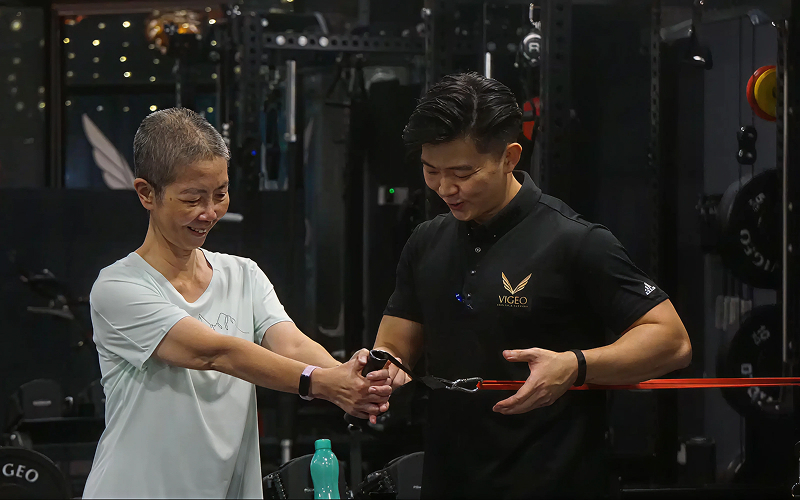
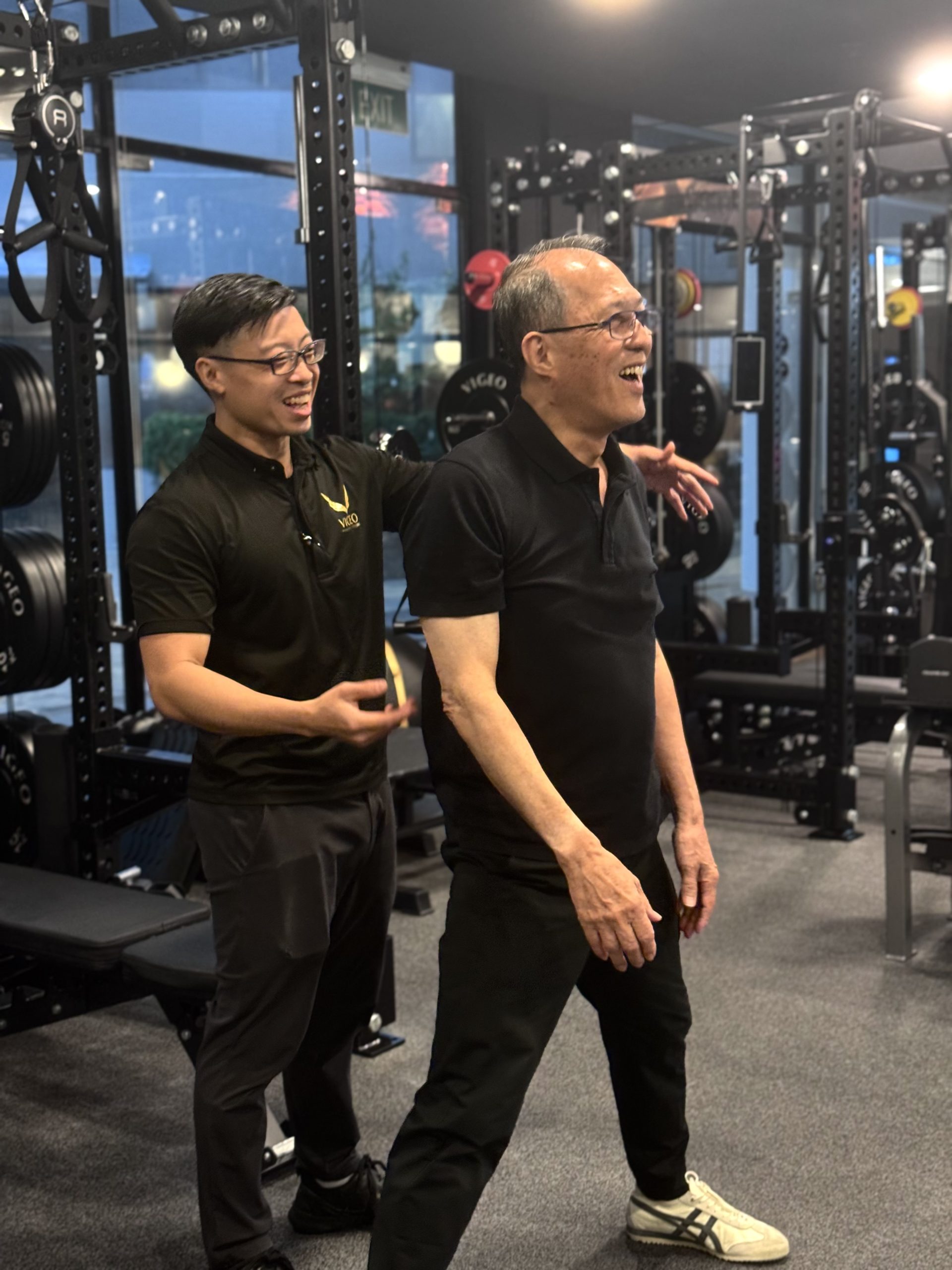
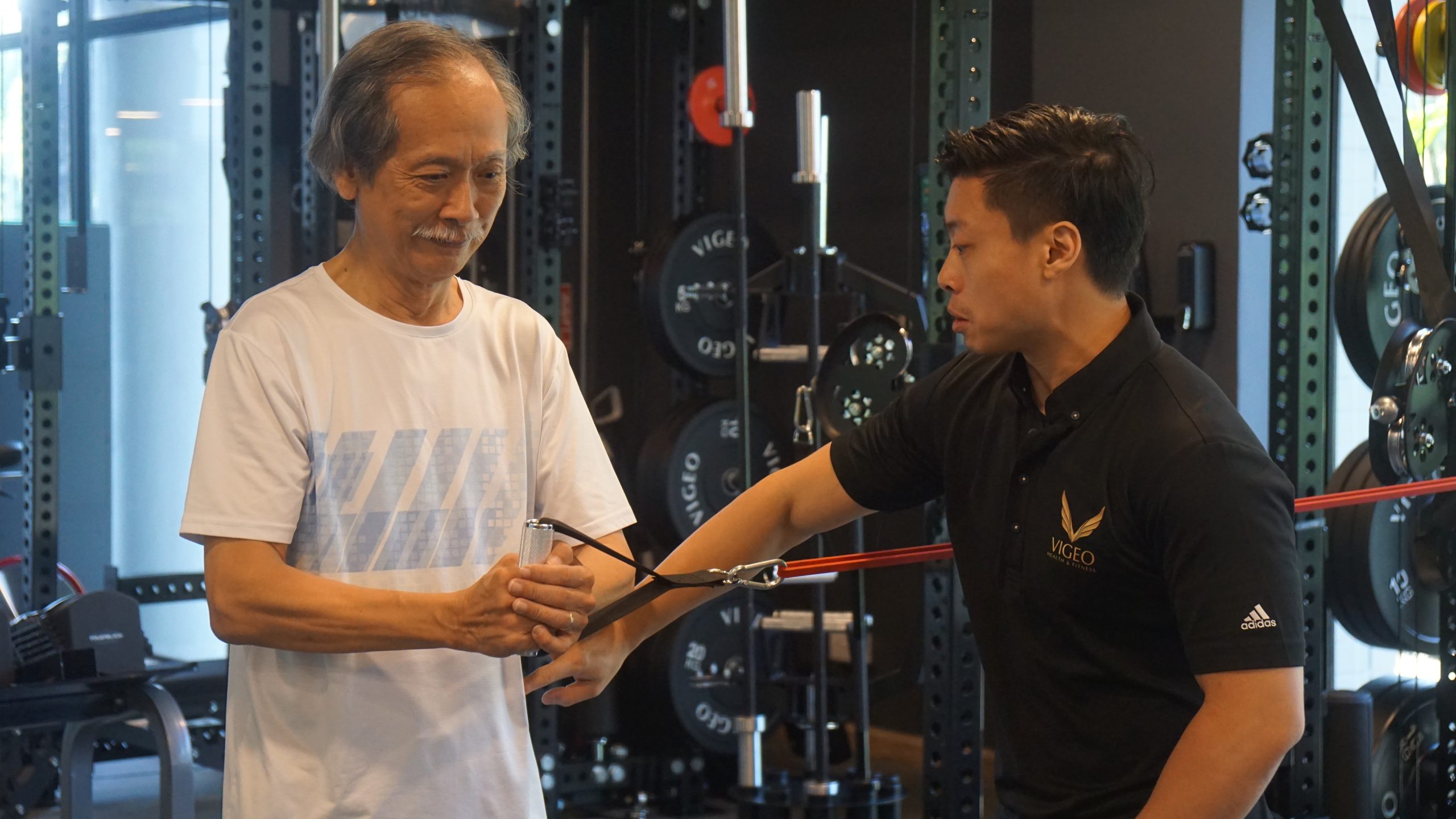
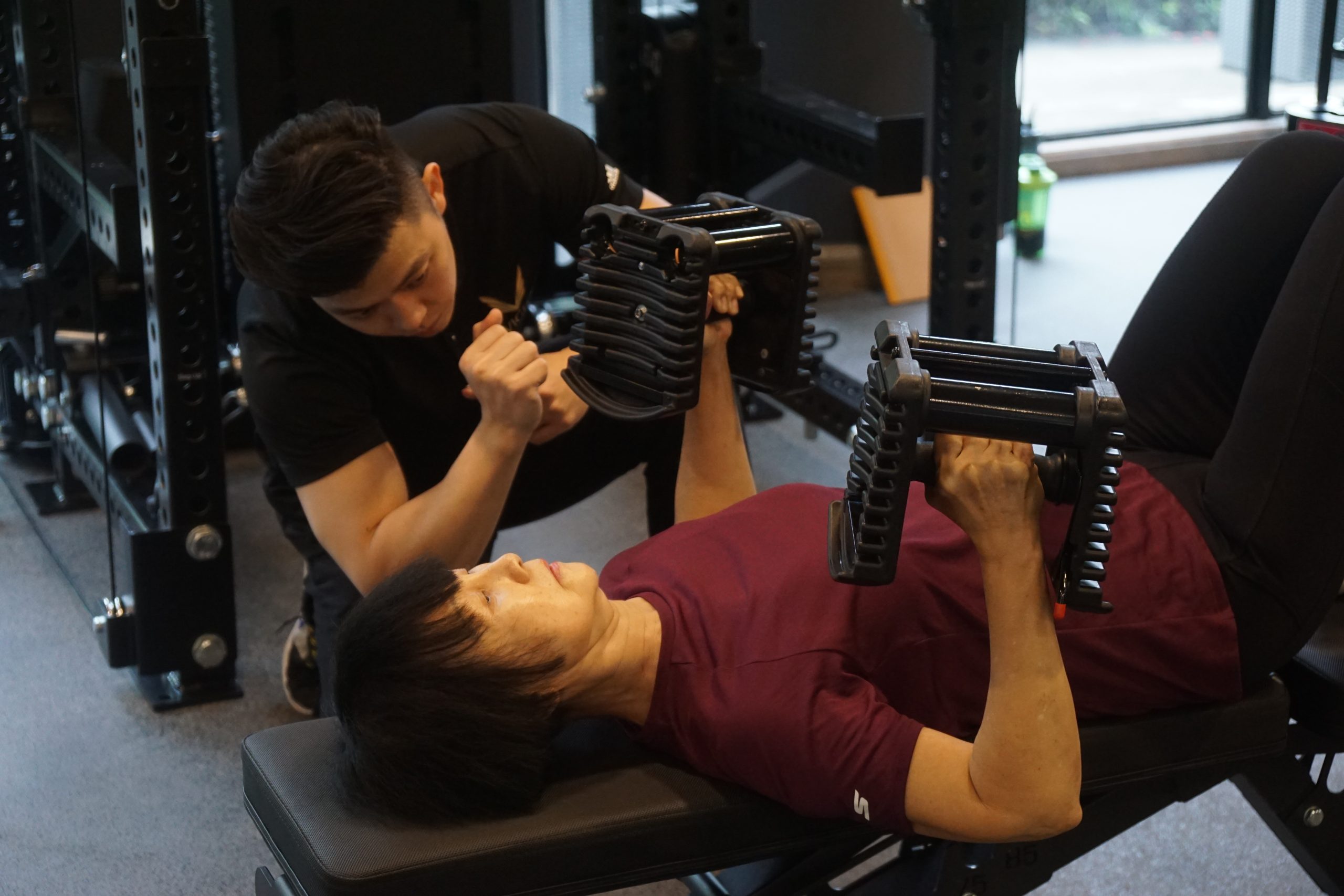
Working with a professional personal trainer, such as from Vigeo, can help you identify the distinction between these two sensations. Our personal trainers for weight loss can design a program that challenges you safely and effectively, preventing you from overtraining or pushing through bad pain. As for older adults, we have personal trainers for seniors who can teach variations of exercises and adjust your routine as needed, ensuring that you’re always working toward your goals without putting yourself at risk.
Whether you are interested in our one-on-one or semi-private personal training, you will always have the support and encouragement you need to keep going and stay consistent. Take the first step toward a smarter, safer workout.
Schedule a consultation with Vigeo online or visit our personal training gym to learn more.