

Key Takeaways:
- Muscle loss after 50 is common, but the body remains responsive to strength training at every age
- Building muscle mass after 50 supports mobility, balance, and long-term independence
- Strength training helps protect bone health and helps lower the risk of falls and injury
- Consistent, well-structured exercise is more effective than occasional high-intensity effort
- Guided, age-appropriate training supports safe progress and lasting physical confidence

Healthy Aging: Why Building Muscle After 50s Is Not Only Possible But Essential
Many people believe that muscle loss is an unavoidable part of growing older. While it is true that adults naturally lose muscle as they age, this does not mean decline is inevitable. Research consistently shows that building muscle mass after 50 is not only possible, but one of the most effective ways to support long-term strength, mobility, and independence. With the right approach, the body remains highly responsive to strength training well into the 60s, 70s, and beyond.
This shift in perspective is central to healthy aging. Maintaining muscles becomes a key strategy for preserving quality of life as the body changes with age.
Muscle Loss After 50 Is Natural, But Not Permanent
Age-related muscle loss, often referred to as sarcopenia, starts silently at 30, becoming more noticeable after 40 and accelerating significantly after 50. Without intervention, this gradual decline can affect strength, joint health, bone mass, balance, and energy level. However, studies show that older adults who engage in consistent resistance training can still make meaningful gains in strength and muscle, even later in life.
This means building muscle mass after 50 is not about reversing time, but about giving the body the stimulus it still responds to. Muscles strengthen when they are challenged safely and progressively, regardless of age. For many adults, simply reintroducing structured strength work leads to noticeable improvements in strength, posture, and daily movement within months.
Muscle Strength Supports Independence and Daily Function
Muscles play a direct role in how well we move through life. Tasks such as climbing stairs, rising from a chair, carrying groceries, or maintaining balance while walking all depend on lower-body and core strength. As muscle declines, these everyday movements can become harder, increasing reliance on assistance.
Focusing on building muscle mass after 50 helps preserve independence by maintaining the strength needed for routine activities. Stronger muscles also reduce joint strain by providing better support and control, which can make movement feel more stable and less tiring. This connection between muscle and function is a cornerstone of muscle health after 50.
Building Muscle Improves Bone Health and Balance
Strength training does more than improve muscle wellbeing. It also plays a critical role in bone health. Resistance-based exercises stimulate bone remodeling, helping to slow bone density loss and reduce the risk of osteoporosis. This is particularly important as fractures become more likely with age.
Improved muscle strength around the hips, knees, and ankles also enhances balance and coordination. Falls remain one of the leading causes of injury among older adults, and maintaining strength is one of the most effective ways to reduce this risk. For this reason, strength training for over 50s may be recommended as part of fall prevention strategies.
Muscle Mass Supports Metabolism and Overall Health
Muscle tissue plays an important role in maintaining metabolic health as we age. It burns more calories than fat, even at rest, which helps support healthy weight management. Increased muscle mass also improves insulin sensitivity, supporting better blood sugar regulation.
For adults focused on healthy aging, this metabolic benefit is often overlooked. Building muscle mass after 50 also supports energy levels, helps reduce fatigue, and contributes to better overall resilience as the body ages.
Strength Training Is Safe When Properly Structured
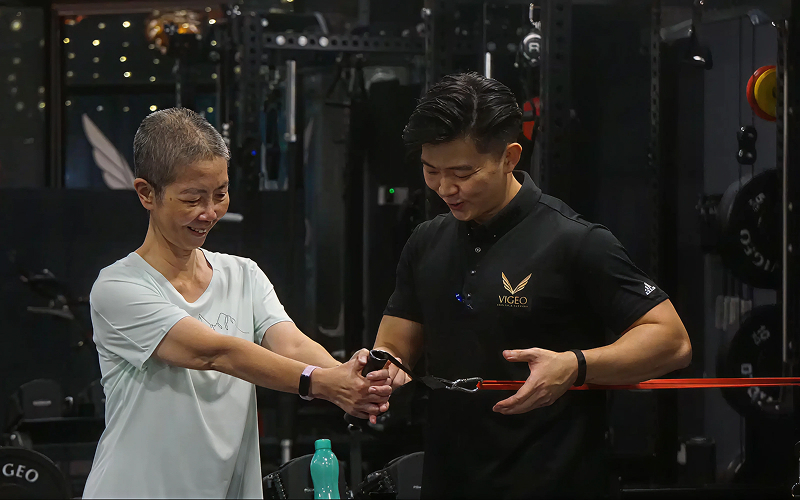
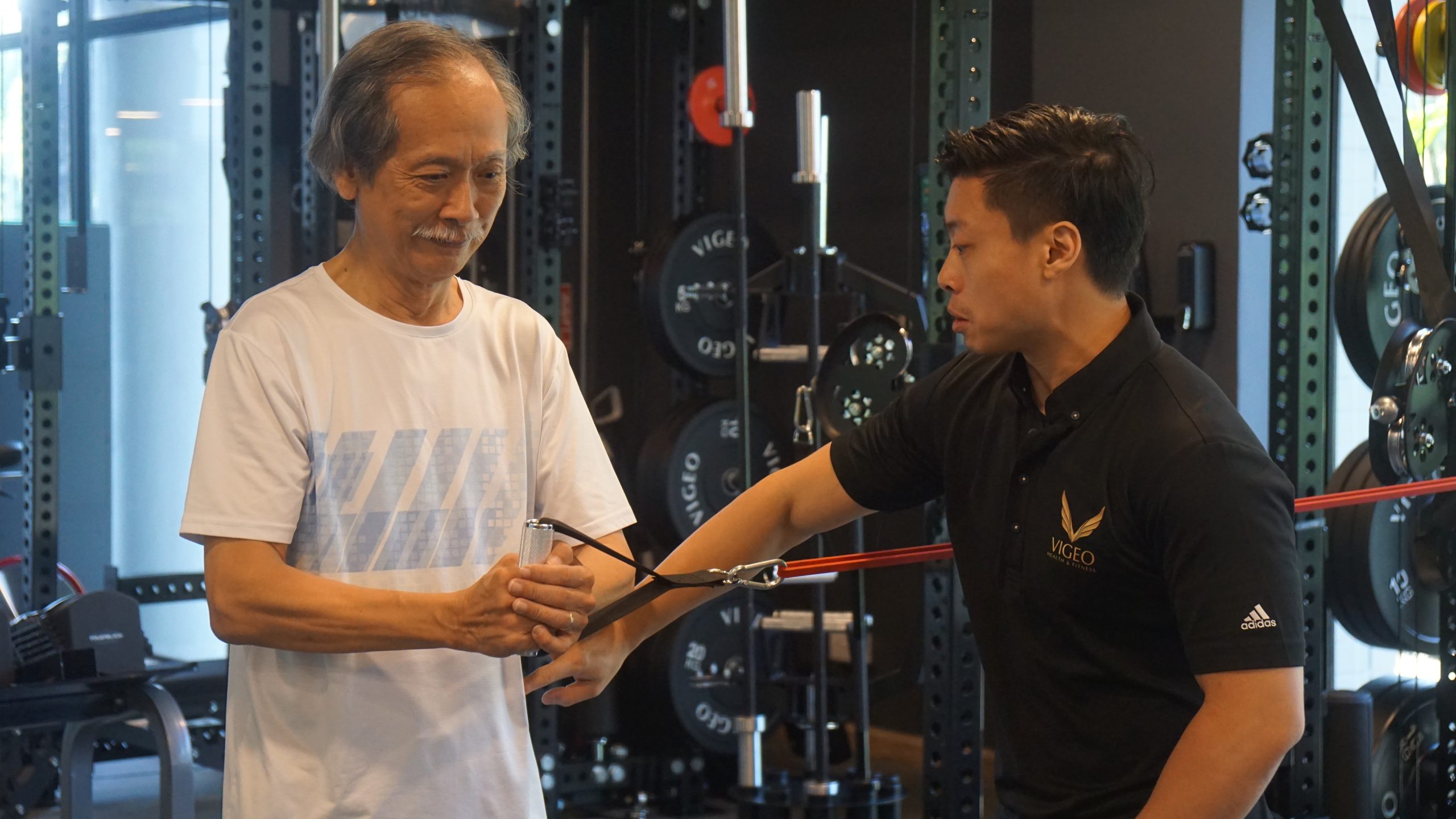
A common concern among older adults is whether strength training is safe. When exercises are selected carefully and progressed gradually, strength training is not only safe but highly beneficial. Low-impact movements such as squats, step-ups, glute bridges, rowing exercises, and resistance band work are well suited to older adults.
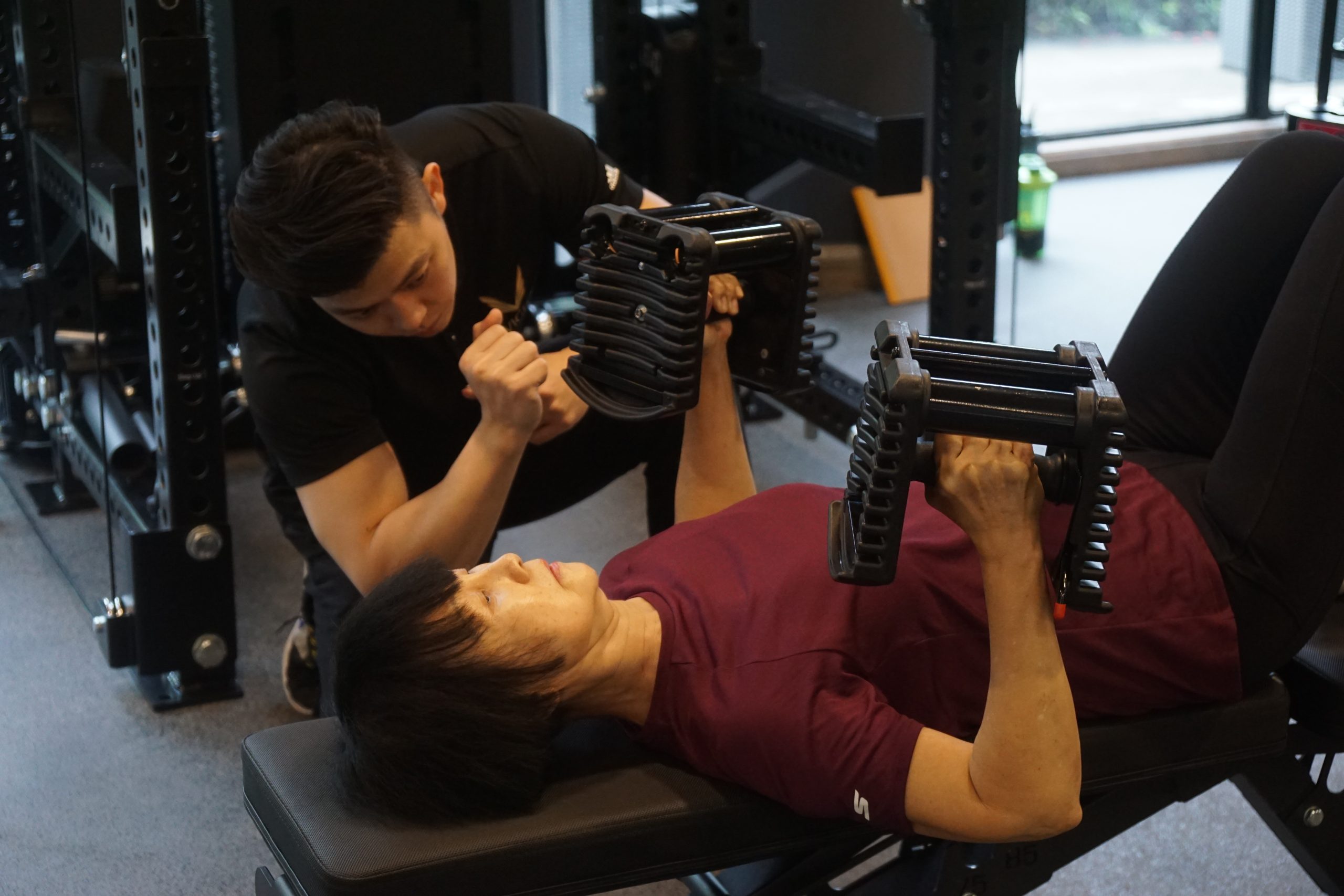
Programs designed for strength training for those over 50s emphasize control, joint-friendly ranges of motion, and proper technique. This reduces injury risk while still providing enough challenge to stimulate muscle growth. Tailoring exercises to individual needs is key, especially for those managing joint stiffness, previous injuries, or chronic conditions.
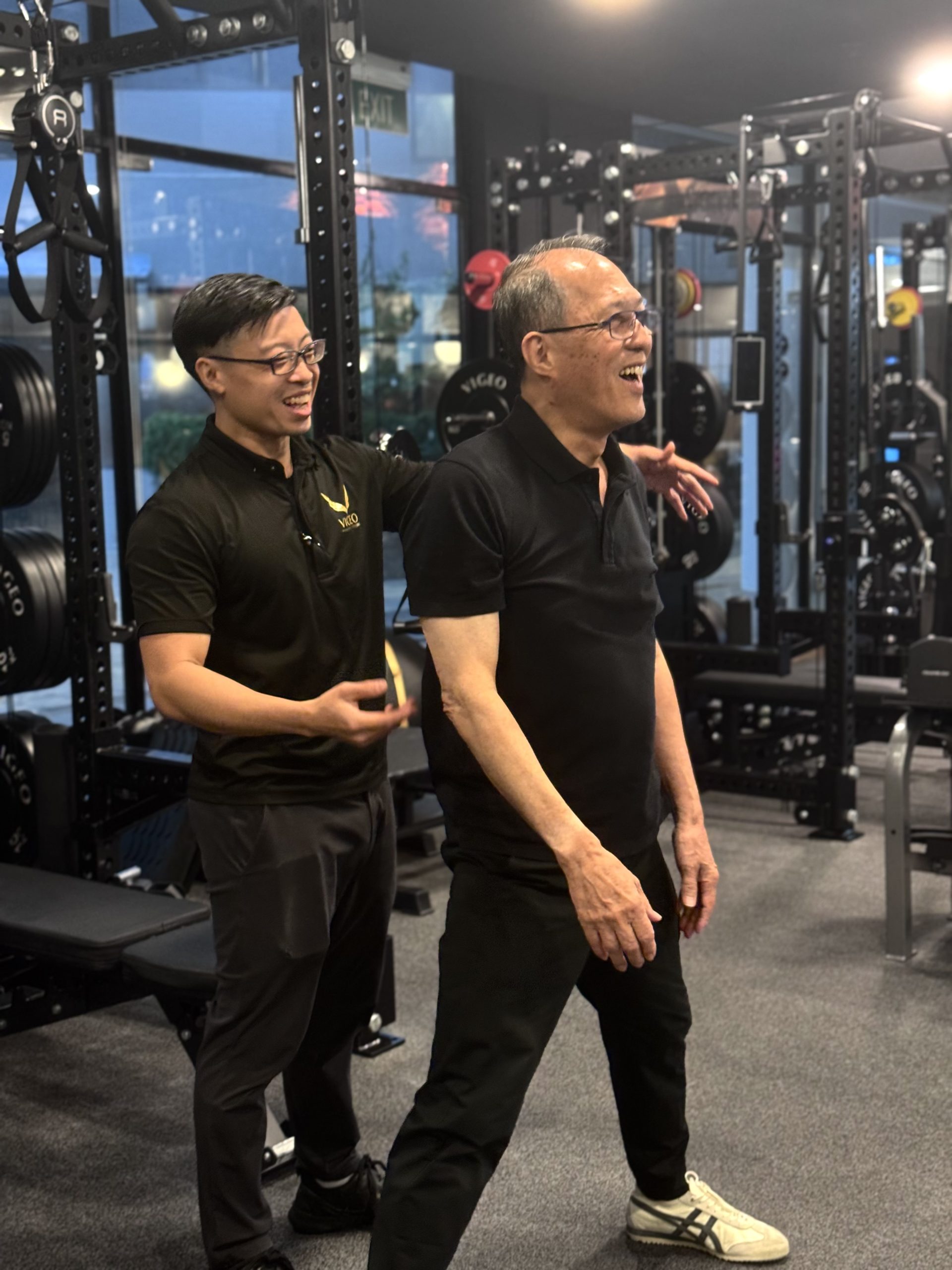
Working with a personal trainer for seniors can help ensure exercises are appropriate and adapted over time.
Consistency Matters More Than Intensity
One of the most important principles of building muscle mass after 50 is consistency. Muscle responds best to regular, repeated stimulus rather than sporadic, high-intensity effort. Training two to three times per week allows muscles to strengthen while still recovering adequately between sessions. A personal trainer for over 60s approach focuses on sustainable strength rather than intensity-driven workouts.
Strength training does not need to involve heavy weights to be effective. Moderate resistance performed with good form and steady progression produces meaningful improvements over time. This approach supports long-term adherence, which is essential for maintaining muscle health after 50.

Strength as a Foundation for Healthy Aging
Building and maintaining strength later in life is not about pushing limits. It is about choosing an approach that supports safety, confidence, and long-term progress. With the right guidance, building muscle mass after 50 becomes a realistic and sustainable goal rather than an intimidating one. Guidance from a personal trainer for elderly adults can provide reassurance, structure, and progression that supports confidence and consistency.
At Vigeo, our senior-focused personal training programs are designed to support adults who want to improve muscle health after 50 through structured, joint-friendly training. Each plan is tailored to individual needs, abilities, and goals, with an emphasis on consistency and long-term movement quality. If you are looking to stay strong, mobile, and independent as you age, speak to our trainers to learn how our team can support your journey toward healthy aging.