

Key Takeaways
- Medication and safe exercise should be viewed as part of the same long-term health plan.
- Some medications may affect heart rate, blood pressure, blood glucose, hydration, balance, or fatigue during activity.
- Symptoms such as unusual dizziness, chest discomfort, fainting, or severe shortness of breath should not be ignored.
- Exercise does not replace medical care, and medication should not be changed without speaking to a doctor or pharmacist.
- Low-impact cardio, controlled strength work, mobility exercises, and balance training may be appropriate depending on an individual’s condition and medical guidance.
- A structured program can help adults over 50 build confidence in movement without jumping straight into high-intensity exercise.
For many adults, medication is an essential part of managing long-term health conditions. Physical activity may also be recommended to maintain strength, mobility, balance, and day-to-day function. Yet combining the two can feel uncertain when medication changes energy levels, blood pressure, heart rate, coordination, or blood glucose response.
This uncertainty often leads people to become less active than they could be. They may avoid walking further, lifting groceries, climbing stairs, or joining an exercise session because they are unsure how their body will respond. A more informed approach to chronic health management can make movement feel less intimidating while still respecting medical advice and individual limitations.
Why Medication and Movement Need to Be Considered Together
Medication and physical activity both influence how the body functions throughout the day. Medication may help regulate blood pressure, blood glucose, pain, inflammation, or other symptoms. Movement places temporary demands on the heart, muscles, joints, and nervous system.
Looking at these separately can create confusion. Someone may assume that a medication automatically makes exercise unsafe, while another person may push through symptoms because they think exercise should always feel challenging. Neither approach is ideal.
For effective chronic health management, it is useful to consider how a person feels before, during, and after activity.
Before starting a new walking, strength, or balance routine, note whether there has been a recent medication change, whether you have eaten and hydrated as advised, and whether you are experiencing dizziness, shakiness, unusual fatigue, pain, or lower-than-usual energy. These observations can help you decide whether to keep the session light, reduce the duration, use more support, or postpone progression until you have discussed recurring symptoms with your healthcare team.
This is especially relevant for adults managing diabetes, cardiovascular concerns, osteoporosis, sarcopenia, or previous cancer treatment. Movement may still be appropriate, but the starting point and progression should reflect the person’s current capacity.
How Medication Can Influence Physical Activity
Medication effects vary widely. Two people taking medication for the same diagnosis may respond differently to the same activity. The goal is not to avoid movement, but to notice how the body responds and use that information to make practical adjustments.
Heart Rate and Blood Pressure Changes
Some medications, including beta blockers, may slow the heart rate. This means a person may not reach the same heart rate during exercise as they did before taking the medication. Using effort cues, such as whether you can speak in short sentences while walking, may be more useful than relying only on a fitness watch.
Blood pressure medication may also contribute to light-headedness in some people, particularly when standing up quickly, exercising in warm conditions, or stopping abruptly after activity. A gradual warm-up and cool-down can help the cardiovascular system adjust more steadily.
Blood Glucose Response
For people taking insulin or certain glucose-lowering medication, exercise may increase the risk of low blood glucose if food intake, medication timing, or exercise duration are not considered.
This does not mean avoiding movement. It means planning for it. For example, someone may need to keep a fast-acting carbohydrate source nearby during a longer walk, monitor their response after a new exercise routine, or avoid beginning a session when they already feel shaky or unwell.
Follow the monitoring, meal planning, and fast-acting carbohydrate guidance provided by your healthcare team rather than changing medication or food intake independently to accommodate exercise.
A personal trainer for diabetes can work within the boundaries set by a client’s medical team’s advice and help turn those considerations into a manageable exercise routine.
Fatigue, Hydration, and Coordination
Some medications may contribute to fatigue, muscle aches, dehydration, or a slower reaction time. This can affect activities that require quick changes in direction, prolonged standing, or complex coordination.
On days when energy is lower, a shorter walk, seated resistance exercises, gentle mobility work, or a reduced-volume strength session may be more suitable than skipping movement altogether. The aim is to maintain a routine while adjusting the dose of activity.
Common Misunderstandings and Practical Limitations
A common belief is that long-term medication automatically restricts physical activity. In reality, many people can remain active with sensible adjustments and clear guidance.
Do not skip, delay, reduce, or change medication doses to make exercise feel easier unless the prescribing doctor or pharmacist has advised you to do so. If exercise repeatedly causes concerning symptoms, the next step is to discuss the pattern with the healthcare professional managing the medication.
Another misconception is that exercise should always involve sweating heavily, reaching a target heart rate, or feeling exhausted afterwards. For adults managing chronic conditions, productive training may look much quieter. It may involve controlled sit-to-stands, resistance bands, step-ups, supported balance drills, or walking at a comfortable pace.
Physical activity and chronic illness can be managed together, but exercise does not replace medication, rehabilitation, or regular medical review. It is also not appropriate to change a prescription, skip a dose, or alter medication timing solely to make exercise easier without speaking to the prescribing doctor or pharmacist.
Progress may be gradual. Someone rebuilding strength after a period of inactivity may first focus on standing from a chair with more control, walking without needing frequent rests, or carrying household items with less discomfort. These changes are relevant because they affect independence outside the gym.
For adults who have completed cancer treatment or are managing long-term treatment effects, fatigue, reduced strength, nerve symptoms, or balance changes may affect the type of exercise that feels appropriate. A personal trainer for cancer survivors should take into account medical history, current symptoms, and physical function rather than applying a standard workout template.
How Thoughtful Movement Supports Daily Function
Thoughtful movement supports the physical abilities people rely on every day. Strength work can target the muscles used for rising from a chair, carrying groceries, climbing stairs, and maintaining posture. Balance exercises can challenge the body in a controlled setting before a person needs to react to an uneven curb, a crowded walkway, or a slippery floor.
This is where chronic health management becomes practical rather than theoretical. The focus is not on athletic performance. It is preserving the capacity to move through daily life with greater control.
Exercise choice should reflect the effects a person notices from medication, their balance and mobility, current stamina, and any medical advice they have received. For example, someone who feels light-headed may need seated or supported movements, while someone monitoring blood glucose may prefer shorter sessions until they understand how activity affects them.
- Brisk but manageable walking when balance, energy, and blood glucose response are stable
- Stationary cycling for a supported, low-impact cardiovascular option
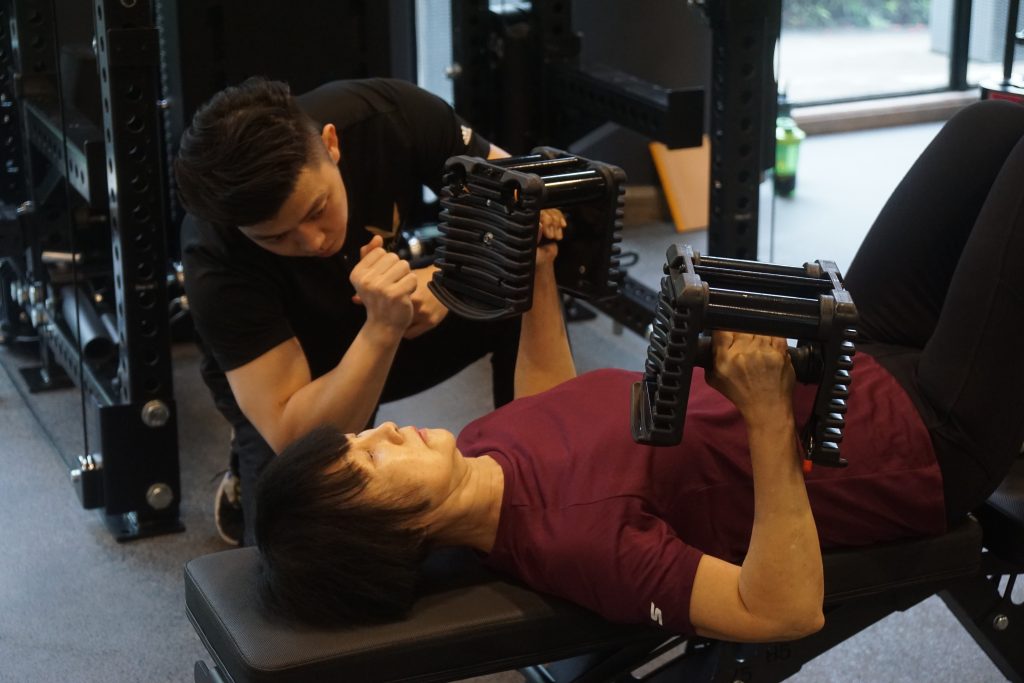
- Seated or supported strength exercises when standing tolerance or balance is limited
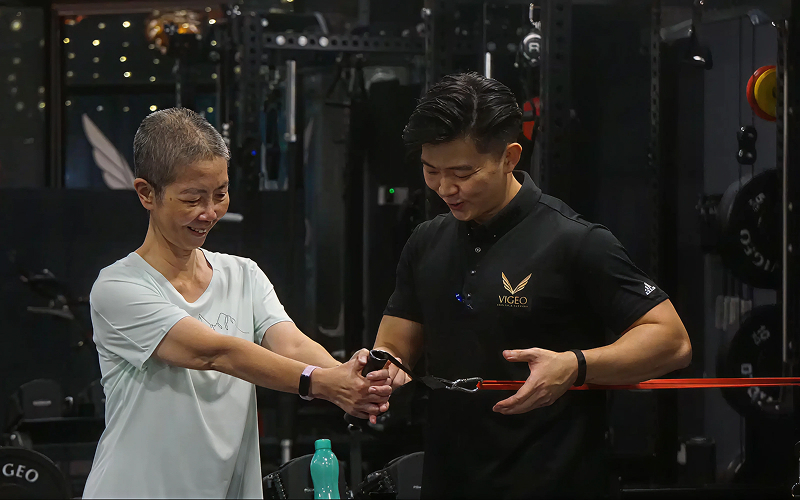
- Resistance-band rows and presses for controlled strength work without rapid changes in position
- Sit-to-stands from a chair to practise a daily movement pattern at a manageable pace
- Low step practice where leg strength and stair confidence need gradual improvement
- Balance work beside a stable support when coordination or fall risk needs attention
The most suitable option is not always the easiest-looking exercise. It is the one that can be performed with stable technique, appropriate effort, and a response that does not trigger concerning symptoms.
A gradual approach also makes it easier to identify patterns. If a person feels unusually fatigued after a certain medication change, notices dizziness after standing exercises, or experiences lower blood glucose after a longer walk, those details can be discussed with the appropriate healthcare provider.
Adults over 50 who need more structured support may benefit from working with a personal trainer for the elderly particularly when exercise technique, pacing, joint-friendly modifications, and gradual strength progression need closer attention.
Vigeo’s training approach for adults over 40 emphasizes movement quality, steady progression, and exercises that relate to daily function such as walking, balance, mobility, and strength.
Turning Awareness Into Safe, Practical Action
Knowing that medication can affect exercise is only the first step in chronic health management. The next step is to build a routine that accounts for those effects without letting uncertainty stop all movement.
These exercise precautions may be useful:
- Keep an updated list of medications, doses, and relevant side effects to discuss with your doctor, pharmacist, or trainer.
- Start with manageable sessions and increase only one variable at a time, such as duration, resistance, or walking pace.
- Avoid using heart rate as the only measure of effort, especially if medication affects heart-rate response.
- Drink fluids regularly, particularly in Singapore’s warm, humid conditions.
- Check blood glucose as advised if you use insulin or medication that may cause hypoglycemia.
- Stop exercising and seek medical advice for concerning symptoms, such as chest pain, fainting, severe breathlessness, or persistent dizziness.
Regular movement does not need to be intense to be worthwhile. A person who trains twice a week, walks consistently, and maintains basic lower-body strength may be better prepared for everyday demands than someone who waits for the “perfect” day to begin.
Before Activity
Check how you feel that day. Consider recent medication changes, sleep, meals, hydration, blood glucose monitoring requirements, pain levels, and any instructions from your doctor or pharmacist. Start with an activity that matches your current capacity rather than trying to make up for missed exercise.
During Activity
Use body cues alongside any wearable data. Slow down or rest if breathing becomes disproportionately difficult, balance feels less stable, fatigue rises unusually quickly, or symptoms appear that are different from your usual response to activity.
After Activity
Notice how you feel in the following hours, especially after a new routine or increase in duration. Record recurring dizziness, unexpected fatigue, pain, shakiness, or blood glucose changes where monitoring is part of your care plan. Share repeated patterns with your healthcare team before increasing intensity or volume.
Staying Active While Respecting Your Medical Needs
Medication and movement do not need to compete. Used appropriately, they can be part of the same chronic health management plan. Medication may help manage symptoms or support physiological stability, while regular movement may help maintain the physical capacity needed for walking, climbing stairs, carrying household items, and getting up from a chair. The appropriate level of activity depends on medical guidance, current symptoms, and the body’s response over time.
At Vigeo, we work with adults over 40 who want a more structured way to stay active while managing health considerations. Our training is built around individual movement capacity, health history, comfort, and realistic progression rather than high-impact workouts or one-size-fits-all routines. If you are navigating long-term medication and want to explore movement options that fit your current needs, contact us to speak with a trainer about a personalized starting point.