

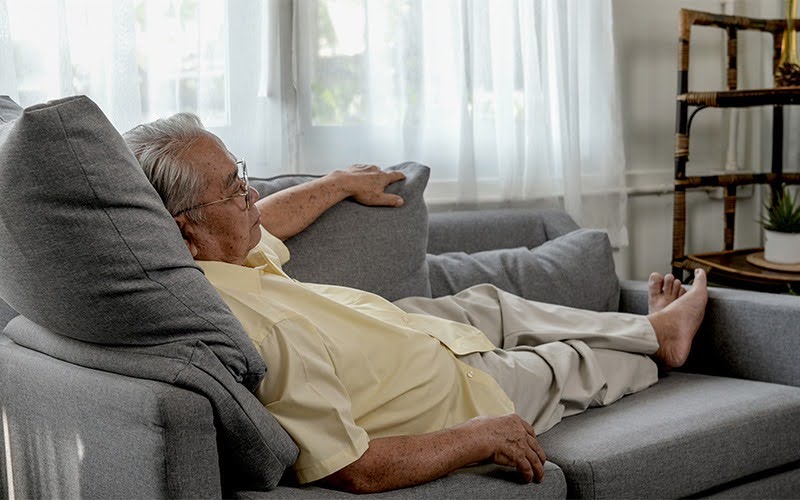
Key Takeaways:
- A sedentary lifestyle is defined by prolonged periods of low movement and can affect health even if structured exercise is performed.
- Lack of daily movement contributes to muscle weakness, joint strain, and reduced physical resilience over time.
- Inactive lifestyle habits influence metabolic, cardiovascular, and mental health in gradual but measurable ways.
- Low activity levels are associated with higher risks of chronic conditions, functional decline, and reduced mobility with age.
- Structured support and consistent movement strategies can help individuals rebuild strength, stability, and long-term health safely.
What Is a Sedentary Lifestyle?
Most people do not think of themselves as sedentary. They go to work, run errands, manage a household, and occasionally exercise. But between those moments, many spend 8 to 10 hours a day sitting. And that gap is where the damage accumulates.
A sedentary lifestyle is not defined by a single long day on the couch. It is defined by the pattern. Extended periods of low movement, day after day, gradually change how the body functions at a metabolic, muscular, and neurological level. The effects are slow enough to miss and significant enough to matter.
Research suggests that accumulating 4 to 6 hours or more of inactive time daily may already qualify as sedentary, while 10 or more hours is associated with meaningfully higher health risks, even among people who exercise regularly. Sedentary behaviour can also affect health outcomes regardless of body weight, which means someone can appear physically fine while internal changes are already underway.
Sedentary time does not need to occur in one continuous block to affect health. Research suggests that accumulating four to six hours or more of inactive time per day may be considered sedentary, while ten or more hours daily is associated with increased health risks, even among individuals who meet recommended exercise guidelines.
Importantly, sedentary behavior can influence health outcomes regardless of body weight or BMI. Someone may appear physically healthy on the surface while still experiencing internal changes linked to prolonged inactivity. Understanding how a sedentary lifestyle affects the body over time helps explain why consistent movement matters for long-term health.
Understanding the Impact of Inactivity on the Body
A lack of regular movement will gradually affect multiple body systems. When muscles are not used consistently, they begin to weaken and shrink through a process known as deconditioning. This process often affects postural muscles first, including those that support the spine, hips, and lower limbs. As muscular strength declines, joints increasingly rely on passive structures such as ligaments and cartilage for stability.
Over time, this shift increases mechanical strain during everyday activities like standing, walking, or lifting objects, even if they are light. Reduced muscular support can also limit joint control, making moving feel less stable or more effortful. These changes develop quietly, which is why many people underestimate the broader impact of sedentary behavior until discomfort or functional limitations become noticeable.
How Reduced Movement Affects Physical Function
One of the earliest effects of inactivity is reduced flexibility and joint mobility. When joints are not moved regularly through their natural ranges, surrounding tissues can stiffen. This stiffness may make bending, reaching, or turning movements feel restricted, particularly in the hips, shoulders, and spine.
Slower reaction times are another consequence of prolonged inactivity. Regular movement helps maintain coordination between the nervous system and muscles. When movement demands are low, this coordination can decline, increasing the likelihood of delayed responses during balance challenges or unexpected movements.
Lower physical endurance also becomes more apparent with low activity levels. Tasks that once felt easy, such as climbing stairs or walking moderate distances, may begin to feel tiring.
Ironically, this reduced tolerance for activity can further reinforce inactive lifestyle habits. creating a cycle where movement becomes increasingly limited.
This is one of the patterns we see most often when adults over 40 come to us after years of desk-based work. They are not unfit in an obvious way. They are just slower to recover, quicker to fatigue, and increasingly cautious about movement. That caution, left unaddressed, tends to compound the problem rather than protect against it.
Common Signs of an Inactive Lifestyle
The body often provides subtle signals when daily movement is insufficient. Muscle weakness and postural strain are common early indicators. Prolonged sitting can contribute to muscle atrophy in the hips, legs, and lower back, while extended screen use may encourage rounded shoulders, neck tension, and persistent back discomfort. These postural changes place uneven stress on joints and soft tissues.
Joint stiffness or discomfort may also develop over time. Limited movement reduces the dynamic support muscles that surround joints, leading to stiffness, particularly in weight-bearing areas such as the lower back, hips, and knees. This discomfort often feels worse after periods of rest, such as first thing in the morning or after long periods of sitting.
Low energy levels are another frequent sign. When muscles are underused, overall metabolic demand decreases, which can contribute to ongoing fatigue and reduced motivation to move. Gradual weight gain may also occur, as fewer calories are burned while eating habits remain unchanged. This weight gain is often slow and easy to overlook, yet it adds additional stress to joints and cardiovascular systems over time.
Are These Changes Reversible?
Many of the physical changes linked to an inactive lifestyle are at least partially reversible when addressed early. Gradual reintroduction of regular movement can help improve muscle strength, joint mobility, posture, and energy levels over time. In many cases, even low-intensity, consistent activity is enough to support meaningful improvements, particularly when movement is structured and progressed appropriately.
However, the degree of reversibility varies between individuals and depends on factors such as age, duration of inactivity, underlying health conditions, and overall physical resilience.
Long-standing inactivity may require a more cautious and guided approach to reduce the risk of strain or injury.
Health Risks Associated With Sedentary Lifestyles
Being inactive is closely linked to obesity due to reduced energy expenditure and disrupted appetite regulation. Inactivity affects how the body processes energy, making it easier to store excess calories such as fat, even without major dietary changes.
Cardiovascular disease and high blood pressure are also associated with prolonged inactivity. The heart, like any muscle, requires regular demand to maintain efficiency. Without consistent movement, cardiovascular capacity can decline, affecting circulation and increasing strain on the heart over time.
Low activity levels are strongly connected to metabolic conditions such as type 2 diabetes and lipid disorders. Physical inactivity reduces insulin sensitivity and alters how the body manages blood sugar and fats. These changes often develop gradually and may go unnoticed until routine health screenings reveal abnormalities.
Mental health can also be affected. Prolonged sedentary behavior has been associated with higher rates of depression and anxiety, potentially due to reduced circulation, hormonal changes, and limited exposure to mood-regulating movement.
Certain cancers, including colon, lung, and uterine cancer, have also been linked to higher levels of inactivity. While inactivity alone does not cause cancer, inactive lifestyle habits contribute to risk factors that influence long-term disease development.
Maintaining Mobility Through Regular Movement
Regular movement helps preserve joint range of motion and supports tissue flexibility. Gentle mobility work encourages circulation and reduces stiffness caused by prolonged inactivity. Even short periods of intentional movement can counteract the effects of extended sitting.
Incorporating five to ten minutes of daily mobility exercises can make a meaningful difference. Simple movements such as shoulder rolls, hip circles, controlled leg extensions, and gentle stretching help maintain joint health without placing excessive stress on the body. These practices are especially valuable for individuals who spend much of their day seated.
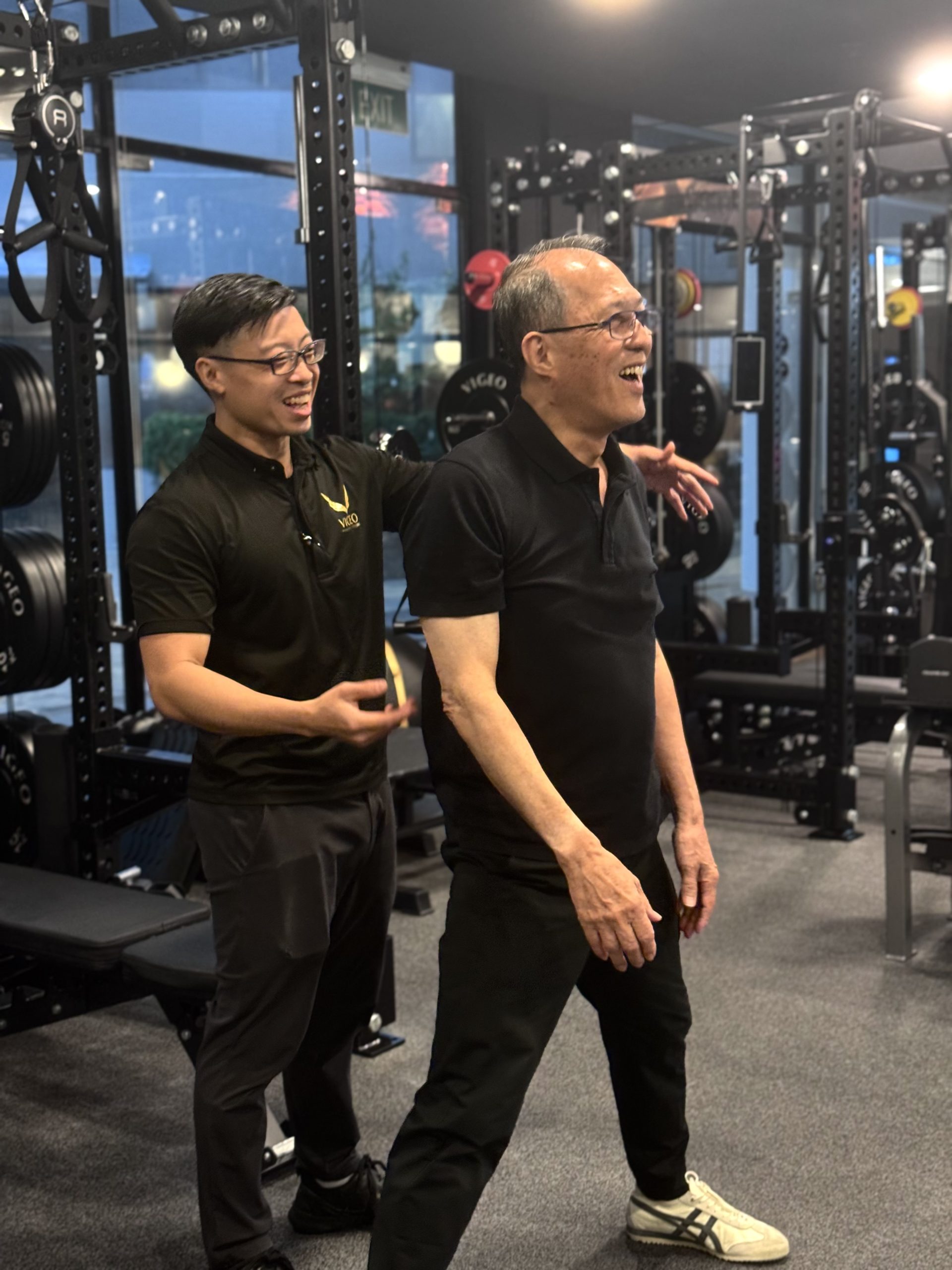
For older adults or those returning to activity, working with a fitness trainer for seniors can guide safe, appropriate mobility exercises that match individual comfort and physical capacity.
Preserving Strength for Stability and Daily Function
Muscle strength plays a central role in posture, balance, and the ability to perform everyday tasks. Without regular resistance or loading, muscle mass and power naturally decline, particularly with age. This decline affects functional independence and increases the risk of falls or injury.
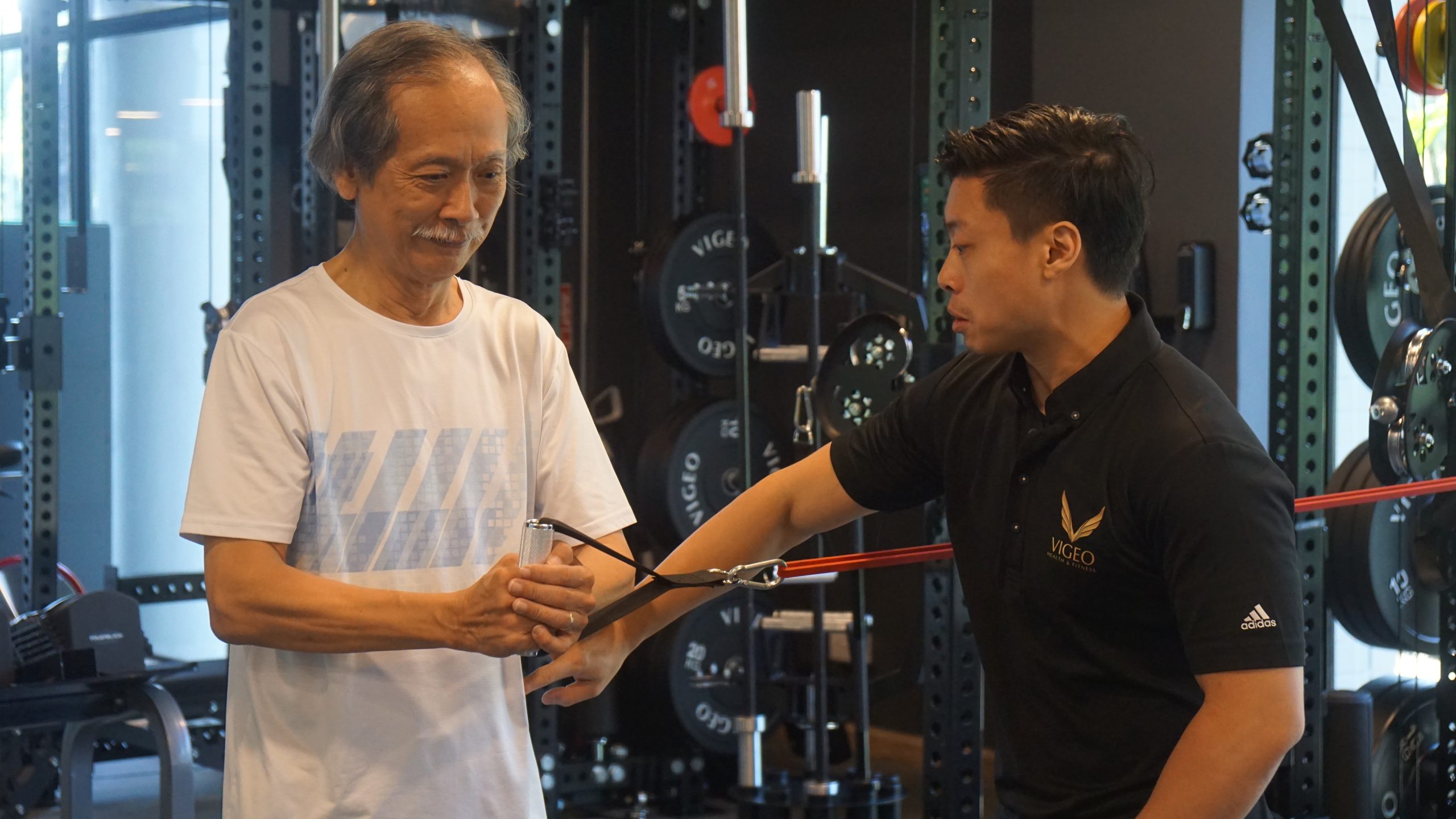
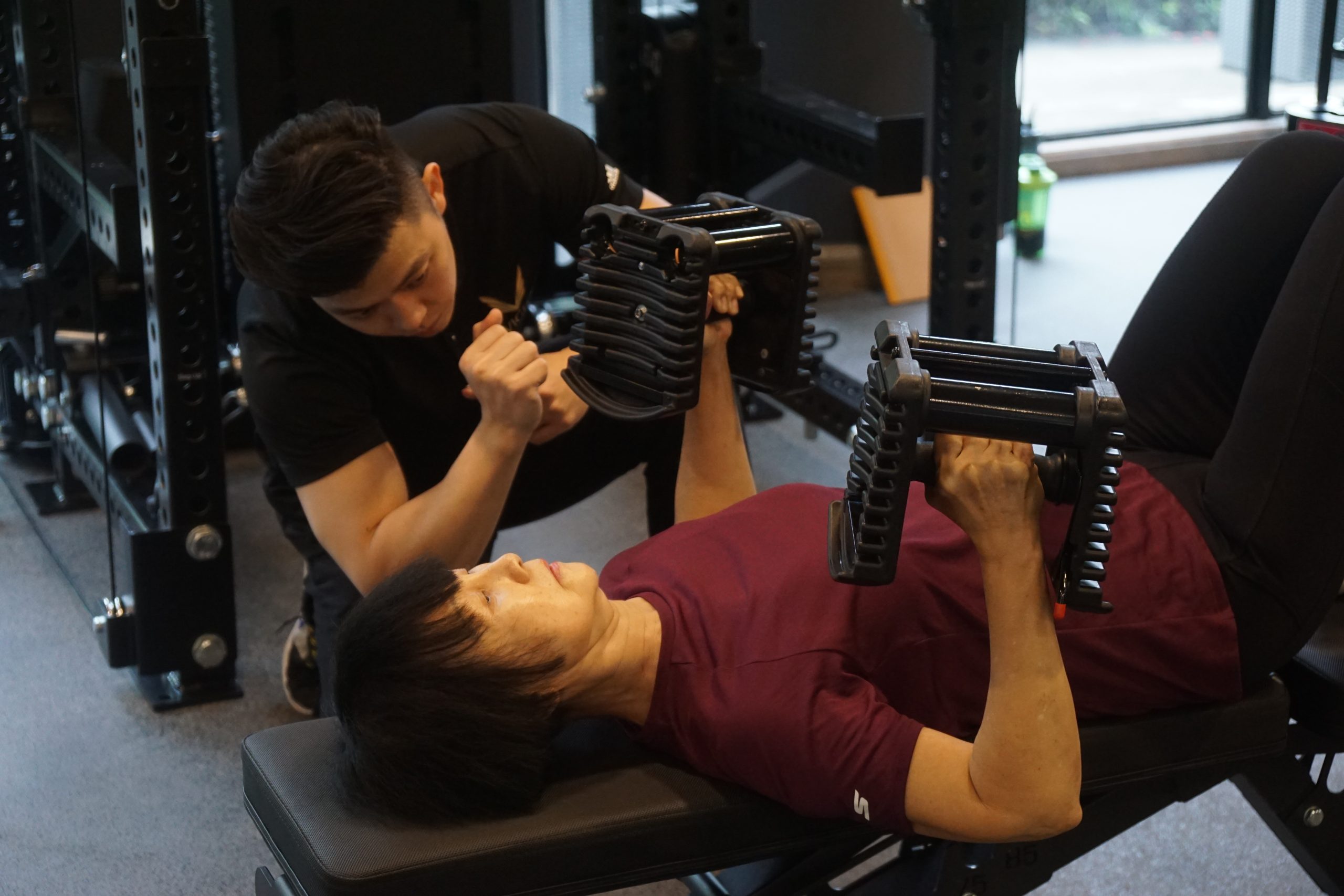
Including strength exercises two to four times per week supports long-term physical function. Accessible movements such as chair squats, wall push-ups, and resistance band exercises allow muscles to remain active without requiring advanced equipment. Even low-intensity strength training helps maintain muscle engagement and joint support over time.
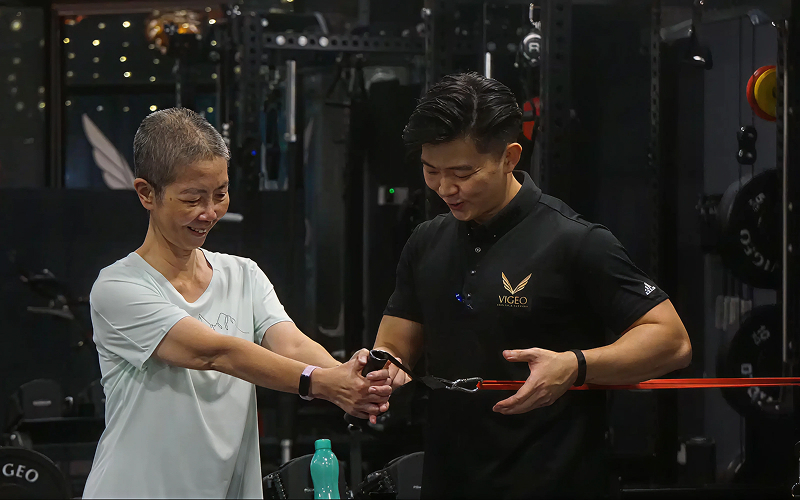
Some individuals benefit from individualized guidance, especially when managing joint discomfort or returning to movement after inactivity. A personal trainer for seniors can help structure strength routines that prioritize safety, progression, and confidence.
For those later in life, a personal trainer for elderly clients can tailor exercises to balance, mobility, and daily living needs without overwhelming the body.
What surprises many of our students is how quickly strength responds when movement is reintroduced gradually and consistently. The body is more adaptable than most people give it credit for, particularly when the approach is appropriate for the individual’s current capacity rather than based on what they could do 20 years ago.
Building Sustainable, Movement-Friendly Habits
Long-term health is best supported by consistent habits rather than short bursts of activity. Regular movement works most effectively when combined with balanced meals that include adequate protein and vegetables, which support muscle repair and overall nutrition. Healthy fats also play a role in supporting hormonal and joint health.
Consistent hydration supports circulation and tissue function, especially when increasing movement levels. Together, these habits create an environment where movement feels more manageable and recovery is supported.
Sustainable change comes from integrating movement into daily routines rather than relying solely on structured workouts. Standing more often, walking short distances, and breaking up long sitting periods all help reduce the cumulative impact of an inactive lifestyle.
Reducing the Impact of Inactive Lifestyles in Older Adults
A sedentary lifestyle poses particular risks for older adults, as low activity levels accelerate muscle loss, reduce balance, and increase vulnerability to stiffness, fatigue, and loss of independence. With age, the body becomes less resilient to prolonged inactivity, which means inactive lifestyle habits can have a greater impact on mobility, confidence, and daily function than many realise.
At Vigeo, we have extensive experience working with seniors and older adults who are navigating the effects of an inactive lifestyle. Our approach focuses on safe, supervised movement that supports strength, stability, and mobility without placing unnecessary strain on joints or the cardiovascular system. Training is structured to meet individuals where they are, whether they are returning to movement after years of inactivity or managing age-related physical changes.
If this sounds familiar, whether for yourself or someone you care about, it is worth having a conversation.
At Vigeo, we work specifically with adults over 40 and seniors who are navigating the effects of an inactive lifestyle. Our focus is on safe, structured movement that rebuilds strength, stability, and confidence without overwhelming the body.
Reach out to us to discuss a training approach that fits where you are right now.
Note: Symptoms such as sudden pain, unexplained weakness, numbness, chest discomfort, or dizziness should not be attributed to inactivity alone. Please seek medical evaluation if you experience these signs before starting or changing an exercise routine.