

Our bodies change as we age, and we begin to notice things we once took for granted, like how easy it was to climb a flight of stairs or carry heavy bags of groceries. A key reason for this change is sarcopenia, which is a natural decline in muscle mass and strength.
While losing a certain amount of muscle is inevitable with age, the progressive decline doesn’t have to control your life. There are ways to combat this natural process, and one of them is exercise.
The causes of age-related muscle loss in older adults and the elderly
Although some muscle loss is part of aging, several factors can make the issue worse. These are:
1. A sedentary lifestyle
When you don’t use your muscles, your body doesn’t see a reason to maintain them. This means that without regular movement and resistance training to challenge the muscles, your muscle fibers shrink, leading to a loss of both muscle size and strength.
2. Illness and immobility
Aging is associated with low-grade, chronic inflammation, also known as inflammaging, which promotes muscle breakdown and slows recovery. Conditions like diabetes, arthritis, and cardiovascular disease, as well as common pain relievers, can worsen this process.
Whenever you’re immobile for a period of time due to sickness, your body also breaks down muscle reserves for fuel. This leads to a cycle of decreased strength and increased fatigue, which makes you even more inactive, leading to a loss of muscle.
3. Inadequate nutrition
A diet that lacks sufficient protein and calories is an issue for older adults due to many factors, including a reduced appetite, changes in taste, difficulty preparing meals, or oral health problems that make it difficult to chew. Without the right nutrients, your body doesn’t have the essential building blocks it needs to maintain muscle.
On top of that, aging muscles become less responsive to protein, which is a phenomenon known as “anabolic resistance.” This means seniors need high-quality protein, and sometimes more of it, to stimulate muscle growth.
4. Hormonal changes
Our bodies experience hormonal changes that can directly affect muscle mass. Hormonal shifts, such as the drop in estrogen after menopause and low testosterone after andropause, can directly lead to muscle loss.
As we age, our levels of muscle-building hormones, such as testosterone, growth hormone, and insulin-like growth factor 1 (IGF-1), or the chemical messenger that manages the effects of the growth hormone, naturally decline as well. At the same time, inflammation and stress hormones like cortisol rise. This shift makes it harder for the body to build and maintain muscle, and easier for muscle to break down.
The warning signs of muscle decline
Sarcopenia may begin at the age of 40, and usually speeds up upon reaching 60. That said, you should be vigilant for subtle changes in your body, as what happens with sarcopenia often appears gradually. This can help you know what to do before the condition progresses further.
Some of the most common sarcopenia symptoms include:
- General weakness and less energy than you used to have.
- Slower walking speed.
- Frequent falls or a feeling of being unsteady on your feet.
- A weaker handgrip.
- Difficulty with everyday activities.
- Trouble climbing stairs.
- Noticeable decrease in muscle size.
Susceptibility and the potential for reversal
While sarcopenia affects everyone as they age, some groups are more susceptible than others. Studies show that it affects a significant portion of the older adult population in Asia, with a prevalence of 9.6% to 22.1% in men and 7.7% to 21.8% in women.
However, this doesn’t mean men and women should ignore the risk just because the percentages may seem low. According to a study published in the National Library of Medicine, the risk of sarcopenia increases by 5 to 13% for those aged 60 to 70, and the numbers go up to 11 to 50% for those 80 years old and above.
Can you reverse muscle loss?
It’s never too late to take control of your health and rebuild your muscle mass and strength.
While some muscle loss is an inevitable part of aging, it is possible to slow down or even reverse the process. The main interventions for sarcopenia in older adults and the elderly are a combination of the right exercise and a balanced diet.
How to retain muscle mass after 40? The role of exercise in fighting sarcopenia
When it comes to how you can preserve muscle mass as you grow older, exercise is non-negotiable. This is because consistent physical activity plays a key role in maintaining muscle health and strength as you age.
1. Strength and resistance training
For long-term muscle health, strength and resistance training are the most important tools you have. In fact, according to Oxford Academic, resistance exercise is now recommended as a first-line treatment for sarcopenia.
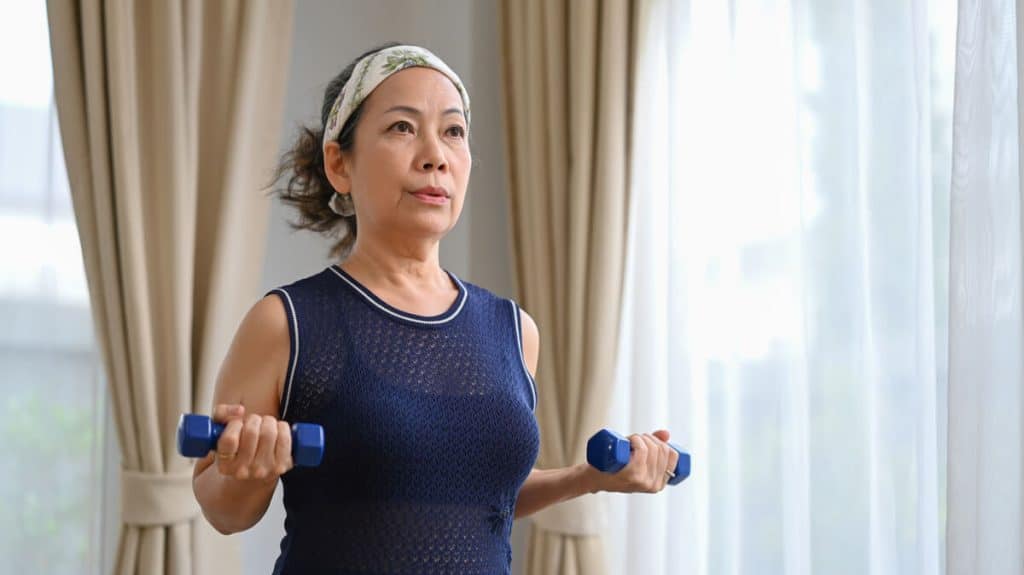
With the aim of improving physical ability, these exercises work by directly stimulating muscle fibers to increase muscle strength and mass in older adults. This can help to develop the sufficient strength required for everyday activities, such as rising from a chair or carrying groceries. Through the systematic and repeated performance of these training sessions over time, you can also build strong legs, which can significantly reduce the risk of falls, lower your risk of developing osteoporosis, and improve your balance as you age.
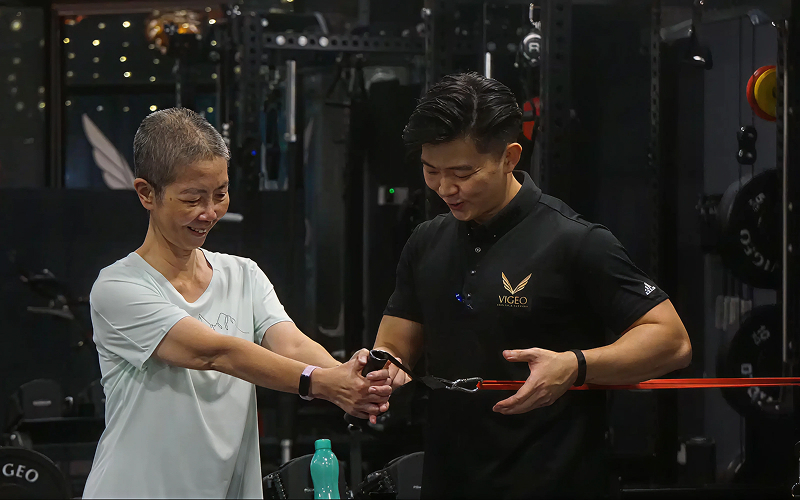
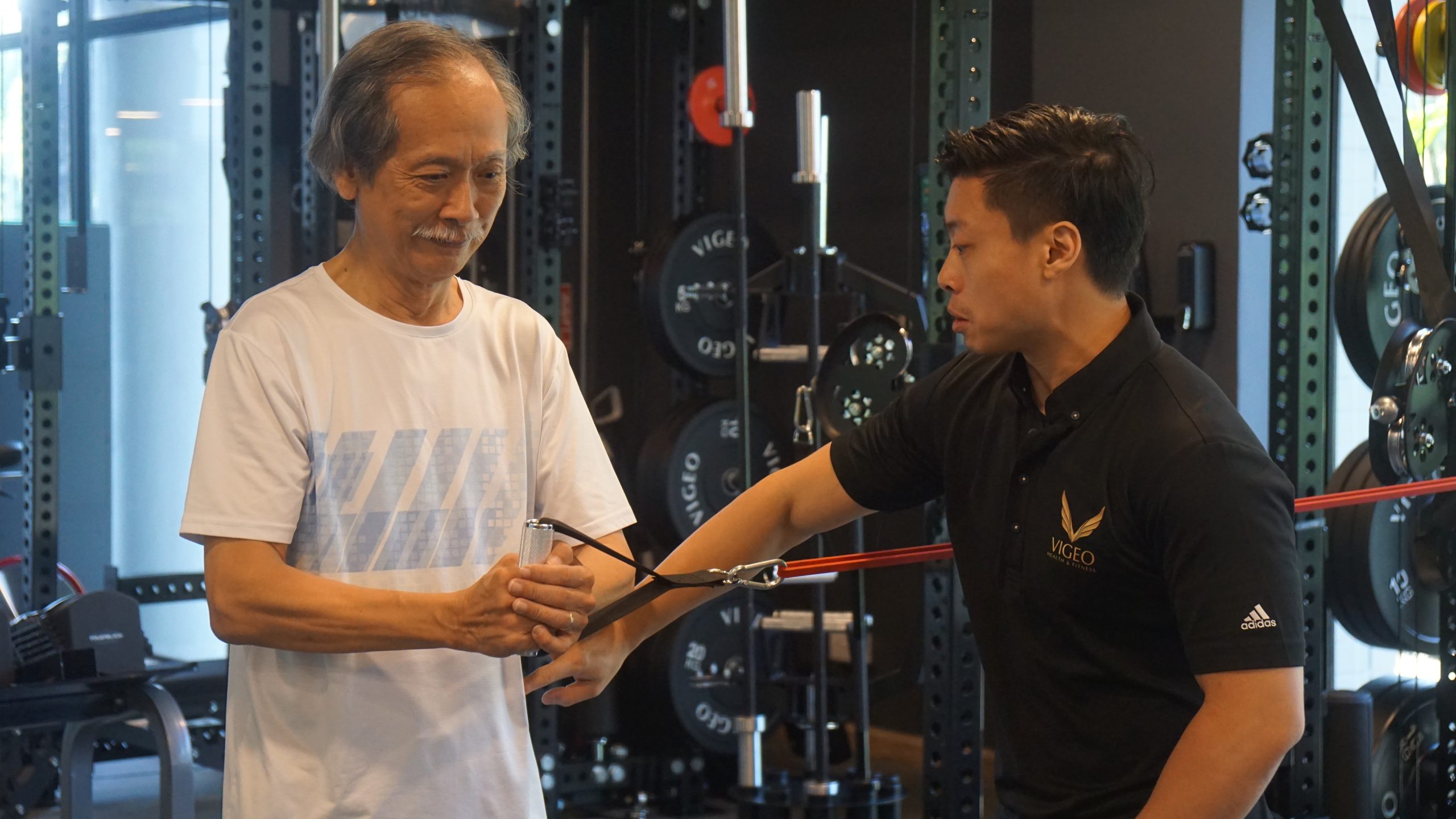
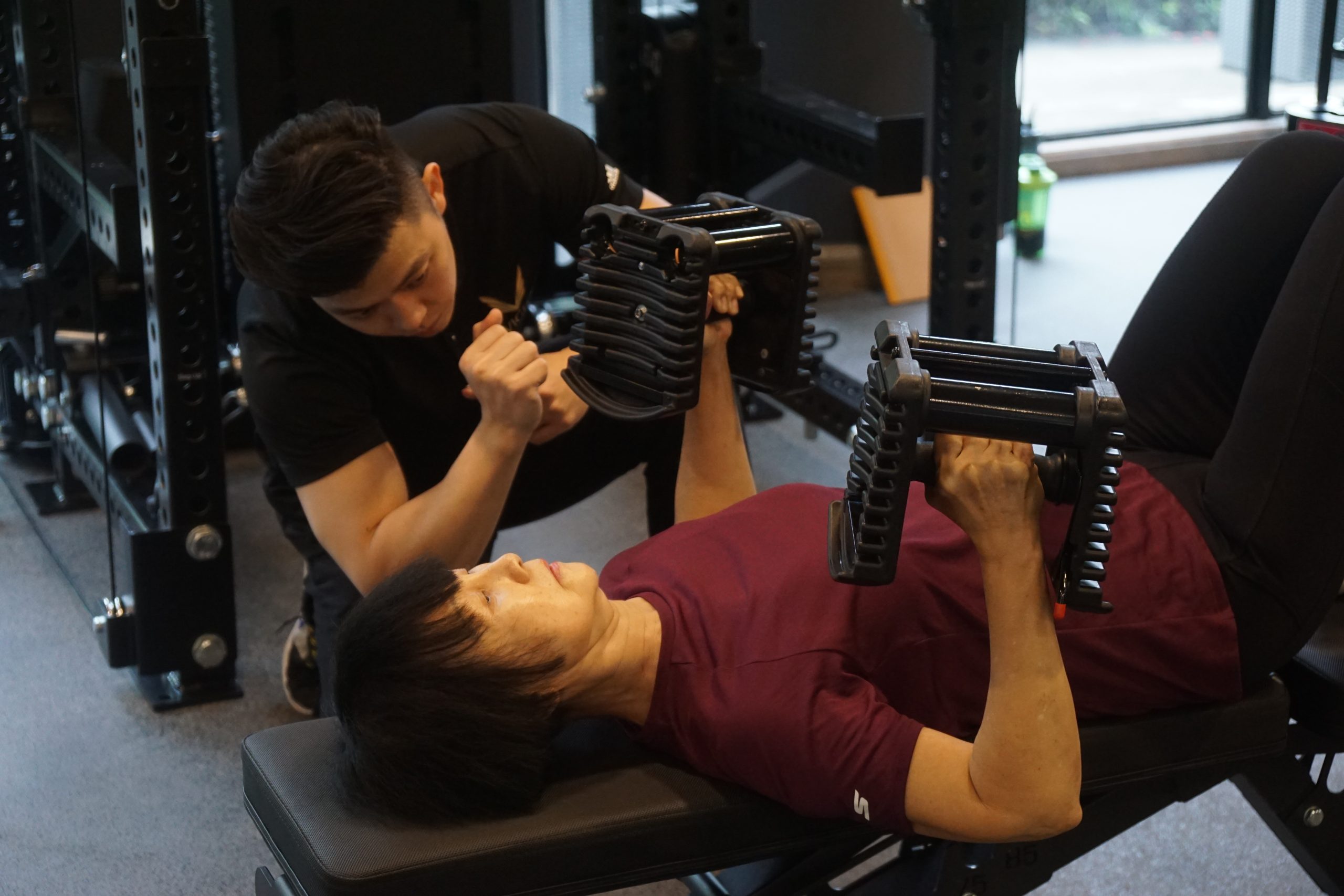
When incorporating strength training, the goal is to do it at least twice a week, using methods like lifting weights, resistance bands, or simple bodyweight exercises such as climbing stairs or sit-to-stands.
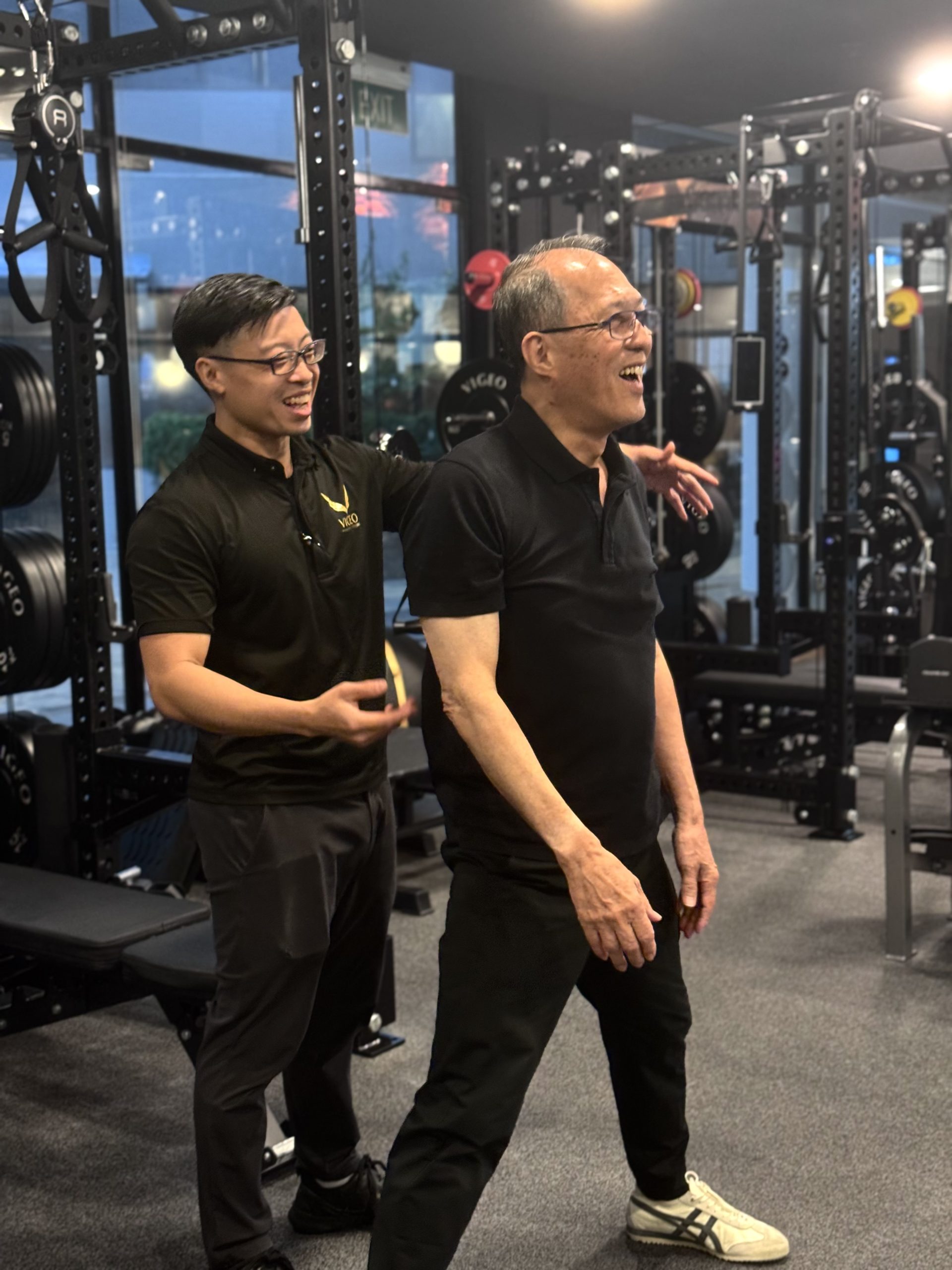
To help you stay consistent and motivated in your strength training, Vigeo offers private and semi-private training sessions. Our personal trainers for females, males, and seniors provide expert guidance and tailor exercises to your specific gender and physical needs, ensuring your journey is suitable for your body.
2. Weight-bearing exercises
Weight-bearing exercises involve activities that require you to move against gravity while staying on your feet, such as jogging, weight lifting, and yoga, allowing your bones to support your weight. These exercises directly impact the bones, such as in your legs, hips, and lower spine, by putting stress on them through tugging and pushing, which in turn helps to improve bone density and decrease the risk of fractures.
While these exercises don’t build muscle in the same way resistance training does, they support overall physical health, which is essential for fighting sarcopenia. As such, you should aim for at least 150 minutes of moderate-to-vigorous aerobic activity per week to reap the benefits.
Also, it’s important to note that as your bone density increases, it’s crucial that you also build your strength to maintain balance, as your muscles and bones work as a team. If this balance were absent, a weak muscle would be unable to move a strong bone. Conversely, if a muscle were much stronger than the bone, it would risk breaking the bone.
3. Stay physically active every day
The principle of “move it or lose it” is especially true when it comes to muscle mass. The key to long-term success in retaining and making muscles strong even at 40 and beyond is to integrate exercise into your daily routine.
When muscle begins to deteriorate with age, doing simple, functional exercises like sit-to-stands or incorporating more movement into your daily life, such as carrying groceries instead of using a trolley, can become progressively more difficult. To help combat this, do engage in regular physical activity to improve your muscle strength and boost your endurance.
For older adults who are hesitant to start or increase their physical activity levels due to a fear of injury or lack of motivation, remember that you don’t have to jump in all at once. The key is to start slowly and gradually increase the intensity and duration.
Essential nutrition for muscle preservation
Exercise and muscle utilization aside, your diet also plays a critical role in fighting muscle loss. This is because what you eat provides the nutrients and fuel your body needs to maintain and rebuild muscle tissue.
Protein intake
Protein is the fundamental building block for muscle and is essential for stimulating its growth and repair. However, our bodies become less efficient at processing protein as we grow older. Because of this, older adults need more protein each day to preserve muscle, which is about 0.8g of protein per kilogram of body weight for those in their 40s, and about 1.2g per kilogram of body weight for those 50 years old and above.
For example, a 40-year-old adult weighing 75 kg needs about 60g of protein a day, or roughly 20g per meal. In contrast, an older adult weighing 62.5 kg needs 75 grams of protein a day, which breaks down to about 25g per meal.
To meet this need, incorporate high-protein sources with every main meal. Good sources of protein include lean beef, eggs, fish, lentils, chicken breast, Greek yogurt, and dairy milk. You can also seek the guidance of a fitness instructor on your food choices. At Vigeo, we can help you incorporate healthy servings into your meals and identify suitable food sources.
Adequate calories
That said, maintaining a healthy caloric intake is just as important as protein. When your body doesn’t get enough calories, it draws on muscle tissue for energy, which speeds up weakness and decline. This is a common issue for older adults because appetite often decreases with age due to hormonal changes that can disrupt hunger signals, a slower digestion process, and the effects of certain medications that may reduce hunger. Additionally, oral and dental problems, including tooth loss or ill-fitting dentures, can make chewing and swallowing difficult and painful, which makes eating less appealing.
Without enough overall calories, even a protein-rich diet won’t be fully effective because your body prioritises energy needs over muscle repair. This means your muscles won’t have the fuel they need to recover and grow.
Vitamin D
Vitamin D is widely associated with bone health, as it aids in calcium absorption, supports proper bone renewal, and helps maintain muscle strength to reduce fall risk. As such, low levels of Vitamin D are linked to a greater risk of sarcopenia and a loss of muscle strength. You can get Vitamin D from many sources, such as salmon, sardines, egg yolks, and Vitamin D-fortified foods like soy milk and orange juice.
Nutritional supplements
If you’re finding it difficult to get all your nutrients from food alone, oral nutritional supplements can be a helpful option to fill what’s lacking. They provide a concentrated source of vitamins, minerals, protein, and other nutrients to support muscle health and overall well-being.
Assessing and monitoring your muscle health
If you’re concerned about muscle loss, you can visit a healthcare provider. They can perform simple tests to determine your muscle health and recommend a plan of action. From there, working with a fitness instructor can provide you with a tailored program to address your specific needs.
Taking action against sarcopenia and building a stronger future

Sarcopenia is a serious condition that can increase your risk of bone fractures, mortality, and physical disability. Fortunately, you can protect yourself from this progressive muscle loss with the combination of regular exercise, a healthy, balanced diet, and nutritional supplements (if needed). Moreover, good nutrition, especially a diet rich in protein, combined with consistent strength training, will allow you to preserve your muscle mass and strength. In turn, this helps you continue doing your favorite activities and live a vibrant life, even as you age.
Vigeo is here to help you on this journey. We offer personalized fitness plans and expert guidance to help you become stronger, even after sarcopenia occurs. Our certified personal trainers for the elderly can create a safe and effective routine that combines strength training, aerobic activity, and balance work. Plus, we’ll help you build the consistent habits you need to maintain your muscle, strength, and independence for years to come.
Ready to take control of your health? Contact us today and learn what we at Vigeo can do to help you achieve your goals.