


While you may have noticed that shedding pounds and building muscle feels more challenging in your 50s than it did in your 20s or 30s, it’s still possible to make a healthy body transformation during your golden years. It’s a matter of working smarter, not just harder, and understanding the unique physiological changes your body is experiencing at this stage of your life.
For a successful body transformation, you need to take a holistic approach. This means combining smart resistance training and consistent aerobic exercise with a strategic diet and key lifestyle habits like managing stress, getting enough sleep, and staying hydrated.
Why weight loss becomes more challenging after 50
Many people in their 50s assume the rules don’t change when losing weight. But your body is different now, and a variety of factors work together to make weight management more challenging.
- Hormonal shifts: For many women, this decade introduces perimenopause and menopause. Declining estrogen levels can trigger a stress response in the body, which can increase insulin resistance, making it harder for your body to balance your blood glucose levels, and can also slow your metabolism. As a result, these shifts can lead to weight gain, particularly around the belly.
- Thyroid function: Hypothyroidism, a condition where the thyroid gland doesn’t produce enough thyroid hormone, is a common culprit for weight gain in women over 50. It often leads to feelings of fatigue, which can make exercising more difficult, and it directly contributes to weight gain by slowing down your metabolism.
- Muscle mass decline: The natural loss of muscle, known as sarcopenia, accelerates in your 50s. Since muscle tissue is more metabolically active than fat, having less muscle means your body burns fewer calories at rest. If you continue to eat the same amount as you did in your 30s, this metabolic slowdown can lead to gradual weight gain.
- Stress impact: Life in your 50s often comes with its own unique stressors, and the impact of stress on your body is significant. Elevated cortisol levels from chronic stress can cause your body to store fat, particularly around your midsection. They can cause you to eat more, which can seriously hinder your weight loss efforts.
Tips to improve weight loss after 50
Whether male or female, achieving a body transformation after 50 through weight loss requires a holistic, consistent, and strategic approach. To help you get started, consider these expert-backed strategies.
1. Eliminate processed foods and refined sugar
While some fortified processed foods offer nutritional benefits, the majority can be detrimental to one’s health. This is because a high consumption of these foods, loaded with saturated fats, sugar, and salt, is linked to an increased risk of cardiovascular disease and metabolic disorders. They can also interfere with your body’s natural fullness signals, leading to overeating. A diet rich in these foods may also replace more nutritious whole foods, leading to deficiencies and an even higher risk of chronic health issues.
2. Limit snacking
While snacking can be a helpful way to prevent overeating at mealtimes, as stated by the Harvard T.H. Chan School of Public Health, it’s a habit that can easily contribute to unwanted weight gain if you’re not careful. This often happens when snacks aren’t factored into your daily calorie intake, leading to an excess of calories.
To help you lessen your snacking, practice being mindful of your hunger cues. Before you reach for a snack, ask yourself if you’re physically hungry, bored, stressed, or frustrated. If you are truly hungry, then it’s time to grab a healthy, satisfying snack. If not, try doing another activity, such as going for a walk or calling a friend, to avoid overeating.
3. Prioritize fiber intake
Fiber-rich foods are a foundational element of a healthy diet, helping to manage your weight and decrease your susceptibility to obesity. Beyond preventing constipation, according to the Obesity Medicine Association, scientific studies and research have highlighted fiber’s role in preventing heart disease, diabetes, and even some cancers. Foods like fruits, vegetables, grains, beans, peas, and lentils are packed with fiber, and eating them keeps you feeling full and satisfied for longer. As a result, this helps you consume fewer calories overall, making it easier to stick to your goals without feeling deprived.
4. Adopt a sustainable, well-balanced diet
One of the best approaches to nutrition when you reach over 50 is to change what you eat. And one way to do so while helping you lose weight is to follow a proper meal plan that includes all necessary nutrients, instead of fad diets that offer quick fixes.
To eat healthier, aim for at least four servings of vegetables and three servings of fruit each day. Then, choose whole grains like brown rice and whole-wheat bread instead of refined grains. As for fats, stick to healthy choices like olive oil, vegetable oils, and nuts, but be aware that their calories can add up quickly. By making these foods the focus of your diet, you naturally minimize your intake of processed snacks, sugary desserts, and fried foods.
In addition, you can monitor your diet by practicing meal preparation and home cooking. This gives you full control over ingredients and portion sizes, which helps you better understand what you are eating. In turn, this can help support your weight loss goals and teach you to make smarter, healthier choices for the long haul.
5. Reduce alcohol consumption
Alcohol can be a tricky obstacle to weight loss. This is because your body prioritizes burning alcohol for energy over fat. Furthermore, alcohol is also high in calories and can make you feel hungrier, leading to cravings for salty and greasy foods.
Over time, drinking in excess can make you gain weight, as heavy drinking may activate hormones that signal appetite, hunger, and stress. Thus, limiting your alcohol intake can help your body get back to burning fat and make it easier to manage your weight.
6. Implement stress reduction techniques
Constant stress causes your body to release cortisol, which can increase your appetite and, at the same time, trigger cravings for sweet, fatty, and salty foods. This can make you more likely to reach for a less-healthy meal, like fried food or sweet treats, instead of a balanced one. Also, one of the signs of consistently high cortisol levels is weight gain, particularly in your face and midsection.
To combat this, it’s crucial to find ways to de-stress. Simple practices like mindfulness, meditation, journaling, and yoga can help lower your cortisol levels. Even a simple brisk walk can serve as a stress-reliever, allowing you to unwind and clear your head.
7. Increase daily steps
Simply being sedentary contributes to insulin resistance and slows your metabolism, but you can make a difference by walking.
Walking for just 30 minutes a day is a way to strengthen your bones, reduce excess body fat, and boost muscle endurance. A benefit of walking, especially after a meal, is improved digestion, as movement stimulates your stomach and intestines.
Best of all, walking is low-impact, requires no special equipment, and can be done at your own pace, making it a fantastic form of activity for anyone, including those who are overweight, elderly, or have not exercised in a long time.
8. Protect your sleep
As we get older, our bodies’ internal clocks, or circadian rhythms, can change, which often leads to disrupted sleep patterns. This can also be made worse by lifestyle changes that can come with aging, such as retirement, leading to a less structured schedule, or social isolation that increases stress and anxiety.
Not getting enough quality sleep can directly affect your appetite and weight. In fact, studies have found that sleeping too little can lead to you eating larger portions and craving high-carbohydrate, high-energy foods to compensate for the lack of energy.
Making sure you get seven to nine hours of quality sleep every night is a key factor in your weight loss journey and your general health. To get better sleep, create a bedtime routine that can help you relax and wind down. This can be as simple as reading a book, taking a warm bath, setting a sleep schedule, or turning off screens an hour before bed.
Why building muscle can be difficult after 50
In addition to changes in weight, the body’s natural changes after age 50 can make building and maintaining muscle more challenging.
- Muscle power loss: A natural decline in muscle power and performance occurs as we grow older, which is also an effect of sarcopenia. While the process begins slowly, it speeds up after the age of 65 in women and 70 in men. Consequently, this decline can lead to an increased risk of falls and fractures due to reduced mobility. Research has even shown that people with sarcopenia are 2.3 times more likely to suffer a low-trauma fracture, such as a broken hip or arm, from a fall.
- Reduced growth signals: As we reach our 50s and beyond, the signal telling our muscles to grow is not as strong as it was in our younger years, and this change becomes more noticeable over time. In fact, research shows that muscle wasting in old age is also caused by a loss of nerves, which can lead to physical weakness and disability.
Despite these age-related changes, older adults can still gain valuable health benefits from regular exercise, including improved strength, better physical function, and a reduced risk of disability. By making fitness a priority, you are actively working to maintain your mobility, independence, and overall health throughout your life.
Tips to build muscle after 50
Muscles grow through a process called hypertrophy. When you engage in strength training, whether it’s with pushups, resistance bands, or weightlifting, your muscles are experiencing stress, creating small micro-tears in your muscle fibers.
In response, your body’s immune system starts a repair process, and at the same time, your body releases testosterone and growth factors. Together, they work to create protein and help thicken your muscle fibers, making them stronger and larger. The result is a more resilient body that’s capable of handling heavier loads.
1. Embrace resistance training
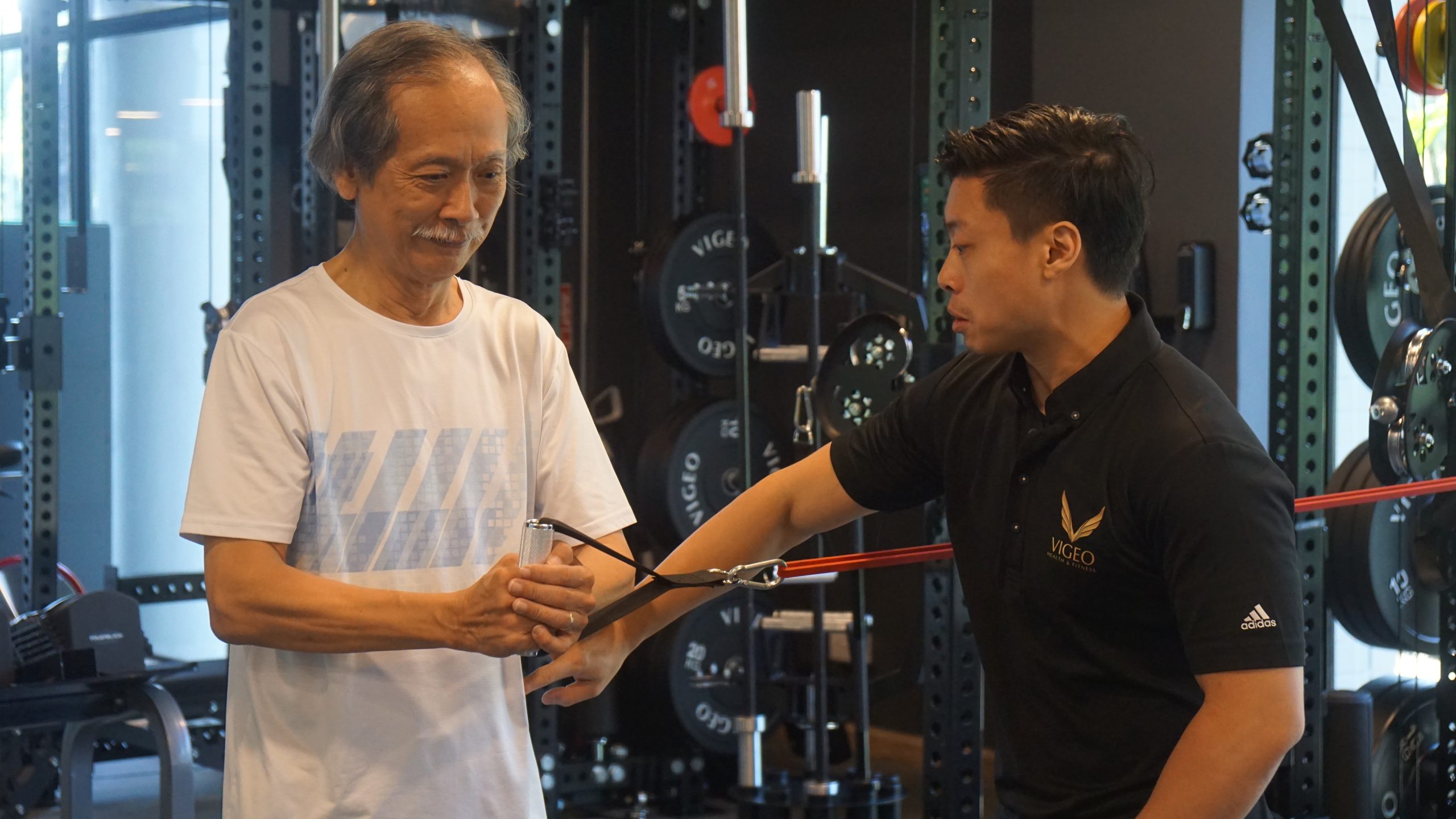
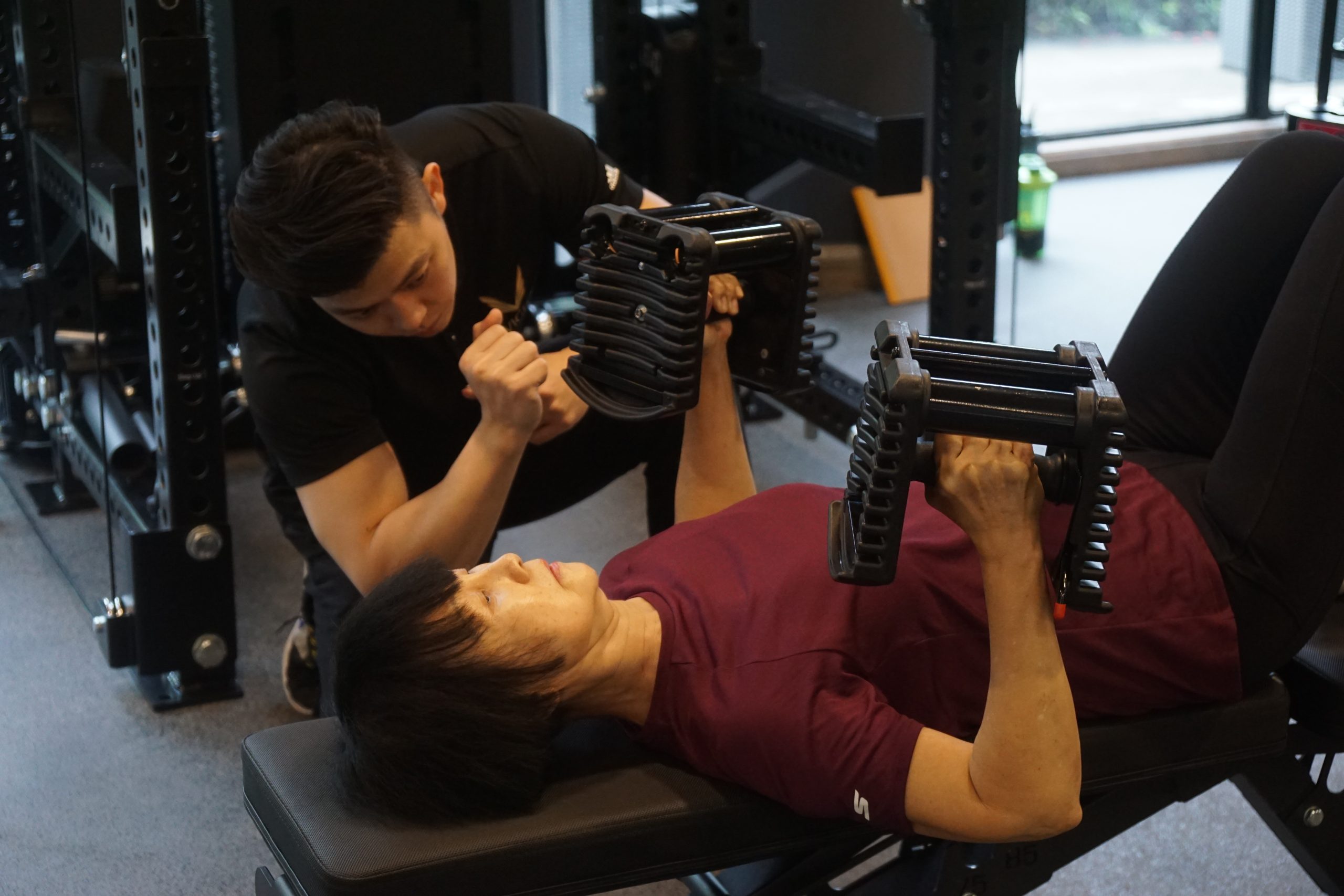
If you are looking to build a shredded physique at 50 years old, you need to incorporate strength training. When doing so, make sure to do muscle-strengthening activities on at least two days each week. This includes using dumbbells, resistance bands, or your own bodyweight to build and maintain muscle, which can help impact your metabolism and fat burning.
To keep seeing results and maintain your strength gains, it’s also important to vary your resistance training program every six to eight weeks. You can do this by changing the number of repetitions and sets you perform, the specific exercises you do, and the weights you use. In turn, this progressive approach ensures your body continues to adapt and grow stronger over time.
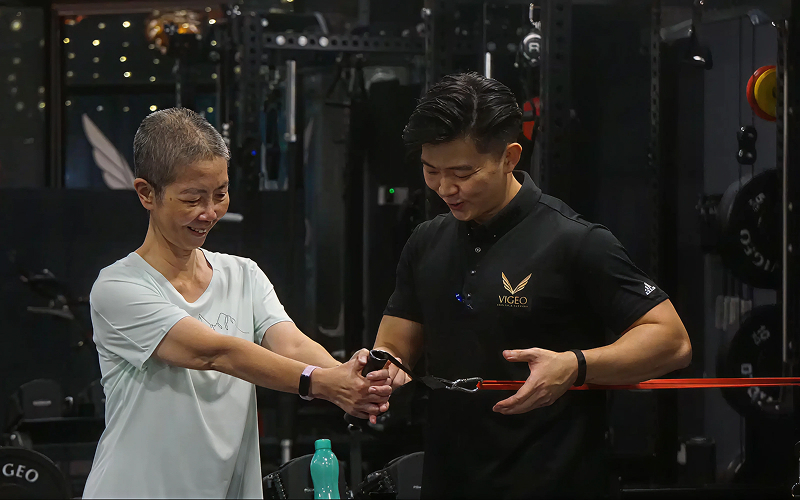
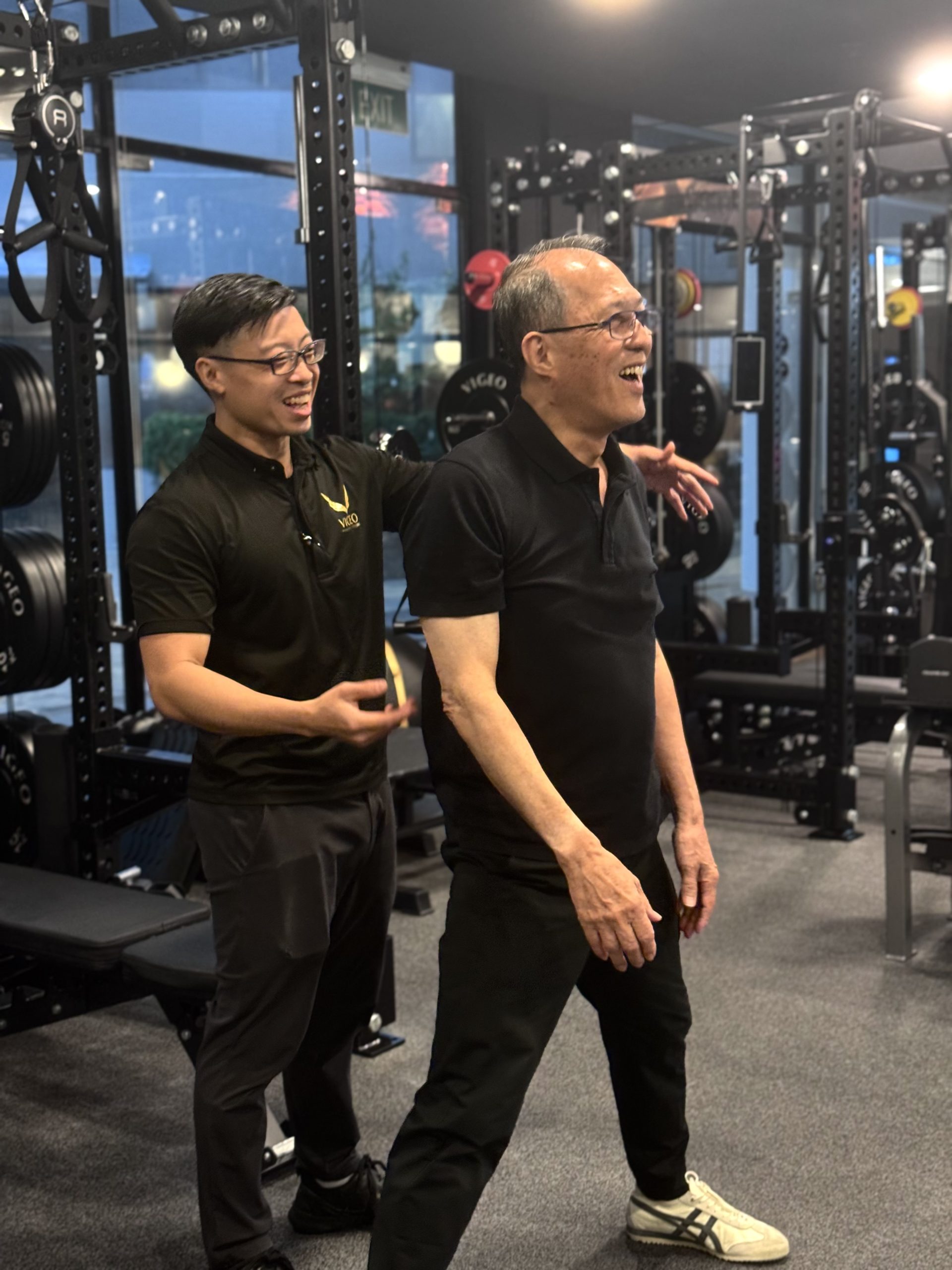
For many, figuring out how to build a varied and effective routine can be a challenge. A dedicated fitness trainer who has experience working with seniors can guide you on how to do the right variations of certain exercises, ensuring your training is not only safe but also perfectly tailored to your body’s needs. At Vigeo, our experts can create a program that is engaging, tones your body, and helps you maintain your strength gains for the long haul.
2. Increase protein intake
For muscles to grow, they need protein. While your body naturally creates some, increasing your dietary protein intake is key. According to research, a higher protein diet can effectively counterbalance muscle loss in older individuals. This works by making more amino acids available for the body to use in creating new muscle protein.
Research also suggests that many older adults, especially in their golden years, may require more than the recommended 1.2 to 2 grams of protein per kilogram of body weight each day. This is partly because amino acid availability naturally declines with age. It is also advised that 7 to 12 of those grams should be from the branched-chain amino acid, leucine, which helps in muscle building.
You can easily boost your protein intake by adding more lean meats, poultry, eggs, tofu, and dairy to your meals. If your diet alone isn’t enough, supplements like a post-workout whey protein shake can provide the nutrients your body needs to help your muscles grow.
3. Get enough vitamin D
Building muscle after 50 requires ensuring your body has the right nutrients to support muscle growth, and vitamin D is an essential one. Based on research, low levels of vitamin D increase a person’s risk of age-related muscle weakness, a condition known as dynapenia. And this condition is a major factor contributing to falls in older adults. As such, having adequate levels of vitamin D can help improve muscle repair and contraction in older adults. It also helps with balance due to increased strength, which helps reduce the risk of falls.
To find out if you need more vitamin D, you can consult your healthcare provider about getting a blood test. If your levels are low, spending 10 to 15 minutes in direct sunlight each day can be beneficial. You can also increase your intake through your diet by eating foods like red meat, salmon, sardines, tuna, egg yolks, mushrooms, and unsweetened soy beverages. If you still can’t get enough from food alone, a supplement may be recommended, and taking calcium at the same time aids in its absorption.
4. Manage a healthy body weight
For many people, weight gain, alongside muscle loss, is a common part of aging, a condition referred to as “sarcopenic obesity.” Having more body fat later in life can increase the risk of cardiovascular disease, physical disability, and early death. It can also make it more difficult to engage in the physical activity needed to build muscle mass.
In such instances, losing weight might be the best initial step. You could begin by focusing on burning calories through cardio exercises to start losing weight. This helps you feel better and prepares your body for a strength training routine.
5. Apply progressive overload and repetition
For your strength training to be effective, you should choose a weight or resistance level that fatigues your muscles after about 12 to 15 repetitions. Once you can comfortably perform more repetitions, that’s your cue to increase the weight or resistance to keep challenging your muscles.
As long as you work the muscle to the point of fatigue, where you cannot lift another repetition, you’re doing the necessary work to make it stronger. Furthermore, working to fatigue with a higher number of repetitions often means you’re using a lighter weight, which makes it easier to maintain proper form and control throughout the exercise.
However, it is important to listen to your body and never push yourself past your limits to the point of pain, as this can lead to injuries and setbacks. That said, always remember that the goal is to create sustainable, long-term progress, and the best way to do that is to challenge yourself wisely and consistently.
6. Prioritize muscle recovery
Muscle growth happens when muscle fibers are repaired after being challenged by exercise. This repair process, however, takes place when the muscle is resting. If you continue to work a muscle that was recently exercised, it won’t have the necessary time to repair and grow. Because of this, it’s best not to work the same muscle group two days in a row.
Your path to a stronger, healthier you
Although the journey of body transformation after 50 may present new challenges, it’s also one of the most rewarding commitments you can make to yourself. By implementing these expert-backed strategies, you can help reshape your body at 50 with muscle and improve your overall health.
Also, it’s easy to get discouraged by slower progress, but a positive outlook does have a huge impact in helping you stay on track. Although how long it takes for a 50-year-old to get in shape depends on many factors, the answer begins with a consistent and positive mindset, followed by consistent action.
Know that it’s never too late to turn your health around. If you are looking for support and guidance on your fitness journey, partnering with a professional can be a game-changer. A professional personal trainer for those 50 and above can help you create a personalized plan, provide expert guidance, and give you the accountability you need. Through Vigeo’s semi-private and private personal training, you can learn the best way to get started and build a sustainable routine for a healthier life.