

Struggling with weight loss? You’re not alone. Countless individuals find themselves caught in the web of misinformation and misconceptions about shedding pounds. It’s time to dispel these myths and adopt a holistic approach to personal training that brings you closer to your fitness goals.
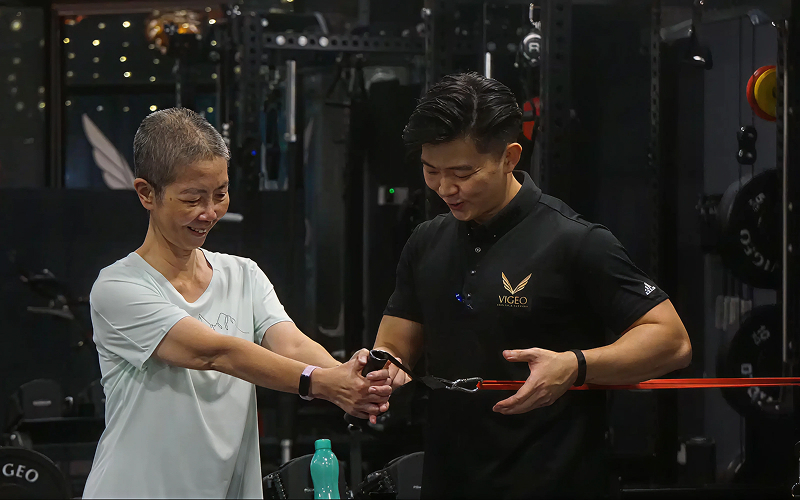
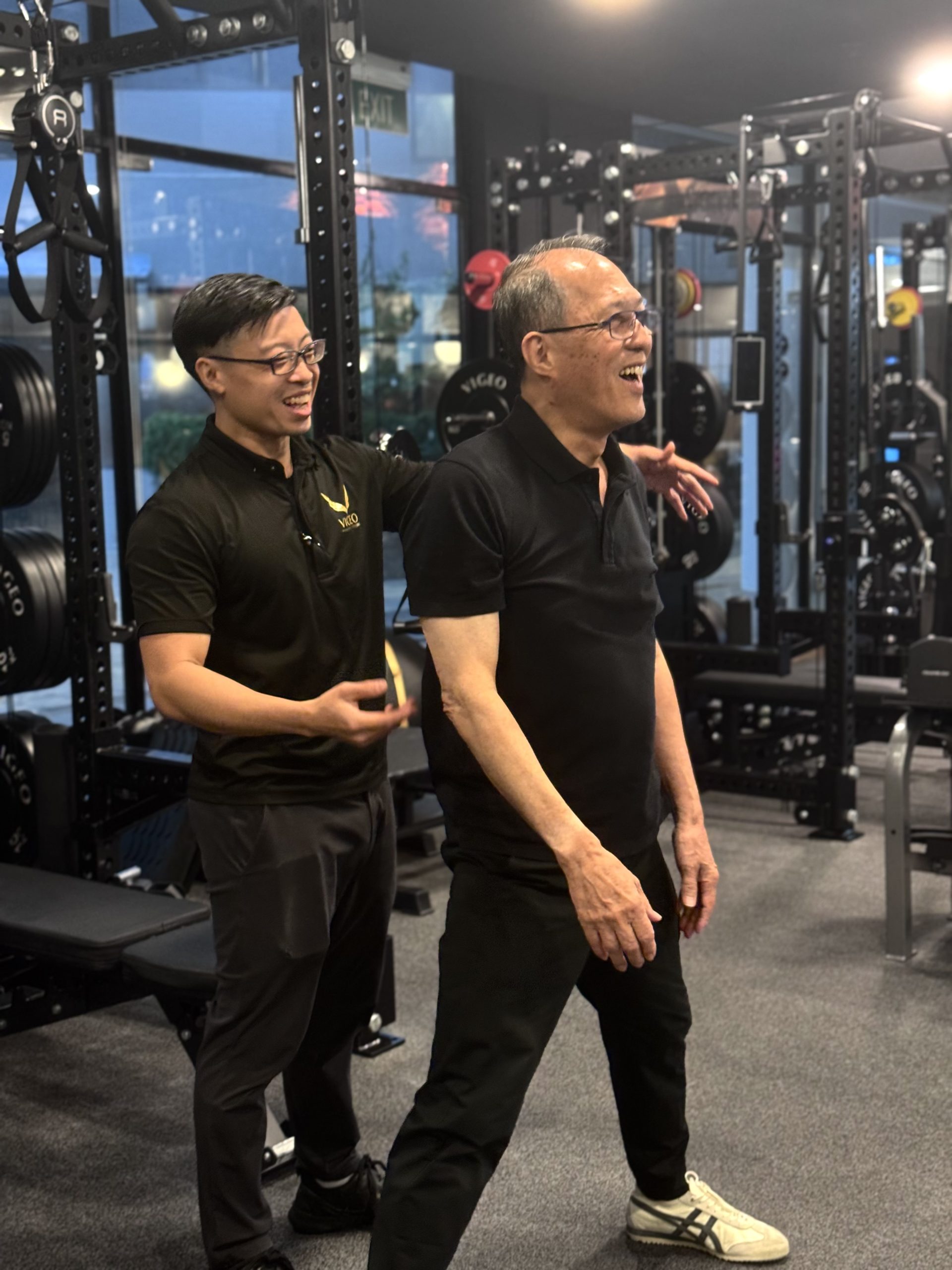
We are always proud to see our personal training students achieve success
Common mistake about fat loss
Busting the Starvation Myth

If you’re trying to lose weight, it’s important to remember that extreme dieting won’t do you any good. Starving yourself isn’t just bad for your physical health, but it also doesn’t work.
In fact, studies have shown that people who try to lose weight by “eating nothing” actually gain more weight in the long run than people who get enough calories in their diets. In such instances, your body actually adapts by lowering your metabolism through a process called adaptive thermogenesis. You will also start to lose muscle which further lowers your metabolism.
On top of that, not only is going hungry bad for your body, starving yourself also impacts your mental health negatively. If you’ve ever tried starving yourself, you know what a miserable experience it is – it also leads to extreme mood swings and hormonal disruption. At the same time, when you are deprived of food, you tend to overeat once you stop dieting. What you’ll want to do is improve your eating habits and lower your food intake slightly over time which makes it more sustainable in the long-term.
Only focusing on cardio and burning calories
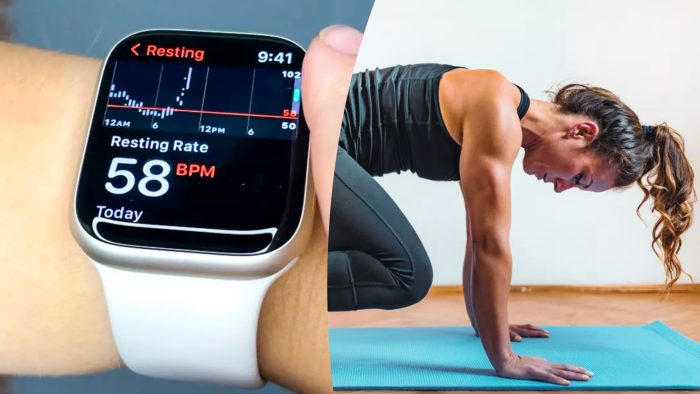
The rise of smartwatches allows us to estimate the number of calories burned during a workout. While this may provide a sense of accomplishment, it often doesn’t take into account how hard your muscles are working or give us a full picture as we may continue to burn more calories after training. Not only is it just a general estimation of calories which can be highly inaccurate, the calories burned during exercise is also a very small fraction of your daily calorie burn.
While cardiovascular exercises and a good diet may lead to weight loss, it can also result in muscle loss which may further lower metabolism and sabotage your weight loss goals. In fact, the more you do cardio, the better the body adapts to it, resulting in a lower metabolism and less calories burned – a double whammy to your weight loss goals.
Not doing resistance training
Reducing calories intake from food and increasing the number of calories burnt from exercising will escalate the weight loss process. The question we always ask when people are engaging our personal training services is, ”Do you want to lose weight and get into a smaller version of the same shape, or you want to lose fat and get into a better shape?” People do get confused about the difference between weight loss and fat loss.
Most people find that when they lose weight, they often do not get to their most desired size, that is because when you lose a lot of weight, you lose both muscles and fats. Therefore, the effectiveness of resistance training is to maintain/increase your muscles and metabolism which makes it easier for you to lose fat and get into a better shape.
Over exercising
Being more active can help you lose weight – as long as it’s done in moderation. One common mistake people make when they are trying to get fit is thinking that by pushing their workouts to the point that they are extremely sore or spend countless hours of treadmill, this will lead to faster results.
Unfortunately, this often leads to decreased motivation, increases risk of injury and hunger, as well as elevates bodily stress which often makes weight loss even more challenging. You should instead focus on long-term lifestyle changes that are sustainable and realistic. When the our personal training students first work with us, they are shocked that sometimes we advise them to exercise less, but they are more surprise that they often see more results after.
Emotional eating

No matter how much we try to hide from it, stress will always be a part of life. However, when stress is chronic and unrelenting, it can take a toll on both our physical and emotional well-being. Emotional eating is often the response to this type of stress – it’s the way many people cope with day-to-day stressors in their lives. Whether you are dealing with work deadlines, family problems, or financial difficulties, food can become an outlet for relief.
While we all need food for energy and sustenance, when we eat not out of hunger but as a means of coping with our emotions or stressors, it has the power to quickly become a dangerous habit that could derail weight loss efforts. Instead, focus on managing your stress levels by moving around more, exercising or other stress relieving activities which can go a long way in helping you succeed in your weight loss goals.
Conclusion
Embarking on a weight loss journey can be both empowering and daunting. With the wealth of information available, it’s easy to fall victim to misconceptions that can hinder progress. However, by debunking these myths and adopting a holistic approach, you can set yourself on a path to success that not only transforms your body but also improves your overall well-being.
As you navigate your weight loss journey, keep in mind that it’s not just about shedding pounds; it’s about fostering a healthier relationship with your body and mind, something that we preach a lot in Vigeo Personal Training, something that we put our flag on the ground that says, “Healthy and Sustainable Health and Fitness Only”.
Embrace the wisdom of accurate information, personalized strategies, and a patient mindset. By dispelling these myths and embracing a well-rounded approach, you’re setting yourself up for a transformative and sustainable transformation that reaches far beyond the number on the scale. Your journey to a healthier you starts with understanding, dedication, and a commitment to lasting change.