Reasons Why Weight Loss Seems Harder For People Over 35

Table of Contents

Have you been trying to lose weight for what seems like forever with no success? If you’re over 35, you might wonder why losing weight seems more complex now than it did when you were younger. The truth is, there are a few reasons why your metabolism slows down as you age, making it more challenging to drop those unwanted pounds. But don’t despair—there are still things you can do to fight back against a slower metabolism and finally reach your weight loss goals. Read on to learn more.

Lack of physical activity

As we age, our metabolism slowed down unlike our younger days and therefore I gain weight, right? Not so fast. Most likely, you are less active than you were in your younger days and therefore expand less energy throughout the day which lead to weight gain. Often times, people who blame a slower metabolism due to age also found out that the barely gain weight or even lost some weight when they are travelling even though they may eat more. The reason? – you are more active.

You are not doing resistance training

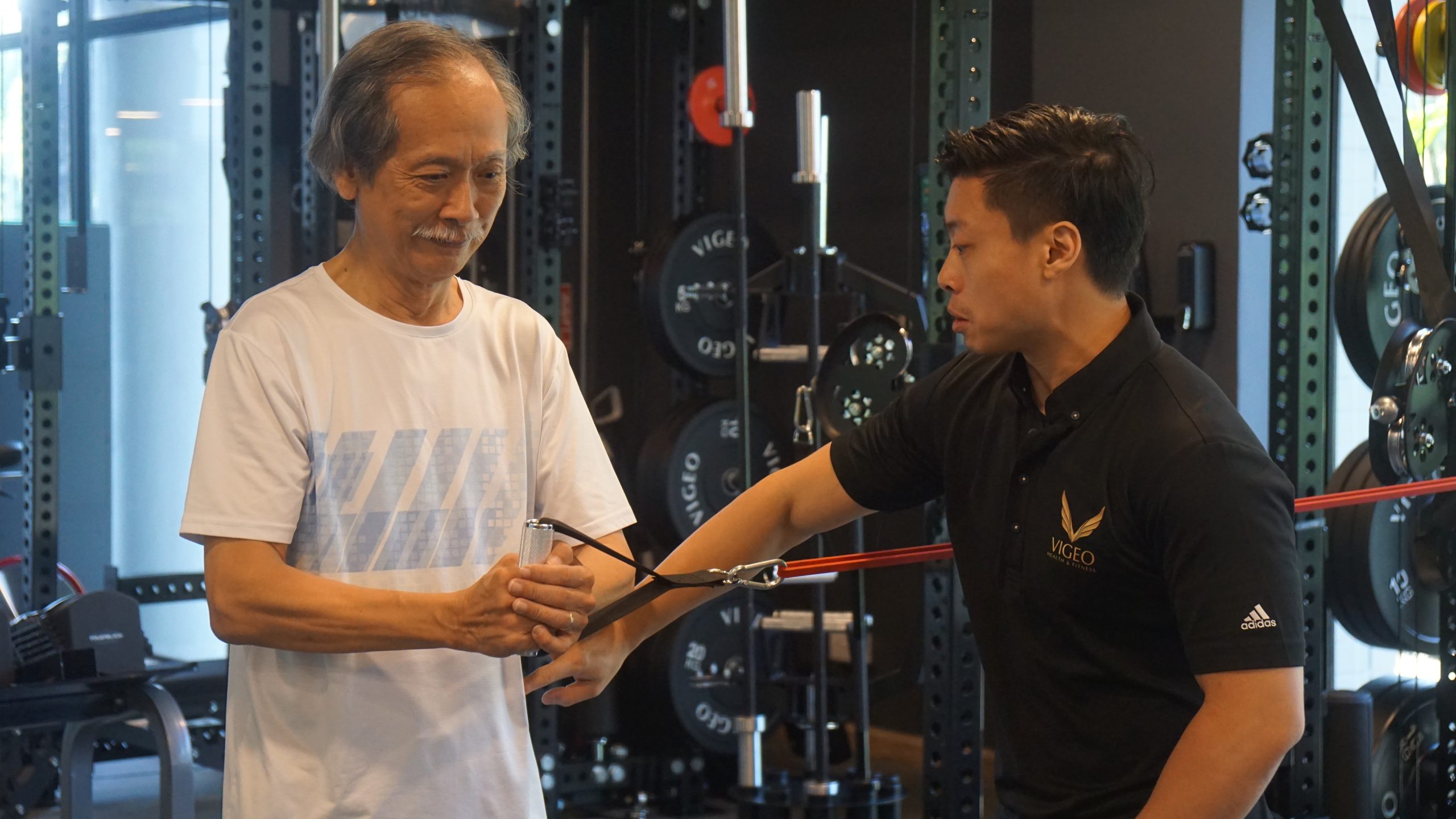
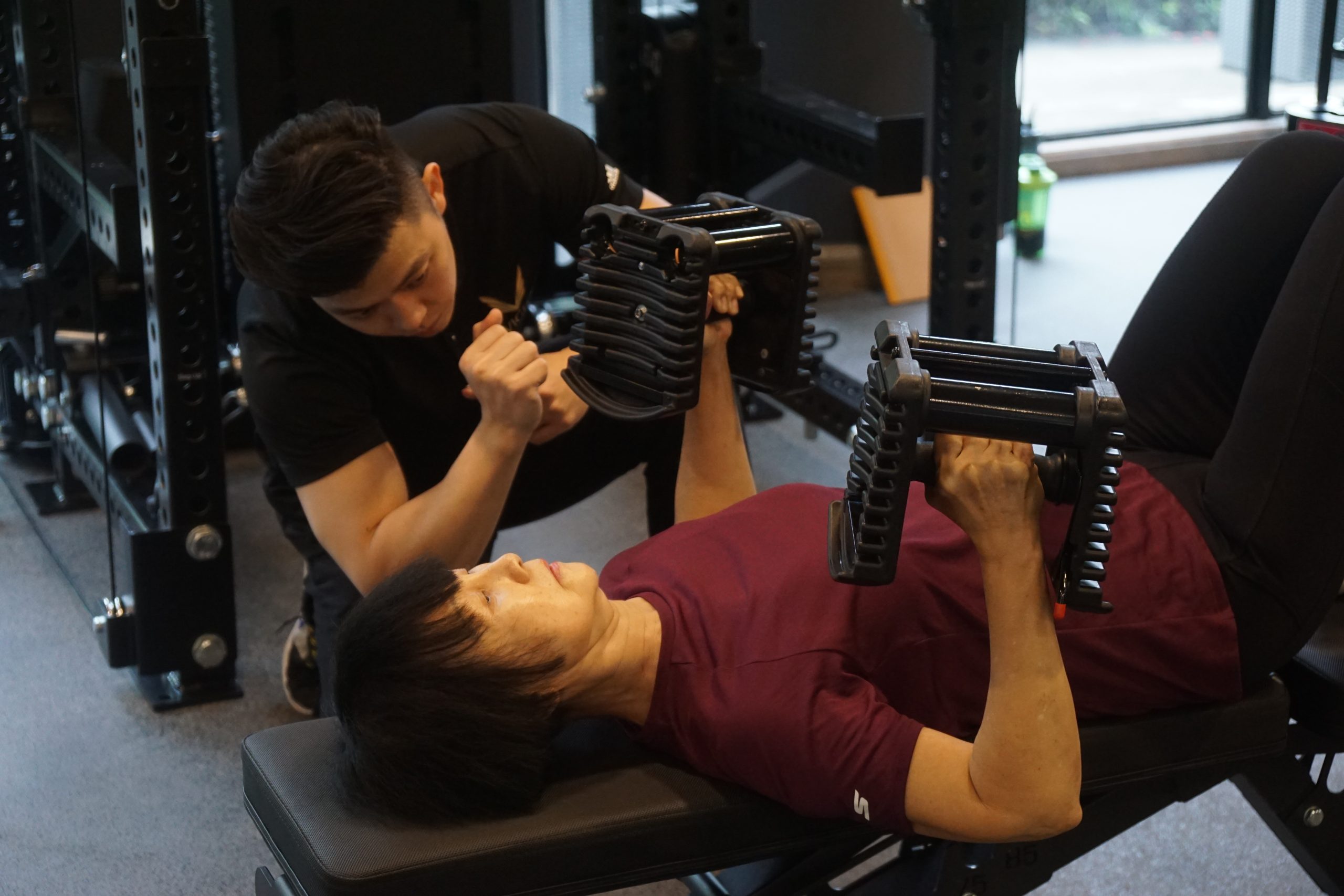
Contrary to popular belief, people who are heavier tend to have a higher metabolism than their thinner counterparts, but if you want to lose weight, specifically body fat, you want to be able to maintain or gain some muscle tissue to increase your metabolism by doing resistance training and consuming protein.

You have a poor diet

What you eat will also have an impact of your metabolism and your weight loss success. We actually burn calories from breaking down food and we tend to burn more calories from breaking down protein than carbohydrates and fats. Most of us tend to eat food that is high in fats and carbohydrates which is less optimal. By increasing your protein intake while reducing your fat intake, you are actually absorbing less calories from the food you have consumed.
You’ve let your fitness routine fall by the wayside

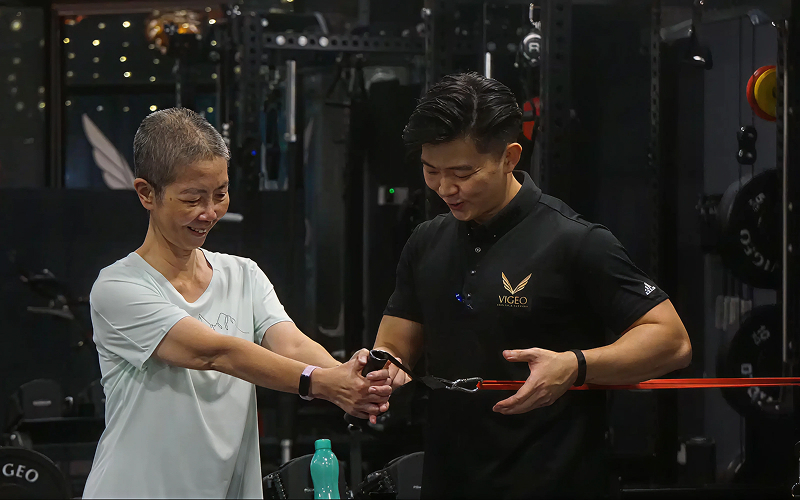
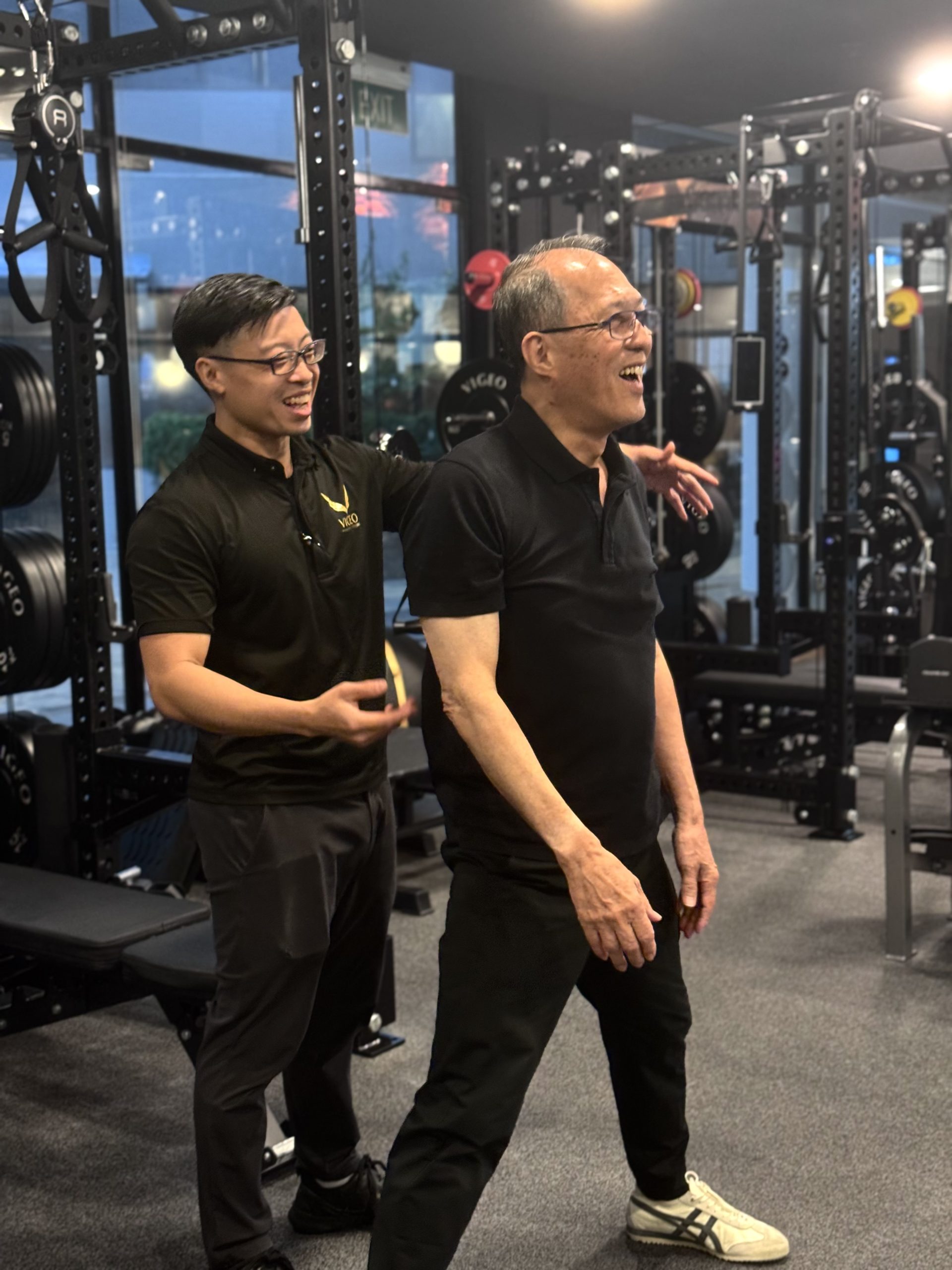
As we grow older, we must work harder to maintain our muscle mass, burn fat, and keep our metabolism humming— exercise is one of the best ways to do that. If you used to be an avid runner or gym-goer but haven’t been working out lately, that could be one reason you’re struggling to lose weight.

The body is more susceptible to ageing as you grow older

As we age, our cells become less efficient at using energy, making it harder to lose weight and keep it off. This doesn’t mean that weight loss is impossible as you get older, but it does mean that you need to be extra diligent about making healthy choices and staying active.

Conclusion

Losing weight after age 35 can seem like a battle that’s impossible to win—but it doesn’t have to be that way. If you find that weight loss is more problematic for you now than it has been, personal fitness training can be a great way to get back on track. Working with an experienced gym trainer in Singapore who specialises in helping older adults lose weight can give you the support and guidance you need to make healthy choices, stay motivated, and reach your fitness goals. And if you need a little help getting started, consider working with Vigeo fitness is here for you!

Share this article

Latest Articles

Senior man tracking fitness data on smartwatch after outdoor exercise.

Managing Blood Glucose Levels: The Role of Exercise, Nutrition, and Daily Habits

Managing blood glucose levels requires more than medication alone. This guide explains how exercise, balanced nutrition, and everyday habits work together to support glucose level for diabetes, improve insulin sensitivity, and reduce fluctuations throughout the day. Learn practical, sustainable strategies that fit daily routines and help support long-term metabolic health and overall well-being.

Older adult relaxes on gray sectional sofa at home.

The Silent Threat: How a Sedentary Lifestyle Quietly Undermines Your Long-Term Health

A sedentary lifestyle often develops quietly, shaped by desk work, screen time, and reduced daily movement. Over time, prolonged inactivity can influence metabolic health, circulation, muscle strength, and overall physical resilience. This article examines the broader, long-term health implications of a sedentary lifestyle, explains why these risks accumulate gradually, and highlights how regular movement supports healthier ageing, mobility, and long-term wellbeing.

A diverse group of active seniors practicing outdoor stretches.

The Role of Exercise in Helping the Body Manage Cancer Risks

Exercise plays an important role in supporting overall health and helping the body manage cancer risk over time. From regulating inflammation and hormones to improving immune and metabolic function, regular physical activity influences several biological processes linked to cancer risk. This article explores how different types of exercise contribute to long-term risk management, and why consistency and lifestyle habits matter when taking a preventive, whole-body approach to health.

Two older adults pose confidently in athletic wear, smiling together.

Menopause Transition: How Exercise Supports Strength and Health

The menopause transition brings hormonal changes that affect strength, balance, energy levels, and overall physical health. This article explores how regular exercise supports muscle maintenance, bone density, stability, and long-term wellbeing during this stage of life. By understanding the role of movement in the menopause transition, women can adopt practical, sustainable exercise strategies that support healthy aging, physical confidence, and daily function.

speak to a trainer

Vigeo personal training logo

Thank you for your submission.

We have received your information and
will be in touch shortly

Apply to Join
our Mission

Resume