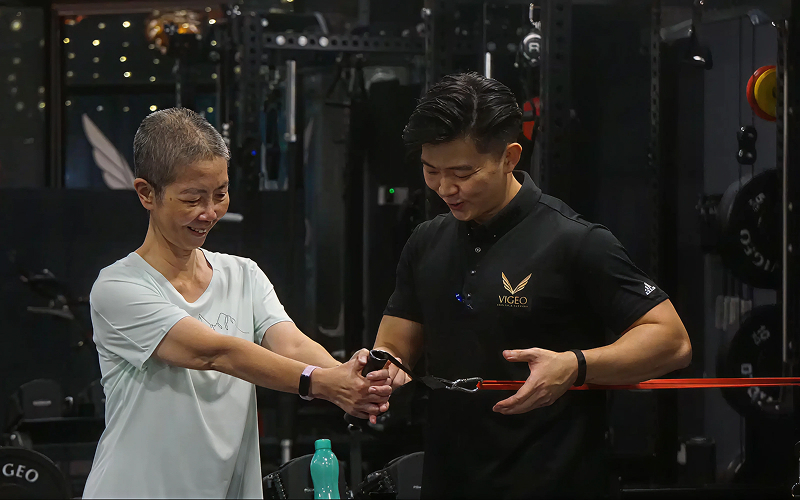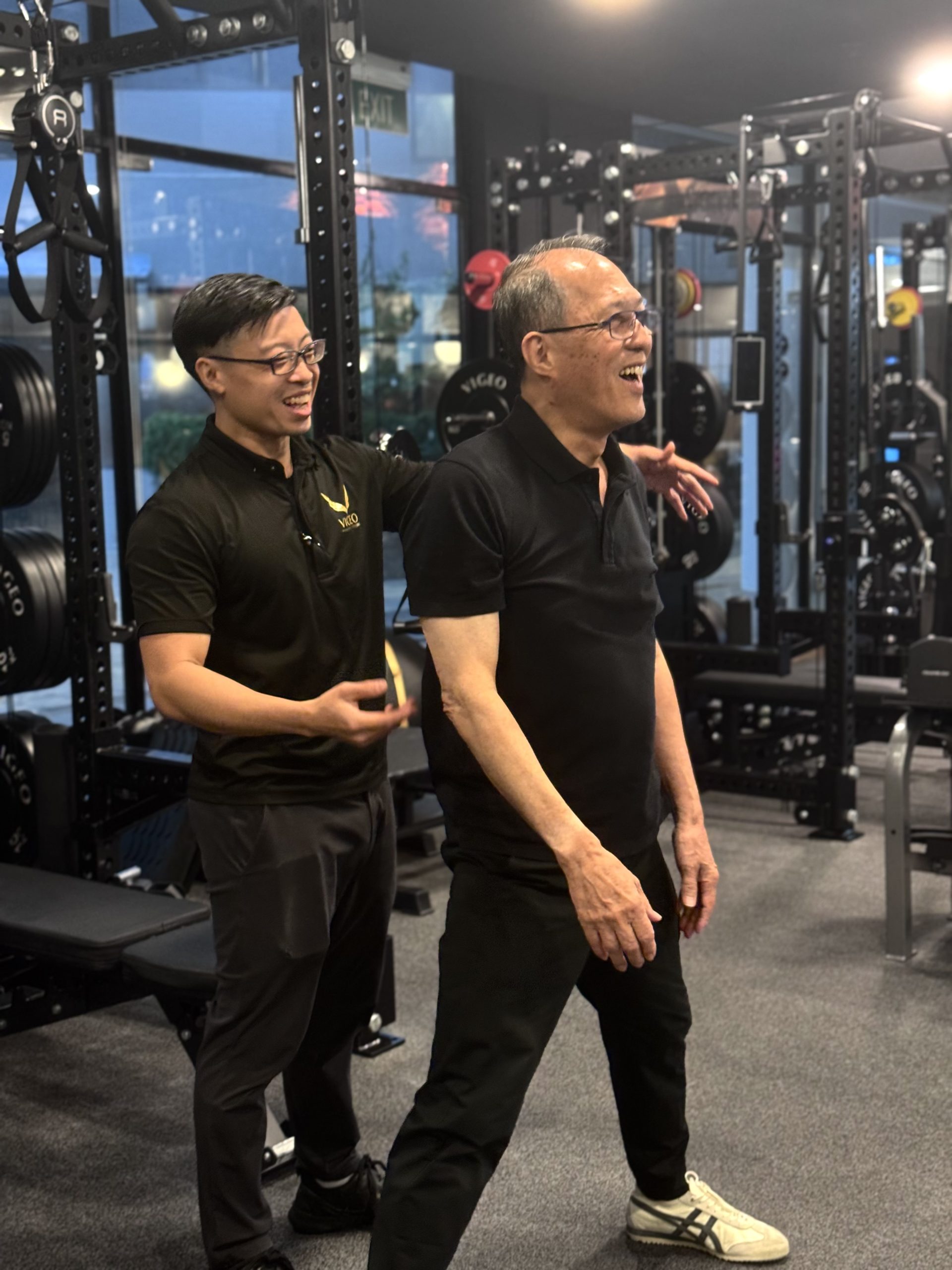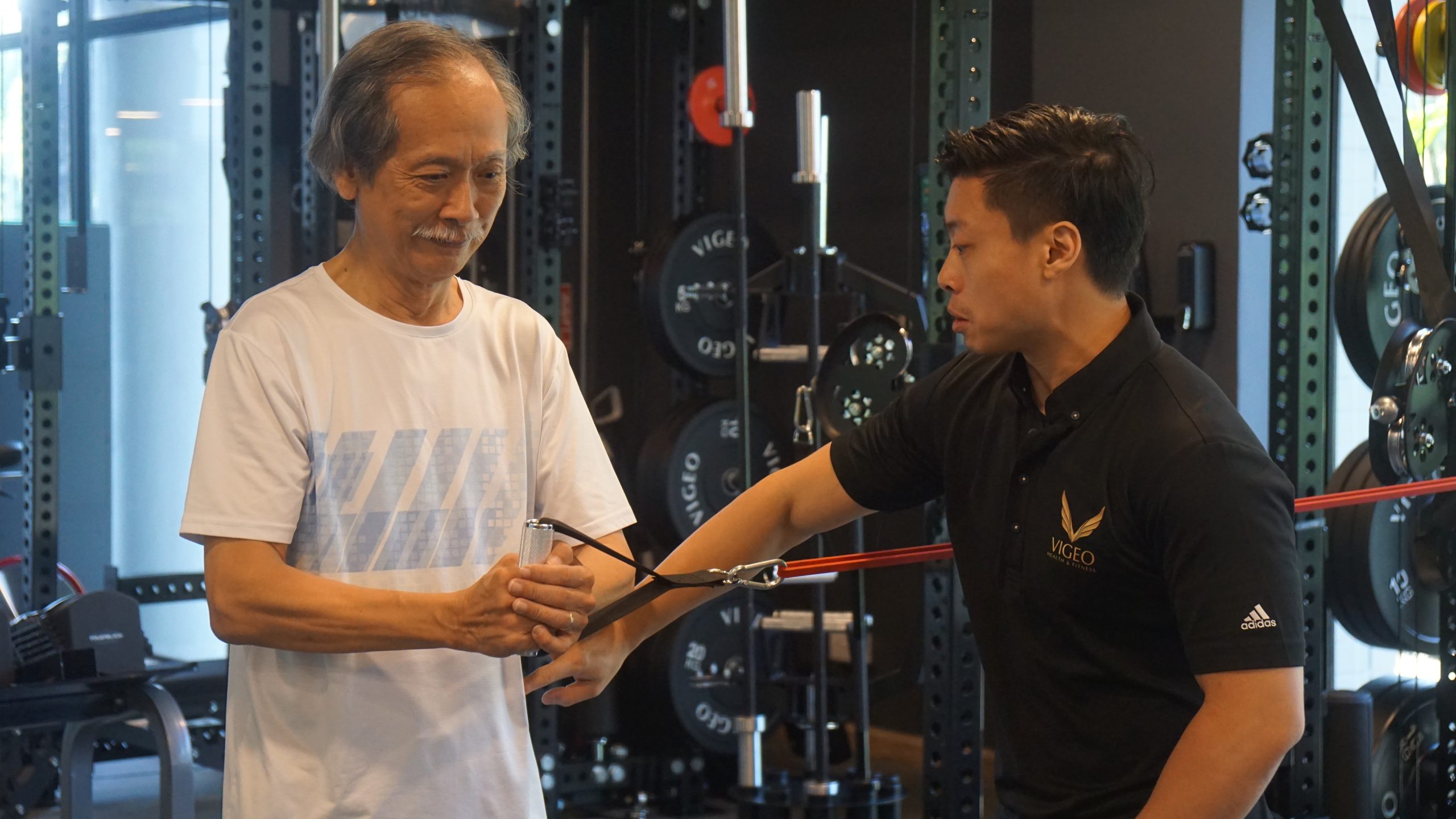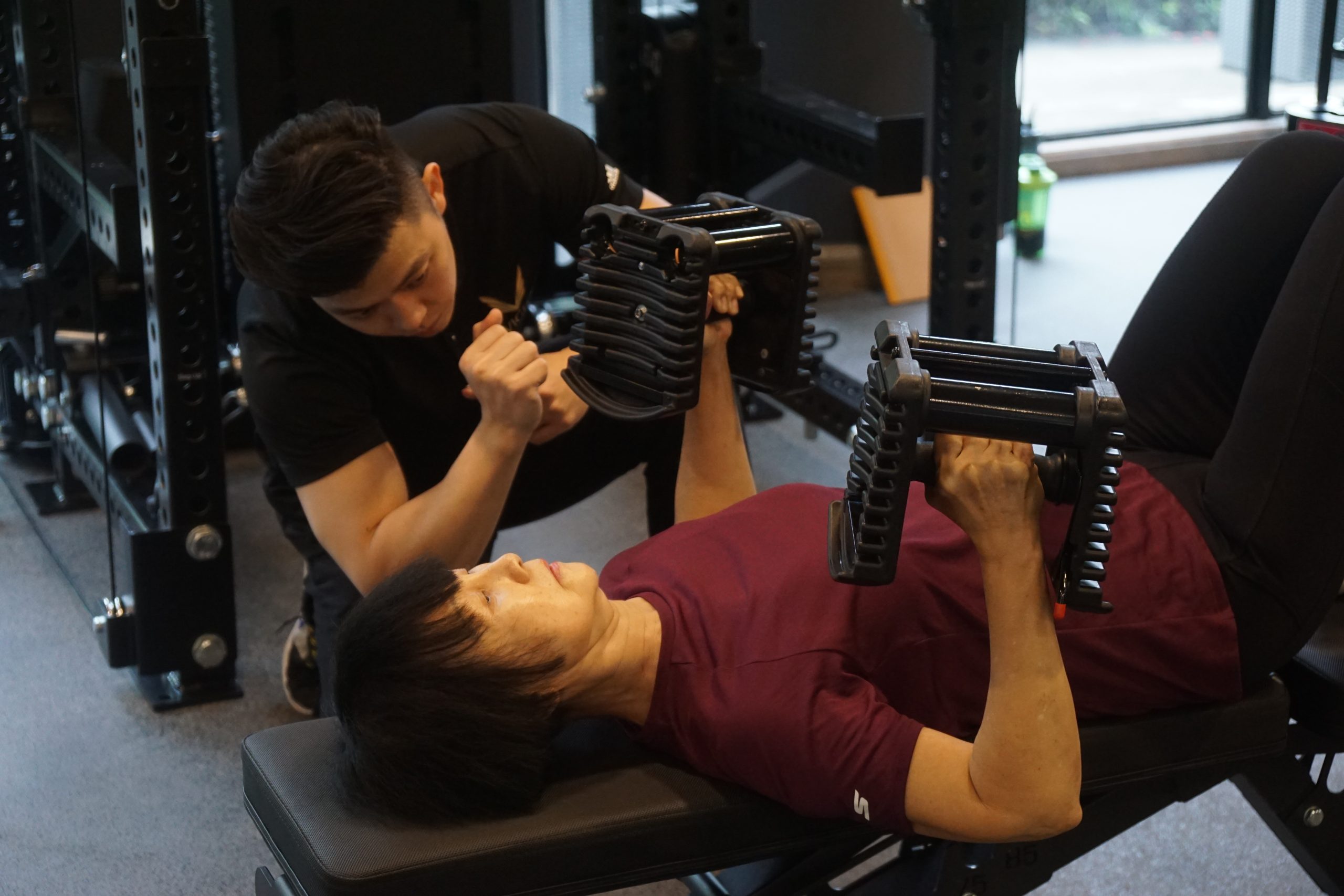


Some personal trainers tend to get pushy and resort to body shaming, do not listen when their clients are in pain and cannot explain how their plans will work. Others constantly check in with their clients, coach them throughout their program and encourage them with kind and positive words.
Looking for a personal health and fitness trainer in Singapore who makes you feel relaxed enough to reveal your biggest insecurities and shortcomings is a real struggle. Yet, they are “personal” trainers for a specific reason: to personally help you meet your health and fitness goals.
As the field of personal fitness training in Singapore continues to expand, you need to research more to find yourself the perfect coach. Listed below are the top qualities to look for in one.
Genuinely care for you and your well-being
Many personal trainers only care about themselves and their workouts — the few good ones care about you and your well-being. Finding a personal trainer is not just about someone who can give you a workout; it is about one who listens to your needs, understands your preferences, empathize with your struggles and use them to customize a highly effective program that suits you. A good personal trainer is enjoyable to work with and helps you create long-term success.
Communicates well
Personal training, fitness and nutrition can be complicated. A good personal trainer should be able to break down complex science into simple, actionable steps that are easy for you to understand and do. He/she should be an excellent communicator who can easily teach you how to do an exercise and make subtle tweaks so that you can fully understand how it works. He/she should also communicate encouragingly so that you feel enthusiastic about training and eating well. An excellent personal trainer knows what to say, how and when to say it so you can do the program effectively.
Patient
A good teacher is a patient one. Patience is the ingredient of a good trainer-client relationship. Trainers should understand that fitness is not a one-size-fits-all thing as your chosen exercise regimen may differ from others. Your trainer should assess you first to learn your specific needs. He/she should also set a comfortable pace because you may progress quickly or need more training and guidance.
Professional
You want to avoid visiting a dentist with terrible teeth, and you definitely do not wish to engage a personal trainer who does not look, act and speak like a professional. A professional personal trainer dress and speak smartly, prepare a well-written program that suits your needs and is able to coach you with the highest level of professionalism.
Vigeo, a personal training studio here in Singapore, is composed of professional coaches who can help you take control of your fitness, nutrition, and lifestyle.
Qualified and Certified
In this social media era, anyone can label themselves as “experts” and market themselves as such without proof. Trainers should be able to present a relevant fitness certification for their area of specialization. They must also pass an exam through accredited bodies.
Having a qualified and certified trainer by your side means that they can provide you with a scheme for their coaching style, workout plans, safety levels, and nutrition insights.
Trainers should also consistently equip themselves with the most recent trends in fitness and new studies published in academic journals.
Get Coach by an esteemed Singapore Personal Trainer
Bonus tip: Find a personal trainer that has ton of experience working with someone like yourself as they will understand what exactly you need to help you achieve your goals. If you are above 35 years old and are looking for an experienced personal trainer in Singapore who specialises in helping older adults lose weight, get fit, be healthier – Vigeo is the best choice for you as we have worked with hundreds of adults get into the best shape of their life even as they get older.