

Key Takeaways
- Hormonal changes can occur gradually with age and may affect energy, muscle mass, body composition, mood, sleep, and physical function.
- Low testosterone is one possible concern, but symptoms such as fatigue or weight gain can also have many other causes.
- A diagnosis of testosterone deficiency requires both relevant symptoms and consistently low blood-test results, not symptoms alone.
- Regular movement cannot “fix” a hormone imbalance, but it can support strength, mobility, balance, and confidence in daily activity.
- Working with a fitness trainer for seniors can help older men develop an exercise routine that aligns with their current abilities, health needs, and long-term goals.
As men age, gradual hormonal changes become part of the natural aging process. These shifts can be subtle, so they are not always immediately recognized as hormone-related. Instead, they may show up as changes in energy, strength, body composition, mood, sleep, sexual health, or recovery after activity.
For older men, changes in energy, strength, body composition, mood, or recovery can sometimes feel hormone-related. However, these symptoms do not necessarily indicate a hormone imbalance. They may also be influenced by sleep quality, medication use, nutrition, stress, inactivity, chronic health conditions, or other medical concerns.
Testosterone deficiency is a more specific medical issue that requires proper assessment. It is not diagnosed based on age-related changes or symptoms alone, but on a combination of relevant symptoms and consistently low test results. Understanding this distinction can help older men take persistent changes seriously without assuming that hormones are always the cause.
Why Hormonal Changes Are Common in Older Men
Hormones are chemical messengers that help regulate many body processes, including metabolism, muscle maintenance, bone health, sleep, sexual function, and mood. Testosterone is often the hormone most discussed in relation to older men, but it is not the only factor that can influence how the body feels and functions with age.
Testosterone levels tend to decline gradually across adulthood. However, lower testosterone does not automatically mean that a man has a medical hormone disorder. Many older men experience some age-related changes without needing hormone treatment, and symptoms that seem hormone-related may also be linked to poor sleep, depression, anemia, thyroid concerns, medication side effects, inactivity, or chronic conditions such as diabetes.
This is why it is important to avoid self-diagnosing based on one symptom or an online checklist. A healthcare professional can look at the wider picture, including medical history, symptoms, medication use, and appropriate blood tests.
Common Changes Older Men May Notice
Hormonal changes can affect people differently. Some men notice very little change, while others feel that familiar activities require more effort or that recovery takes longer than it once did.
Possible concerns may include:
- Lower energy levels or ongoing tiredness
- Reduced interest in sex or changes in sexual function
- Reduced muscle mass or strength
- An increase in body fat, particularly around the abdomen
- Lower exercise tolerance or slower recovery after activity
- Reduced bone density over time
- Changes in mood, motivation, or concentration
- Sleep disruption
- Reduced confidence with movement, lifting, stairs, or other daily tasks
These symptoms are not specific to hormone imbalance. For example, reduced muscle mass may be related to lower activity levels, inadequate protein intake, illness, prolonged recovery after injury, or age-related muscle loss. Similarly, fatigue may be related to poor sleep, stress, medication, anemia, or an underlying health condition.
The key is to notice patterns rather than focusing on one isolated bad day. A persistent change in strength, energy, libido, mobility, or mood is worth discussing with a doctor, especially when it affects work, relationships, independence, or quality of life.
Low Testosterone and Aging: What Is the Difference?
Low testosterone is sometimes described casually as “male menopause” or andropause. However, this comparison can be misleading. Unlike menopause, which involves a more defined hormonal transition, testosterone levels in men usually decline more gradually and do not affect everyone in the same way.
Medical guidelines do not recommend diagnosing testosterone deficiency based on age or symptoms alone. Diagnosis generally requires symptoms consistent with testosterone deficiency together with consistently low testosterone results on properly timed blood tests.
It is also important not to assume that testosterone therapy is the right response for every older man who feels tired or notices body changes. Decisions around hormone treatment should be individualized and made with a qualified healthcare professional, taking into account symptoms, test results, other health conditions, and potential benefits and risks.
How Hormonal Changes Can Affect Daily Function
Aging-related hormonal changes can become more noticeable through everyday movement. You may find that carrying groceries, standing up from a low chair, climbing stairs, getting up from the floor, or keeping up on longer walks feels more challenging than before.
Changes in muscle mass and body composition may also affect stability and confidence. When muscle strength declines, the body may have less reserve for activities that require lifting, pushing, pulling, walking longer distances, or reacting quickly to a loss of balance.
This does not mean that physical decline is inevitable. While aging changes the way the body responds to training, older adults can still improve strength, movement control, and confidence through appropriately structured activity. Regular physical activity is associated with better health, function, and quality of life in later years.
The Role of Exercise for Low Testosterone and Healthy Aging
Exercise for low testosterone should not be presented as a substitute for medical assessment or prescribed treatment. However, regular movement can help address several physical concerns that may accompany aging, including reduced strength, lower activity tolerance, decreased mobility, and changes in body composition.
A well-rounded exercise routine for older men may include:
Resistance Training for Seniors
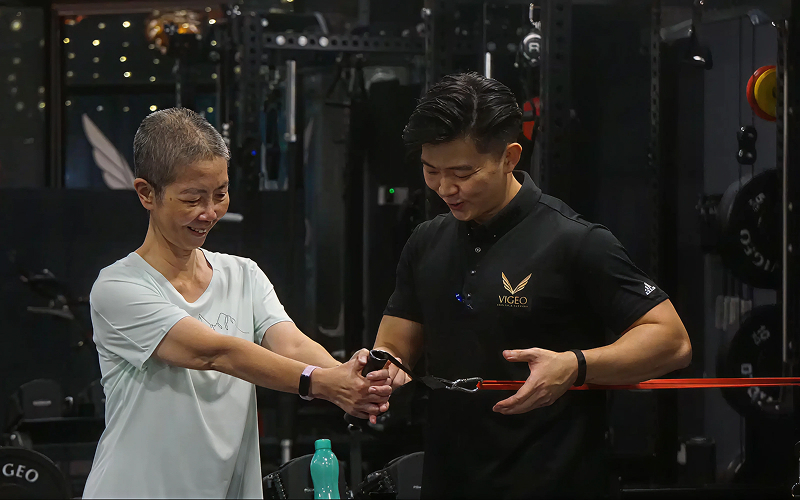
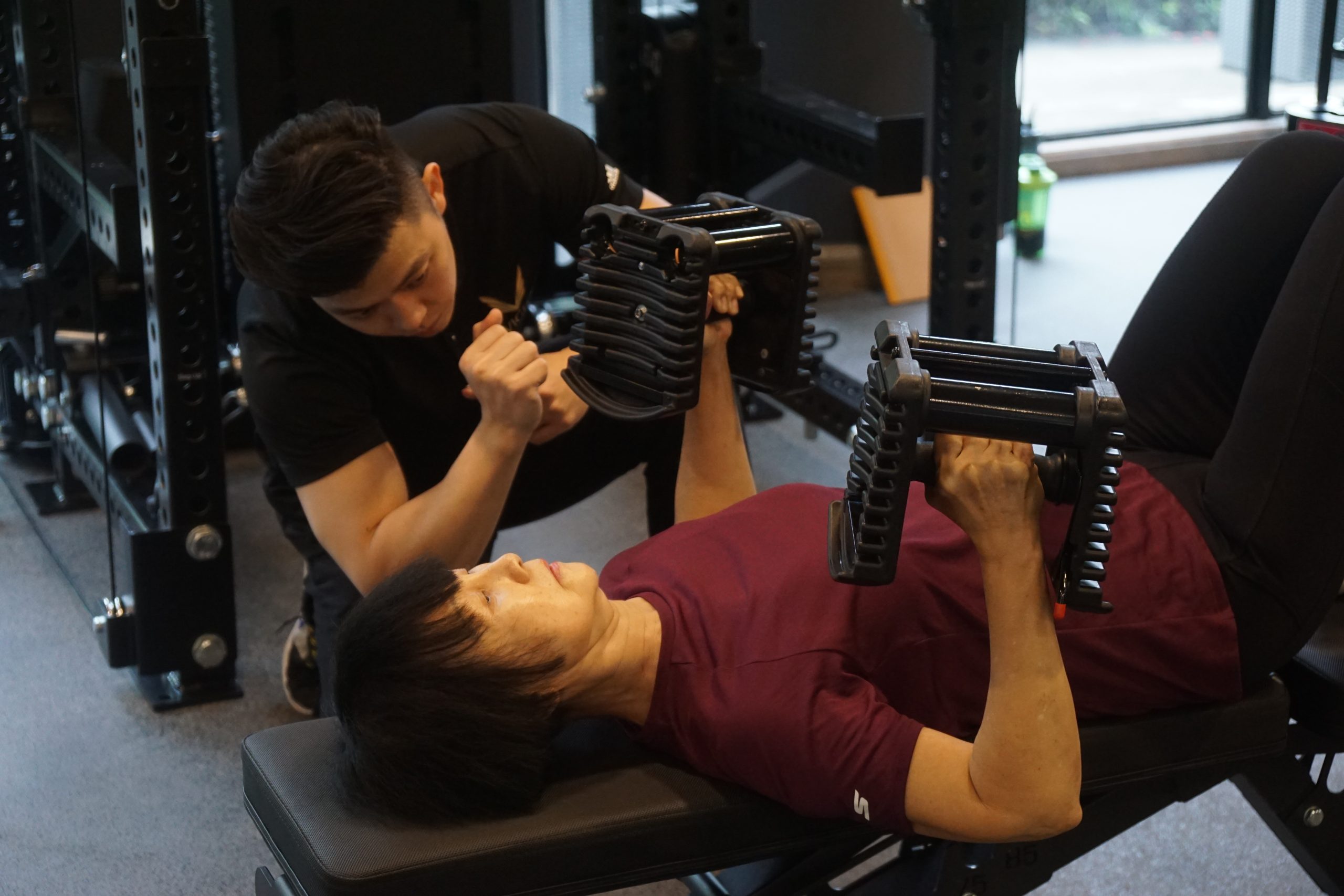
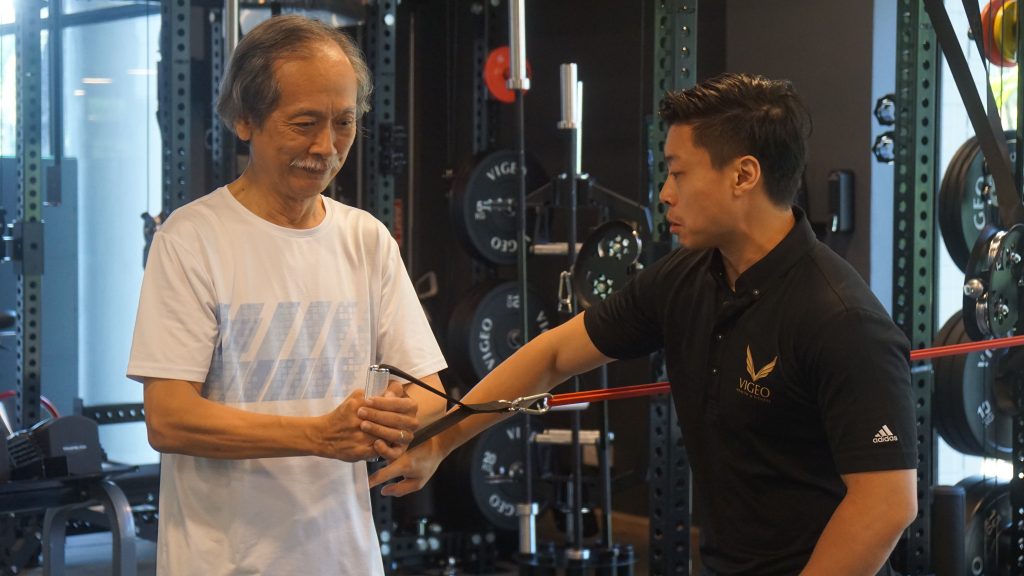
Resistance training for seniors can support the muscles needed for everyday movement, such as standing, walking, lifting, carrying, and climbing stairs. Exercises may use body weight, resistance bands, machines, free weights, or other controlled forms of resistance.
The aim is not necessarily to train at maximum intensity. A suitable program should consider existing injuries, joint pain, balance, blood-pressure concerns, medical history, and prior exercise experience. Gradual progression is usually more valuable than trying to do too much too soon.
Older adults are generally advised to include muscle-strengthening activities involving major muscle groups on two or more days each week, adjusted to their abilities and health status.
For Singaporean men who prefer a structured setting, choosing a gym for the elderly can provide a supportive environment to rebuild strength, improve balance, and stay active at a comfortable pace.
Mobility and Balance Work
Strength alone is not the full picture. Mobility work can help maintain comfortable movement through the hips, shoulders, knees, and ankles, while balance exercises can support safer movement during daily tasks.
For men with reduced mobility or a history of falls, balance-focused activity may be particularly important. Global physical activity guidance recommends that older adults with poorer mobility include multicomponent activity that emphasizes balance, coordination, and muscle strengthening.
Aerobic Activity at a Manageable Level
Walking, cycling, swimming, or other aerobic activity can support cardiovascular health and everyday stamina. The right starting point depends on the individual. For someone who has been inactive for a long time, a short and consistent walk may be more appropriate than an ambitious exercise plan that is difficult to maintain.
Building an activity habit gradually can be more sustainable than trying to meet a weekly target immediately. The focus should be on improving consistency, tolerance, and confidence over time.
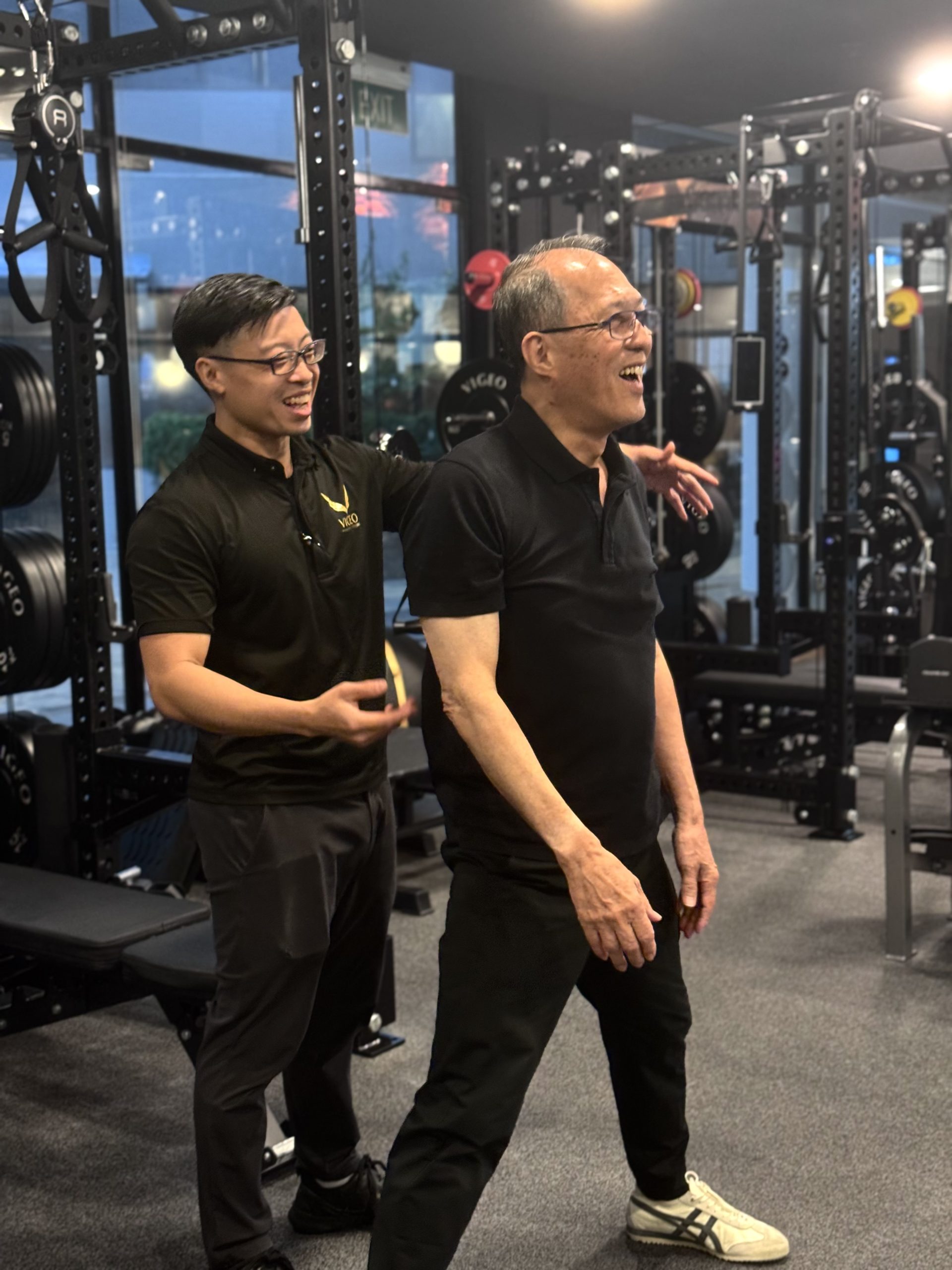
A personal trainer for elderly clients can also help adjust exercise selection, resistance, pacing, and rest periods according to mobility, confidence, and any relevant health considerations.
Supporting a Healthy Body Composition for Seniors
A healthy body composition maintains muscle and strength, avoiding a pattern in which muscle mass declines while body fat rises.
This can become more difficult with age, especially when activity levels drop after retirement, due to injury or illness, or following a major life change. Regular resistance training, adequate nutrition, daily movement, and sufficient rest can all support a more functional body composition.
Food also matters. Older adults may need to pay closer attention to protein intake and overall dietary quality, particularly if appetite has changed or meals have become less regular. Protein-rich foods can include fish, poultry, eggs, dairy, tofu, tempeh, beans, and legumes. A doctor or dietitian can provide more tailored advice where there are medical conditions, weight changes, or dietary restrictions.
Common Misunderstandings About Hormone Imbalance
“Feeling tired always means low testosterone.”
Fatigue has many possible causes. Sleep problems, medication side effects, depression, anaemia, thyroid conditions, chronic pain, dehydration, inactivity, and other health concerns can all affect energy levels.
“Testosterone naturally declines, so treatment is always needed.”
Age-related change does not automatically require treatment. Hormone therapy should be considered only after proper medical evaluation and discussion of the possible benefits and risks.
“Exercise can replace medical care.”
Exercise can support strength, mobility, healthy body composition, and function, but it cannot diagnose or treat every cause of fatigue, weakness, or changes in sexual health. Persistent symptoms should be assessed by a healthcare professional.
“It is too late to get stronger.”
Older adults can still benefit from appropriately adapted exercise. The starting point may look different from someone younger, but progress can still mean better movement confidence, greater strength for daily activities, and improved independence.
When to Speak With a Healthcare Professional
It is a good idea to arrange a medical review if you experience persistent or worsening symptoms such as:
- Unexplained weight loss
- Ongoing fatigue that does not improve with rest
- Sudden weakness or difficulty walking
- Frequent falls
- Persistent low mood or loss of interest in usual activities
- Significant changes in sexual function
- New breast swelling or tenderness
- Bone pain, fractures, or a noticeable loss of height
- Symptoms that began after starting a new medication
A doctor can help rule out other causes and advise on whether blood tests, a medication review, nutritional support, or referral to another professional may be appropriate.
Taking a Practical, Supported Approach
Understanding hormone imbalance leads to realistic, sustainable action. For many older men, this starts with looking beyond a single hormone and focusing on the areas that can support daily function: strength, mobility, balance, activity levels, sleep, nutrition, and confidence in movement.
At Vigeo, our personal trainers work with older adults who want to stay active, move with greater confidence, and build strength in ways that respect their current capacity. Whether you are returning to exercise after a long break or looking for a safer structure for your routine, a personalized program can focus on functional strength, balance, mobility, and gradual progression.
Contact us to learn more about our senior-focused training support and how a personalized exercise plan may fit your needs.