

WHY WORK WITH A PERSONAL TRAINER
FOR MENOPAUSE?
Menopause brings physical and emotional changes that can affect energy, strength, sleep, and confidence. Working with a trainer who understands this phase helps you stay active safely while supporting long-term health and wellbeing.
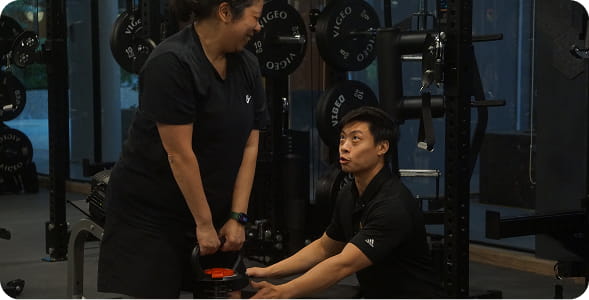
Helps with Perimenopause, Menopause, or Post- Menopause
Hormonal changes across perimenopause, menopause, and post menopause can influence strength, sleep quality, recovery, and how the body responds to exercise. Working with a menopause-specialised personal trainer allows training to be adapted precisely to each phase, helping you stay active, strong, and confident without aggravating joints or overwhelming recovery. Many women also choose preventive support before symptoms escalate, using structured and progressive training to preserve muscle, improve resilience, and maintain long term physical stability through this transition.
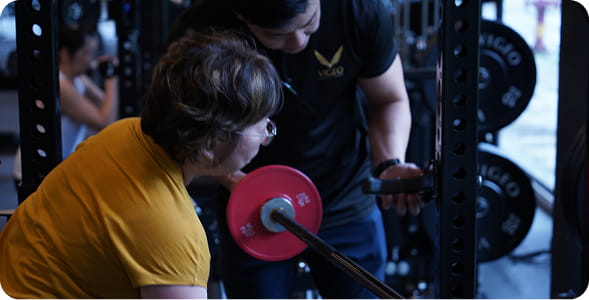
Training That Matches Hormonal Changes
During menopause, hormonal shifts affect muscle mass, bone density, joint comfort, and recovery. A personal trainer accounts for these changes by prioritizing strength training, using appropriate bone loading exercises, and managing training volume and intensity. This helps slow muscle loss, support bone health, and avoid the common mistake of pushing too hard or doing workouts that are no longer suitable for the body.
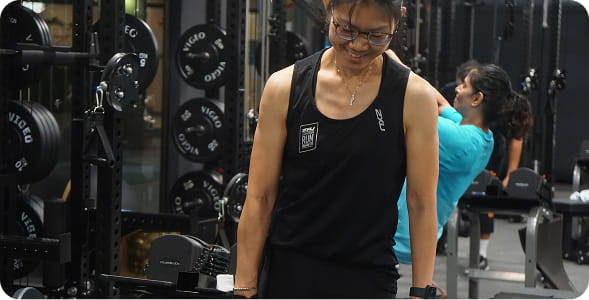
Reduce Body Fat and Improve Muscle Without Extremes
Menopause often makes fat loss feel harder even when eating less, which is why aggressive dieting and excessive cardio frequently backfire. A personal trainer shifts the focus toward preserving and building muscle, managing training and lifestyle stress, and developing sustainable strength habits rather than chasing rapid weight loss. This approach supports metabolic health and gradually improves body composition over time without extremes that compromise energy, recovery, or long term adherence.
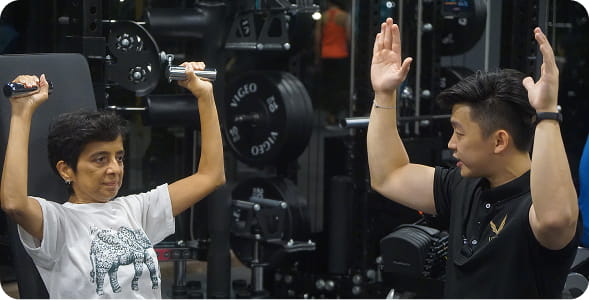
Smarter Recovery and Joint Protection
During menopause, many women experience more fatigue, stiffness, and sensitivity to poor movement quality. A personal trainer focuses on how exercises are performed, prioritizing sound technique, joint friendly ranges of motion, and stability where the body needs it most. Sessions are paced to match daily readiness, helping reduce flare ups, rebuild trust in movement, and allow women to train consistently without fear of pain or repeated setback.
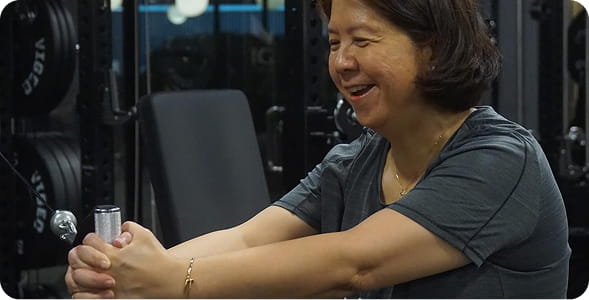
Supporting Long Term Health Through Menopause
Menopause is a pivotal transition where muscle preservation, bone strength, and movement quality shape how the body functions in the years ahead. Training prioritises strength, stability, and functional capacity to protect independence, confidence, and quality of life for decades, not just the next few months.
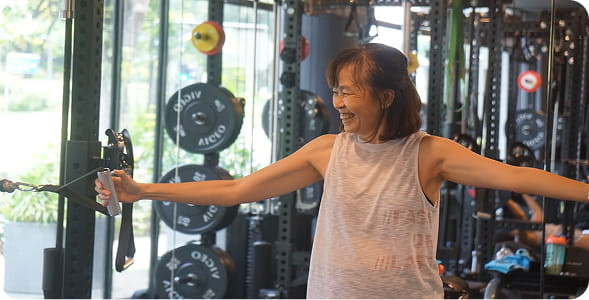
Rebuild Confidence and Trust in Your Body
Menopause can make the body feel unfamiliar and unpredictable, leading to hesitation around movement. Personal training provides a structured, supportive environment where progression is controlled, feedback is clear, and sessions are adapted to how your body responds. Over time, this approach rebuilds trust in movement, reduces fear of injury or flare ups, and restores confidence in everyday activities. Exercise becomes safe, manageable, and empowering again, without guesswork or extremes.
REAL STORIES.
REAL PROGRESS
READ OUR PERSONAL TRAINING SUCCESS STORIES
CERTIFIED PERSONAL TRAINERS FOR MENOPAUSE


FAQS ABOUT PERSONAL TRAINER FOR MENOPAUSE

What results can I realistically expect from menopause personal training?
Results vary, but most women experience improved strength, greater physical stability, more consistent energy, and increased confidence with movement over time. The focus is not quick fixes, but steady improvements that support daily function, resilience, and long term health through menopause and beyond.
Can I start personal training if I’m in perimenopause?
Yes. Perimenopause is often when changes first appear. Training can be adapted to fluctuating energy, recovery needs, and joint comfort, helping you stay active safely as your body transitions.
What does a personal trainer for menopause actually do differently?
Menopause aware training goes beyond exercises. It accounts for recovery, stress load, sleep quality, and changing tolerance to training. Sessions are structured to build strength and stability without compounding fatigue, making training more sustainable and effective during this phase.
How often should I train with a personal trainer for menopause each week?
Most women benefit from two to three sessions weekly, depending on schedule and recovery. With private personal training, frequency and intensity are adjusted to how your body responds week by week.
What’s the best type of workout during menopause: strength, cardio, or both?
A balanced approach works best. Strength supports muscle and bone health, while gentle cardio supports stamina and daily energy. Sessions are planned to blend both without overwhelming your system.
Do I need to be fit or experienced before starting menopause personal training?
No. Menopause personal training is designed to meet you where you are, whether you are active, inconsistent, or returning after a long break. Training starts at an appropriate level and progresses based on how your body responds, not on prior fitness history.
