

Home > Training Services > Personal Trainer for Cancer Survivors
PERSONAL TRAINER FOR CANCER SURVIVORS
PERSONAL TRAINING DESIGNED
FOR LIFE AFTER CANCER
Finishing cancer treatment does not always mean your body is ready for normal exercise. Many people continue to experience fatigue, loss of strength, stiffness, and uncertainty about what is safe to do. Training during or after cancer requires care, patience, and flexibility.
Personal training designed for life after cancer supports your body safely, respects how you feel day to day, and helps you rebuild strength and confidence at a pace that feels right, so you can move forward with greater clarity and confidence.
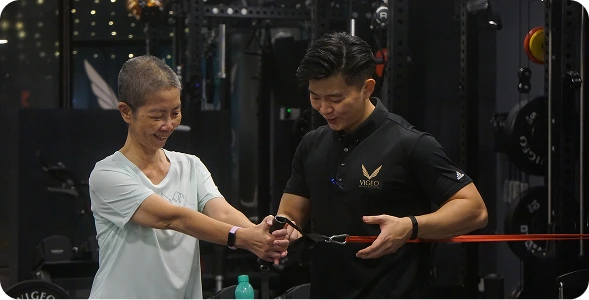
Training That Understands Your Medical History
After cancer treatment, your body and recovery journey are unique. A personal trainer who works with people recovering from cancer takes the time to understand your medical background, including your treatment experience and any ongoing symptoms. Your personal trainer can also work alongside your doctor or allied health professional to ensure your exercise plan supports your recovery safely. This coordinated approach helps you feel confident that your training respects your health while still helping you rebuild strength and function at a pace your body can handle.
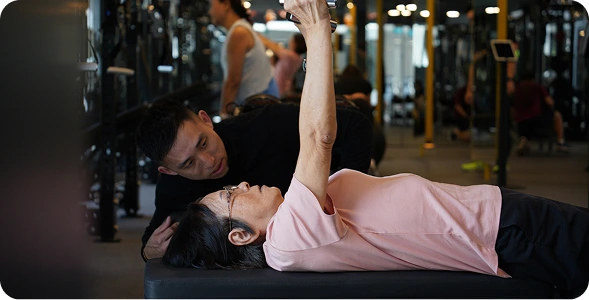
Rebuilding Strength and Function after Treatment
After cancer treatment, many individuals experience significant muscle loss, reduced stamina, and difficulty with everyday movements despite being medically cleared. A personal trainer focuses on gradually rebuilding strength and functional capacity through safe, progressive exercises that restore the ability to walk, lift, climb stairs, and move confidently in daily life.
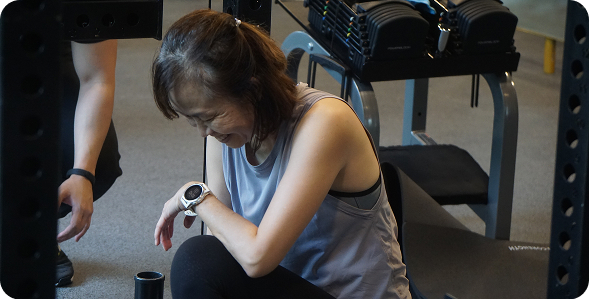
Managing Long Lasting Cancer Related Fatigue
If you are recovering from cancer, fatigue can be one of the biggest challenges you face after treatment. This type of fatigue is very different from normal tiredness and often does not improve by simply resting more or pushing yourself harder in workouts. Working with a personal trainer who understands cancer recovery allows your training to be adjusted carefully, so exercise helps rebuild your energy instead of leaving you exhausted. When fatigue is managed properly, it becomes easier for you to stay consistent, feel stronger, and progress safely at your own pace.
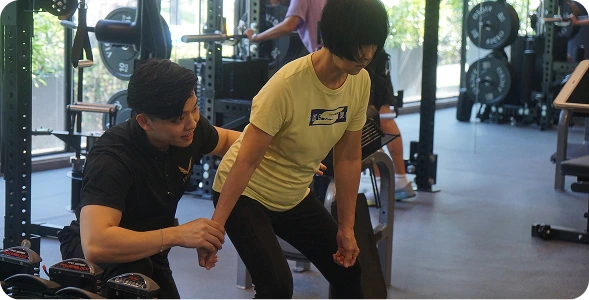
Individualizing Training to Cancer Type and Treatment History
Different cancers and treatments leave different long term effects such as nerve sensitivity, balance issues, joint pain, cardiovascular limitations, or hormonal changes. A personal trainer for cancer tailors training based on individual treatment history rather than using a generic programme. This ensures exercise supports recovery rather than aggravating existing issues.
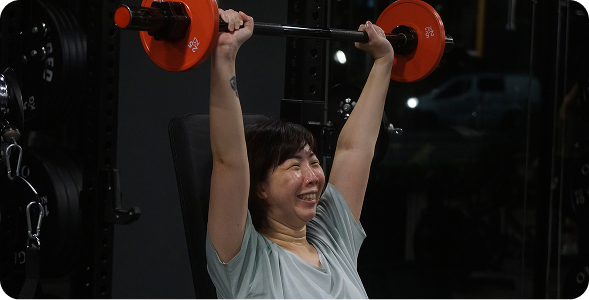
Restoring Confidence and Reducing Fear of Movement
After cancer, many individuals feel uncertain about what their bodies can tolerate and worry about injury or setbacks. This fear often limits activity more than physical weakness. A personal trainer provides reassurance through guided movement, clear boundaries, and visible progress. As the body proves it can move safely, confidence naturally returns.
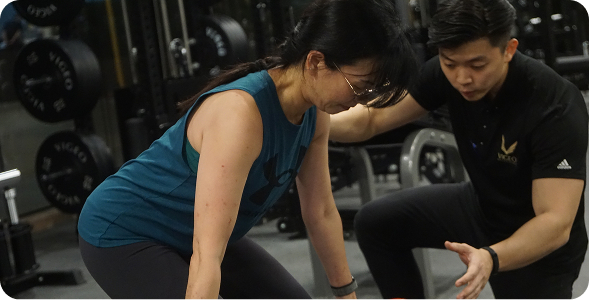
Supporting Long Term Independence and Quality of Life
After cancer, exercise is not about chasing fitness goals. It is about regaining independence, rebuilding confidence in your body, and being able to live your life fully again. Personal training supports long term strength, body function, and resilience so you can return to the activities that matter to you, move through daily life with confidence, and maintain your independence as you move forward beyond cancer.
OUR REVIEWS
READ OUR PERSONAL TRAINING SUCCESS STORIES
CERTIFIED PERSONAL TRAINERS FOR CANCER SURVIVORS


FAQS ABOUT PERSONAL TRAINERS FOR CANCER SURVIVORS

Should I consult my doctor before starting a new exercise programme during or after cancer treatment?
Yes. Medical clearance is important before beginning any training. The right time to start varies from person to person and depends on your treatment stage, recovery progress, and medical advice. Once cleared, your personal physical trainer will plan sessions that are adapted to respect your energy levels, current limitations, and comfort so you can begin safely and progress gradually.
Can personal trainers safely guide cancer survivors through tailored exercise programmes?
Yes. Training is adapted carefully to your condition, treatment stage, and comfort level. Many people begin personal training with little or no recent exercise experience. Sessions start at a manageable level, focusing on rebuilding basic strength, movement, and confidence gradually, without pressure or performance expectations.
Can you design sessions around low blood counts, such as anaemia or low platelets?
Yes. Sessions are adjusted when energy is low or recovery is slower. Intensity, rest periods, and movement choices are modified to prioritize safety and comfort at all times.
Can I bring a family member or caregiver to the first session?
Yes. Having support present can feel reassuring, especially during the first visit. We welcome caregivers or family members who help you feel more at ease.
How private are the sessions, and can I request a quieter space?
Sessions take place in a calm, controlled environment designed for focus and privacy. With private personal training, you can work at your own pace without unnecessary distractions.
What if I feel anxious or unsure about exercising again?
This is very common after cancer. Many people worry about doing the wrong thing or pushing their bodies too far. Training is guided calmly and paced carefully, with clear explanations throughout. You are never pushed to do anything that feels unsafe. Building confidence and trust in your body is just as important as physical progress.
