

Sticking to a diet can be difficult and make you feel like giving up. That is often due to a diet that forces you to change your dietary habit 180 degrees, which will naturally be challenging. Habits do not die easy, and they do not change overnight. So if diets have not been successful in the past, fret not– here are some ways you can start dieting without feeling deprived.
Do not blindly follow plans
Many diet plans are available that dictate your meal plans and workout schedules. However, it is worth noting that we are all built differently, and not every diet plan will suit everyone. Some diet plans require extensive meal preparations and intensive workouts, while others may involve a lot of numbers, such as counting macros and calories. While these may be effective to some, others may find this stressful, especially if it simply does not fit your lifestyle. So before sticking to a plan, ask yourself if you can picture yourself doing this long-term.
Find healthy food that you enjoy
Healthy food does not have to be boring and is more than just salads. Many foods are high in satiation and low in calories. Explore healthy recipes and find foods you actually enjoy. Look for different ways to cook your favourite fruit and vegetables. Try a new recipe every week.
Drink more water
Often, the body may think it is hungry when it is just thirsty. Drinking water before a meal or snack can help you feel fuller. This will prevent you from overeating or getting unnecessary snacks.
Occasionally enjoy a treat
Losing weight and eating healthier does not mean eliminating the food you love. There is no reason to stop eating your favourite foods– pizza, pasta, bubble tea, ice cream– you need to do so in moderation. Consider adopting the 80-20 rule, where you eat healthily 80% of the time and treat yourself to something less healthy 20% of the time. Complete removal of foods you enjoy can cause you to feel less satiated and more miserable. So, ensure you do not deprive yourself of the things you love.
Destress with exercises you enjoy
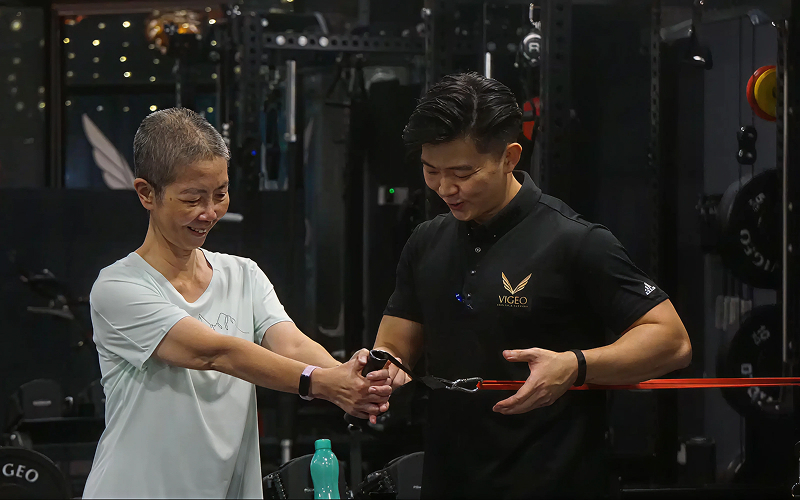
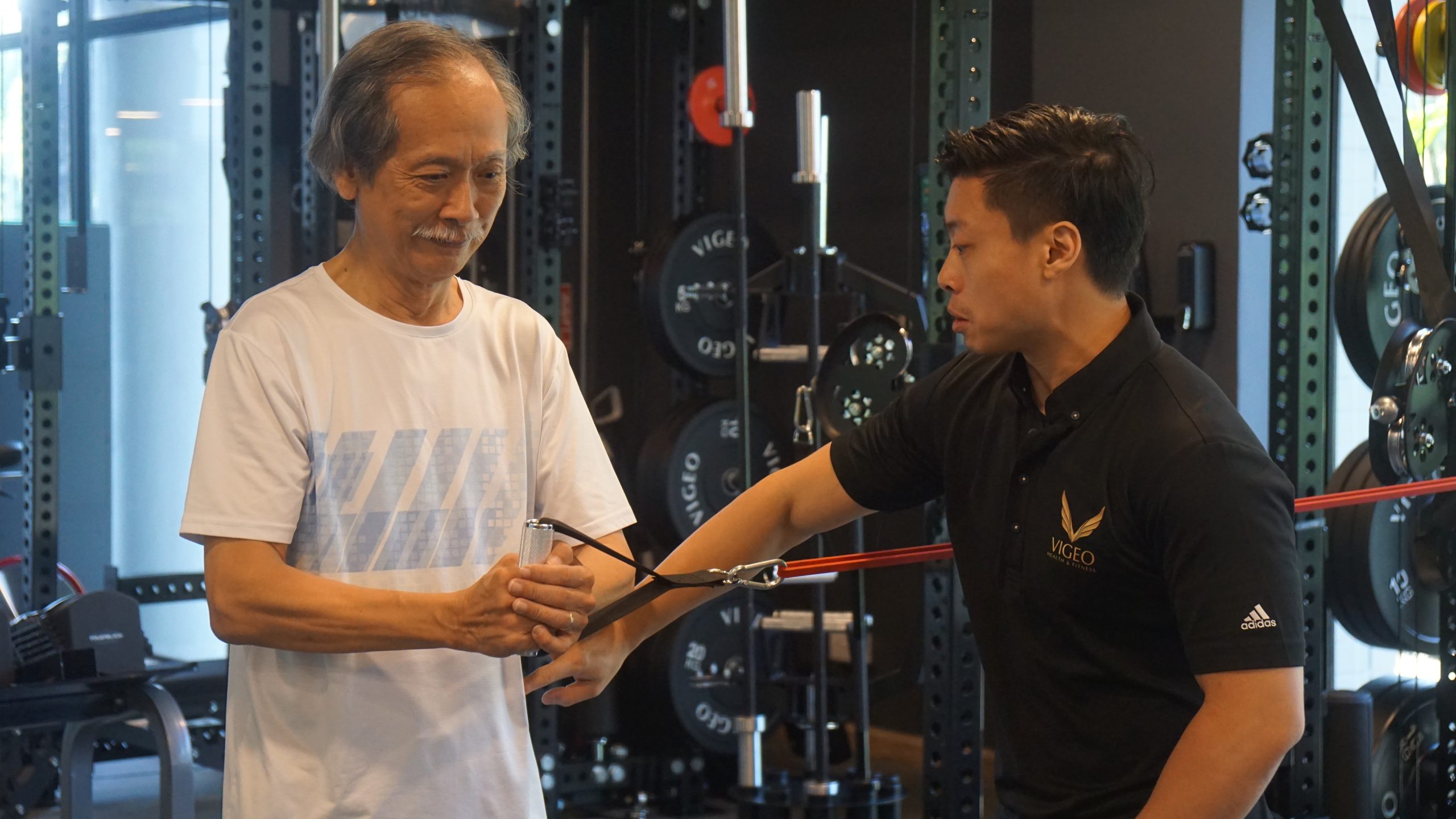
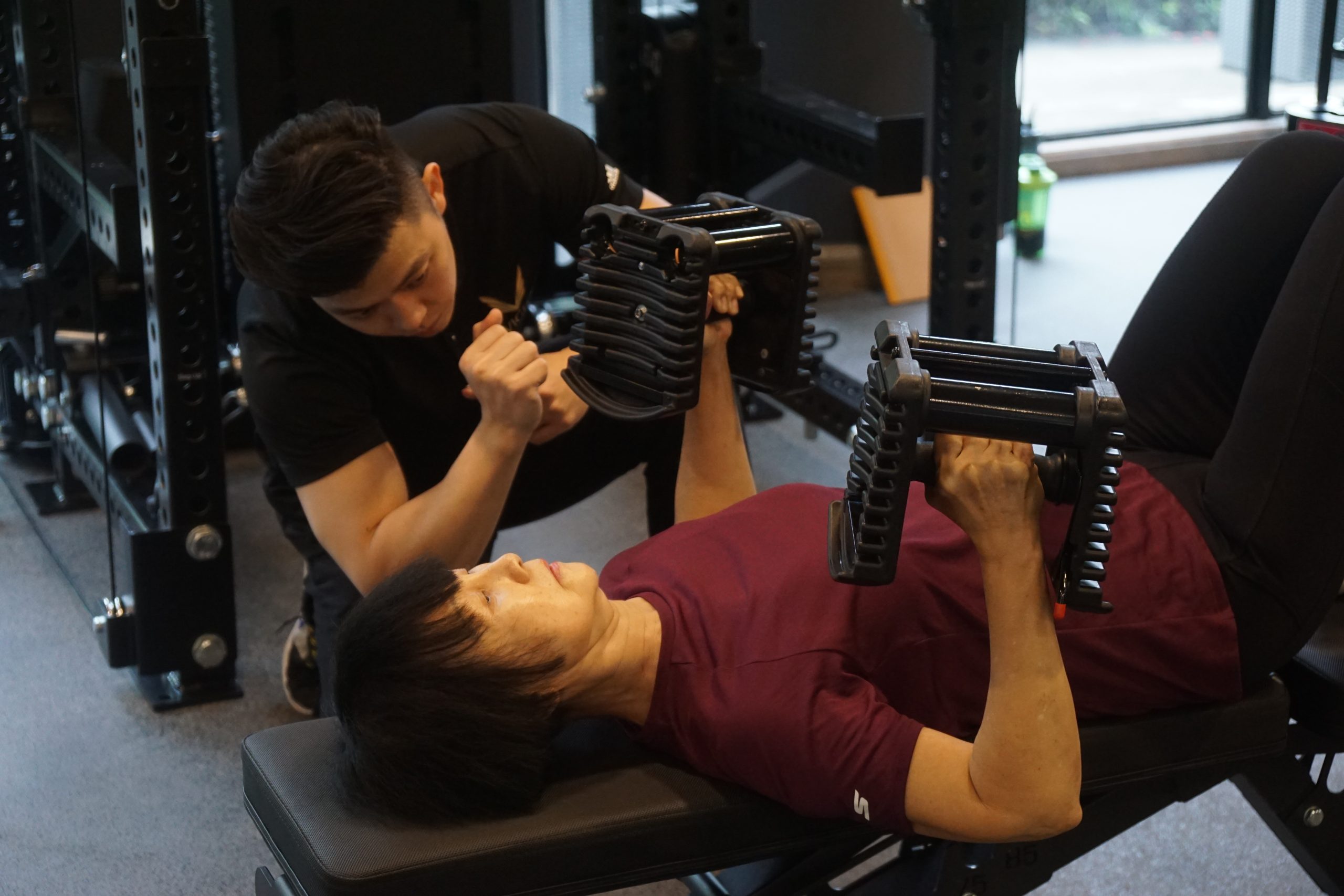
Everyone experiences stress, but chronic stress can prevent you from losing weight. Stress produces more of the hormone cortisol, which promotes body fat, making it harder to lose weight. Exercising is a great way to lose weight, feel fitter and reduce stress. Having an exercise plan or a gym routine you enjoy can help you attain your goals in a fun and healthy way.
Conclusion
People diet for a variety of reasons– to lose weight, to improve their appearance or to improve their health. Many diets can make people feel deprived, and it is demoralising when the diet fails. Enjoying the process and finding ways to make it exciting for you is essential. If you need a personal gym trainer, Vigeo is here for you. Vigeo is a personal training studio in Singapore that aims to help you lead a healthier lifestyle. Chat with us today to find out how we can craft a training plan catered to you.